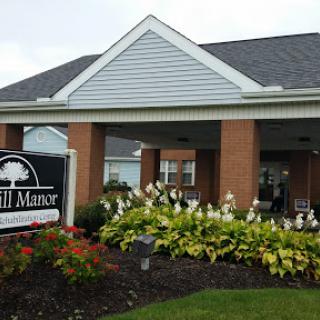
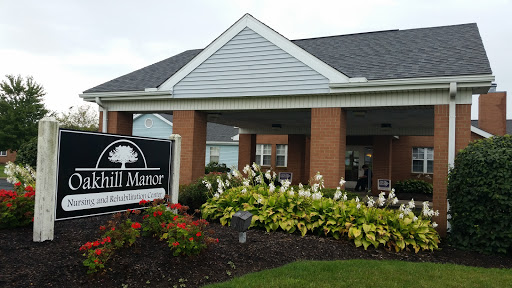


4466 Lynnhaven Avenue Ne, Louisville, OH 44641
For more information about senior living options: (866) 208-4318
Overall Review of Oakhill Manor Care Center
Pros
 The therapy department is awesome.
- The food is better than it used to be.
- The reviewer wishes the new Administrator and the DON luck in changing the place around.
Cons
 The facility is overworked and understaffed, leaving residents without the care they need.
- The call lights take an excessively long time to be answered.
- Many residents have to beg for water.
- The place is dirty and has a noticeable odor.
- The carpet and floors are stained.
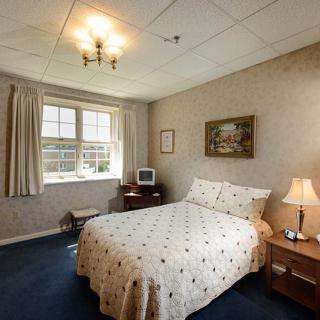
- The rooms are very small.
- The staff is mean.
Review
This community in Louisville, OH is best suited for residents who need meaningful therapy rehabilitation and for families prepared to assume an active advocacy role to assure that basic daily needs are met. The reviews place a premium on the therapy department as a bright spot and note some recent leadership changes with a new administrator and director of nursing that could portend improvement. However, the positive rehab and food adjustments do not erase the dependence on attentive, timely care. Prospective residents who can tolerate ongoing questions about staffing and service quality will find a potential path forward here.
Alternatives should be considered for anyone who cannot tolerate uncertain staffing, delayed assistance with essentials, and a facility environment that feels neglected. The most glaring red flags, dirty conditions, odors, stained carpet, tiny rooms, and reported mean staff, suggest that cleanliness and a respectful bedside manner are not reliably present. If a resident's safety and dignity hinge on swift call-light response and consistent hydration and toileting support, this community demands careful scrutiny before committing. In short, households prioritizing reliable daily care over rehab potential will likely want to explore other options.
On balance, the standout therapy program and improved nutrition offer meaningful counterpoints to the chief drawbacks. A robust rehab pipeline can help residents regain function, and better food quality improves daily satisfaction, which matters when care hours are stretched. Leadership changes create a plausible path toward better oversight and accountability, but this is not guaranteed to translate into immediate gains. The calculus rests on whether rehab value and occasional dietary wins can compensate for inconsistent staffing, long call-lights, and a climate of skepticism about care quality. For families willing to monitor progress, these elements may justify a cautious trial.
The core concerns revolve around staffing strain and resulting lapses in basic care. Reports of overworked aides and residents having to beg for water paint a picture of a system under stress, where call lights go unanswered and comfort tasks fall through the cracks. The second review reinforces a troubling baseline: cleanliness and space constraints, with small rooms and a smell that undermines dignity. Together, these factors erode trust and make ongoing risk management challenging. Until staffing levels stabilize and environmental standards are consistently upheld, care quality will remain variable at best and concerning at worst.
Families assessing this community should plan a thorough due diligence ahead of any commitment. Request current staffing schedules and turnover rates, and ask for a live tour during peak hours to observe call-light responsiveness and bedside care. Probe on care planning, hydration management, and daily routines, and seek recent quality-improvement actions from the new administration. Talk to current residents and families about day-to-day interactions, and verify the cleanliness standards on a recent floor with an independent eye. Set concrete expectations and require measurable milestones from leadership to know whether momentum toward improvement is real.
Bottom line: this community does not stand out as a clear choice for most families without a strong advocacy plan. The attractive rehab angle and recent leadership hints must overcome persistent concerns about staffing, responsiveness, and environment. For those who can tolerate and push for meaningful improvements, while maintaining close oversight and contingency plans, there may be a path forward. But for families prioritizing consistent care, reliable assistance, and a respectful setting from day one, alternatives that promise steadier staffing and cleaner surroundings are a better, safer bet. The decision hinges on appetite for vigilant oversight and faith in imminent, measurable change.
 99 resident community capacity
 Skilled Nursing Facility
 Air-conditioning
 Beauty salon
 Cable or satellite TV
 Computer center
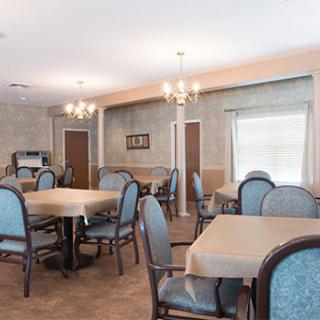
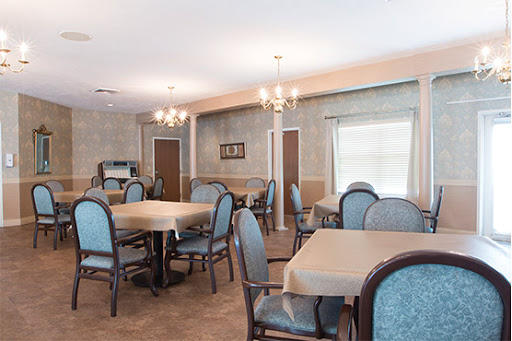
 Dining room
 Fitness room
 Fully furnished
 Gaming room
 Garden
 Housekeeping services
 Kitchenette
 Move-in coordination
 Outdoor space
 Private bathrooms
 Restaurant-style dining
 Small library
 Telephone
 Wellness center
 Wi-Fi/high-speed internet available
 Akron-Canton Regional (15 miles away)
 Community operated transportation
 12-16 hour nursing
 24-hour call system
 Activities of daily living assistance
 Assistance with bathing
 Assistance with dressing
 Assistance with transfers
 Diabetes diet
 Medication management
 Mental wellness program
 Special dietary restrictions
 Concierge services
 Planned day trips


 Exploring Nonmedical Home Care: Understanding Services, Costs, and Financial Approaches
 Engaging Brain Games and Innovative Apps to Keep Senior Minds Active
 Effective Strategies for Keeping Seniors' Minds Active: A Deep Dive into Brain Games and Apps