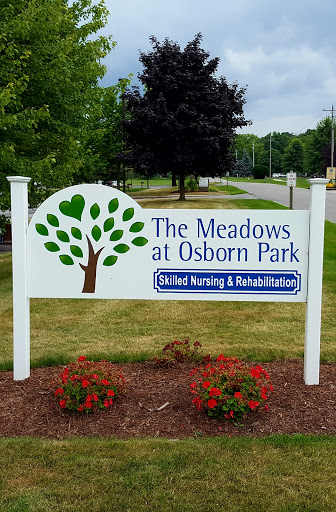


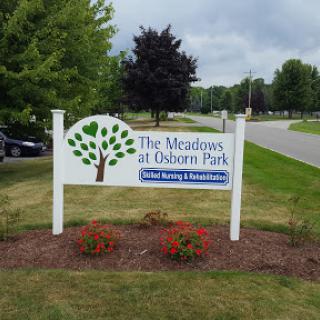
3916 Perkins Avenue, Huron, OH 44839
For more information about senior living options: (866) 208-4318
Overall Review of The Meadows At Osborn Park
Pros
 The staff are excellent and very caring.
- The dad is happy during his rehabilitation stay.
- Candy always greets visitors with a smile.
- The staff are awesome and very good to residents.
- There is a sense of love and caring from the moment one enters, with happy faces among residents and staff.
- Carolyn and Alyssa are praised for their care.
- The facility is clean, comfortable, and caring.
Cons
 They advise against taking their loved ones there.
- There is no staff on weekends to care for residents.
- Management is awful; the nursing director doesn’t care and the administrator is rarely around.
- The administrator refused to speak to them on two occasions and seemed unhelpful.
- The administrator yelled at a staff member in front of residents and said he didn’t have time for this.
- The care is not consistent and concerns were downplayed by the nursing director.
- The atmosphere is tense from the moment you walk in.
- There are serious allegations of elder abuse, isolation, and unethical guardianship actions reported to authorities.
Review
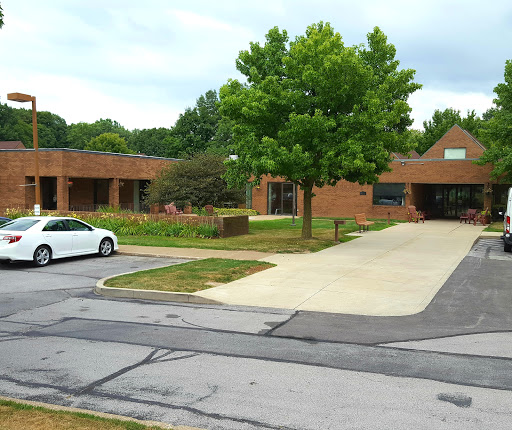
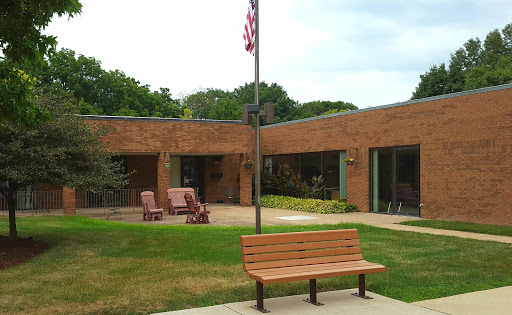
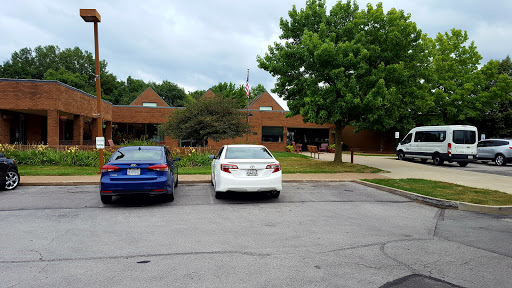
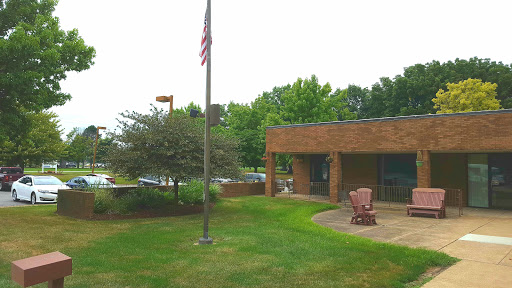
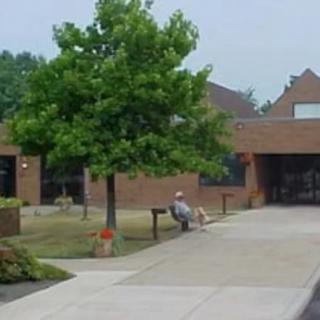
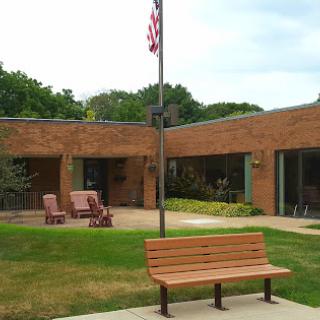
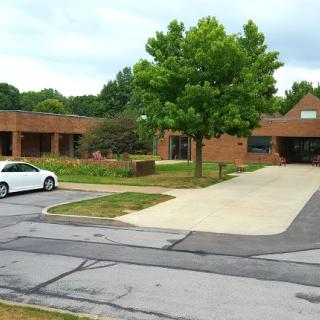
The Meadows at Osborn Park in Huron, OH is best suited for families seeking a comfortable, park-like setting with solid rehab potential and staff who connect with residents on a day-to-day basis. The campus offers large, comfortable rooms, easy indoor-outdoor movement, and an atmosphere many visitors describe as welcoming and homelike. For seniors who respond well to routine, enjoy social activities, and value visible warmth from aides, nurses, and front-line staff during a rehab stay or transition to assisted living, this community can deliver meaningful days. In short, it serves well when the focus is on recovery in a bright environment with approachable staff who explain plans and allow meaningful family involvement.
Where risk factors arise, and alternatives deserve serious consideration, concerns center on governance and staffing. The most pointed warnings come from families who observed weekend gaps in care and inconsistent day-to-day attention, paired with reports that management and the nursing director were hard to reach, distracted, or unresponsive to concerns. Multiple reviewers describe an administrator who avoids engagement, and some recount circumstances that felt secretive or unsettled around admissions and daily operations. For families needing steady oversight and transparent, proactive communication, these patterns erode trust and make risk management challenging.
Key pros offset or fail to offset main cons: on the positive side, several reviewers highlight staff warmth and genuine caring, the kind that shows up in smiling greetings, patient-focused explanations, and a willingness to go the extra mile during rehab. The physical environment receives frequent praise: spacious rooms, clean facilities, and a park-adjacent setting that supports outdoor time and visits. The rehab-oriented track and many successful recovery stories prove that when the team aligns on a plan, residents can regain function and enjoy engaged days. These benefits partially offset concerns about routine care quality, yet they cannot fully neutralize governance gaps and the more troubling narratives around mistreatment and secrecy.
Where the other side lands, the main negatives loom large. Several reviews describe a pattern of inconsistent care and perceived indifference from leadership, with anecdotes of long waits, curt responses, and confrontational behavior toward family members. Allegations, serious in tone, surround admissions practices, guardianship actions, and the handling of privacy and autonomy, including claims of coercive placement and restricted family access. While some residents and families report positive experiences, the negative threads accuse the facility of isolating residents, questionable medical-direction decisions, and disputes that echo beyond a single visit. Taken together, these claims warrant rigorous scrutiny by prospective families and should not be dismissed.
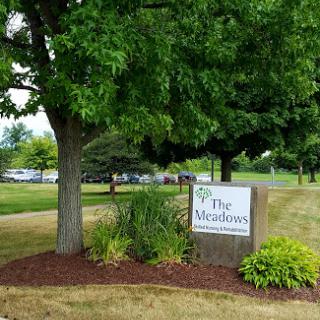
Nevertheless, the community is not defined solely by controversy. Testimonies celebrate everyday kindness from individual staffers, genuine, dependable gestures from people like Candy, Carolyn, and Alyssa, and describe engaging activities and meaningful visits. The campus’s park-like surroundings, adjacent woods, and the option to stroll near the pool area foster a sense of normalcy and belonging that many seniors appreciate. For families evaluating a place to celebrate small victories, pursue incremental improvements in mobility, or simply remain near loved ones in a tranquil setting, the Meadows offers a compelling, if uneven, experience worth considering with disciplined due diligence.
Decision guidance is decisive: enter with eyes open and a concrete oversight plan. Schedule visits at different shifts to gauge consistency of care, demand candid conversations with front-line staff as well as the administrator and the director of nursing, and insist on a written care plan with clear escalation steps. Probe the facility’s dementia-unit policies, guardianship processes, and how resident autonomy and family visitation are protected. If uncertainties persist after touring, prioritize facilities with clearer governance, stronger weekend coverage, and a track record of consistently compassionate care. This community can deliver for rehab-focused families, but the red flags require careful vetting and a proactive plan to monitor ongoing safety and quality of life.
 130 resident community capacity
 Skilled Nursing Facility
 Air-conditioning
 Beauty salon
 Cable or satellite TV
 Computer center
 Dining room
 Fitness room
 Fully furnished
 Gaming room
 Garden
 Housekeeping services
 Kitchenette
 Move-in coordination
 Outdoor space
 Private bathrooms
 Restaurant-style dining
 Small library
 Telephone
 Wellness center
 Wi-Fi/high-speed internet available
 Community operated transportation
 12-16 hour nursing
 24-hour call system
 Activities of daily living assistance
 Assistance with bathing
 Assistance with dressing
 Assistance with transfers
 Diabetes diet
 Medication management
 Mental wellness program
 Special dietary restrictions
 Concierge services
 Planned day trips








 In-Home Care Costs in 2025: A Detailed State-by-State Exploration
 Understanding Home Health Care: A Comprehensive Guide
 Home Health Care Demystified: A Comprehensive Guide for Families and Caregivers