Residents and families repeatedly describe staff compassion and dignity-focused care.
Across reviews, families thank the nursing staff, doctors, social workers, chaplain, volunteers, and support team for kindness, patience, and respect during end-of-life care. Multiple reviewers specifically mention feeling like they were treated like family and that the staff helped them get through an extremely difficult time. Several also mention staff actions that centered on keeping patients comfortable and addressing family needs, not only medical tasks.
common18 reviews mention this
Medical communication earns trust
Many reviews highlight doctor explanations and clear check-ins during transitions.
Several families describe doctors and nurses communicating step by step—explaining treatments, answering questions, and providing updates as a loved one’s condition changed. Reviewers also mention check-ins and guidance from social workers and medical team members, including support for families as they processed what was happening. A smaller number of residents’ stories include moments when care communication fell short, which shows up as an exception to the otherwise consistent tone of reassurance.
common26 reviews mention this
Peaceful setting helps families cope
Families frequently point to the calm, beautiful environment as part of the comfort.
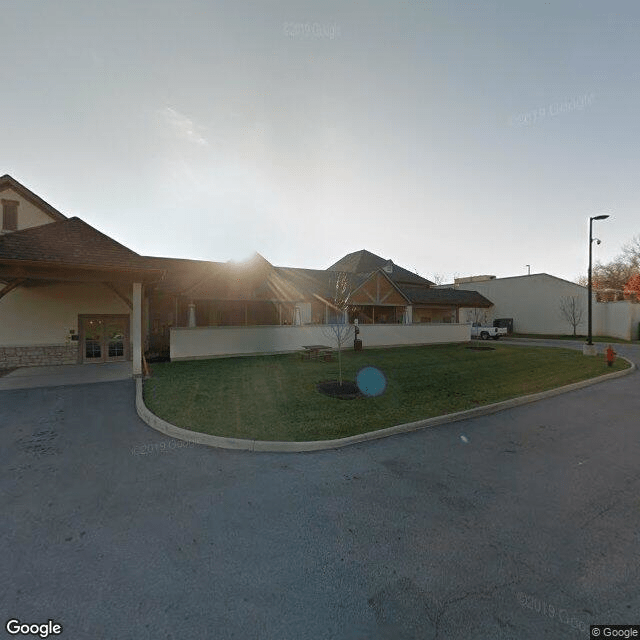
Reviews commonly describe Kobacker House as serene and peaceful, with gardens, patios, and landscaping that make visits feel more bearable. Multiple people say the facility felt welcoming for visitors as well as for patients, with spaces that supported quiet reflection. Even when reviewers share painful experiences, they often return to the atmosphere as a reason the time felt more respectful and less clinical.
differentiator9 reviews mention this
Visitor comfort amenities stand out
Families describe on-site conveniences that make it easier to stay and support loved ones.
Beyond patient care, several reviews mention practical support for families, including access to food and drink while staying overnight or during visits. Some reviewers describe being able to use a kitchen/food access and a visitor break space, and they also mention being shown where to get refreshments and how family arrangements work. Reviewers also point to comfort-focused family facilities like showers for families and room setups that allow families to remain present, which is highlighted as meaningful during grief.
caveat4 reviews mention this
Bed availability and bedside conduct vary
A few reviews report problems with availability and compassion during care.
While most reviews are strongly positive, a small number describe issues that directly affected care planning, including being told there was no bed available after scheduled respite time. Other critical reviews describe conduct and decision-making concerns, including perceived lack of compassion or disputes about how information and authority were handled. One mixed review also mentions a single period where staff support felt insufficient compared with the rest of the experience.
How we summarize
Counts show how many written reviews mention each theme; a review can touch several themes, and only frequently mentioned themes are displayed.
Features
Types of Care
Skilled Nursing Facility
Transportation
John Glenn Columbus International Airport (8 miles away)
Care Services
High acuity care
Nearby Places of Interest
This part of Columbus, Ohio, offers a convenient and diverse range of amenities for senior living. With various medical facilities such as Mid Oh Cardiology & Vascular, OhioHealth Riverside Family Practice, and Central Ohio Primary Care nearby, seniors can easily access quality healthcare services. The proximity to Ohio Health and OSU Harding Hospital ensures quick access to specialized medical care when needed. Additionally, there are several pharmacies like Kroger Pharmacy and Walgreens for medication needs. For recreation and leisure, there are beautiful parks like Whetstone Park and Antrim Park where seniors can enjoy nature walks and outdoor activities. Various dining options ranging from casual to more upscale restaurants are available, including Tensuke Market and Brassica. Places of worship such as St Andrew Church and Holy Name Church cater to spiritual needs, while cafes like Crimson Cup provide a cozy environment for socializing with friends or family. Overall, this part of Columbus offers a well-rounded community for seniors looking for a comfortable and convenient living environment.
Physicians
Mid Oh Cardiology & Vascular (0.3 miles)
OhioHealth Riverside Family Practice (0.4 miles)
Columbus Eyecare Associates (1.5 miles)
Jasonway Internal Medicine (1.5 miles)
Central Ohio Primary Care (1.6 miles)
Ohio ENT Surgeons (1.9 miles)
Forefront Dermatology Columbus, OH (2.4 miles)
Hospitals
Ohio Health (0.8 miles)
OSU Harding Hospital (3 miles)
Richard M Ross Heart Hospital (3.2 miles)
Select Specialty Hospital (4 miles)
Parks
Whetstone Park / Park of Roses (1.1 miles)
Thompson Park (1.8 miles)
Antrim Park (2.8 miles)
Carriage Place Park (3.5 miles)
Quarry Trails Metro Park (4.1 miles)
Goodale Park (4.6 miles)
Restaurants
Tensuke Market (1.1 miles)
Roosters (2 miles)
BIBIBOP Asian Grill (2 miles)
Brassica (2.1 miles)
Arby's (2.8 miles)
Buckeye Donuts (2.9 miles)
Wendy's (3.3 miles)
Pharmacies
Kroger Pharmacy (1.2 miles)
Walgreens (1.2 miles)
CVS Pharmacy (1.4 miles)
Walgreens (1.6 miles)
CVS Pharmacy (1.8 miles)
Walgreens (2 miles)
Marc's Stores (2.1 miles)
Places of Worship
St Andrew Church (1.5 miles)
Holy Name Church (2.6 miles)
St Christopher Church (3.5 miles)
Scioto Ridge United Methodist Church (3.6 miles)
Saint Brendan Catholic Church (3.8 miles)
Faith Ministries Church (5.3 miles)
Cafes
Crimson Cup (1.6 miles)
Starbucks (3.1 miles)
Starbucks (3.2 miles)
Fox in the Snow Cafe (4.2 miles)
Starbucks (5.4 miles)
Transportation
The Ohio State University Airport at Don Scott Field (OSU) (3.3 miles)
Adult day care programs offer essential support and activities for older adults, yet many hesitate to participate due to concerns about independence and stigma. To alleviate these apprehensions, families should facilitate open discussions, explore financial resources, suggest trial visits, and collaborate with healthcare providers to highlight the benefits of such services for both the participants and their caregivers.
Living wills and advance directives are crucial legal documents that outline an individual's healthcare preferences when they cannot make decisions themselves, enhancing patient autonomy and alleviating family stress during medical crises. The article emphasizes the need for these documents to be personalized, legally valid, and regularly updated, while also encouraging communication about end-of-life wishes among family members and healthcare providers.
The article examines living wills and advance directives, highlighting their significance in expressing healthcare preferences for those unable to communicate due to illness or incapacity. It discusses their historical development, legal components, limitations, practical drafting advice, and the importance of clear communication among families and healthcare professionals regarding end-of-life decisions.
Get PricingAsk A QuestionSchedule A TourContact Senior Advisor
By clicking submit, you agree to our Partner's Terms of Use. You
also consent to receive calls and texts, which may be autodialed, from our Partner. Your consent is not a condition to
using our Partner's service. Please visit our Partner's Privacy Policy for information about their privacy practices.

 Skilled Nursing Facility
 John Glenn Columbus International Airport (8 miles away)
 High acuity care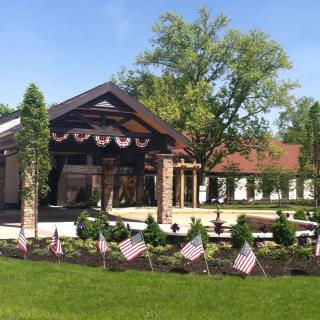
 Renovated facilities with active programs for residents.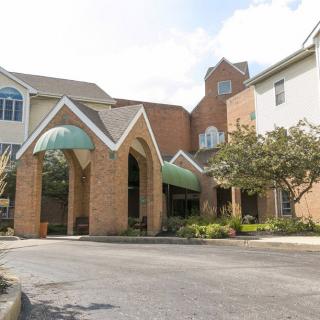


 Encouraging Participation in Adult Day Care: A Guide to Supporting a Hesitant Parent
 Comprehensive Exploration of Living Wills and Other Advance Directives
 A Detailed Exploration of Living Wills and Advance Directives