For more information about senior living options: (866) 208-4318
3.6 from 126 reviews
5 stars
75
4 stars
8
3 stars
1
2 stars
3
1 stars
39
Whetstone Rehabilitation Center Skilled Nursing and Assisted Living Costs & Pricing
Whetstone Rehabilitation Center offers a variety of skilled nursing and assisted living options at competitive pricing when compared to both Franklin County averages and statewide costs in Ohio. For a one-bedroom unit, the center's fee of $3,870 aligns closely with the county average of $3,645 but is slightly above the state average of $3,712. In terms of semi-private accommodations, Whetstone's rates range from $5,246 to $6,150, significantly higher than Franklin County's average of $4,507 and the state's average of $3,965. Private rooms at Whetstone are priced between $6,295 and $9,600, which exceeds both local and state averages ($5,499 and $4,771 respectively). Finally, the studio option is offered at $6,819 - well above both the county and state averages of approximately $3,788 and $3,727. Overall, while Whetstone provides an array of quality care options tailored to meet various needs, its pricing reflects a premium when compared to regional competitors.
Floor plans
Whetstone Rehabilitation Center Skilled Nursing and Assisted Living
Franklin County
Ohio
1 Bedroom
$3,870
$3,645
$3,712
Semi-Private
$5,246 to $6,150
$4,507
$3,965
Private
$6,295 to $9,600
$5,499
$4,771
Studio
$6,819
$3,788
$3,727
Skilled Nursing Facilities with a similar price nearby
Overall Review of Whetstone Rehabilitation Center Skilled Nursing and Assisted Living
common28 reviews mention this
Staff care and responsiveness stand out
Residents and families repeatedly describe staff as kind, attentive, and professional.
A large share of reviews focus on how caring and respectful the staff feels, including nurses, aides, therapists, and admissions. Several reviewers say staff were quick to address questions or issues and that residents felt treated with patience and dignity. A smaller number of negative reviews contrast this by describing slow help at times and inadequate follow-through when families raised concerns.
differentiator22 reviews mention this
Therapy helps residents recover
Physical and occupational therapy are a major reason people say they improved.
Many reviews credit therapy staff with helping residents regain strength and work toward going back home. People describe PT/OT as encouraging, thorough, and effective for mobility and daily functioning, and some mention speech therapy as well. Even in reviews that were critical overall, some specifically call out therapy as the best part of the stay.
common10 reviews mention this
Clean, well-kept environment
Several reviews mention the facility feels clean and well maintained.
Positive reviews frequently mention cleanliness and a well-kept feel, including descriptions of no strong odors and a comfortable environment. Some reviewers also reference room setup and updates that made them feel more at ease. Negative reviews do exist, with a recurring theme of dirty rooms or unmet basic care needs, especially when staff response was described as lacking.
caveat12 reviews mention this
Food quality is mixed
Food reviews range from good to poor, with diet follow-through questioned.
Several residents and families describe meals as good, including comments that food was better than what they had in the hospital. Others say the food was inconsistent, not hot enough, or hard to manage alongside specific health restrictions. A few critical reviews go further, describing the food as bad and linking dissatisfaction to overall experience during the stay.
common8 reviews mention this
Activities keep residents engaged
Residents describe activities as engaging and helpful for staying social.
Multiple reviews mention activities that support social time and engagement, with some highlighting particular staff involved in activities. Several reviewers say the schedule and engagement made a difference in how residents felt during recovery. A few reviews that were otherwise negative also suggest activities were discussed but not consistently experienced.
caveat14 reviews mention this
Staffing and follow-through concerns
Some reviews report understaffing and missed care needs.
The most serious negative reviews describe delayed responses to call lights, lack of help with basic care, and problems with room upkeep or supplies. Some reviewers specifically mention concerns related to hygiene, bathing, and communication across shifts, along with frustration that issues were not resolved after being raised. A few reviews also include severe claims of neglect and safety problems, which directly conflict with the broader pattern of positive care described in other reviews.
How we summarize
Counts show how many written reviews mention each theme; a review can touch several themes, and only frequently mentioned themes are displayed.
Features
Types of Care
Assisted Living
Skilled Nursing Facility
Amenities
Activities off-site
Activities on-site
Air-conditioning
Bath tubs
Beautician on-site
Devotional services off-site
Devotional services on-site
Ground floor units
Handicap accessible
Indoor common areas
Kitchenette
Outdoor common areas
Private
Respite or short term stays offered
Wheelchair accessible showers
Transportation
John Glenn Columbus International Airport (8 miles away)
Care Services
Diabetic care
High acuity care
Incontinence care
Medication management
Dining
Gluten-free
Guest meals
International cuisine
Kosher
Low / no sodium
Meals provided
No Sugar
Organic
Professional chef
Room service
Vegan
Vegetarian
Activities
Activities off-site
Activities on-site
BBQs or picnics
Birthday parties
Devotional activities offsite
Devotional activities on-site
Happy hour
Holiday parties
Live dance or theater performances
Live musical performances
Nearby Places of Interest
This part of Columbus, Ohio offers a convenient location with easy access to medical facilities such as Mid Oh Cardiology & Vascular and OhioHealth Riverside Family Practice. The area is also home to reputable hospitals like Ohio Health and OSU Harding Hospital, providing peace of mind for seniors in need of healthcare services. With several pharmacies nearby, including Kroger Pharmacy and CVS Pharmacy, medication management is easily accessible. Additionally, the abundance of parks such as Whetstone Park / Park of Roses and Thompson Park provide opportunities for outdoor recreation and relaxation. There are also various cafes and restaurants within a short distance, offering a variety of dining options. Places of worship like St Andrew Church and transportation options like The Ohio State University Airport at Don Scott Field further contribute to the convenience and comfort of senior living in this area.
Physicians
Mid Oh Cardiology & Vascular (0.1 miles)
OhioHealth Riverside Family Practice (0.4 miles)
Columbus Eyecare Associates (1.6 miles)
Jasonway Internal Medicine (1.7 miles)
Central Ohio Primary Care (1.7 miles)
Ohio ENT Surgeons (2.1 miles)
Martha Moorehouse Medical Pavillion Lung and Allergy Center (2.4 miles)
Hospitals
Ohio Health (0.5 miles)
OSU Harding Hospital (2.8 miles)
Richard M Ross Heart Hospital (2.9 miles)
Select Specialty Hospital (3.7 miles)
Parks
Whetstone Park / Park of Roses (0.7 miles)
Thompson Park (2.3 miles)
Antrim Park (3 miles)
Carriage Place Park (3.9 miles)
Goodale Park (4.4 miles)
Quarry Trails Metro Park (4.4 miles)
Scioto Mile - Promenade/Riverfront (5.5 miles)
Pharmacies
Kroger Pharmacy (0.7 miles)
Walgreens (1.6 miles)
CVS Pharmacy (1.7 miles)
Walgreens (1.9 miles)
Walgreens (1.9 miles)
CVS Pharmacy (2 miles)
CVS Pharmacy (2.3 miles)
Cafes
Crimson Cup (1.4 miles)
Starbucks (3 miles)
Starbucks (3.1 miles)
Fox in the Snow Cafe (3.9 miles)
One Line Coffee (5.6 miles)
Restaurants
Tensuke Market (1.5 miles)
Brassica (2.2 miles)
Roosters (2.4 miles)
BIBIBOP Asian Grill (2.4 miles)
Buckeye Donuts (2.6 miles)
Wendy's (3.2 miles)
Arby's (3.2 miles)
Places of Worship
St Andrew Church (2 miles)
Holy Name Church (2.2 miles)
St Christopher Church (3.5 miles)
Scioto Ridge United Methodist Church (4 miles)
Saint Brendan Catholic Church (4.3 miles)
Faith Ministries Church (4.8 miles)
Transportation
The Ohio State University Airport at Don Scott Field (OSU) (3.6 miles)
Whetstone Rehabilitation Center offers a variety of skilled nursing and assisted living options at competitive pricing when compared to both Franklin County averages and statewide costs in Ohio. For a one-bedroom unit, the center's fee of $3,870 aligns closely with the county average of $3,645 but is slightly above the state average of $3,712. In terms of semi-private accommodations, Whetstone's rates range from $5,246 to $6,150, significantly higher than Franklin County's average of $4,507 and the state's average of $3,965. Private rooms at Whetstone are priced between $6,295 and $9,600, which exceeds both local and state averages ($5,499 and $4,771 respectively). Finally, the studio option is offered at $6,819 - well above both the county and state averages of approximately $3,788 and $3,727. Overall, while Whetstone provides an array of quality care options tailored to meet various needs, its pricing reflects a premium when compared to regional competitors.
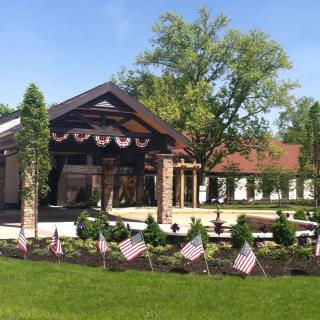
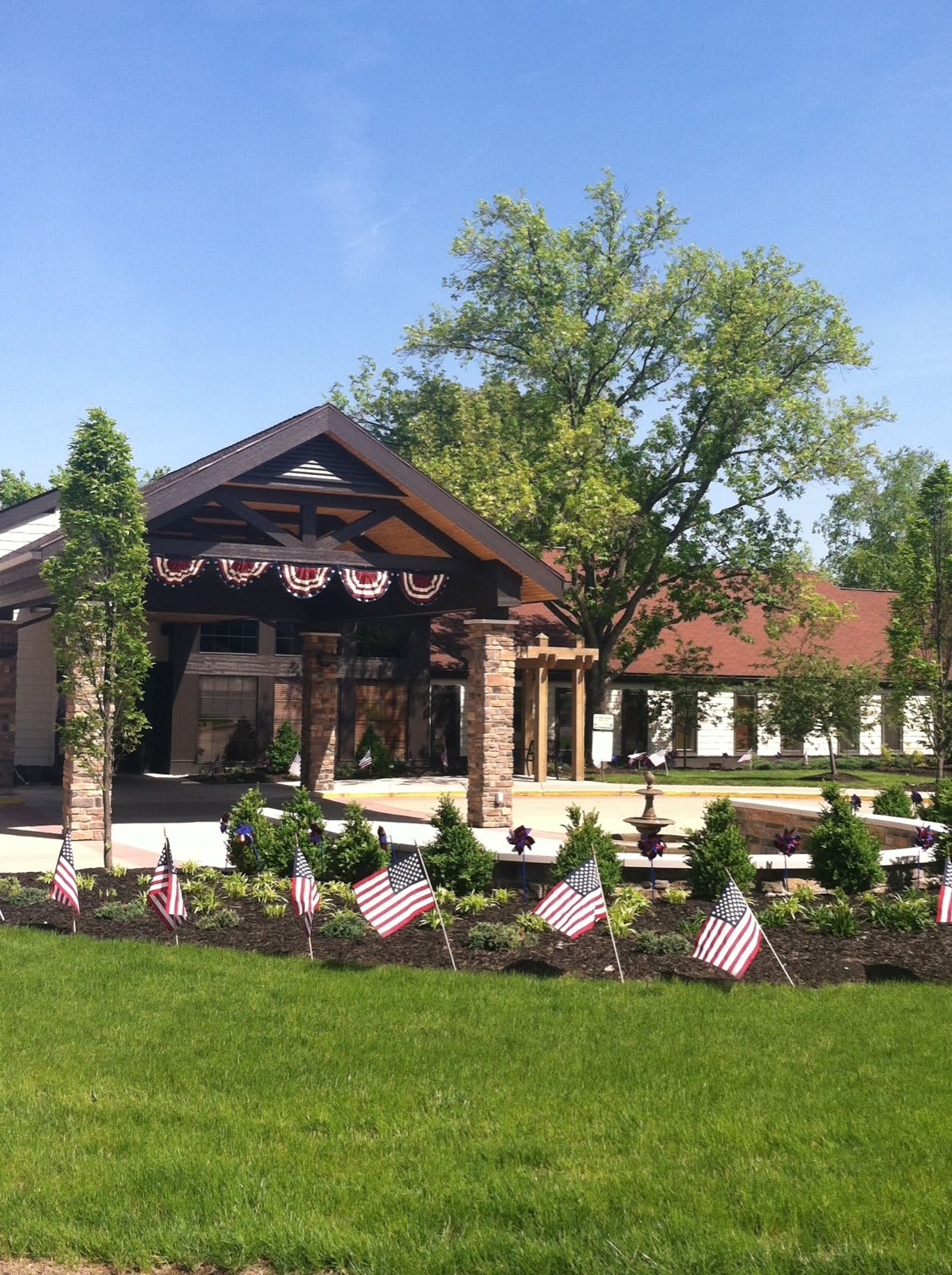
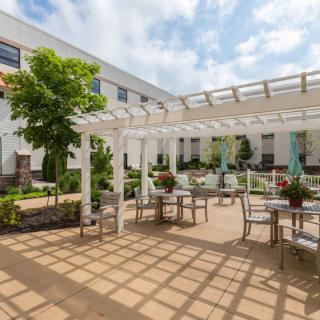
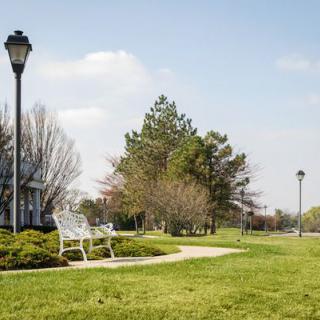
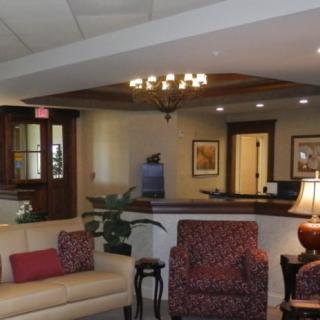
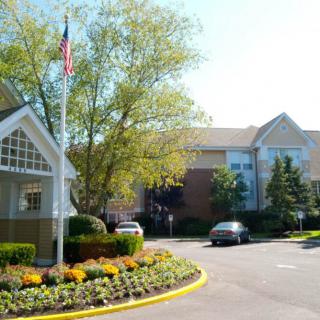
Whetstone Rehabilitation Center Skilled Nursing and Assisted Living on seniors.fyi includes 4 photos including images showing healthcare, architecture, physical therapy, exercise, treadmill, rehabilitation, building, flag, and more.
Nearby Communities
Gardens At Whetstone
Columbus, OH
3.6 from 101 reviews
Comprehensive care options and ample amenities.
Kobacker House
Columbus, OH
4.6 from 103 reviews
Well-maintained, inviting facility with supportive dining staff and convenient access to nearby amenities.
HomeLife Care, LLC
Columbus, OH
5 from 1 review
Excellent access to healthcare and nearby amenities.
Comfort Keepers
Columbus, OH
4.7 from 14 reviews
Loving, reliable caregivers with 24/7 availability.
The Forum at Knightsbridge
Columbus, OH
4.2 from 183 reviews
$3,100 to $4,000 / month
Caring staff in a safe, active community.
Forum At Knightsbridge
Columbus, OH
4.1 from 73 reviews
Specialized memory and diabetes care with inviting indoor spaces and nearby amenities.
Abbington of Arlington
Columbus, OH
4.6 from 68 reviews
$3,600 / month
Friendly, responsive staff in a clean, well-equipped, pet-friendly community with engaging activities.
First Community Village
Columbus, OH
3.9 from 108 reviews
$3,600 to $5,000 / month
Beautiful setting with extensive amenities and a broad continuum of care plus engaging resident programs.
Bickford of Worthington
Columbus, OH
4.6 from 80 reviews
$3,346 to $4,258 / month
Friendly, caring staff and a warm, home-like setting with engaging activities.
Assisted living facilities provide support for older adults needing help with daily activities without extensive medical care, but their costs can be high and vary by location and services offered. Families often seek various funding options and financial strategies to manage these expenses effectively while considering future needs and potential price increases.
The article discusses assisted living expenses, the importance of long-term care insurance in covering these costs, and various financing options, highlighting the need for careful policy review and early planning to address potential needs. It also clarifies common misconceptions about Medicare and private health insurance limitations regarding long-term care coverage.
Assisted living facilities offer crucial support for older adults needing help with daily activities but come with varying and significant costs, which can be financed through personal savings, government assistance programs, long-term care insurance, and home equity options. Professional guidance from experts can aid families in navigating these financial complexities to establish a sustainable budgeting approach for assisted living services.
Whetstone Rehabilitation Center Skilled Nursing and Assisted Living photos
×
Outdoors
Healthcare
Landscaping, Building, Architecture, Outdoors, and Flag
Healthcare
Rehabilitation, Physical Therapy, Exercise, and Treadmill
Get PricingAsk A QuestionSchedule A TourContact Senior Advisor
By clicking submit, you agree to our Partner's Terms of Use. You
also consent to receive calls and texts, which may be autodialed, from our Partner. Your consent is not a condition to
using our Partner's service. Please visit our Partner's Privacy Policy for information about their privacy practices.




 Assisted Living
 Skilled Nursing Facility
 Activities off-site
 Air-conditioning
 Bath tubs
 Beautician on-site
 Devotional services off-site
 Ground floor units
 Handicap accessible
 Indoor common areas
 Kitchenette
 Outdoor common areas
 Private
 Respite or short term stays offered
 Wheelchair accessible showers
 John Glenn Columbus International Airport (8 miles away)
 Diabetic care
 High acuity care
 Incontinence care
 Medication management
 Gluten-free
 BBQs or picnics
 Birthday parties
 Happy hour
 Live dance or theater performances
 Live musical performances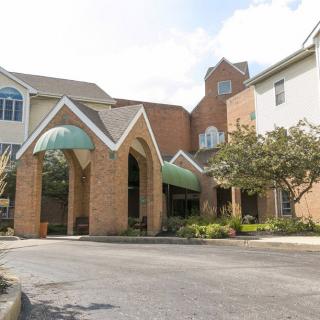
 Comprehensive care options and ample amenities.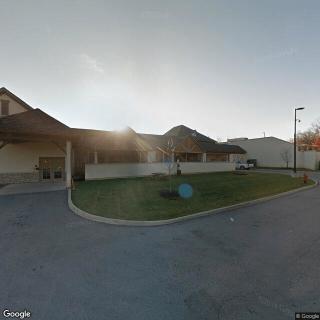
 Funding and Affording Assisted Living: A Thorough Overview
 Assisted Living Expenses and Long-Term Care Insurance: A Comprehensive Exploration
 Securing Financial Support for Assisted Living: A Comprehensive Overview