For more information about senior living options: (866) 208-4318
2.1 from 46 reviews
5 stars
10
4 stars
1
3 stars
3
2 stars
2
1 stars
30
Overall Review of Columbus Healthcare Center
caveat5 reviews mention this
Medication issues raise red flags
Several residents and families describe serious medication problems.
Multiple reviews describe delays or failures around medication, including being told medications were not provided and call-and-response problems when medication was needed. Other reviewers report mix-ups, such as someone else’s medication being given, medication being misplaced, or medications not being prepared for departure. One reviewer also describes concerns about medication timing interfering with therapy. Even where some staff are praised, these medication concerns are a recurring source of fear and frustration for families.
caveat6 reviews mention this
Cleanliness and hygiene complaints
Residents and families frequently mention hygiene and cleanliness problems.
Several reviews describe rooms and common areas that felt dirty, with comments about trash, spills, and unpleasant odors during visits. A few reviewers specifically mention residents being left in bodily fluids for extended periods. Others describe a lack of basic upkeep such as not keeping wounds clean or bandaged and rooms not being cleaned after arrival. Taken together, cleanliness issues show up as a repeated concern alongside safety and quality-of-care worries.
caveat6 reviews mention this
Food quality disappoints families
Dining quality is a common point of complaint.
Reviews repeatedly describe food as mediocre, unappetizing, or even cold, with families saying it did not support recovery needs. Some reviewers also connect food to bigger service problems, like meals taking a long time to arrive or food trays being left out. One review notes weight loss during a stay, attributing it to poor nutrition. Even when other parts of care were described as better, food remained a recurring negative theme.
Some reviewers report that staff did not respond promptly to calls, including situations where call lights were ignored and requests for help went unanswered. Others mention struggling to get documentation, updates, or follow-through on requests, such as arranging needed support after a facility stay. A few families describe calling without getting the return call they expected. For many, these communication gaps add to concerns about care continuity and accountability.
common5 reviews mention this
Some caregivers and therapists help
Some residents and families describe genuinely helpful individuals.
While many reviews are sharply critical overall, several also highlight specific staff members who were helpful, took time to listen, or provided better support than others on shift. A few reviewers also say therapists did their jobs and helped with exercise and rehabilitation activities. One account credits a social worker with helping resolve problems during a difficult period. This positive feedback often appears alongside complaints about shortages, inconsistent attention, or other breakdowns, suggesting experiences can vary by person and shift.
How we summarize
Counts show how many written reviews mention each theme; a review can touch several themes, and only frequently mentioned themes are displayed.
Features
Housing
100 resident community capacity
Types of Care
Skilled Nursing Facility
Amenities
Air-conditioning
Beauty salon
Cable or satellite TV
Computer center
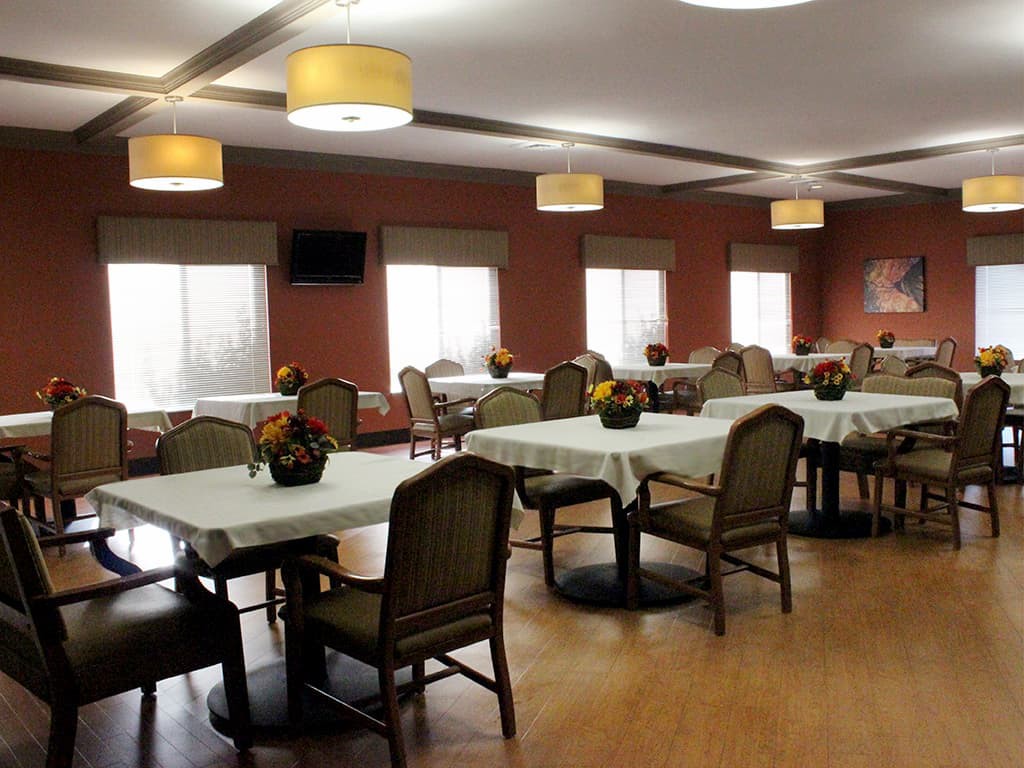
Dining room
Fitness room
Fully furnished
Gaming room
Garden
Housekeeping services
Kitchenette
Move-in coordination
Outdoor space
Private bathrooms
Restaurant-style dining
Small library
Telephone
Wellness center
Wi-Fi/high-speed internet available
Transportation
John Glenn Columbus International Airport (13 miles away)
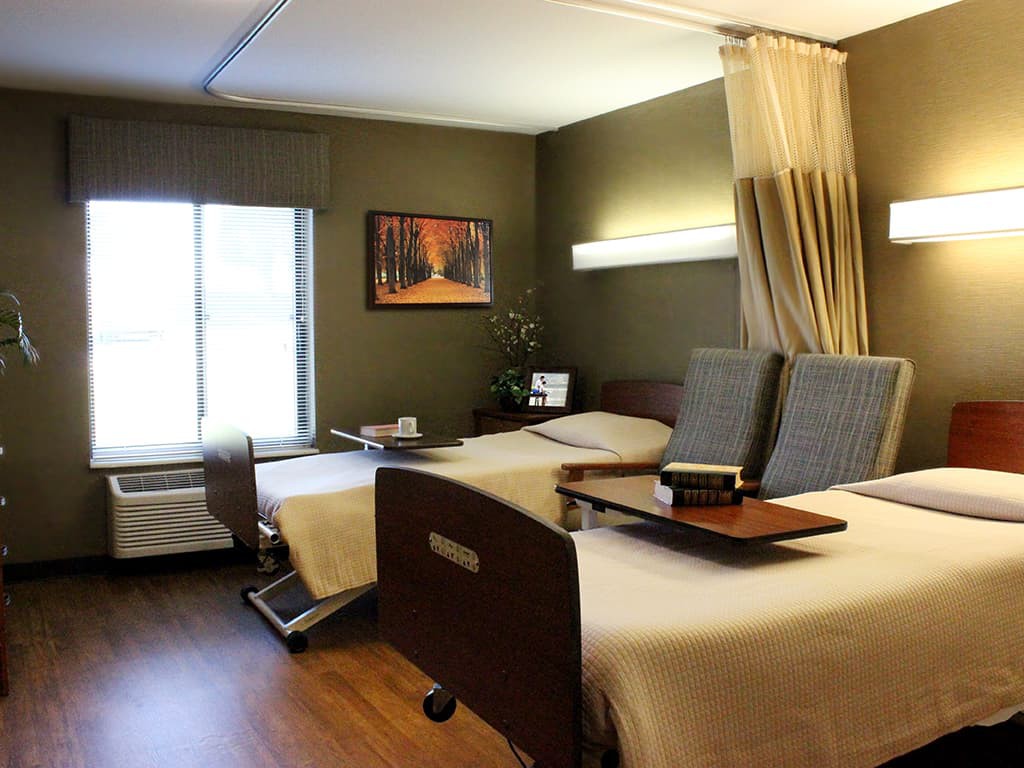
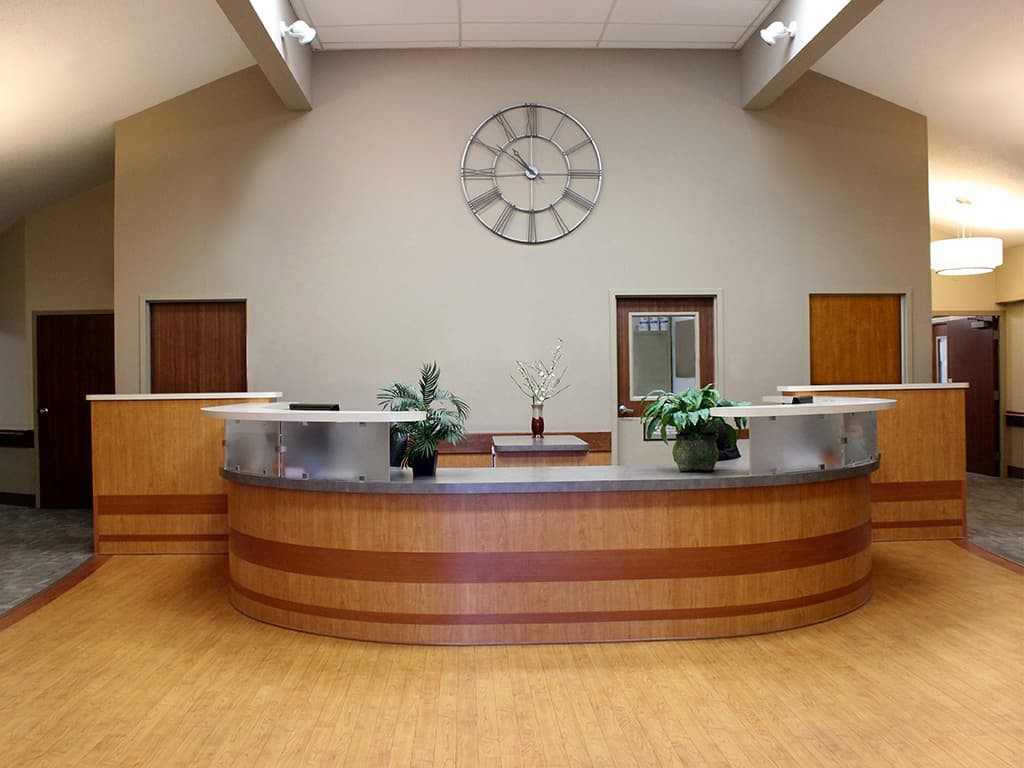
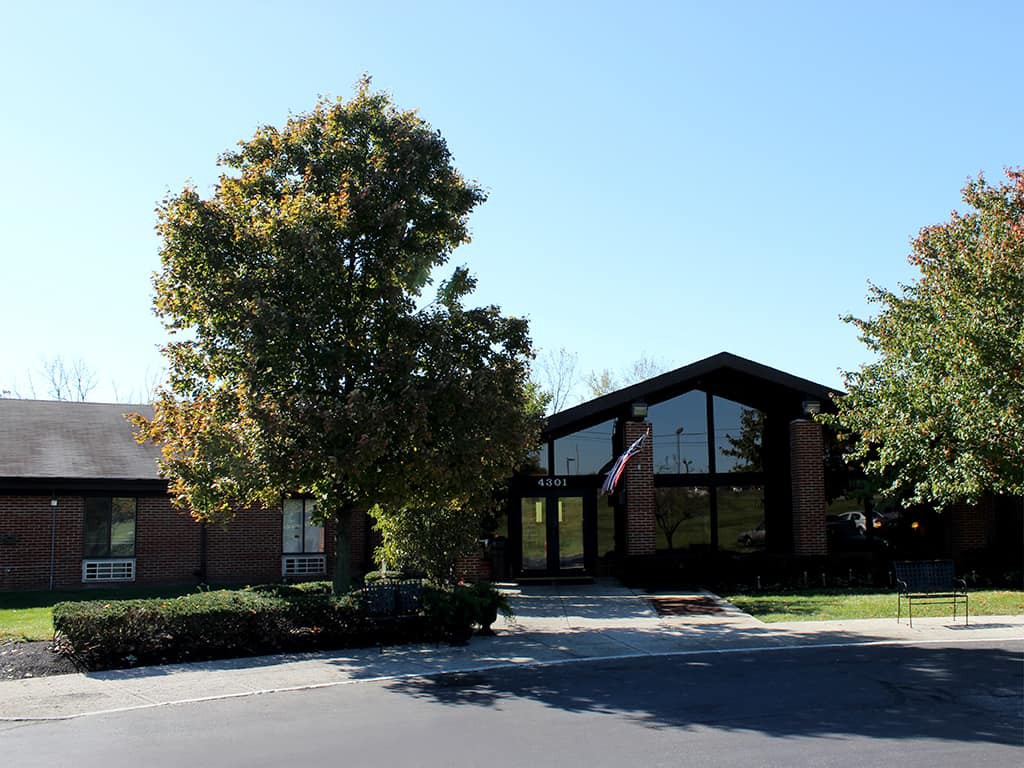
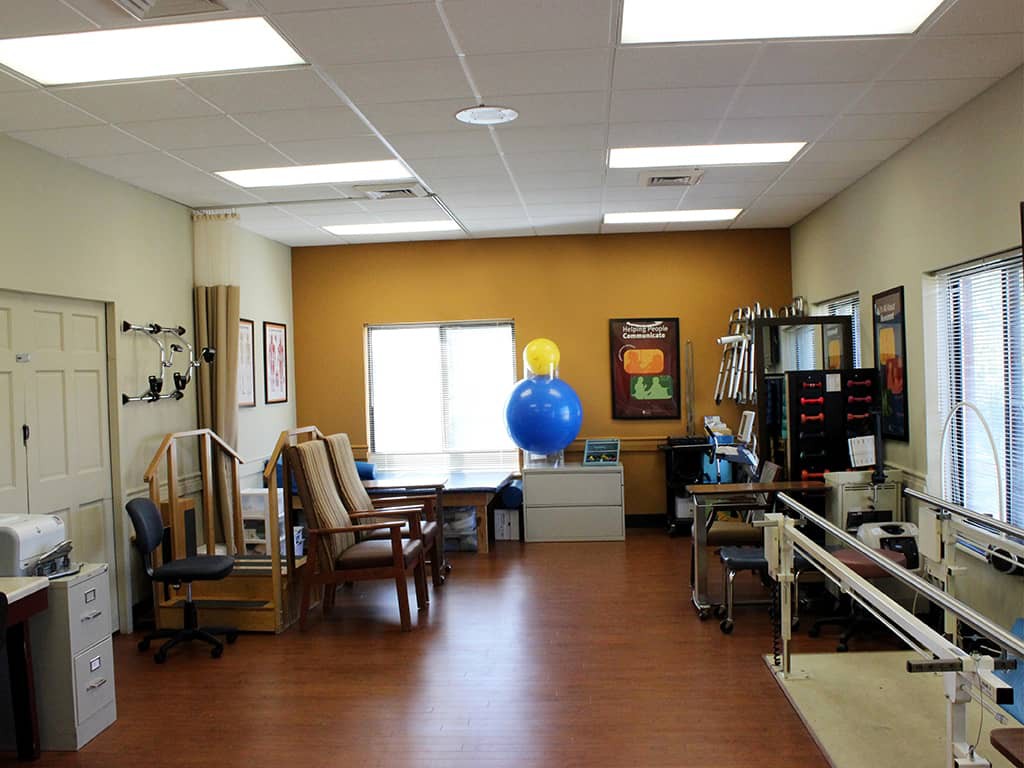
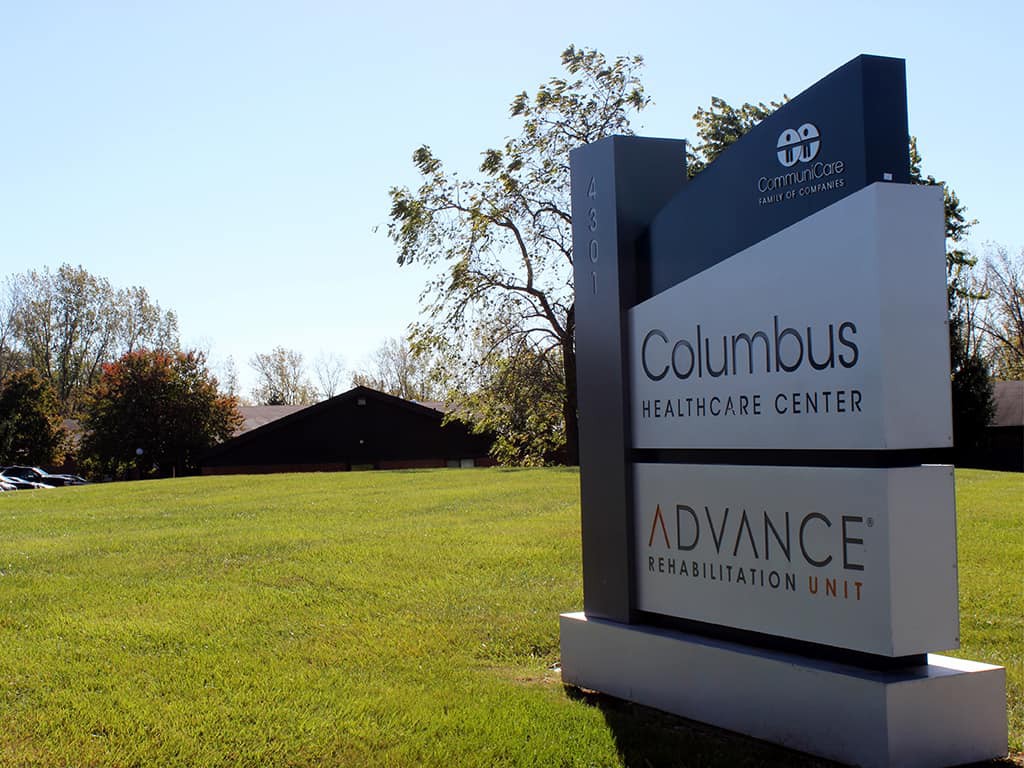
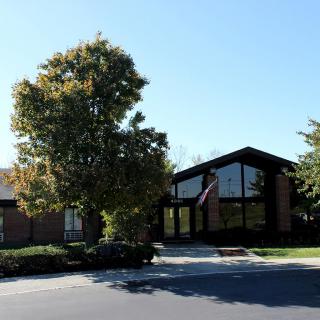
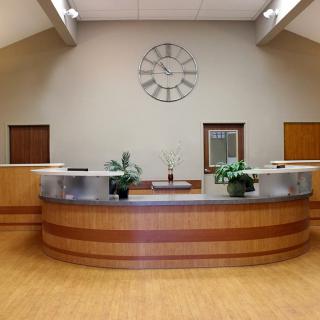
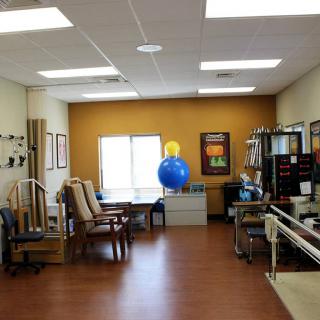
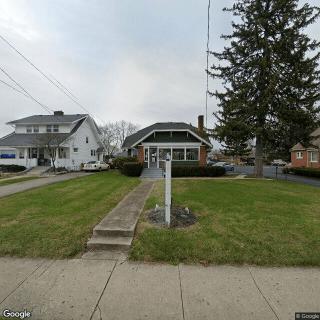
Columbus Healthcare Center on seniors.fyi includes 7 photos including images showing interior, dining, decor, building, healthcare, tree, parking, architecture, and more.
Nearby Communities
Alkire Gate
Columbus, OH
3.9 from 54 reviews
$550 to $675 / month
Pleasant, capable manager with decent upkeep.
Sunrise Family Healthcare
Columbus, OH
Convenient access to healthcare, dining, parks, and entertainment.
Lincoln Lodge Retirement Residence
Columbus, OH
3.5 from 8 reviews
$2,899 to $3,536 / month
Friendly staff and a welcoming dining atmosphere with reasonable pricing.
National Church Residences Lincoln Village
Columbus, OH
4 from 36 reviews
$2,790 to $3,900 / month
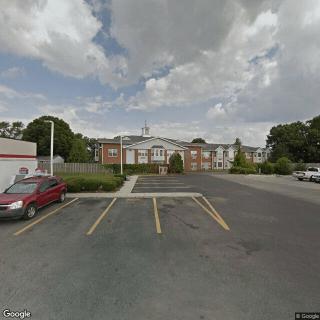
Clean, well-maintained facility with friendly staff and engaging activities.
Laurels of West Columbus
Columbus, OH
3.8 from 114 reviews
Extensive amenities and comprehensive care services, including restaurant-style dining and transportation support.
Lakes of Westdale
Galloway, OH
4.1 from 112 reviews
$615 to $5,332 / month
Affordable pricing plus robust amenities and pet-friendly policies.
Visiting Angels
Grove City, OH
4.8 from 106 reviews
Convenient Grove City location with nearby amenities and healthcare access.
The Ashford of Grove City
Grove City, OH
4 from 48 reviews
$3,545 to $4,950 / month
Beautiful, clean facility with friendly staff and engaging activities.
Homestead Village
Grove City, OH
4.5 from 26 reviews
$1,171 to $1,419 / month
Friendly staff and a welcoming, amenity-rich community.
California's Form 602A is a vital tool for evaluating the health needs of seniors seeking residential care, detailing their medical conditions and daily living requirements to ensure proper service alignment. This standardized form enhances communication among physicians, families, and facilities, serving as a regulatory measure for admissions and ongoing care while adapting to changing healthcare practices.
The overview of blood pressure management for seniors emphasizes the importance of monitoring and interpreting blood pressure readings, noting that normal ranges can vary due to age-related factors and individual health conditions. It highlights tailored guidelines for systolic and diastolic levels, the necessity of early detection and consistent management to prevent serious health complications, and advocates for personalized care strategies that incorporate lifestyle changes and medication adherence.
Dogs can greatly improve the lives of older adults by offering emotional support and encouraging physical activity, with factors such as size, temperament, and grooming needs being crucial in selecting a suitable breed. Senior dogs often make ideal companions for this demographic, promoting social connections and requiring care routines that align with seniors' capabilities.
Get PricingAsk A QuestionSchedule A TourContact Senior Advisor
By clicking submit, you agree to our Partner's Terms of Use. You
also consent to receive calls and texts, which may be autodialed, from our Partner. Your consent is not a condition to
using our Partner's service. Please visit our Partner's Privacy Policy for information about their privacy practices.




 100 resident community capacity
 Skilled Nursing Facility
 Air-conditioning
 Beauty salon
 Cable or satellite TV
 Computer center
 Dining room
 Fitness room
 Fully furnished
 Gaming room
 Garden
 Housekeeping services
 Kitchenette
 Move-in coordination
 Outdoor space
 Private bathrooms
 Restaurant-style dining
 Small library
 Telephone
 Wellness center
 Wi-Fi/high-speed internet available
 John Glenn Columbus International Airport (13 miles away)
 Community operated transportation
 12-16 hour nursing
 24-hour call system
 Activities of daily living assistance
 Assistance with bathing
 Assistance with dressing
 Assistance with transfers
 Diabetes diet
 Medication management
 Mental wellness program
 Special dietary restrictions
 Concierge services
 Planned day trips
 Pleasant, capable manager with decent upkeep.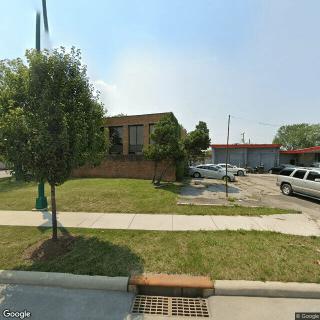



 California's Form 602A: An In-Depth Examination of Senior Care Assessment
 Comprehensive Look at Senior Blood Pressure Charts: Normal and Elevated Levels by Age
 Top Canine Companions for Older Adults