
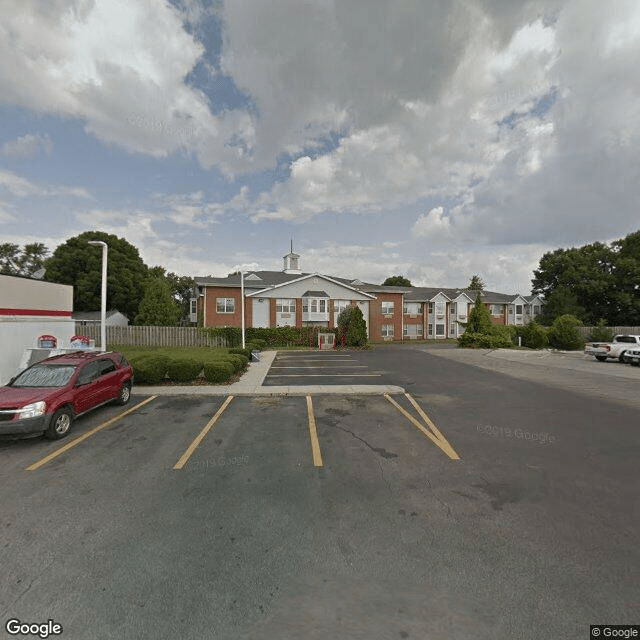
4950 West Broad Street, Columbus, OH 43228
To contact a resident: (614) 870-1123
For more information about senior living options: (866) 208-4318
Lincoln Lodge Retirement Residence Costs & Pricing
Lincoln Lodge Retirement Residence offers competitive pricing for its residents, particularly when compared to the broader market in Franklin County and the state of Ohio. For instance, a studio at Lincoln Lodge is priced at $2,899 per month, significantly lower than the county average of $3,788 and the state average of $3,727. Similarly, their one-bedroom units are available for $3,536, which also undercuts both the Franklin County rate of $3,645 and the Ohio average of $3,712. These figures highlight Lincoln Lodge's commitment to providing quality care and comfortable living arrangements at a more accessible cost than many other options in the region.
| Floor plans | Lincoln Lodge Retirement Residence | Franklin County | Ohio |
|---|---|---|---|
| Studio | $2,899 | $3,788 | $3,727 |
| 1 Bedroom | $3,536 | $3,645 | $3,712 |
Independent Living communities with a similar price nearby
-
from -$489 / mo
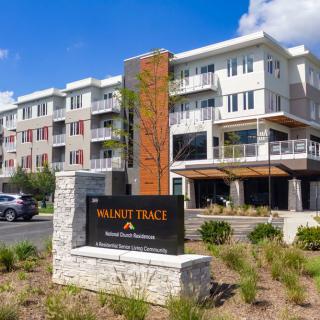
Walnut Trace
$2,410 to $7,635 / month16.0 miles away -
from -$99 / mo
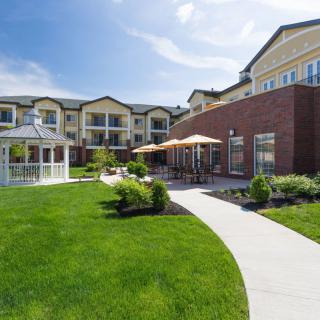
StoryPoint Powell South
$2,800 to $5,000 / month15.4 miles away -
from +$427 / mo
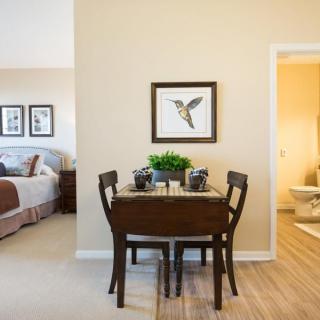
StoryPoint Pickerington
$3,326 to $4,436 / month20.6 miles away -
from -$229 / mo
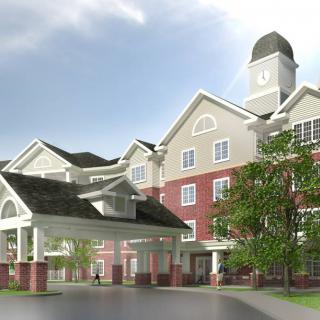
Inniswood Village
$2,670 to $4,610 / month16.4 miles away -
from +$261 / mo
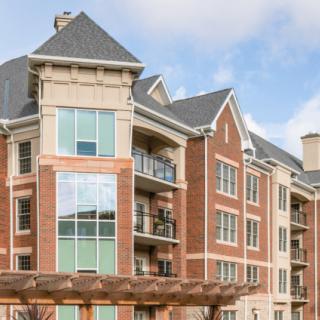
Friendship Village of Dublin, a CCRC
$3,160 to $6,495 / month9.5 miles away
Overall Review of Lincoln Lodge Retirement Residence
Pros
 The building is being made nice.
- The community seems very nice.
- It is clean.
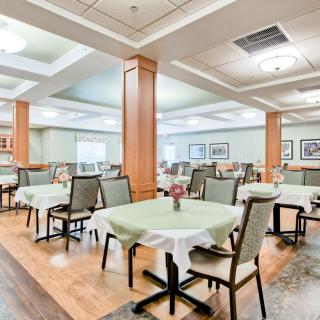
- The dining room gave a great feeling.
- The cooks were very friendly and helpful.
- The price was manageable.
- It offers a little bit of everything, including assisted living, a nursing home, senior housing, and a pool.
- The staff were wonderful and made guests feel comfortable.
Cons
 Their service is terrible.
- They have done nothing for service.
- They cannot keep help there.
- The basement was not very nice.
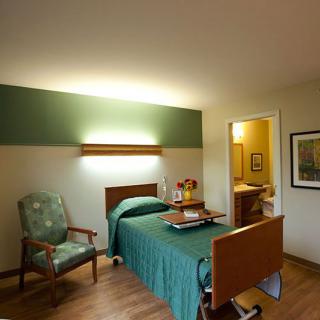
- The rooms are rather small.
- The bedroom was part of the living room, which was inadequate.
- The facility had only one suite, which was inadequate.
- They had no vacancies.
Review
Lincoln Lodge Retirement Residence in Columbus is best suited for seniors who want a campus-style option that bundles assisted living, a nursing option, and independent senior housing all in one place, with a price that families can manage. It works well for those who value a warm dining atmosphere and a clean, approachable environment, and who anticipate staying on site as care needs evolve rather than moving to a different building. The community’s balance of services is attractive to families seeking continuity of care on a single campus, rather than juggling multiple facilities.
Those who should consider alternatives include couples needing two distinct living spaces with kitchens, or residents who desire more generous square footage and true in-unit kitchen facilities. If a consistently high service culture is non-negotiable, this campus may pose a risk given reports of service challenges tied to ownership changes. Families prioritizing robust, visible activity programming and a consistently responsive staff should compare other options where programming and staffing patterns are steadier.
On the plus side, the strongest themes across reviews are genuine warmth from staff and solid cleanliness. The dining room makes a positive impression, with friendly cooks and a welcoming mealtime atmosphere that contributes to daily comfort. The price point is described as manageable, a meaningful factor for families budgeting long-term care. The campus’ continuum, blending assisted living, potential nursing care, and senior housing, offers a built-in path to increased care without relocating, and there are indications that renovations are gradually improving the building’s look and feel.
Yet the downsides are meaningful and cannot be dismissed. Service quality appears uneven after the ownership change, with some families perceiving staffing instability and inconsistent responsiveness as persistent issues. The physical footprint also limits appeal: many units are small, with some bedrooms integrated into living spaces and no in-unit kitchenette option, which makes independent meals less convenient. The basement area reportedly feels dated, and there is limited visible programming or activities on offer, which can leave residents feeling less engaged. Occupancy dynamics have also been cited, with at least one review noting the absence of vacancies despite interest, signaling potential demand but also possible access delays.
Those strengths offset several drawbacks when stabilized conditions exist. The combination of attentive dining services, a generally clean environment, and a budget-conscious price creates a viable option for residents who prize care continuity on a single campus. If management can stabilize staffing and translate planned improvements into consistent, high-quality service, the overall value proposition rises significantly. In such a scenario, residents gain predictable meals, dependable oversight, and a smoother path through care transitions, mitigating the impact of smaller living spaces and limited in-unit conveniences.
The bottom-line recommendation is clear. Lincoln Lodge is a practical choice for families prioritizing affordability, a campus-based continuum, and a welcoming dining culture in Columbus. It is less suitable for those who require larger, more private living spaces with in-unit kitchens or for families unwilling to accept variability in service quality. Prospective residents should verify current room options and whether any two-bedroom layouts or in-unit kitchen facilities exist, and should demand candid updates on staffing stability and activity programming. Ask for a concrete plan and timeline for ongoing renovations and service improvements tied to ownership changes. With diligent vetting and a clear expectation set, Lincoln Lodge can be a solid, budget-conscious fit for residents who value care continuity and a friendly, social environment.
 Independent Living
 Cats allowed
 Dogs allowed
 Activities off-site
 Beautician on-site
 Devotional services on-site
 Indoor common areas
 Outdoor common areas
 Respite or short term stays offered
 Wheelchair accessible showers
 John Glenn Columbus International Airport (13 miles away)
 Medication management
 Meals provided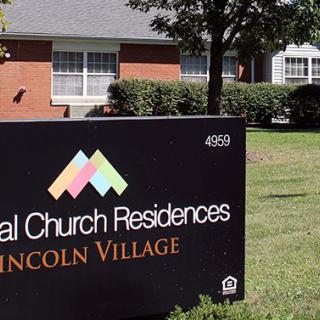

 Compassionate Conversations: How to Comfort Someone Who Is Grieving
 Home Health Care Aides: Understanding Their Role and Supporting Your Family
 Urinary Tract Infections in Older Adults: Comprehensive Insights on Symptoms, Treatment, and Prevention