
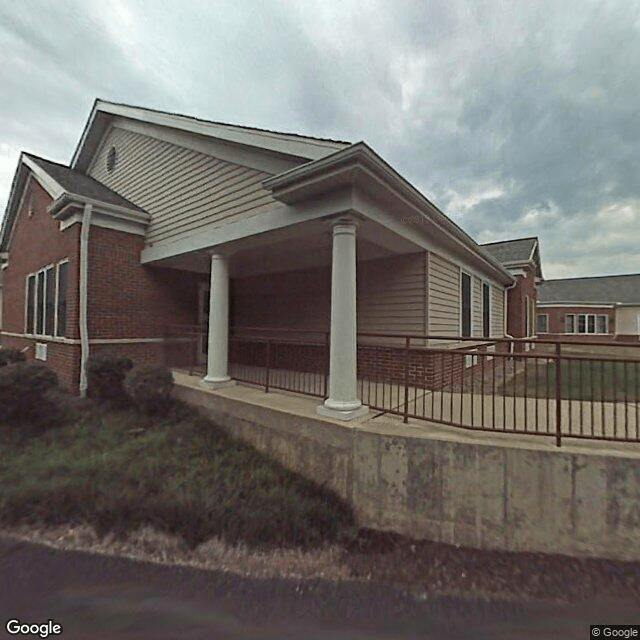
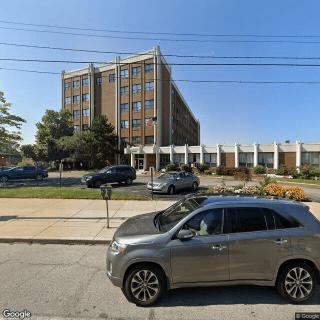
3525 Scranton Rd, Cleveland, OH 44109
To contact a resident: (216) 957-8899
For more information about senior living options: (866) 208-4318
Overall Review of Metro Health Ctr For Skilled
Pros
 Her care has been excellent.
- The staff is very attentive to her needs and wound care.
- They have always made the family feel welcome.
- He was well taken care of.
- It is one of the more decent places.
- The physical therapy staff is wonderful.
- Nina is the greatest nurse.
- Rehab is excellent.
Cons
 The staff are observed sitting around watching TV or using their phones, and even playing computer games on company computers.
- After 5 p.m., administration and staff leave, leaving nurses in charge who fail to lead by example.
- Call lights go unanswered for over an hour, and residents sit in soiled clothing while staff laugh.
- The food is described as institutional, often cold, and diets are not followed.
- Rats and bugs are present; a rat is seen in a room and a bug crawls under the bed.
- There is no linen; residents must wash up with paper towels, and rooms are not cleaned or sheets changed.
- Medications are not given until late.
- Some staff do not do their jobs; nurses and aides are seen as incompetent or careless.
- The senior administrator is perceived as flaunting power rather than addressing problems.
- The facility is described as one of the worst in Cleveland, with inadequate and subpar care.
- Families are warned not to place loved ones there.
Review
Metro Health Center for Skilled Care in Cleveland is best suited for families seeking short-term rehabilitation and targeted therapy where frontline therapists can deliver results and where there is at least some staff who consistently demonstrate care. The facility can work for residents who benefit from physical therapy and wound care, and for families prepared to stay actively involved in care coordination to offset variability in day-to-day operations. It is not a universal fit, but for those who can advocate and monitor closely, it can deliver tangible rehab gains in the right circumstances.
Pros in this setting tilt toward the rehabilitation experience and specific staff strengths. Several reviews single out the therapy team as a bright spot, with therapists delivering skilled, attentive work that helps patients regain mobility. In some cases, nurses and physicians on the unit have listened, communicated promptly, and notified families when concerns arose, contributing to meaningful progress during recovery. For families dealing with complex medical needs, there are instances of responsive wound care and discharge planning that can support a successful transition home when care coordination is actively managed. When the right staff members are engaged, the care quality on the therapy side can be genuinely helpful.
Yet these strengths do not erase the persistent, system-wide challenges that color the overall experience. The most glaring issues revolve around staffing consistency, communication, and timely medical administration. Multiple accounts describe call lights left unanswered for extended periods, delays in medication administration, and nurses who appear to be overwhelmed or disengaged on busier shifts. Such gaps undermine safety and comfort, especially in evenings and nights when administration leadership steps back and frontline staff bear the full burden. Cleanliness and basic hygiene also show troubling lapses in some stays, including sporadic room upkeep and sanitation concerns that heighten risk for residents with fragilities.
The mix of care quality is further complicated by leadership and organizational culture concerns. A pattern emerges of inconsistent accountability at the top, with some reports noting rigid, power-centered administration that limits responsiveness to family input and resident needs. Complaints about paperwork barriers, restricted visitation, and uneven follow-through on incidents suggest a facility where the positive moments rely heavily on a few dedicated individuals rather than a uniformly reliable team. The result is a facility that can rehabilitate well in certain moments but remain risky in others, depending on who is on duty and how well systems are managed on a given day.
Families considering Metro Health Center for Skilled should approach with a clear plan. Arrange visits during different shifts to observe how call lights are handled, what the med pass looks like, and whether aides and nurses appear consistently present and attentive. Request to speak with the unit doctor and the wound care team to gauge responsiveness and coordination. Probe the management of infections and cleanliness, instances of C-Diff and other hygiene concerns have appeared in testimony, and understanding how isolation and housekeeping are actually implemented matters. Prepare to monitor communications closely, and consider whether the family is equipped to act as ongoing advocates or can rely on a trusted external ombudsman if concerns arise.
The verdict is pragmatic and cautious: this community presents a real upside for rehabilitation-focused residents when the therapy team is engaged and the nursing staff remains competent and responsive. However, the downside is equally concrete and frequent, unreliable staffing, delayed medications, inconsistent communication, and cleanliness lapses that cannot be ignored. For long-term custodial needs or for families seeking a consistently high standard across all shifts, alternatives with steadier leadership, stronger daily operations, and proven infection control are worth comparing. If choosing Metro Health Center for Skilled, enter with explicit expectations, a plan for active oversight, and readiness to escalate concerns promptly.
 Skilled Nursing Facility
 Cleveland-Hopkins International (8 miles away)




 Navigating Medicare Coverage for In-Home Care Services
 In-Home Care Costs in 2025: A Detailed State-by-State Exploration
 Understanding Home Health Care: A Comprehensive Guide