
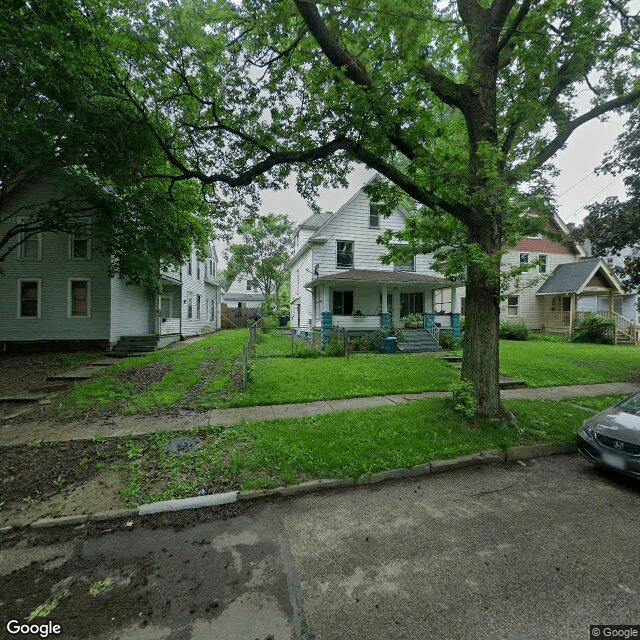
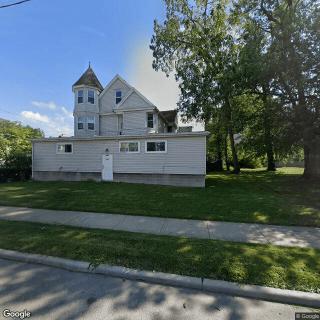
3896 West 36th Street, Cleveland, OH 44109
To contact a resident: (440) 382-8326
For more information about senior living options: (866) 208-4318
Virginia's Adult Family Home Costs & Pricing
Virginia's Adult Family Home offers a competitive pricing structure compared to Cuyahoga County and the broader state of Ohio. With private rooms available for just $1,100 per month, it stands in stark contrast to Cuyahoga County's rates, which average around $4,004 for similar accommodations. Additionally, the cost for a one-bedroom unit in Virginia mirrors that of a private room at $1,100, while Cuyahoga County charges approximately $3,410. This significant difference highlights Virginia's Adult Family Home as an appealing option for those seeking affordable care solutions without compromising on quality. The affordability may make it an attractive choice for families looking to provide their loved ones with a supportive living environment while managing their budgets effectively.
| Floor plans | Virginia's Adult Family Home | Cuyahoga County | Ohio |
|---|---|---|---|
| Private | $1,100 | $4,004 | $4,771 |
| 1 Bedroom | $1,100 | $3,410 | $3,712 |
Memory care communities with a similar price nearby
-
from -$101 / mo
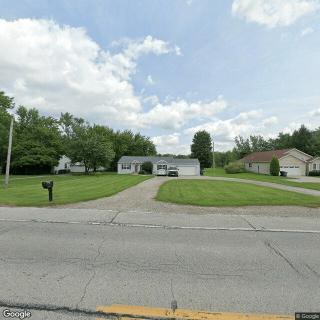
Angel Care of Solon
$999 / month15.5 miles away -
from -$150 / mo
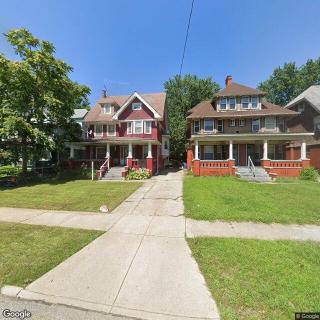
Audrey's Adult Family Home -Glenville
$950 to $1,025 / month7.1 miles away
Overall Review of Virginia's Adult Family Home
Pros
 The place is nice and the people are nice.
- The staff are caring and helpful.
- They stayed there for about seven months and enjoyed their stay.
- It’s great that the facility has cable and wifi.
- They even take residents to appointments when needed.
- Terrence, the owner, is a super nice guy.
Review
Virginia's Adult Family Home in Cleveland is best suited for seniors who want a small, homelike setting where staff know residents by name and daily routines feel predictable. The community leans into practical, person-centered care rather than a clinical, impersonal vibe. Families report a warm, welcoming atmosphere, with the hands-on involvement of the owner-operator, Terrence, translating into attentive, responsive care. That combination, gentle oversight, personal touch, and a stable, home-like routine, creates a level of trust that many families prioritize when choosing a place to grow older. It is not designed to mimic a hospital or large campus; it’s a down-to-earth home that emphasizes relationship-driven care.
Those needing 24/7 skilled nursing, intensive memory care, or an aggressively structured rehabilitation program should consider alternatives. The small-family-home model naturally centers around local caregivers rather than a broad on-site medical team, so residents who require constant clinician monitoring or frequent high-level medical interventions may find this setting insufficient. Bigger communities with formal activity calendars, more extensive on-site therapies, and ready access to specialists can offer reassurance for families facing complex care needs. Similarly, anyone seeking a wide array of on-site amenities, spa services, or a bustling campus life may be better served elsewhere.
Pros are concrete and meaningful in daily life. The staff’s caring, helpful demeanor stands out, reinforced by leadership that maintains care as a personal, non‑institutional affair. Transportation support to medical appointments is a practical lift that reduces scheduling friction and helps health plans stay on track. Cable and wifi connectivity combat isolation, keeping residents connected to news, entertainment, and family. One resident stayed seven months and found the experience worthwhile, signaling that a stable, sufficient stay is attainable without feeling like a stopover. The owner’s warmth contributes to a sense of safety, a valuable cushion when health needs fluctuate or routines become uncertain.
Yet the setting does come with limitations that matter in decision-making. The lone three‑star review hints that not every resident will find the fit absolutely perfect, underscoring that expectations and experiences can diverge. The small size and structure mean fewer on-site medical resources and less formal programming than larger assisted living communities. For individuals requiring frequent nursing oversight, advanced rehabilitative services, or dementia-centered care, gaps between offerings and needs may appear. This is not a failure of care but a reminder that homey environments cannot replicate the full spectrum of services found on bigger campuses.
That gap can be offset by the very strengths drawing families here: personal attention, flexible arrangements, and practical conveniences. Families evaluating this home should insist on clarity around staff-to-resident ratios, how care plans are developed and updated, medication management procedures, and emergency response protocols. Meet-and-greet opportunities with Terrence and the caregiving team, a tour of living areas, and a real-world discussion of meals and daily activities should be non-negotiables. Inquire about outings, responsiveness to requests, and whether schedules can adapt to changing health conditions. If immediacy of attention and a familiar, responsive environment are priorities, this home frequently delivers.
The bottom line is straightforward. Virginia's Adult Family Home is a strong match for seniors who prize a small, intimate environment where staff form real relationships, transportation to appointments is reliably arranged, and a family-like atmosphere is cultivated by active ownership. It’s especially well-suited for those who don’t require around-the-clock nursing or highly specialized medical programming but want dependable, human-scale care. Families weighing alternatives should consider larger assisted living or memory-care communities if the loved one’s needs include extensive medical oversight or dementia-focused programming. When evaluated against specific daily realities, mobility, medical needs, desired level of social programming, the fit here can be excellent or insufficient. The responsible choice hinges on aligning expectations with the resident’s actual care needs and lifestyle preferences.
 Board and Care Home
 Memory Care
 Cats allowed
 Activities off-site
 Bath tubs
 Indoor common areas
 Outdoor common areas
 Private
 Respite or short term stays offered
 Cleveland-Hopkins International (8 miles away)
 Ambulatory care
 Incontinence care
 Kosher


 A Holistic Dementia Care Guide: Effective Strategies for Memory Support
 Memory Care Pathways: A Holistic Guide to Dementia Support
 Comprehending Evening Confusion in Dementia: Causes, Manifestations, and Support