
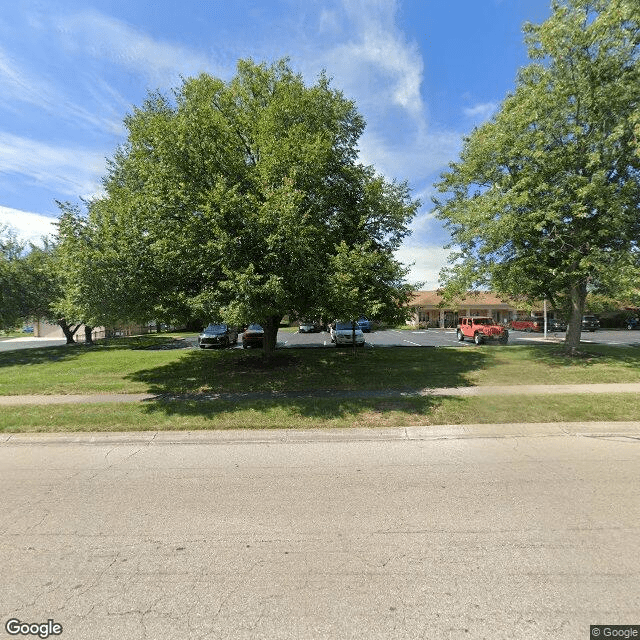
1957 N Lakeman Dr, Bellbrook, OH 45305
To contact a resident: (937) 848-8421
For more information about senior living options: (866) 208-4318
Overall Review of Pristine Senior Living & Post-Acute Care
Pros
 Pristine Senior Living is described as great for a mom recovering from knee surgery.
- The community is praised for making residents feel at home.
- A family member notes that their dad is happy at Pristine Senior Living and Post-Acute Care of Sugarcreek.
- The facility is rated 5/5 stars by reviewers.
- Families express appreciation for what Pristine Senior Living has accomplished.
Cons
 The facility needs a complete revamping, with a new attitude, new therapists, new housekeeping, and a fresh new look because it is beyond depressing.
- The staff work for money only, not because they care or want to help people.
- There are no follow-ups on doctor appointments after loved ones come from the hospital.
- Until the facility fixes itself, families are advised to take their loved ones home or to a better senior living home.
- The mother was neglected the whole time—she wasn't cleaned, left sitting in poop, and oxygen was left off, risking ICU admission.
- The nursing home is very bad, understaffed, and takes a long time to respond; not recommended.
- The facility is dangerously understaffed and run mostly by STNAs who mistake their two-week training for doctors.
- The colostomy bag is constantly overfilled and has burst on the floor.
- Residents sometimes wait over two hours for help to shift in bed or prevent falls.
Review
Pristine Senior Living & Post-Acute Care in Bellbrook is best suited for families seeking a post-acute rehab option with a homey, “feels like family” atmosphere, and who are prepared to supervise care closely. It can serve residents recovering from surgery or short-term illnesses where improvement and discharge potential are the primary goals. This community is not ideal for those needing constant, high-touch monitoring, complex medical management, or robust memory-care oversight. Families should consider alternatives if reliable staffing, consistent follow-through on medical follow-ups, and proven safety practices are non-negotiable requirements.
On the positive side, several families describe Pristine as a place that can feel welcoming and comfortable when care is engaged. Positive anecdotes emphasize a home-like environment and staff who make an effort to support loved ones during recovery from procedures such as knee surgery. For some residents and families, the atmosphere contributes to a sense of dignity and normalcy that can ease the transition from hospital to home-like living. When the rehab team is responsive and consistent, these experiential benefits can enhance motivation and mood during recovery.
Yet the downsides are substantial and repeatedly echoed. The most troubling pattern centers on understaffing and inconsistent care, with multiple accounts of delayed assistance, difficulty getting basic needs met, and uneven medical follow-through after hospital discharge. Specific concerns include lapses in essential tasks, gaps in daily care, and a perception that staff are overwhelmed or insufficiently trained to handle complex needs. Reports of rooms not being clean, critical supplies not being available, and safety issues emerging from slow response times all contribute to a sense of risk that cannot be ignored. The most severe anecdotes describe situations where residents experienced neglect or conditions that endangered their health, underscoring a troubling reliability problem.
In weighing the pros against the cons, the picture is far from clear-cut. The potential rehab gains and the comforting, home-like environment can be meaningful if every shift is adequately staffed and management enforces strong care standards. However, the reviews present a recurring mismatch: when staffing holds, outcomes tend to be more positive, yet that reality appears inconsistent across the board. The upside never fully neutralizes the core risks tied to staffing gaps, communication lapses, and safety lapses that recur in several accounts. For families prioritizing predictability and rigorous day-to-day oversight, the drawbacks are too significant to overlook.
Given the mixed track record, practical due diligence is essential before deciding. If choosing this community, plan for a thorough, multi-visit evaluation: tour at different times of day, request to meet charge nurses and supervisors, and probe specific staffing ratios, response times, and the facility’s protocol for safe positioning, feeding, and post-discharge follow-up. Ask to see recent incident or transfer documentation, demand a clear plan for daily communication with family members, and obtain a concrete commitment on how care will be monitored during transitions from hospital to post-acute care. Consider requesting a trial period or closely tracking a day-by-day care plan with assigned caregivers to verify consistency.
The bottom line is cautious: Pristine Senior Living & Post-Acute Care presents potential for positive rehab outcomes within a warm, family-oriented setting, but that potential is overshadowed by credible, recurring concerns about staffing adequacy and safety. For families where vigilance and proactive oversight can be sustained, and where the primary objective is a successful short-term recovery in a comfortable environment, the option may be worth exploring with strict oversight. For anyone who cannot tolerate the risk of intermittent neglect, delayed responses, or safety vulnerabilities, it is prudent to look for alternatives with stronger, verifiable staffing and a proven record of consistent, attentive care.
 Skilled Nursing Facility
 James M Cox Dayton International (19 miles away)






 In-Depth Look at the VA Aid and Attendance Program
 Nurturing Our Loved Ones: A Daughter's Journey in Caring for Her Mother
 Nurturing Our Elders: Linda's Journey of Supporting Her Mother