6430 Inner Mission Way, Dayton, OH 45459
For more information about senior living options: (866) 208-4318
Bethany Lutheran Village Costs & Pricing
Bethany Lutheran Village offers competitive pricing for its residential options, making it an attractive choice for potential residents. For instance, the cost of a studio apartment at Bethany is $1,400 per month, significantly lower than the average studio rates in Montgomery County at $3,476 and even more so compared to the state average of $3,727. Similarly, their one-bedroom units are priced at $2,400 monthly, which again undercuts both county and state averages of $3,599 and $3,712 respectively. Interestingly, while the two-bedroom option is priced at $3,000 per month - higher than Montgomery County's average of $2,943 - it remains lower than Ohio's overall average of $3,501. This pricing structure highlights Bethany Lutheran Village's commitment to providing affordable senior living without compromising on quality or community engagement.
| Floor plans | Bethany Lutheran Village | Montgomery County | Ohio |
|---|---|---|---|
| Studio | $1,400 | $3,476 | $3,727 |
| 1 Bedroom | $2,400 | $3,599 | $3,712 |
| 2 Bedrooms | $3,000 | $2,943 | $3,501 |
Memory care communities with a similar price nearby
-
from -$51 / mo
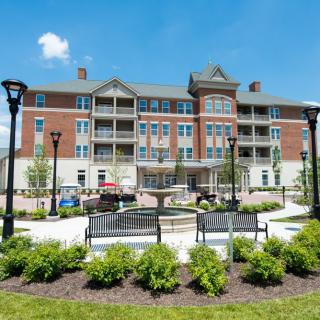
Otterbein Lebanon SeniorLife Community
$1,349 to $10,170 / month15.4 miles away -
from +$236 / mo
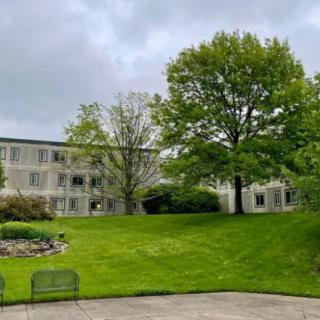
Friendship Village
$1,636 to $2,880 / month13.8 miles away
Overall Review of Bethany Lutheran Village
Pros
 Bethany Lutheran Village is lovely and accommodating, with lots of activities and a continuum of care.
- The buy-in is reasonable for the services offered.
- Annie is very helpful and well-regarded.
- The dining options are good with a wide variety.
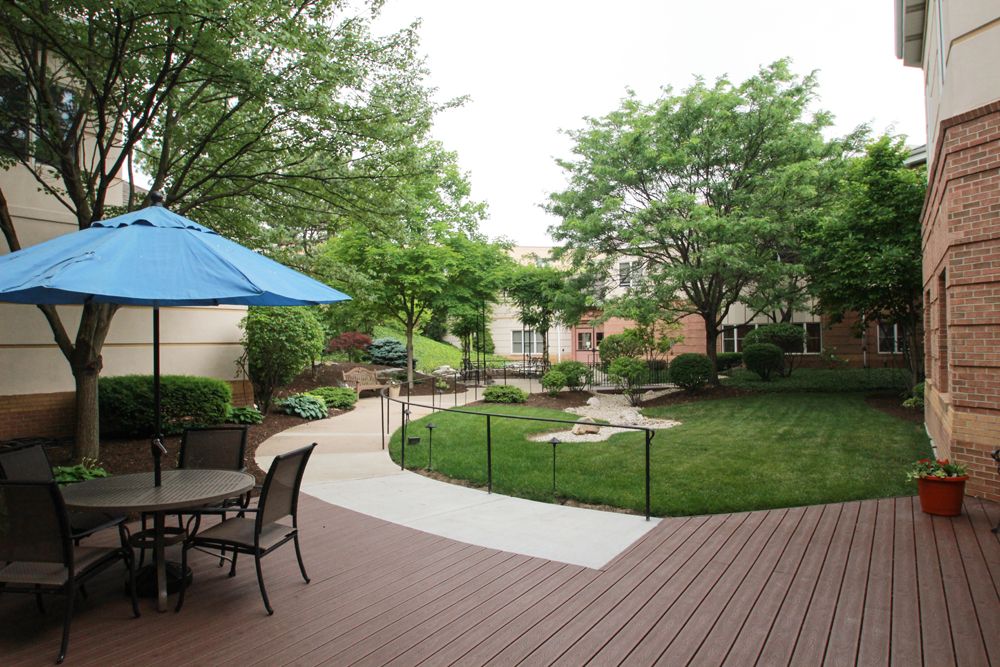
- The high-rise apartments are gorgeous and the community is well maintained.
- Residents love Bethany Village and the staff are friendly and professional.
- The rehab program is really good and helps residents get back on their feet.
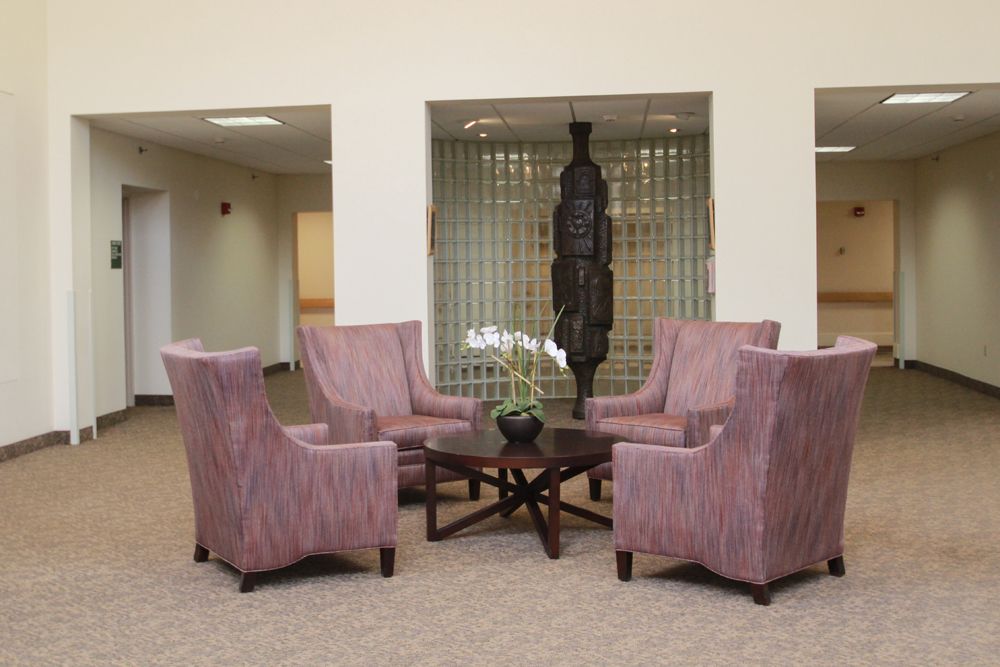
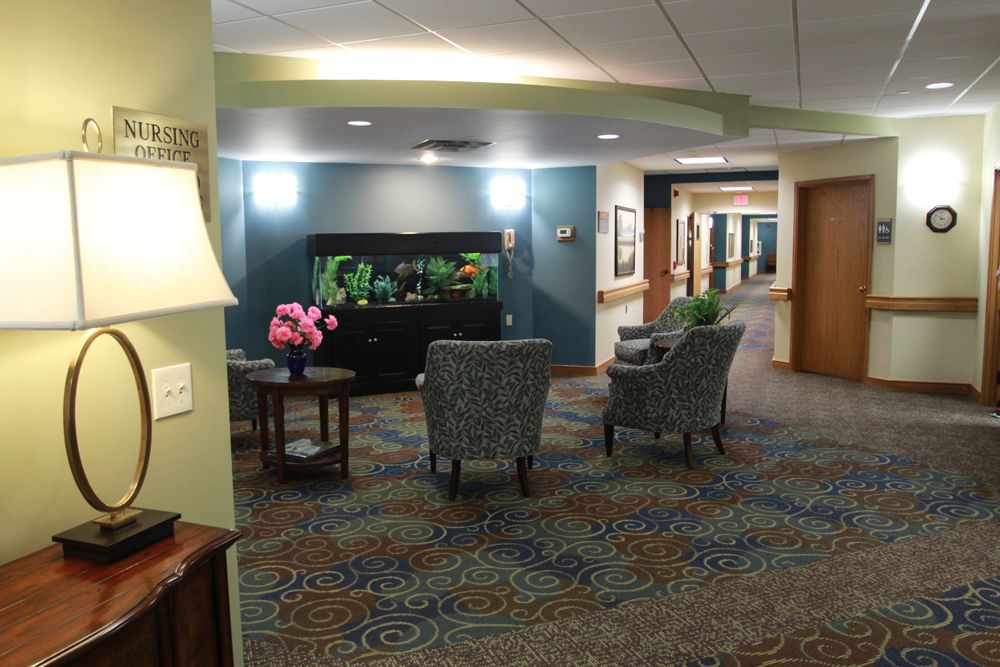
- The facility offers modern amenities, open spaces, and attractive, well-lit areas.
Cons
 The rehab center staff are overworked.
- The staff did not take the time to spoon-feed residents who couldn't feed themselves.
- They wheeled residents into the hallway, dropped a food tray in front of them, and returned 45 minutes later.
- The staff were in a hurry, rushing through their responsibilities.
- They could be grouchy and short with patients and family members.
- A head nurse inserted herself into family matters, gossiping with family members and lying to make them look bad.
- She advised medical procedures that should have come from a doctor.
- The reviewer would never return their mother to this facility.
- The facility was filled with gossip and unprofessionalism.
- There was inappropriate behavior by the staff.
- The facility misdiagnosed the patient; not to rely on in-house doctors for diagnoses.
- Rooms were dark, small, and not welcoming.
- There were delays in getting help with the restroom.
- Staff accommodated her but were not always nice about it.
- The staff performed their duties with little care for residents.
- Residents' grooming and clothing appeared neglected.
- Meals were served in a rush.
- No one seemed to take time to talk with residents.
- The Health Department cited the facility twice.
- The facility is a pretty place but badly run.
- The reviewer believes neglect led to the brother's death.
- Podiatrist visits were not ordered in a timely manner.
- The patient became malnourished and developed an MRSA infection, leading to serious outcomes.
Review
Bethany Lutheran Village in Dayton, Ohio is best suited for families seeking a true continuum of care in one campus, with a robust menu of independent living options through assisted living and skilled nursing, all supported by a buy-in arrangement. It appeals to those who want a modern, well-maintained setting, active social calendars, and the reassurance that care levels can shift without a move to a new community. Those who are highly cost-sensitive about upfront fees or who expect age-in-place certainty without transitioning to a different level of care may want to weigh alternatives. The community’s footprint is large, its campus attractive, and its amenity mix substantial enough to satisfy residents who value variety and stability in caregiving paths.
The core strength lies in the breadth of services under one roof and the deliberate pacing of care across levels. The buy-in model is positioned as a middle-ground option, more affordable than some high-cost markets, with predictable access to independent living, assisted living, memory care, and skilled nursing as needs evolve. Dining choices are a real perk: multiple dining rooms, a café, and even two full-service restaurants, all complementing a modern campus with open spaces, lake views, a gym, and a computer lab. For families planning ahead, Bethany Crossing, the newer assisted living wing, offers modern design and ample staff, which many reviewers describe as a standout feature for personalized attention and thorough supervision.
Rehab and programming emerge as a standout forte in several accounts. The facility’s activity ecosystem, from life-long learning classes to book clubs, music, and fitness, keeps residents engaged and socially connected. The rehab program is repeatedly praised for pushing residents toward recovery and returning them to daily routines with greater independence. Staff across these positive depictions are described as professional and compassionate, and the layout, large, well-lit corridors and contemporary interiors, contributes to an uplifting atmosphere. For families navigating transitions, the ease of moving from independent living into memory care or another level within the same campus can reduce the stress of relocation and create continuity in caregiving relationships.
However, the picture is not uniformly favorable. Several reviews flag critical deficiencies in some care units, especially around consistency and responsiveness. Rehab and certain nursing teams are described as overextended or hurried, with repeated complaints about delays in basic care, such as assistance with meals and daily activities. Instances of miscommunication across shifts, high staff turnover, and a lack of accountability for individual care plans surface repeatedly. On the most troubling end, accounts allege neglect and serious medical oversights, including delayed podiatry, unaddressed wounds, and even health-department citations tied to prior incidents. These narratives, while not universal, demonstrate a real risk framework that families must scrutinize closely when selecting a unit within the campus.
In weighing the pros against the cons, the strengths are substantial but not uniform across all experiences. The continuum of care, visible amenities, and engaging programming deliver meaningful value for many residents and their families, particularly when care teams are stable and communicative. The newer Bethany Crossing facility carries credibility with its staffing depth and contemporary design, mitigating some concerns about attention and oversight. Yet the more troubling anecdotes about staffing pressures, inconsistent shift-to-shift communication, and serious lapses in care cannot be dismissed. The prudent approach is to engage deeply during tours, request meetings with the direct care teams, and insist on written care plans with accountability trails. Prospective residents should also verify specifics about memory care readiness and the frequency of podiatry and physician follow-up in the unit of interest.
For families weighing Bethany Lutheran Village, the decision hinges on tolerance for risk versus reward. If the priority is a sizable, well-appointed campus that offers extensive activities, multiple dining options, and a clear, accessible path through care levels, this community stands up well. It is essential, however, to target specific neighborhoods within the campus that match expectations for staffing consistency and resident-centered care. Alternatives may be preferable for those who require exceptionally uniform care delivery, want lower upfront commitments, or prefer a model with fewer reported inconsistencies in staffing. In the end, Bethany Lutheran Village is a compelling option for those who actively participate in oversight, demand robust programming, and value a broad continuum of services under one roof. Families should enter with a clear care plan, rigorous questions, and a plan for ongoing evaluation to ensure the anticipated benefits align with real-world performance.
 22 resident community capacity
 1-bedroom apartments
 Detached homes
 Active Adult Communities (55+)
 Assisted Living
 Continuing Care Retirement Community (CCRC)
 Independent Living
 Memory Care
 Activities off-site
 Beautician on-site
 Cable or satellite TV
 Computer center
 Devotional services off-site
 Fully furnished
 Garden
 Guasts at mealtime
 Hiking trails
 Housekeeping services
 Indoor common areas
 Kitchenette
 Laundry
 Move-in coordination
 Outdoor common areas
 Overnight guests
 Private bathrooms
 Resident parking
 Respite or short term stays offered
 Wheelchair accessible showers
 Wi-Fi/high-speed internet available
 James M Cox Dayton International (18 miles away)
 Community operated transportation
 24-hour call system
 Assistance with bathing
 Assistance with dressing
 Assistance with transfers
 Diabetes diet
 Diabetic care
 Meal preparation and service
 Medication management
 Special dietary restrictions
 Fitness programs

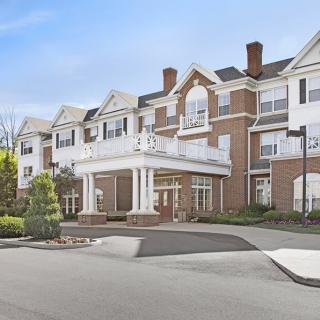
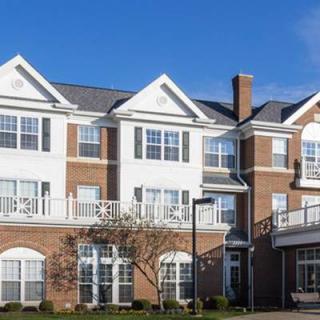

 A Holistic Dementia Care Guide: Effective Strategies for Memory Support
 Memory Care Pathways: A Holistic Guide to Dementia Support
 Comprehending Evening Confusion in Dementia: Causes, Manifestations, and Support