
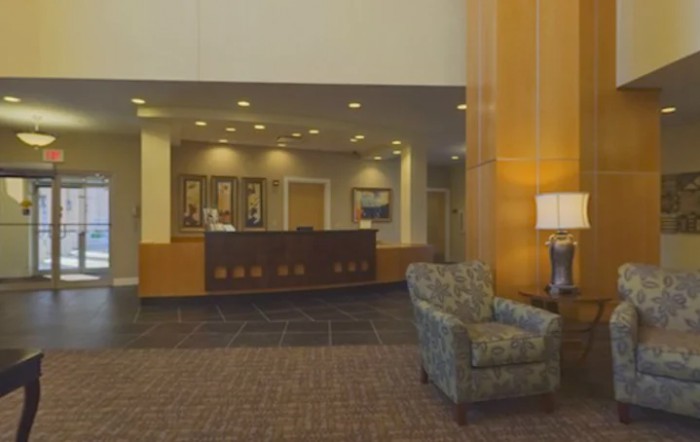

6445 Far Hills Avenue, Centerville, OH 45459
For more information about senior living options: (866) 208-4318
Bethany Village Costs & Pricing
Bethany Village offers competitive pricing for its residents, particularly when compared to broader market rates in Montgomery County and the state of Ohio. For a studio apartment, the cost at Bethany Village stands at $2,300 per month, significantly lower than both Montgomery County's average of $3,476 and Ohio's statewide average of $3,727. Similarly, for a one-bedroom unit, Bethany Village's monthly rate is $4,400; while this is slightly above Montgomery County's average of $3,599 and in line with Ohio's average of $3,712, it reflects the unique amenities and services that Bethany Village provides. Overall, the community presents an appealing value proposition for those seeking quality living options without compromising on affordability.
| Floor plans | Bethany Village | Montgomery County | Ohio |
|---|---|---|---|
| Studio | $2,300 | $3,476 | $3,727 |
| 1 Bedroom | $4,400 | $3,599 | $3,712 |
Memory care communities with a similar price nearby
-
About the same
The Wellington at Dayton
$2,295 to $5,200 / month3.5 miles away -
About the same

10 Wilmington Place
$2,295 to $6,000 / month6.0 miles away -
from +$250 / mo
Fairmont of Washington Township
$2,550 to $4,400 / month0.4 miles away -
from +$310 / mo
Ohio Living Mount Pleasant
$2,610 to $5,040 / month17.9 miles away -
from +$300 / mo
The Enclave of Springboro
$2,600 to $5,800 / month7.8 miles away
Overall Review of Bethany Village
Pros
 Bethany Village is an excellent facility.
- The staff is very helpful and they have a real good attitude.
- The facility is outstanding, and the food is good.
- It is considered the best place in the area.
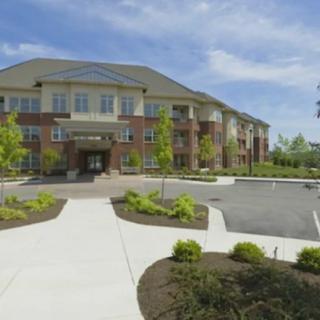
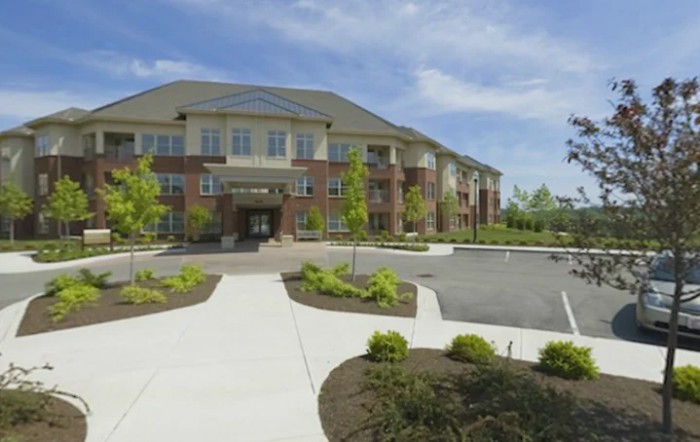
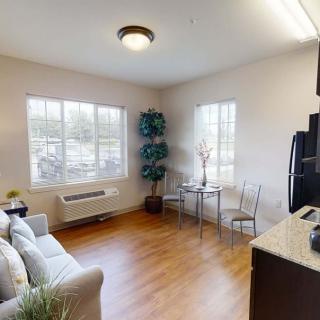
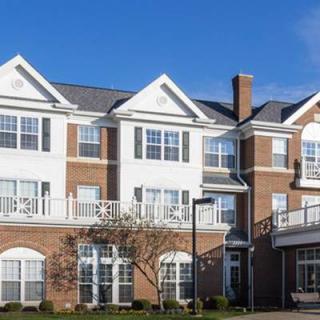
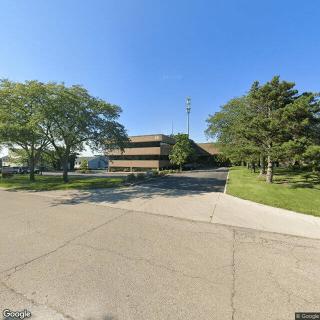
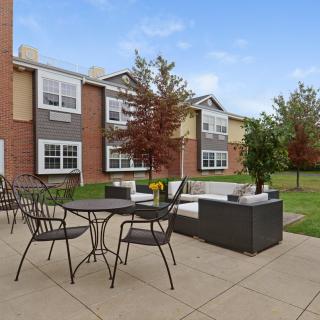
- The facility itself is beautiful from the outside, well-manicured, and landscaped.
- The move to memory care was easy.
- Everyone at Bethany Village has been professional, compassionate, and experienced.
- The rehab program is really good, and the therapy is very good.
- The care and supervision received was totally beyond reproach.
- Bethany Crossing is gorgeous, with a staff that is truly beyond belief.
- The staff is trained and experienced.
Cons
 The monthly cost is very high.
- Communication within the facility is inconsistent, making it hard to know whom to contact.
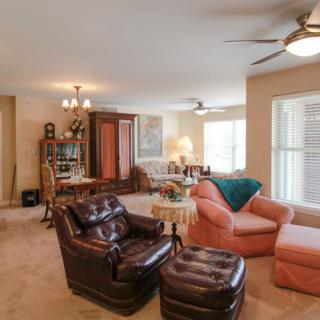
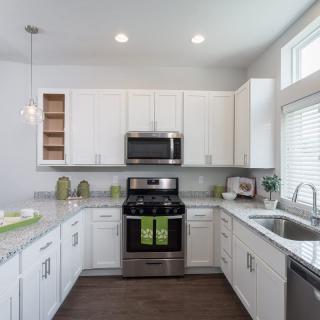
- The unit is dated and cramped, with a shared bathroom and a small room.
- A regular bath has been broken and not fixed promptly.
- Rehab staff are overworked and hurried, neglecting to feed patients.
- A head nurse gossips with family members and lies to make them look bad.
- They misdiagnosed a patient; relying on their doctors could be risky.
- There is neglect of care aides and staff preoccupied with billing and administrative tasks, risking patient safety.
Review
Bethany Village in Centerville, OH is best suited for families seeking a comprehensive, campus-style senior care option that pairs strong, approachable staff with organized care planning and a robust activities program, and that is willing to pay a premium for a facility with a proven sense of prestige and cohesion. The community shines for families who want a place with an on-site social worker, structured daily activities, and a clear pathway from short-term rehab to longer-term assisted living or memory care. Its exterior beauty and well-manicured grounds reinforce the impression of a well-resourced operation, and for many it delivers a dependable, professional experience when the goal is coordinated care and social engagement.
On the positive side, Bethany Village earns its keep with people-first staff and a deliberately organized approach. Reports consistently praise the staff’s helpful attitudes, the presence of a social worker who coordinates activities and resident needs, and regular family conferences that invite input. The facility’s daytime activity calendar, outings, and shows create a sense of community that helps residents stay engaged. The care team, particularly in the newer Bethany Crossing facility, is described as professional, compassionate, and experienced, with a depth of staffing that supports meaningful supervision and safer transitions between levels of care. The rehab program is also singled out as a strength when the goal is restoring function and getting residents back on their feet, with families noting practical, results-oriented therapy.
Yet the strongest pros must be weighed against several meaningful drawbacks. The price tag stands out, with monthly costs around $12,000, making Bethany Village a significant financial commitment. Communication can be inconsistent, especially across different teams or shifts, leaving families feeling out of the loop or unsure who to contact for updates. Not all wings or rooms meet the same standard; some units are dated or lack amenities that families expect, with concerns about maintenance and comfort in certain rooms. While the rehab program is praised by some, others report it as overburdened, with glimpses of rushed service that can frustrate families and residents alike. There are also darker narratives from other wings or past experiences, including allegations of misdiagnosis, negligence, and unprofessional behavior by staff, which create a cautionary note for families evaluating risk alongside potential reward.
Those positives do offset the negatives only in cases where the family highly prioritizes a structured, well-staffed environment and is prepared to manage the financial and communication hurdles. For households that require tight, uniform communication across every shift, the variability in team handoffs can be a deal-breaker. For families whose loved ones have more complex medical needs or a history of prior negative experiences in long-term care, the risk-reward balance may tilt toward exploring alternatives with more consistent staffing practices or stricter quality oversight. The new Bethany Crossing wing helps alleviate some concerns about staffing depth, but the broader facility’s mixed long-term reputation in certain units suggests careful due diligence is essential.
Alternatives are worth considering for families who prize clear, reliable communication, lower cost, or consistently high-quality care across all shifts and units. Other area options may provide more uniformly positive experiences in long-term care and rehabilitation, with better-tracked family communications and fewer reports of misdiagnosis or neglect. For those prioritizing intimate, smaller settings or more transparent governance, independent or family-owned facilities might offer a steadier cadence of daily interactions and direct accountability. The decision should hinge on a careful assessment of what matters most: top-tier programming and a strong care team at a premium price, or steadier communication, more uniform unit quality, and a more predictable cost framework.
In practical terms, a disciplined decision process is advised. Prospective residents should schedule multiple visits, request to meet the social worker and the admissions liaison, and tour both Bethany Crossing and the longer-standing wings to compare atmosphere, maintenance, and staffing. Ask for specific staffing ratios by shift, and inquire how monthly family conferences are executed and how family input is tracked. Probe the rehab unit with a private tour, noting meal service, aid responsiveness, and opportunities for family involvement in care planning. Finally, obtain a detailed, itemized cost breakdown, including what services are included, what triggers additional charges, and whether any financial planning or assistance options exist. This framework will reveal whether Bethany Village’s strengths align with the family’s budget, expectations, and tolerance for occasional communication gaps, or if another community would deliver a steadier, more transparent experience at a comparable level of care.
 195 resident community capacity
 Active Adult Communities (55+)
 Assisted Living
 Independent Living
 Memory Care
 Cats allowed
 Dogs allowed
 Activities off-site
 Air-conditioning
 Beautician on-site
 Cable or satellite TV
 Computer center
 Devotional services off-site
 Dining room
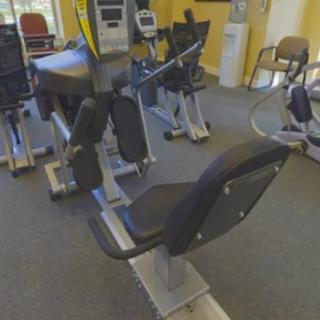
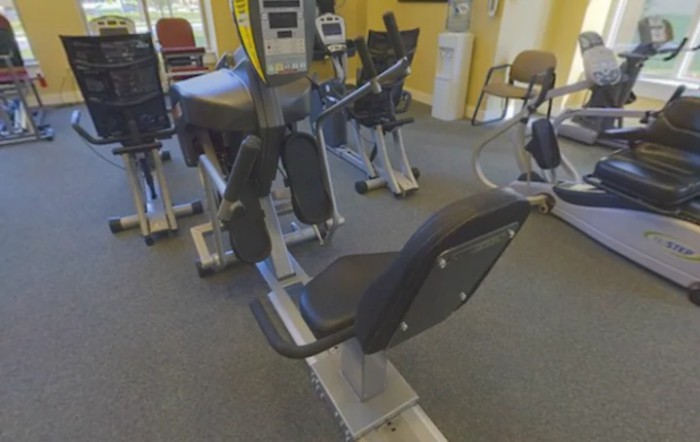
 Fitness room
 Fully furnished
 Gaming room
 Garden
 Housekeeping services
 Indoor common areas
 Kitchenette
 Move-in coordination
 Outdoor common areas
 Private bathrooms
 Respite or short term stays offered
 Restaurant-style dining
 Small library
 Telephone
 Wellness center
 Wheelchair accessible showers
 Wi-Fi/high-speed internet available
 James M Cox Dayton International (18 miles away)
 Community operated transportation
 12-16 hour nursing
 24-hour call system
 Assistance with bathing
 Assistance with dressing
 Assistance with transfers
 Diabetes diet
 Diabetic care
 Medication management
 Mental wellness program
 Special dietary restrictions
 Transportation arrangement (medical)
 Concierge services
 Planned day trips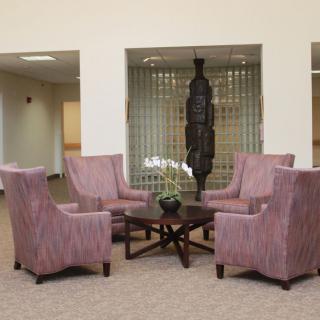

 How and When Medicaid May Cover Assisted Living Costs
 A Detailed Exploration of Assisted Living Medicaid Waivers Across the United States
 Exploring the Contrasts Between Assisted Living and Skilled Nursing