
3800 Park East, Beachwood, OH 44122
For more information about senior living options: (866) 208-4318
Overall Review of Park East Care And Rehab Center
Pros
 Park East is a great facility.
- There are so many new changes going on.
- New management is great.
- Deborah, the administrator, is known for turning things around in long term care.
- Joyce is a great DON with a lot of years of experience.
- She is extremely knowledgeable in the nursing field and handles everyone's concerns as urgent as if they were coming from her own family.
- Park East is definitely the place to be for skilled and long term care.
Cons
 The HR lady is alleged to be prejudiced and nasty toward potential staff.
- The facility has a two-hour turnaround time on call lights, described as bad for business.
- A reviewer waited from 3 a.m. for assistance and was still waiting at 5:36 a.m.
- The place is described as horrible and unprofessional, with no staff at the front door.
- No one answers the third-floor phone, and staff are on their phones and gossiping.
- The service is a complete mess and not recommended.
- The facility is dirty with dirt and trash on the floor.
- There is no front receptionist desk; walk-ins go unmonitored.
- Aides spend more time on their cell phones than with patients.
- Bugs are crawling on the walls; the facility should be shut down.
Review
Park East Care and Rehab Center in Beachwood is best suited for residents who prioritize rehabilitation therapy and are willing to accept ongoing shifts in leadership and uneven frontline responsiveness. Families that want to see concrete management accountability and are prepared to advocate actively will be looking at a facility that may improve over time, driven by new leadership. Those who require unwavering reliability in staff attendance, immediate call-light response, and consistently clean surroundings should consider alternatives. In short, Park East offers a potential anchor for recovery and long-term care only when oversight remains vigilant and expectations are clearly defined from day one.
Pros center on management changes and known strengths in therapy. Several reviews describe a transition under new administration as a positive force, with Deborah in the administrator role reputed for initiating turnaround and Joyce as a DON with substantial nursing experience, capable of treating concerns as urgent. These leadership assets create a framework for steadier accountability and better clinical oversight, and therapy departments are highlighted as a reliable service line. That said, even solid leadership does not automatically translate into dependable daily care, but it does offer a credible path toward addressing the most persistent complaints if pursued consistently.
On the downside, the most damaging signals relate to everyday care: call bells taking hours to trigger assistance, and moods of neglect reflected in front-desk absence and frontline staff absorbed with personal device use. Reports of slow response times, under-staffed floors, and inconsistent communication paint a picture of a facility where urgent needs may be delayed. The physical environment is described as dirty and unkempt by some visitors, with concerns about cleanliness and pests mentioned. Together, these factors undermine trust and raise real safety questions for residents who depend on timely help and visible supervision.
These negatives are not purely hypothetical; they clash with the reported strengths of therapy and new leadership. If the administration and DON can translate their promise into daily discipline, adequate staffing coverage, punctual call-bell responses, clean hallways, and proactive front-desk operation, the gaps could close. The partially favorable reviews about leadership changes suggest momentum is possible, but the inconsistent experiences among families show that progress is not guaranteed and may hinge on day-to-day oversight and turnover cycles. In practical terms, improvement is possible but not assured; present families should demand measurable milestones.
Those who should consider alternatives include anyone needing consistently rapid assistance, meticulous cleanliness, and a transparent, predictable routine. Families with residents who require high-acuity nursing care around the clock or who cannot afford to supervise care on a daily basis will likely find this community wanting. For such individuals, exploring other local options with stronger staffing models, better housekeeping records, and a more stable management presence is sensible. Park East can be part of a short list for rehab-focused stays if a transparent improvement plan is in place, but it should not be the default choice for high-support needs.
Bottom line: Park East offers a potential path to recovery and longer-term care under renewed leadership, yet the operational gaps are substantial and repeatedly reported. The decision should hinge on whether a family is prepared to engage actively with administration, insist on concrete staffing and cleanliness standards, and monitor progress over an initial trial period. For those willing to do that, Park East may deliver meaningful rehab and eventual stability; for others, a safer bet is to pursue facilities with established track records for quick response, pristine environments, and consistent care delivery.
 218 resident community capacity
 Skilled Nursing Facility
 Air-conditioning
 Beauty salon
 Cable or satellite TV
 Computer center
 Dining room
 Fitness room
 Fully furnished
 Gaming room
 Garden
 Housekeeping services
 Kitchenette
 Move-in coordination
 Outdoor space
 Private bathrooms
 Restaurant-style dining
 Small library
 Telephone
 Wellness center
 Wi-Fi/high-speed internet available
 Cleveland-Hopkins International (19 miles away)
 Community operated transportation
 12-16 hour nursing
 24-hour call system
 Activities of daily living assistance
 Assistance with bathing
 Assistance with dressing
 Assistance with transfers
 Diabetes diet
 Medication management
 Mental wellness program
 Special dietary restrictions
 Concierge services
 Planned day trips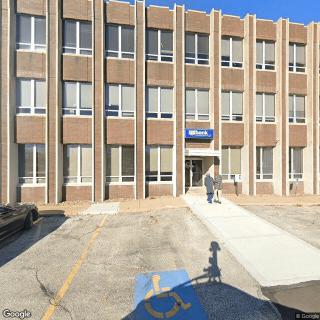








 Caregiver Exhaustion: Recognizing the Signs and Restoring Your Well-Being
 Understanding Hospice Care at Home: Comprehensive Services, Key Benefits, and Eligibility
 Understanding the Full Cost of 24/7 In-Home Care: A Detailed Overview