Windsor Heights Memory Care & Transitional Assisted Living Costs & Pricing
Windsor Heights Memory Care & Transitional Assisted Living offers competitive pricing for its services, with monthly costs reflecting the specialized care and amenities provided. The facility charges $4,700 for a semi-private room, which is notably higher than both the Cuyahoga County average of $3,582 and the broader state average of $3,965. For those seeking a studio apartment, the cost rises to $5,800 - again exceeding local and state averages of $3,632 and $3,727 respectively. This pricing structure underscores Windsor Heights' commitment to delivering high-quality memory care and assisted living options tailored to meet individual needs, ensuring residents receive attentive support while enjoying a comfortable living environment.
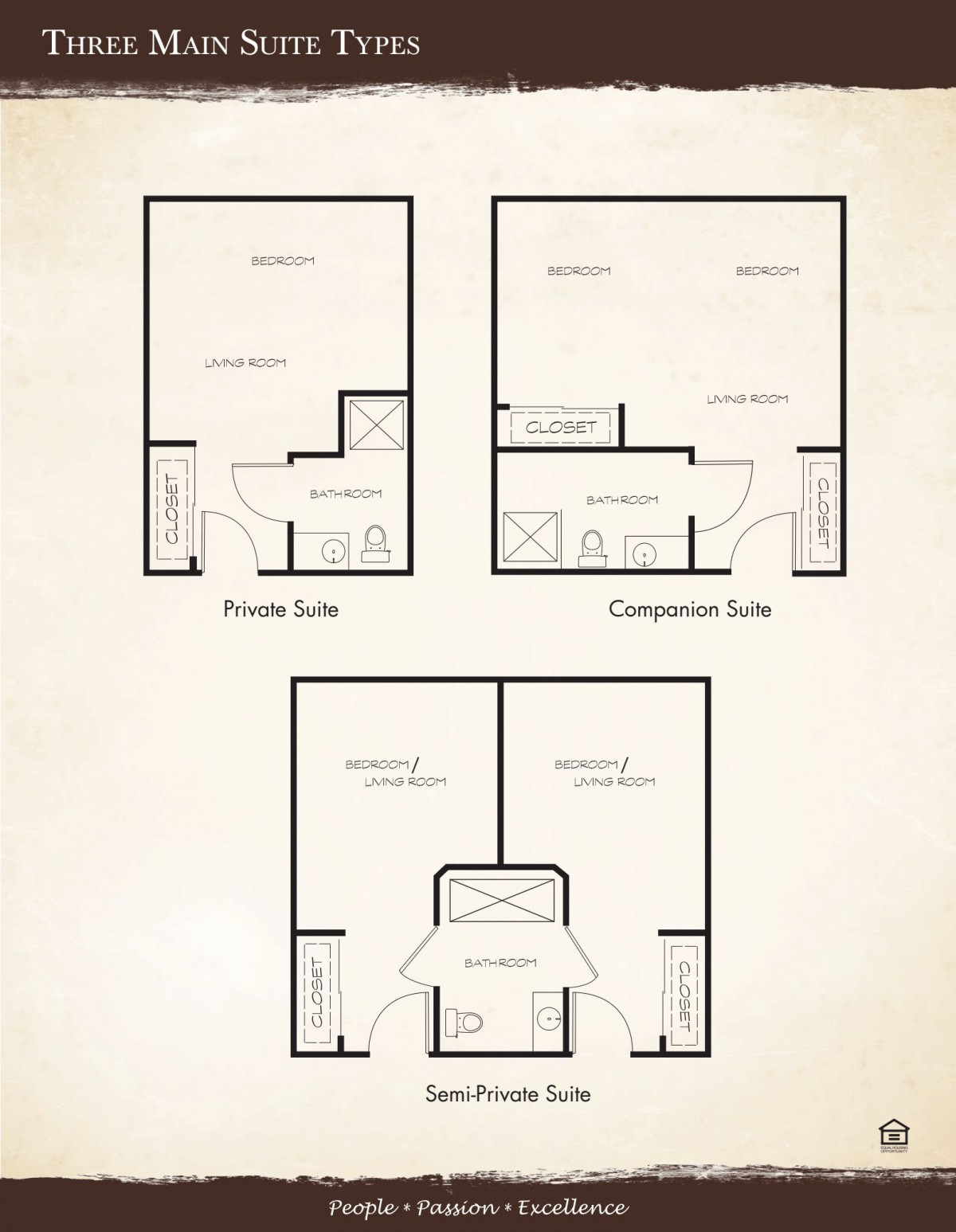
Floor plans
Windsor Heights Memory Care & Transitional Assisted Living
Cuyahoga County
Ohio
Semi-Private
$4,700
$3,582
$3,965
Studio
$5,800
$3,632
$3,727
Memory care communities with a similar price nearby
Overall Review of Windsor Heights Memory Care & Transitional Assisted Living
differentiator17 reviews mention this
Memory care focus stands out
Residents and families describe care that is specifically built around dementia needs.
Many reviews emphasize that this community is meant for Alzheimer’s and dementia, not a general senior setting. Residents’ daily routines are repeatedly described through the lens of memory care, including activities and safety measures tailored to wandering or confusion. Several families also mention seeing staff who know how to work with dementia behaviors, which helps them feel comfortable leaving their loved one in the building.
common10 reviews mention this
Safety and easy, one-level living
Reviews repeatedly point to a secure environment and a layout that supports comfort.
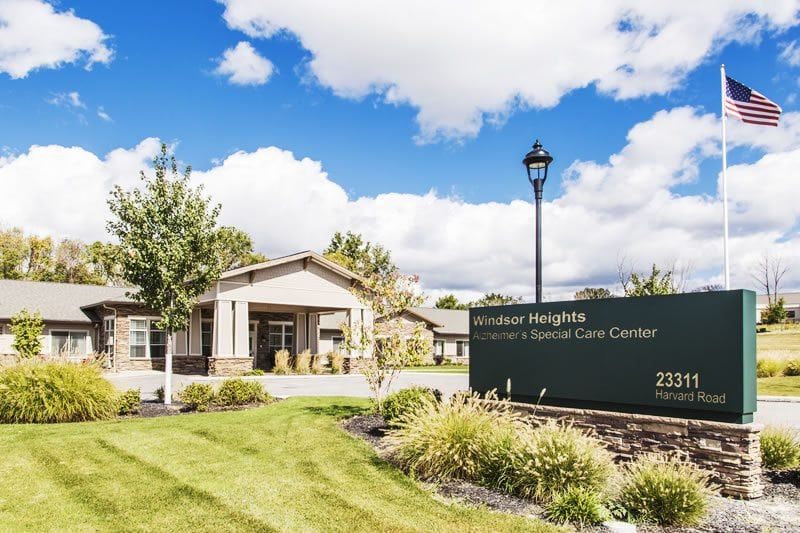
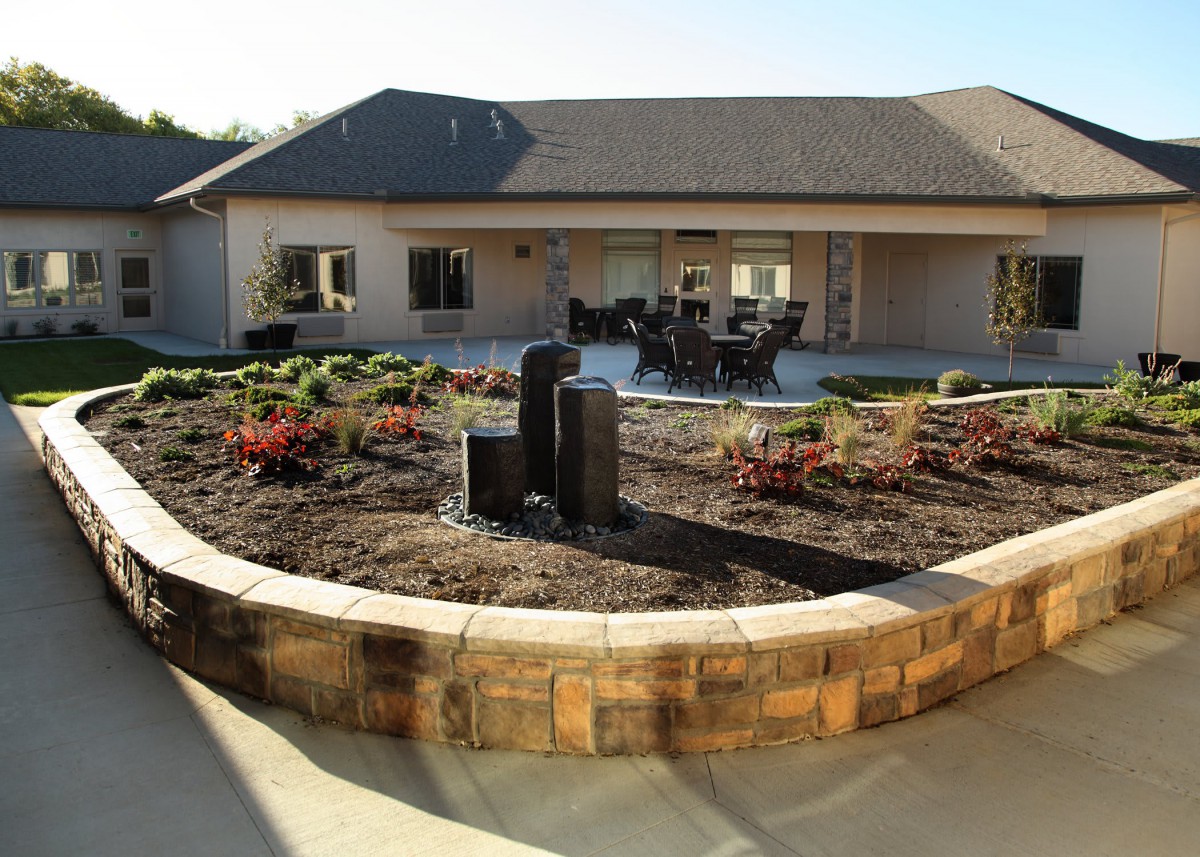
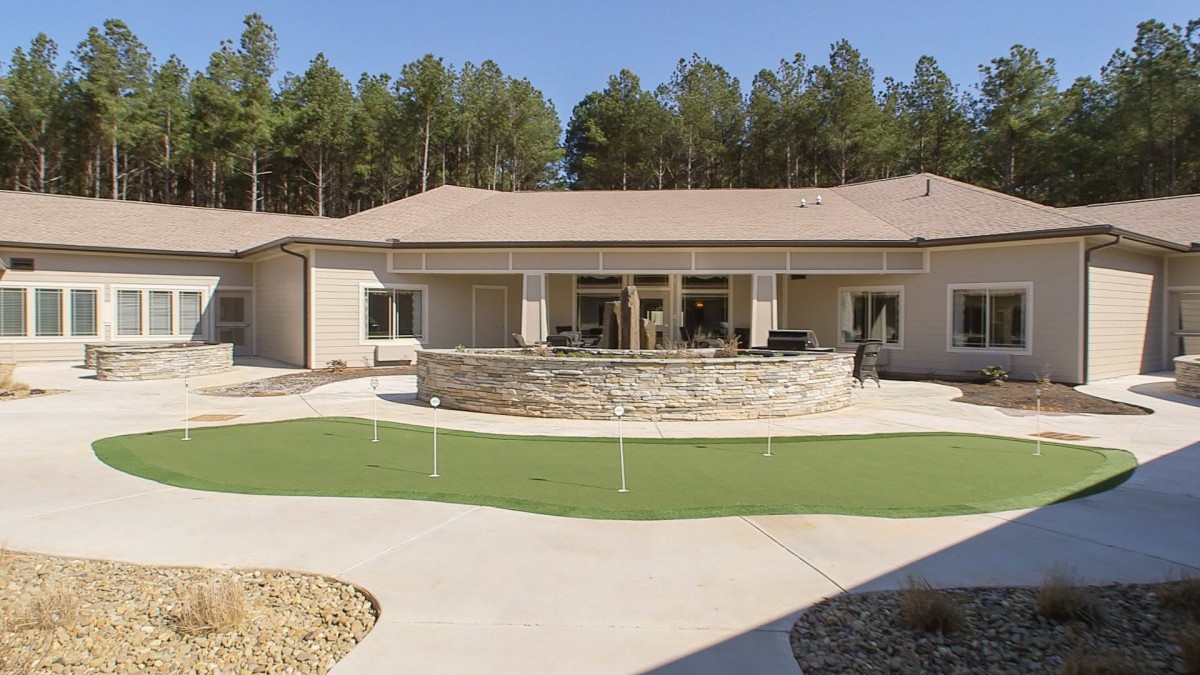
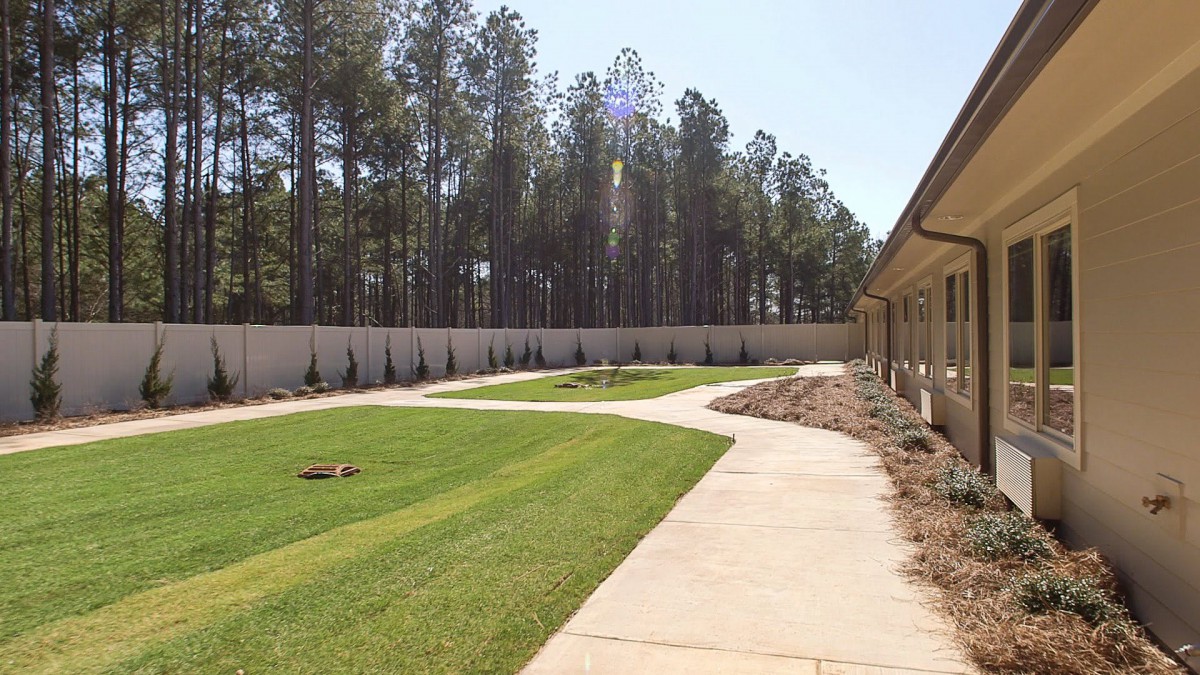
Families describe the building as clean and welcoming, with an easy one-level layout that visitors can navigate during tours and visits. A recurring point is that the community feels safe, including secured outdoor space and design choices meant to reduce getting lost. One review also flags an incident related to a resident being missing for a period of time, but overall comments still return to the idea of a controlled, secure setting.
common10 reviews mention this
Food is consistently praised
Dining is a frequent positive, with residents and families calling out the quality of meals.
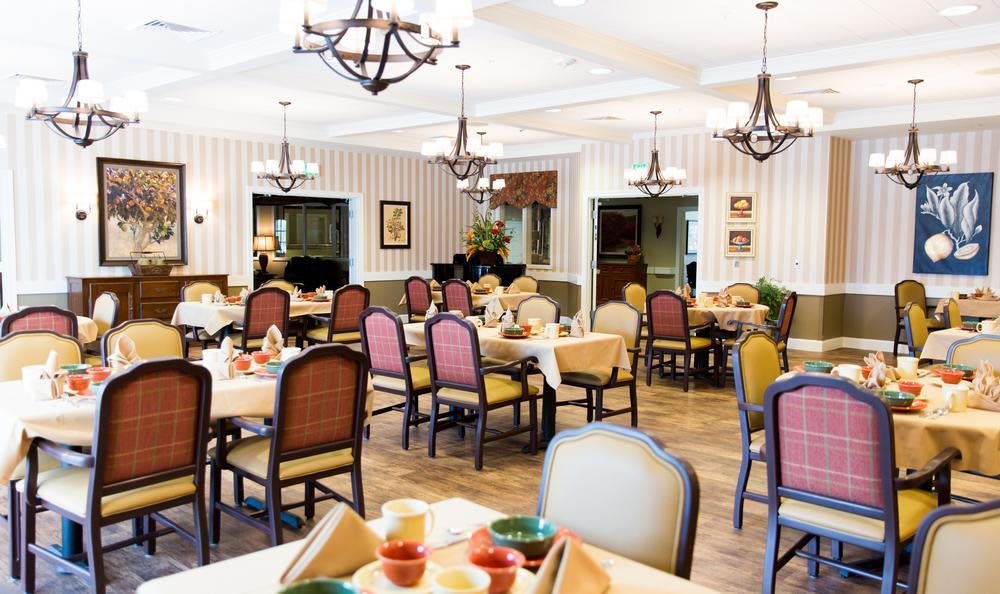
Multiple reviewers describe the food as excellent or outstanding, and some say it was a deciding factor. The dining experience is framed as more than standard meals, with variety on menus and restaurant-style service mentioned in resident routines. A few comments are less specific about meal details, but the overall tone stays positive when dining comes up.
common9 reviews mention this
Activities, including faith options
Residents are kept engaged with structured activities and faith-related programming.
Reviews frequently mention an active schedule, with families noting residents participate in activities rather than staying in rooms. Some reviewers specifically point to clergy and religious services as part of the community rhythm. Several also describe family-friendly engagement, including events and opportunities to participate alongside residents.
caveat7 reviews mention this
Pricing feels high for some families
Cost comes up often, and some families say it was unaffordable or overpriced.
Several reviews directly call out the price as too high or unaffordable, including cases where families chose not to move in. Others mention that cost justified care for them, but overall, pricing remains a recurring concern. The community’s available pricing range is positioned above both county and state benchmarks across unit types, which helps explain why budget fit can be difficult.
caveat6 reviews mention this
Staffing and consistency vary
While many praise caregivers, some reviews describe staffing or consistency concerns.
A common positive thread is that staff are attentive, responsive, and knowledgeable about dementia care. However, a smaller set of reviews raises concerns about staffing turnover and whether schedules are followed, including remarks about weekend interruptions and implementing specific admission support consistently. These mixed experiences suggest care quality may depend on staffing levels and day-to-day coverage.
How we summarize
Counts show how many written reviews mention each theme; a review can touch several themes, and only frequently mentioned themes are displayed.
Features
Housing
66 resident community capacity
Studio apartments
Types of Care
Assisted Living
Memory Care
Amenities
Activities off-site
Activities on-site
Air-conditioning
Bath tubs
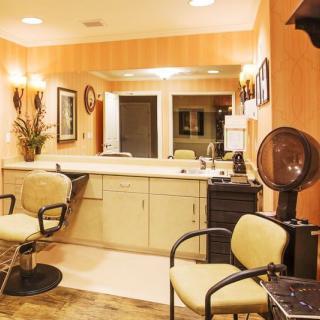
Beautician on-site
Beauty salon
Cable or satellite TV
Computer center
Devotional services on-site
Dining room
Fitness room
Fully furnished
Gaming room
Garden
Ground floor units
Handicap accessible
Housekeeping services
Indoor common areas
Kitchenette
Located close to restaurants
Located close to shopping centers
Move-in coordination
Outdoor common areas
Outdoor space
Private bathrooms
Respite or short term stays offered
Restaurant-style dining
Small library
Spa
Telephone
Wellness center
Wheelchair accessible showers
Wi-Fi/high-speed internet available
Transportation
Cleveland-Hopkins International (18 miles away)
Community operated transportation
Transportation arrangement
Transportation arrangement (non-medical)
Transportation to doctors appointments
Care Services
12-16 hour nursing
24-hour call system
24-hour supervision
Activities of daily living assistance
Assistance with bathing
Assistance with dressing
Assistance with transfers
Coordination with health care providers
Dementia waiver
Diabetes diet
Diabetic care
High acuity care
Hospice waiver
Incontinence care
Meal preparation and service
Medication management
Mental wellness program
Mild cognitive impairment
Respite program
Special dietary restrictions
Specialized memory care programming
Transportation arrangement (medical)
Transportation to doctors appointments
Dining
Anytime dining
Diabetes diet
Gluten-free
Guest meals
Low / no sodium
Meals provided
No Sugar
Professional chef
Restaurant style dining
Room service
Special dietary restrictions
Special dining programs
Vegan
Vegetarian
Activities
Art classes
Catholic services
Community-sponsored activities
Concierge services
Cooking classes
Day trips and outings
Devotional activities on-site
Educational speakers / life long learning
Fitness programs
Jewish services
Live well programs
Other religious services
Planned day trips
Protestant services
Resident-run activities
Scheduled daily activities
Visiting Rabbi
Visiting chaplain or priest
Videos
Nearby Places of Interest
Located in Beachwood, Ohio, this area offers a variety of amenities that cater to seniors looking for a vibrant community. With a range of dining options including Italian street food, winery restaurants, and Asian grills, there is something to satisfy every palate. Nearby hospitals such as University Hospitals Ahuja Medical Center and Cleveland Clinic provide top-notch medical care for peace of mind. Stay caffeinated at one of the many Starbucks cafes within close proximity or easily access pharmacies like CVS and Walgreens for any medication needs. For leisure activities, residents can enjoy movies at Silverspot Cinema or take a stroll in one of the nearby parks like Bedford Heights Reed Park or Solon Community Park. Various places of worship are also available in the vicinity for spiritual fulfillment. Overall, this part of Beachwood offers a well-rounded living experience with convenient amenities and services for seniors.
Restaurants
Piada Italian Street Food (0.8 miles)
Olive Garden (0.8 miles)
Cooper's Hawk Winery & Restaurant (1 miles)
Tres Potrillos (1.2 miles)
BIBIBOP Asian Grill (1.3 miles)
Pinstripes (1.4 miles)
Condado Tacos (1.4 miles)
Hospitals
University Hospitals Ahuja Medical Center (0.9 miles)
Cleveland Clinic Children's Hospital Rehabilitation Center (5.4 miles)
Hillcrest Labor And Delivery (6.1 miles)
Cleveland Clinic - W.O. Walker Center (6.4 miles)
Louis Stokes Cleveland VA Medical Center (6.8 miles)
Cafes
Starbucks (0.9 miles)
Starbucks (3.7 miles)
Starbucks (6.1 miles)
Pharmacies
CVS Pharmacy (1.1 miles)
Rite Aid (1.5 miles)
Walgreens (1.6 miles)
CVS Pharmacy (1.9 miles)
Rite Aid (2 miles)
Rite Aid (2.6 miles)
CVS Pharmacy (2.6 miles)
Physicians
University Premier Pediatricians (1.2 miles)
Rapid Medical Research (1.2 miles)
Senders Pediatrics (3.7 miles)
University Suburban Health Center (4.4 miles)
UH Rainbow Pediatricenter (4.5 miles)
Cleveland Clinic Severance Medical Arts (4.8 miles)
Cleveland Clinic - Taussig Cancer Center (6.4 miles)
Windsor Heights Memory Care & Transitional Assisted Living offers competitive pricing for its services, with monthly costs reflecting the specialized care and amenities provided. The facility charges $4,700 for a semi-private room, which is notably higher than both the Cuyahoga County average of $3,582 and the broader state average of $3,965. For those seeking a studio apartment, the cost rises to $5,800 - again exceeding local and state averages of $3,632 and $3,727 respectively. This pricing structure underscores Windsor Heights' commitment to delivering high-quality memory care and assisted living options tailored to meet individual needs, ensuring residents receive attentive support while enjoying a comfortable living environment.
Windsor Heights Memory Care & Transitional Assisted Living offers a comprehensive array of features that are essential for supporting individuals with dementia or Alzheimer's disease. The facility provides 24-hour supervision, ensuring residents are safely monitored at all times, which is crucial for those who may experience disorientation or wandering. Assistance with activities of daily living, such as bathing, dressing, and transfers, helps maintain residents' dignity while promoting their independence to the best extent possible. Coordination with healthcare providers streamlines medical care and treatment plans tailored to individual needs, while the dementia waiver and specialized memory care programming create an environment conducive to cognitive engagement. Incontinence care and meal preparation ensure comfort and nutrition, addressing both personal hygiene and dietary needs effectively. Additionally, medication management mitigates the risk of errors in critical health regimens. The inclusion of a mental wellness program caters to emotional health, essential for enhancing quality of life, while transportation arrangements facilitate access to necessary medical appointments, reinforcing a holistic approach to health care tailored specifically for those coping with mild cognitive impairment through advanced stages of dementia.
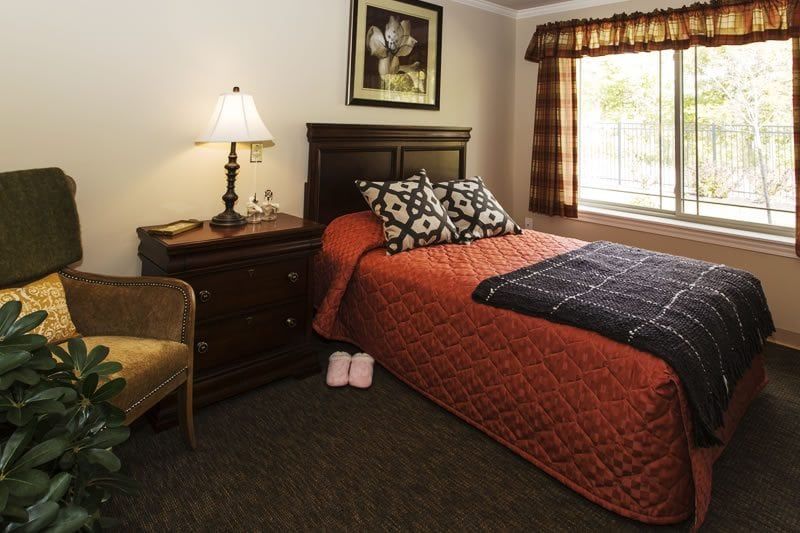
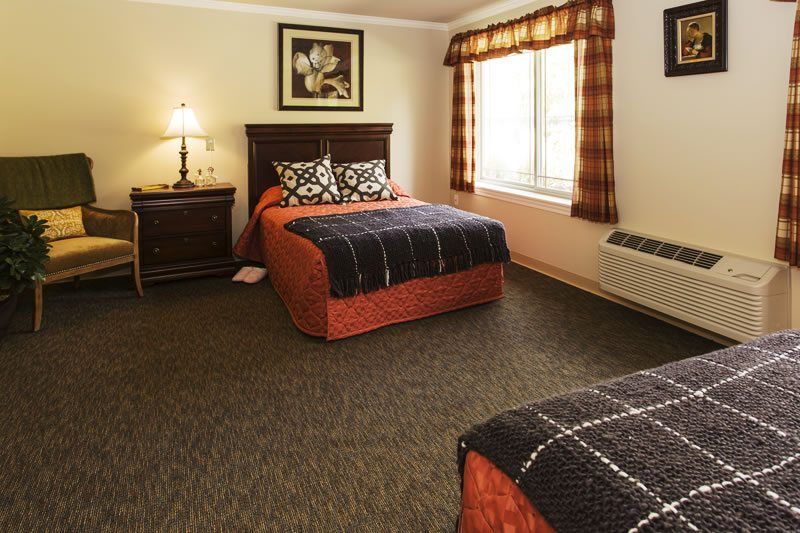
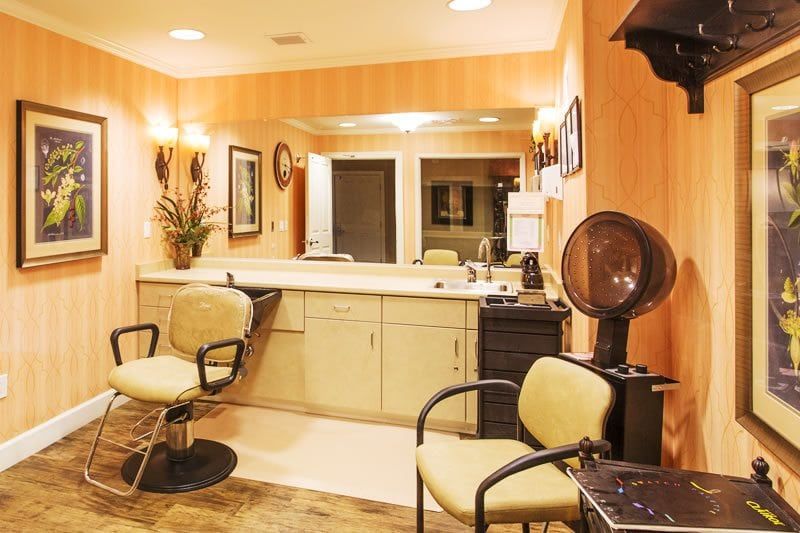
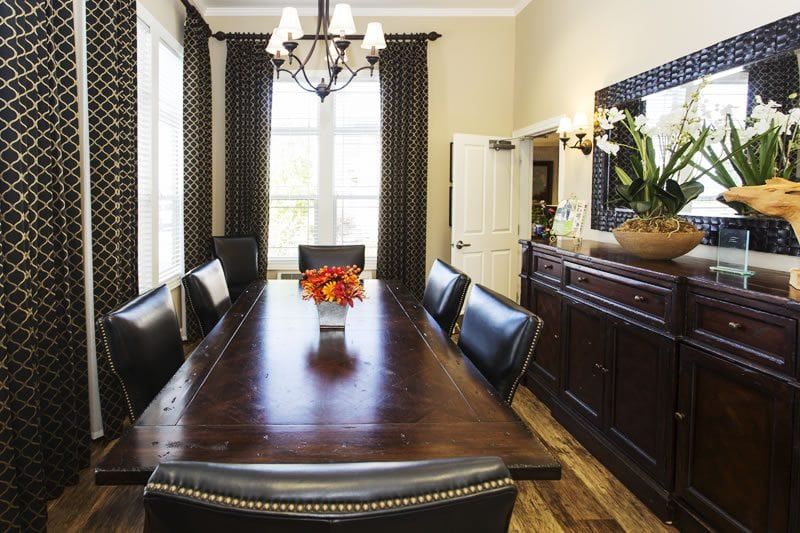
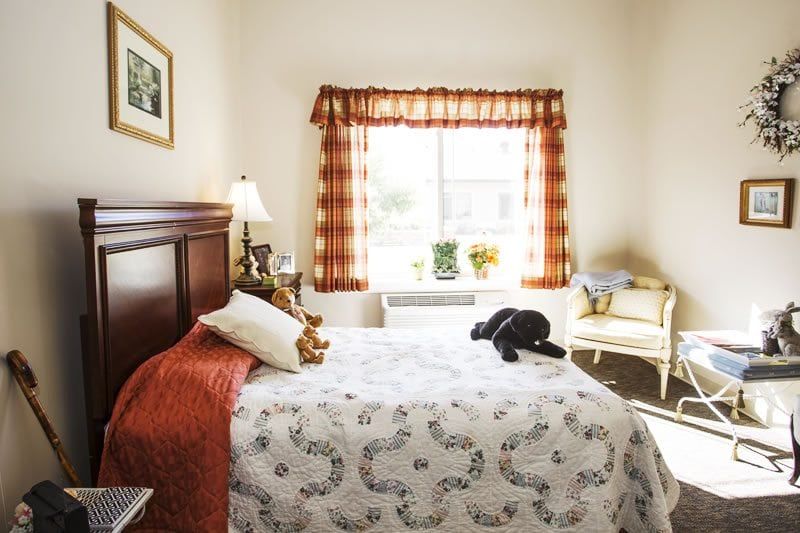
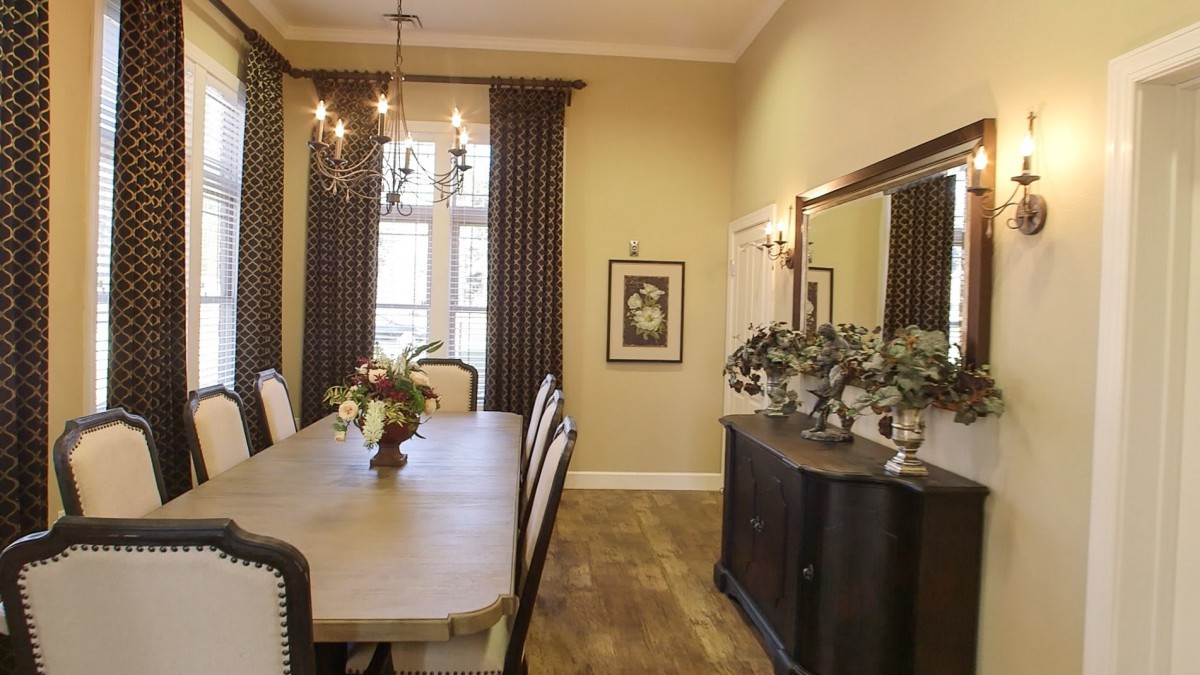
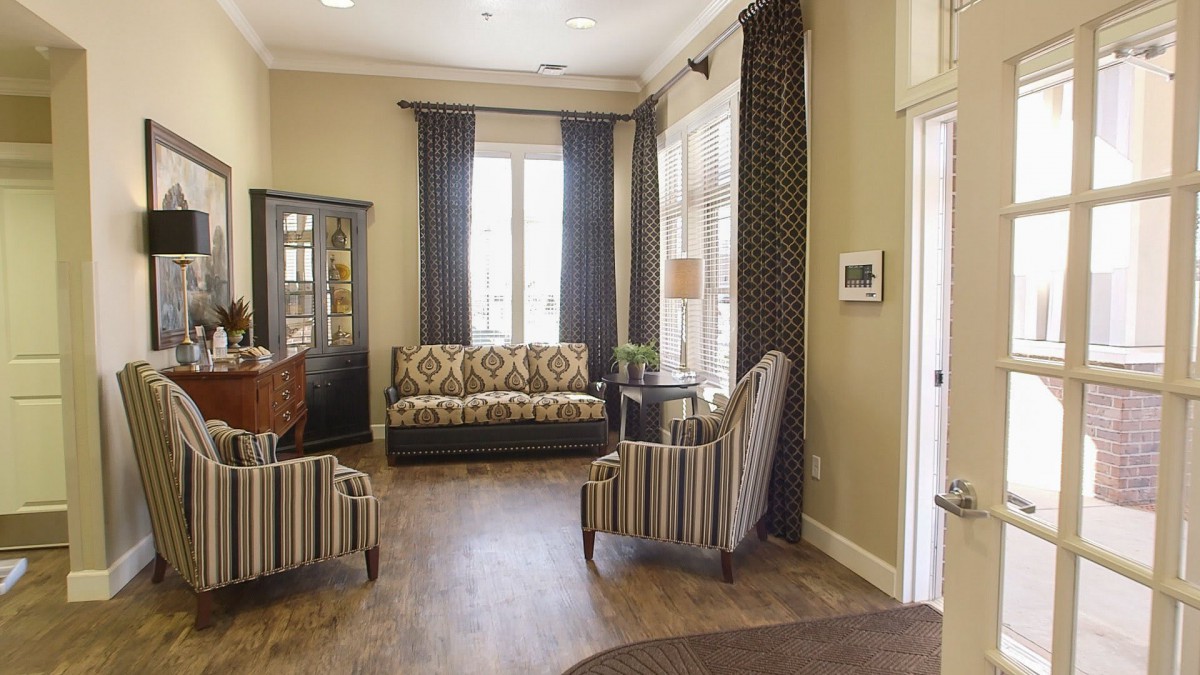
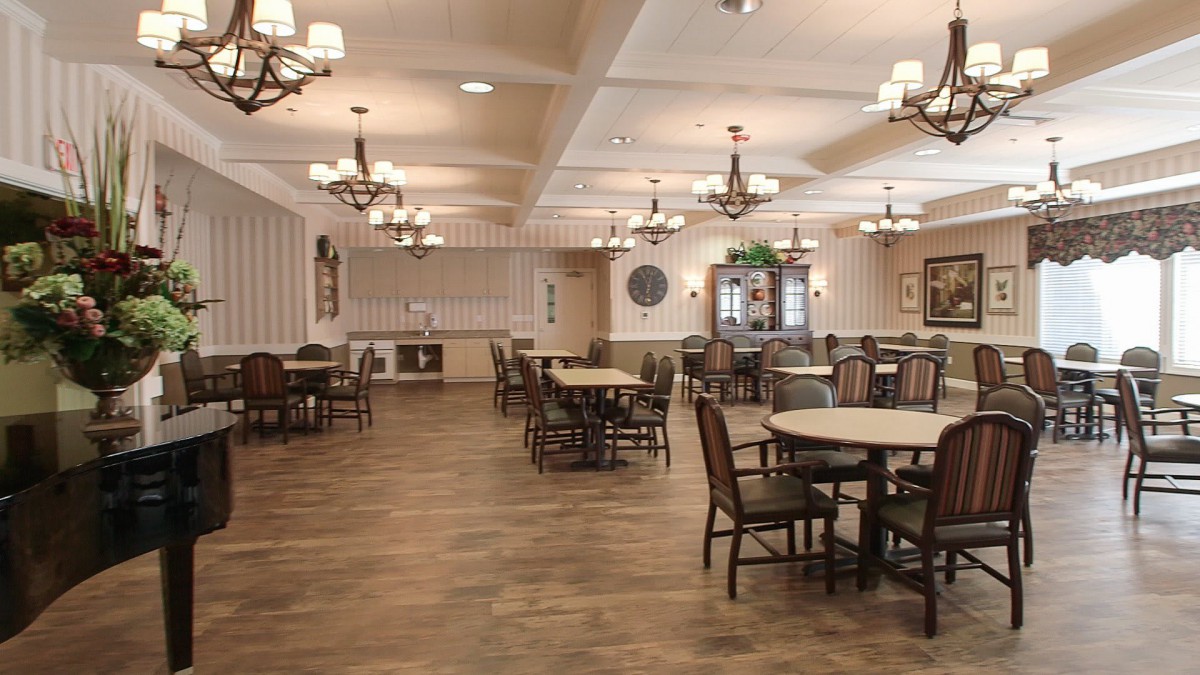
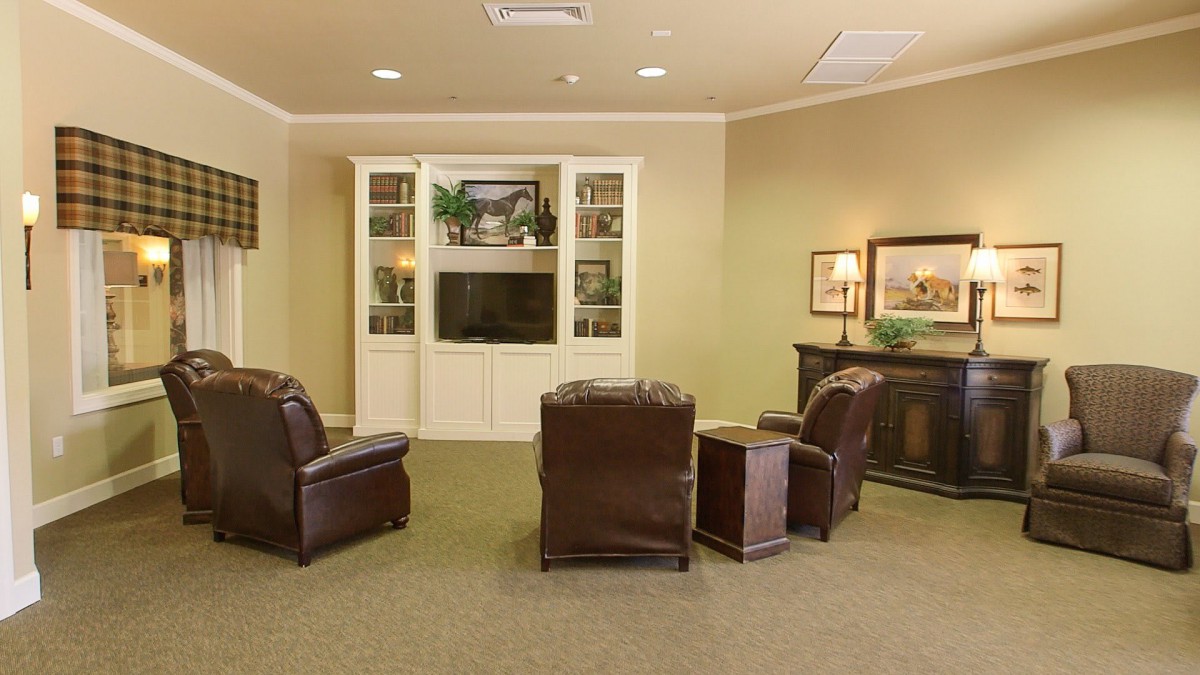
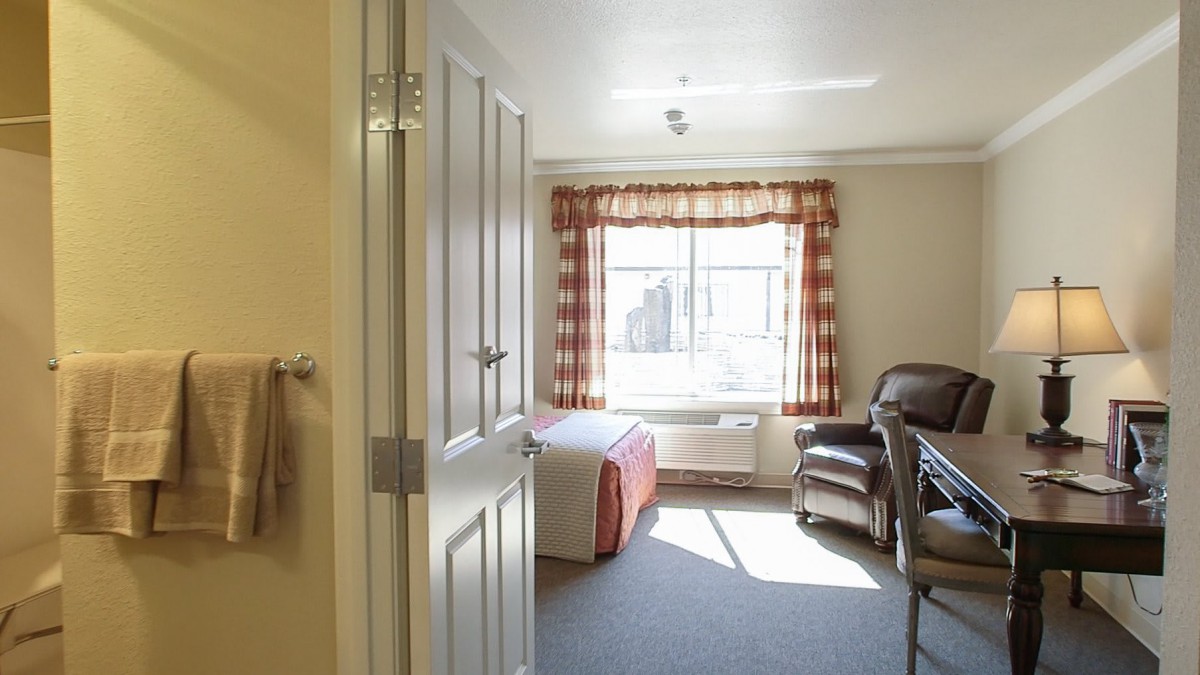
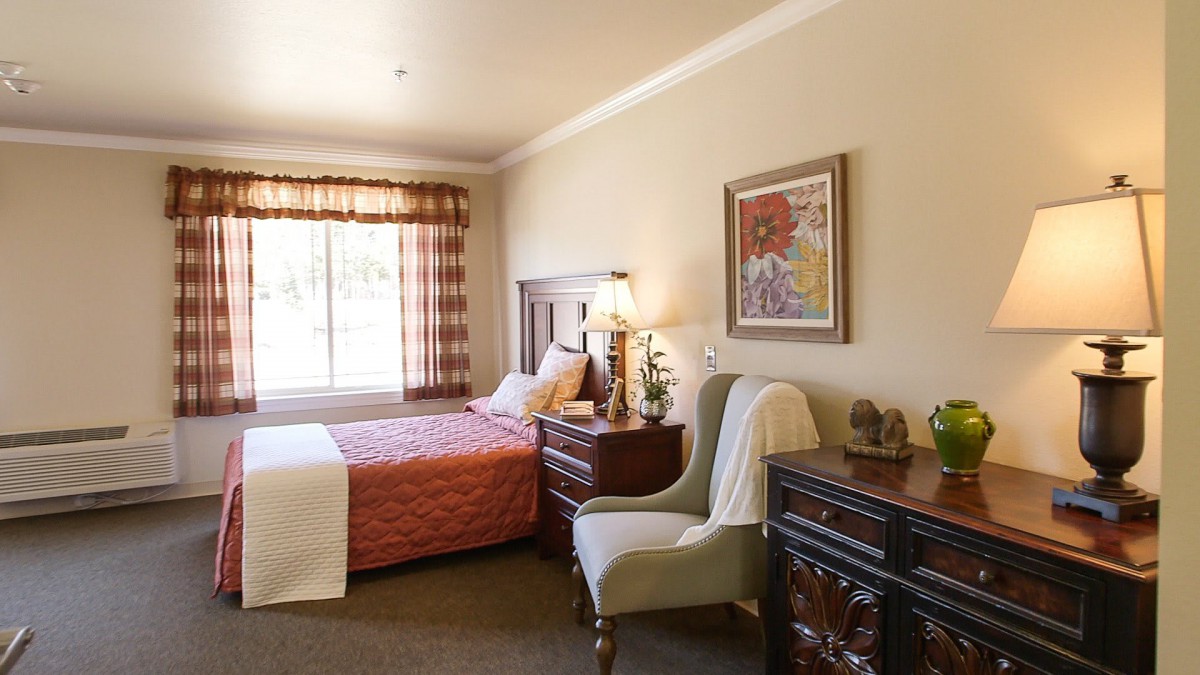
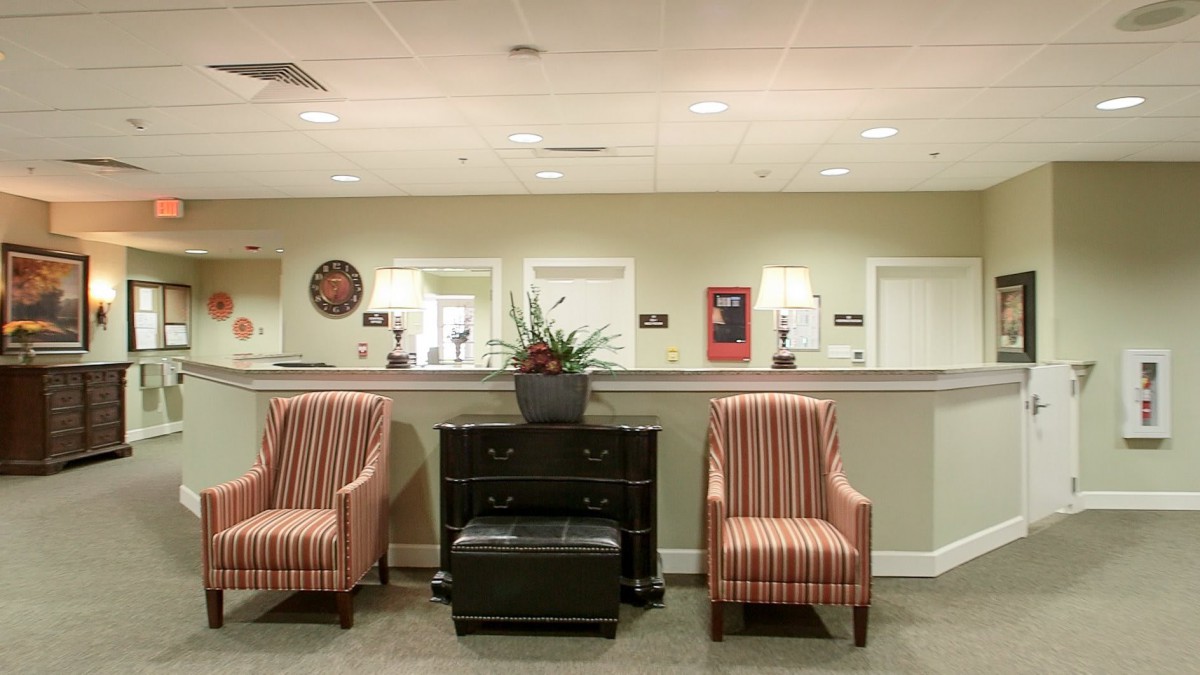
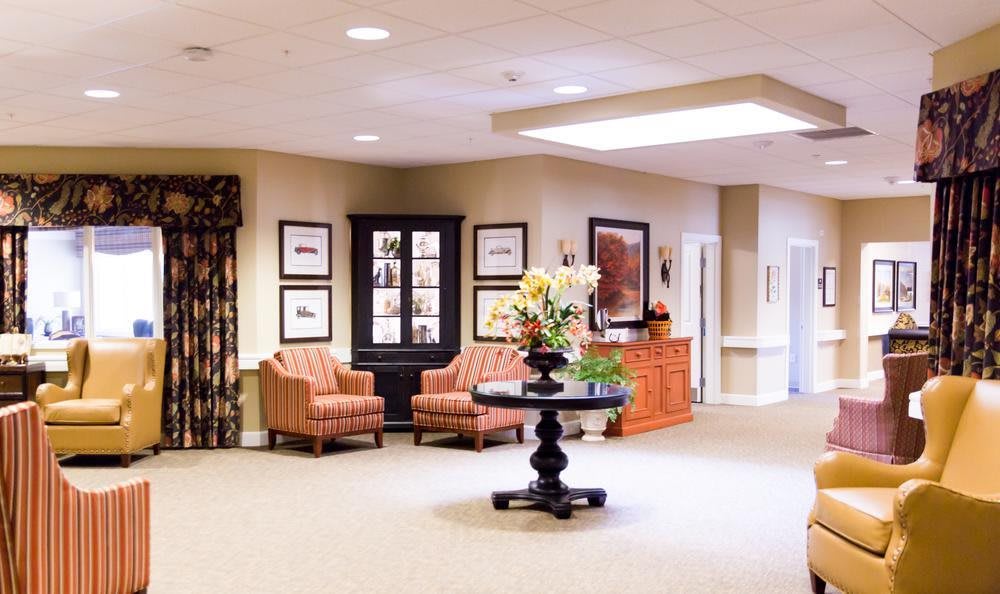
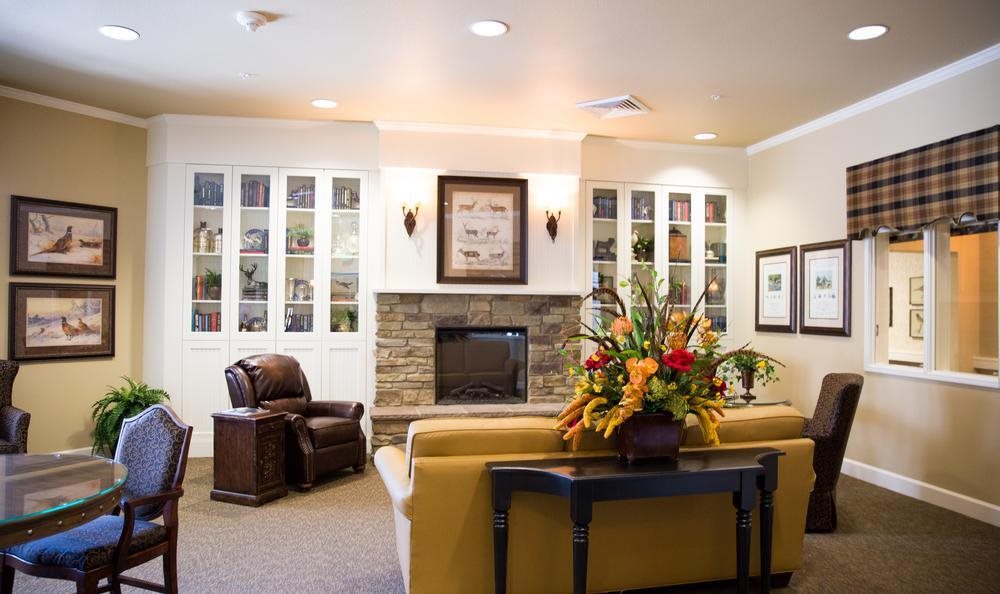
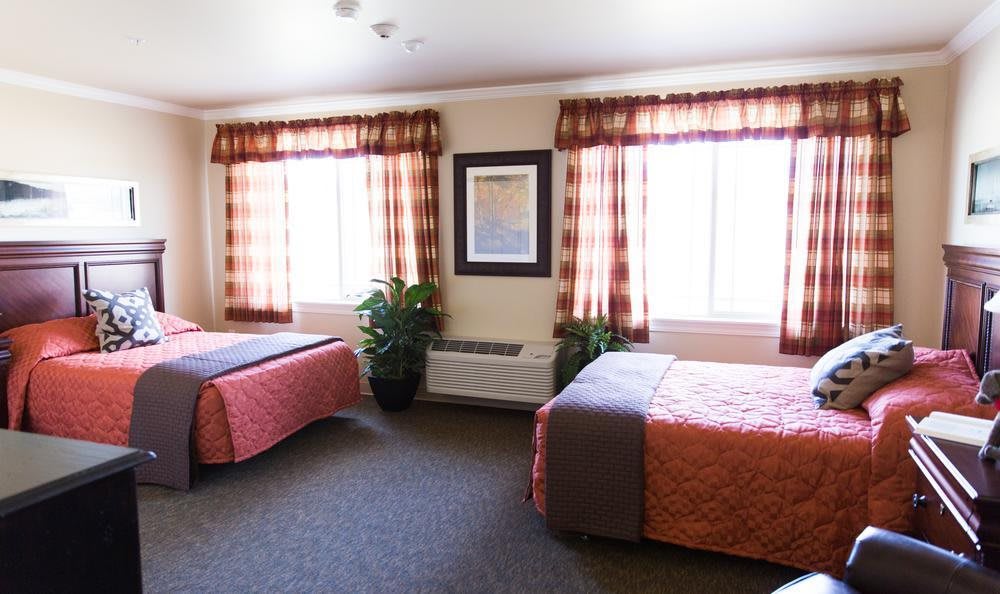
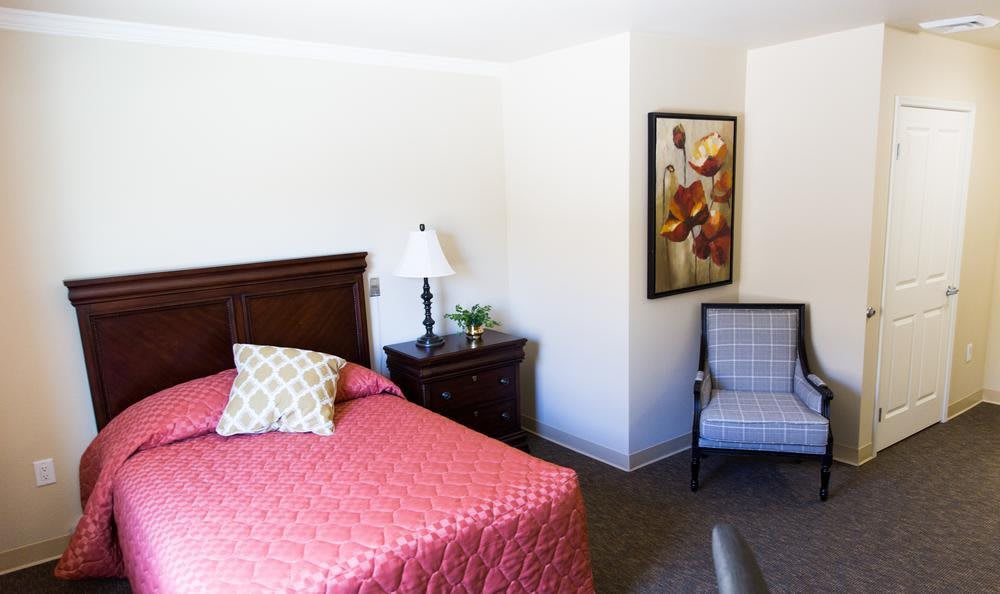
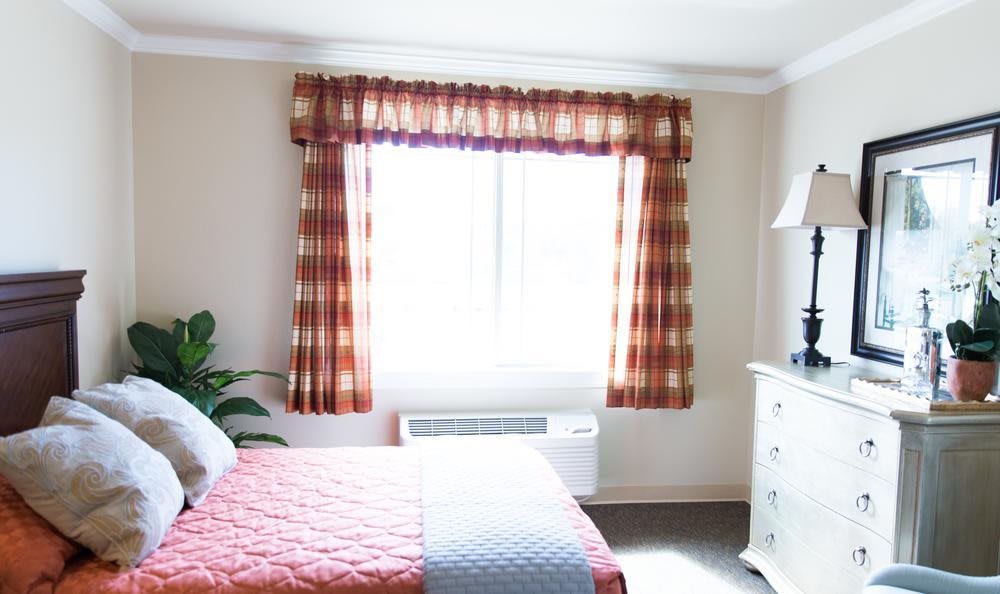
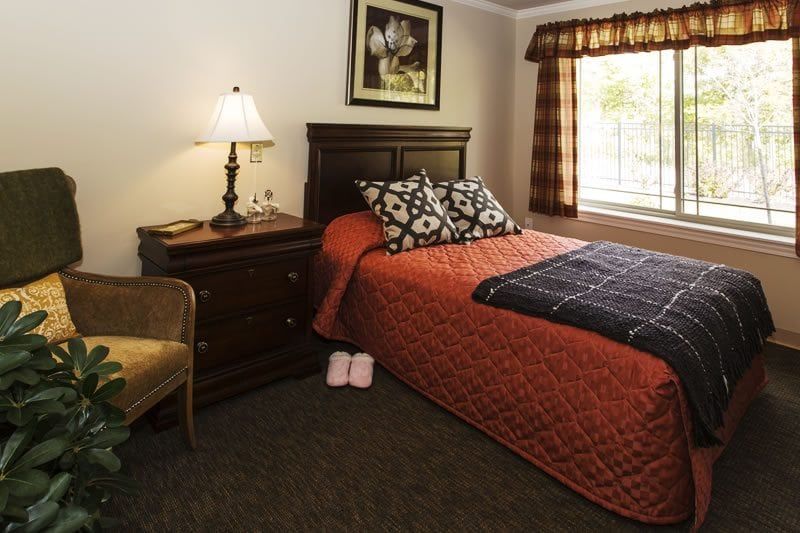
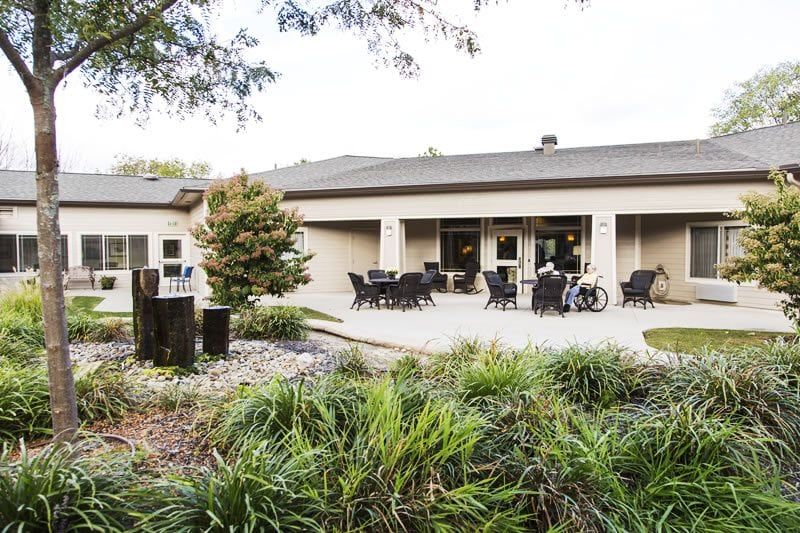
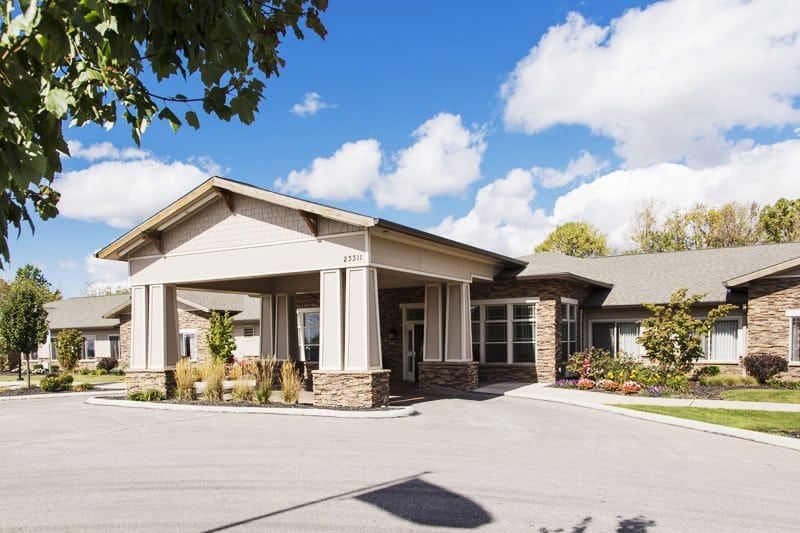
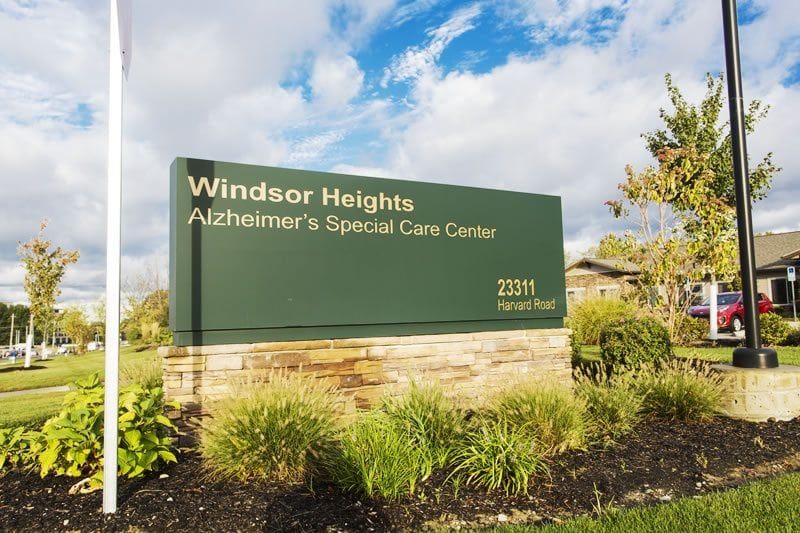
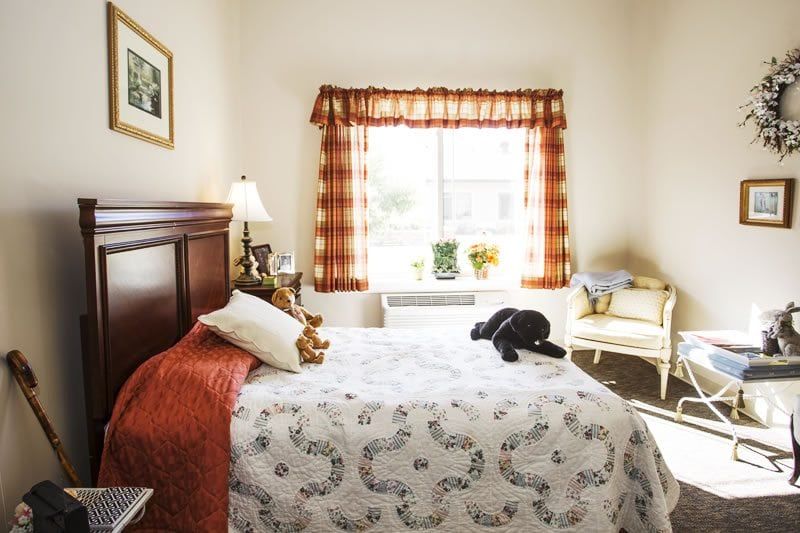
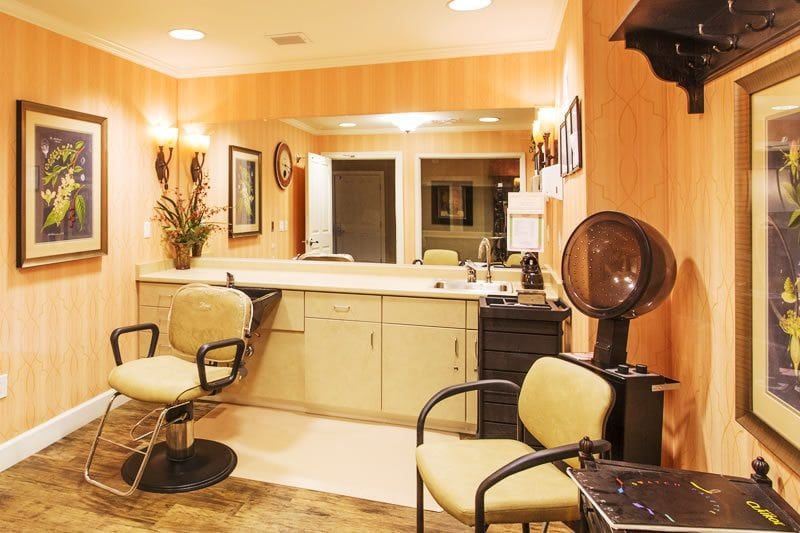
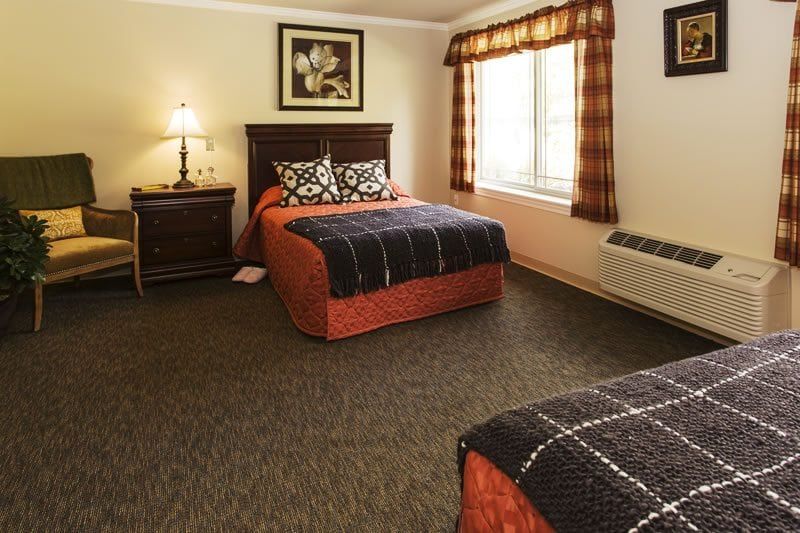
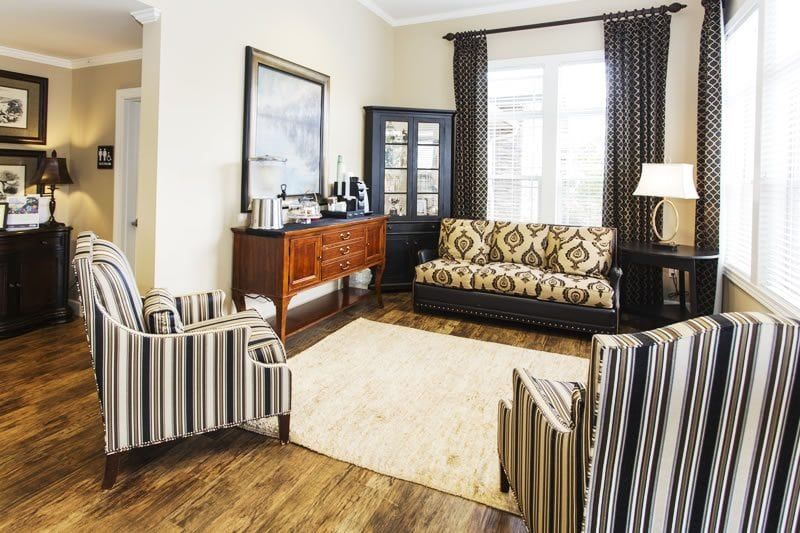
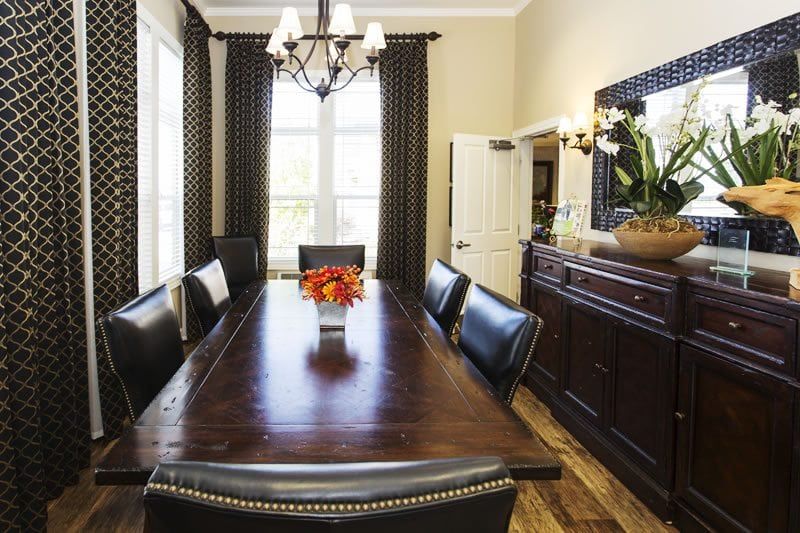
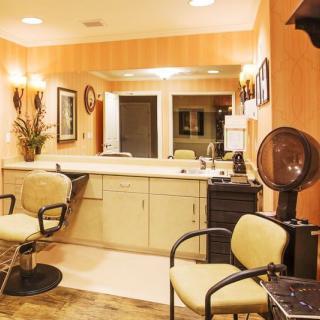
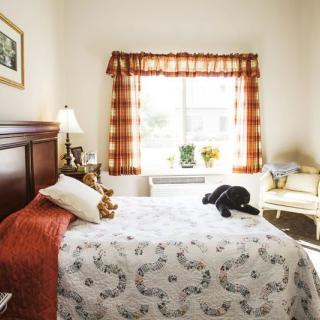
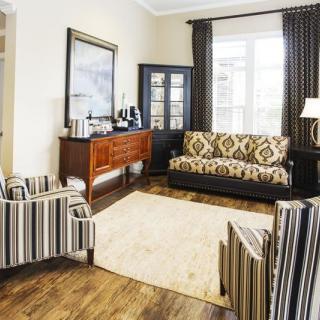
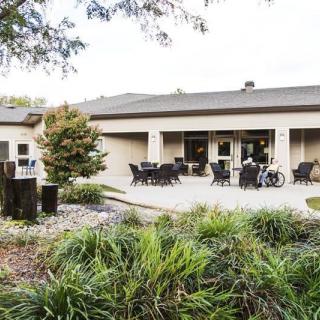
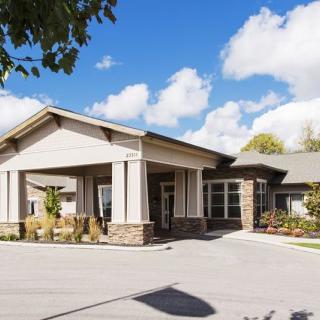
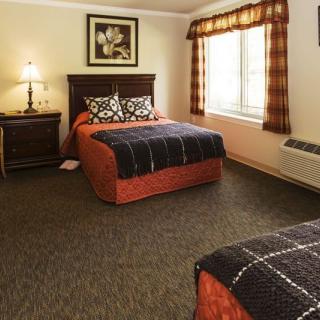
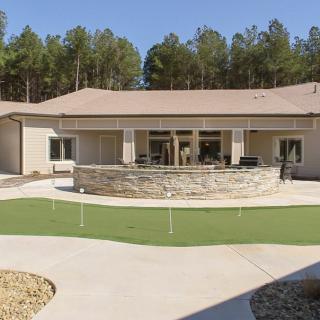
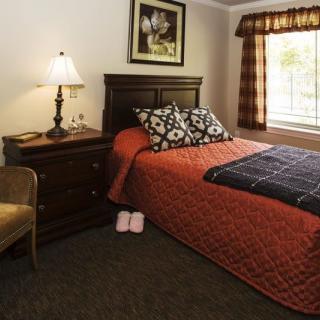
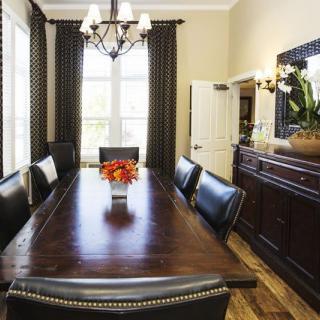
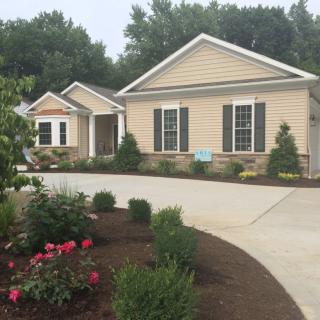
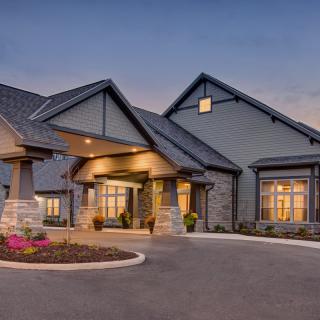
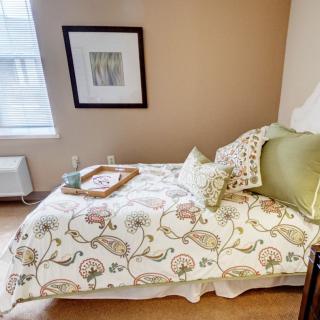
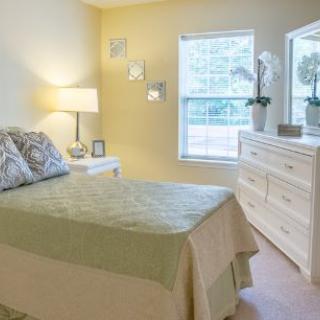
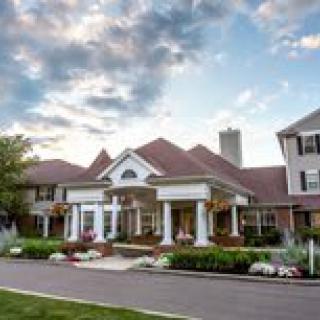
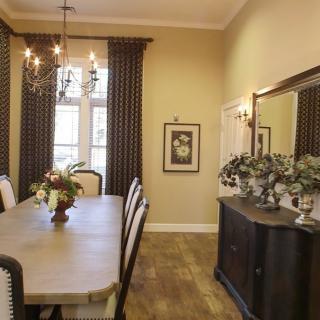
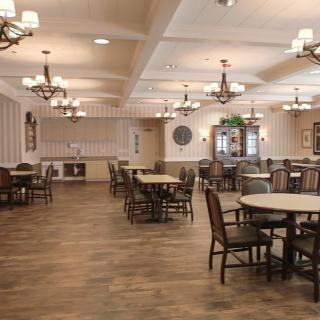
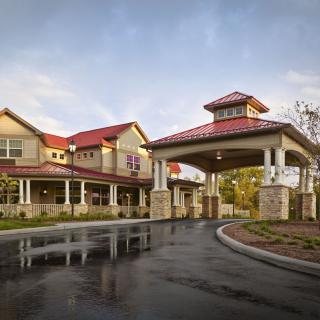
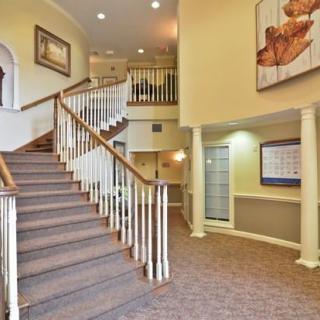
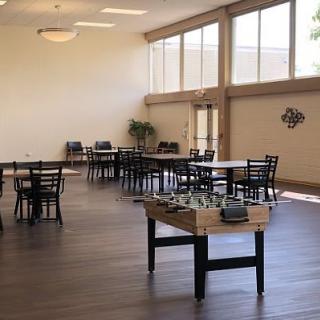
Windsor Heights Memory Care & Transitional Assisted Living on seniors.fyi includes 35 photos including images showing interior, bedroom, decor, landscaping, windows, dining, chandelier, building, and more.
Nearby Communities
Beechwood Commons
Beechwood, OH
4.6 from 60 reviews
Memory care and diabetes care within a welcoming community with easy access to nearby amenities.
Rose Senior Living Beachwood
Beachwood, OH
4.4 from 29 reviews
Spacious rooms, friendly staff, clean facilities, and elegant dining with convenient on-site amenities.
Beachwood Commons by New Perspective
Beachwood, OH
4.4 from 94 reviews
$4,600 to $5,355 / month
Friendly, caring staff and a welcoming atmosphere with engaging activities.
Beachwood Commons
Beachwood, OH
4 from 76 reviews
Clean, friendly staff; private apartments with kitchenette and accessible design; on-site dining, activities, transportation to appointments, and a courtyard.
Beachwood Pointe Care Center
Beachwood, OH
3 from 98 reviews
Some staff provide personal touches (e.g., hair styling) and the facility is clean.
Assisted Living Residence
Cleveland, OH
3 from 57 reviews
Excellent access to dining, parks, pharmacies, doctors, a hospital, and cultural venues nearby.
Shaker Gardens Nursing & Rehab Center
Beachwood, OH
4 from 3 reviews
Friendly, attentive staff, a clean, spacious environment, and organized activities.
The Woodlands of Shaker Heights
Shaker Heights, OH
4.2 from 71 reviews
$2,860 to $4,560 / month
Caring staff in a clean, welcoming community with spacious private rooms and engaging activities.
Alpine House of Maple Heights
Maple Heights, OH
4.3 from 18 reviews
$2,580 / month
Safe environment with engaging activities and on-site care.
Transitioning from assisted living to memory care is driven by an individual's cognitive decline and specific needs, requiring careful evaluation of indicators like increased confusion and wandering. The process involves consulting medical professionals, researching suitable communities, considering financial and legal aspects, and ensuring effective communication for personalized care plans.
The article differentiates between assisted living and memory care, explaining that assisted living supports seniors with daily activities while promoting independence, whereas memory care provides specialized services for individuals with dementia, focusing on secure environments and cognitive support. It also addresses staff training, safety considerations, costs, family involvement, and transition strategies for families navigating these care options.
The article outlines effective communication strategies for interacting with loved ones with dementia, highlighting the need for empathy, patience, and understanding while emphasizing supportive approaches like using simple language, minimizing distractions, and focusing on feelings over facts to maintain dignity and foster connection. It also suggests seeking professional guidance when needed as communication challenges evolve.
Windsor Heights Memory Care & Transitional Assisted Living photos
×
Interior
Outdoors
Decor
Living Room
Building
Architecture
Bedroom
Trees
Windows
Dining
Landscaping
Lighting
Garden
Entrance
Interior
Decor
Bedroom
Dining and Chandelier
Living Room
Landscaping
Windows
Floor Plan
Building
Architecture
Trees
Lighting
Garden and Fountain
Artwork
Television
Fireplace
Outdoor
Entrance
Patio
Outdoors
Lobby
Pathway and Fence
Outdoor Seating
Exterior and Clouds
Salon and Mirrors
Natural Light
Healthcare and Facility
Painting
Hardwood Floor
Waiting Area and Reception
Rug
Dining Table
Wooden Flooring
Get PricingAsk A QuestionSchedule A TourContact Senior Advisor
By clicking submit, you agree to our Partner's Terms of Use. You
also consent to receive calls and texts, which may be autodialed, from our Partner. Your consent is not a condition to
using our Partner's service. Please visit our Partner's Privacy Policy for information about their privacy practices.

 66 resident community capacity
 Studio apartments
 Assisted Living
 Memory Care
 Activities off-site
 Air-conditioning
 Bath tubs
 Beautician on-site
 Cable or satellite TV
 Computer center
 Devotional services on-site
 Dining room
 Fitness room
 Fully furnished
 Gaming room
 Garden
 Ground floor units
 Handicap accessible
 Housekeeping services
 Indoor common areas
 Kitchenette
 Located close to restaurants
 Located close to shopping centers
 Move-in coordination
 Outdoor common areas
 Private bathrooms
 Respite or short term stays offered
 Restaurant-style dining
 Small library
 Spa
Spa Telephone
 Wheelchair accessible showers
 Wi-Fi/high-speed internet available
 Cleveland-Hopkins International (18 miles away)
 Community operated transportation
 12-16 hour nursing
 24-hour call system
 Assistance with bathing
 Assistance with dressing
 Assistance with transfers
 Diabetes diet
 Diabetic care
 High acuity care
 Hospice waiver
 Incontinence care
 Medication management
 Mental wellness program
 Special dietary restrictions
 Transportation arrangement (medical)
 Art classes
 Catholic services
 Concierge services
 Cooking classes
 Day trips and outings
 Educational speakers / life long learning
 Jewish services
 Memory care and diabetes care within a welcoming community with easy access to nearby amenities.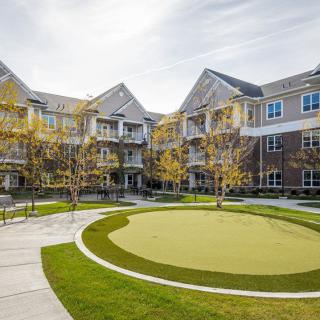


 When to Transition from Assisted Living to Memory Care: Key Indicators, Steps, and Finding the Right Community
 Understanding the Distinctions: Assisted Living and Memory Care Explained
 How to Communicate with a Loved One Living with Dementia: 10 Supportive Strategies