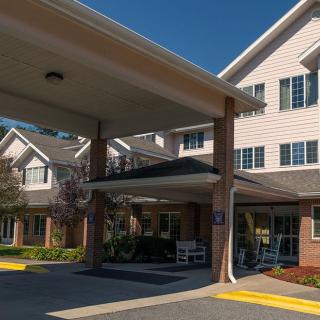
The Citadel At Winston Salem is a nursing home community in Winston Salem, NC.
Information last verified:
1900 West 1St Street, Winston Salem, NC 27104
For more information about senior living options: (866) 208-4318
3.9 from 119 reviews
5 stars
82
4 stars
6
3 stars
1
2 stars
1
1 stars
29
Overall Review of The Citadel At Winston Salem
common
Care team feels mixed overall
Residents and families describe both attentive caregiving and serious lapses.
Many reviewers say the staff is caring, professional, and responsive, often highlighting specific people in administration, social work, and nursing leadership. Others report understaffing, slow response when help is needed, and instances where residents were left waiting or ignored. Across reviews, communication and follow-through can feel inconsistent depending on the situation described.
caveat
Cleanliness and hygiene are a concern
Several reviews raise hygiene and sanitation problems.
Some families describe the facility as dirty, smelling strongly, or leaving residents in poor conditions. There are also accounts of limited showering, missing linens, and rooms not being maintained as expected. Taken together, residents and families who are unhappy with care often connect hygiene to staffing and basic supervision.
caveat
Dining quality gets criticized
Multiple reviewers are dissatisfied with the food served.
At least a couple of reviews describe meals as unappetizing or insufficient, including reports of residents being served an extremely small portion and food that felt stale or inedible. Another reviewer mentions being offered no alternative meal when a dietary concern came up. These comments directly conflict with the idea of residents being consistently well supported at mealtimes.
common
Rehab therapy is reported as helpful
Several reviews describe rehab progress and active therapy involvement.
Some families report improvements with physical therapy and occupational therapy, including residents regaining mobility after arriving with limited ability. Others mention treatment plans being discussed and nursing staff being attentive during rehab stays. At the same time, a few reviews question whether therapy needs were met as expected, suggesting that outcomes may vary by resident and timeframe.
common
Activities keep residents engaged
Residents and families frequently mention engagement from activities staff.
Reviews describe activities staff keeping residents involved, including praise for the activities director and people working day-to-day to bring residents to events and programs. Several comments also mention a calm environment and a sense that residents were kept active rather than left idle. That theme aligns with the community listing of scheduled daily activities, community-sponsored activities, and planned outings.
caveat
Medical support and supervision varies
Some reviews question how quickly and reliably medical needs are handled.
The community provides nursing-related supports such as a 24-hour call system and supervision, plus help with medication and daily living tasks. Still, some residents and families describe call lights being ignored, delays in answering for help, and medication being given later than expected. These accounts suggest that reliability can be uneven from reviewer to reviewer.
common
Nearby conveniences are close by
Common errands and medical destinations are within a short drive.
The location list includes nearby pharmacies, hospitals, and everyday dining options that could make it easier for families to handle errands during visits. For example, pharmacies and a hospital appear within well under a mile to about a mile. More options expand a bit farther out for restaurants, parks, and other services.
How we summarize
We summarize when many written reviews mention each theme; a review can touch several themes, and only frequently mentioned themes are displayed.
Features
Housing
230 resident community capacity
Types of Care
Skilled Nursing Facility
Amenities
Air-conditioning
Beauty salon
Cable or satellite TV
Computer center
Dining room
Fitness room
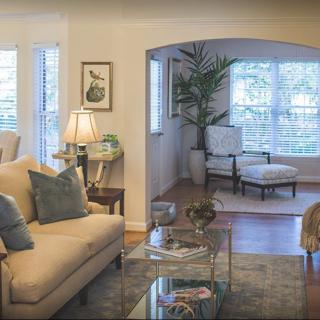
Fully furnished
Gaming room
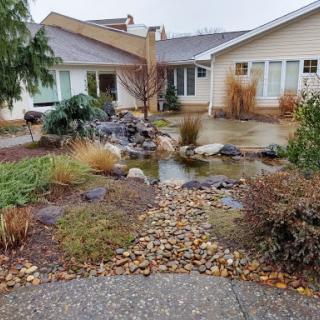
Garden
Housekeeping services
Kitchenette
Move-in coordination
Outdoor space
Private bathrooms
Restaurant-style dining
Small library
Telephone
Wellness center
Wi-Fi/high-speed internet available
Transportation
Piedmont Triad International (19 miles away)
Community operated transportation
Transportation arrangement
Transportation arrangement (non-medical)
Transportation to doctors appointments
Care Services
12-16 hour nursing
24-hour call system
24-hour supervision
Activities of daily living assistance
Assistance with bathing
Assistance with dressing
Assistance with transfers
Diabetes diet
Meal preparation and service
Medication management
Mental wellness program
Special dietary restrictions
Dining
Diabetes diet
Special dietary restrictions
Activities
Community-sponsored activities
Concierge services
Fitness programs
Planned day trips
Resident-run activities
Scheduled daily activities
Nearby Places of Interest
This part of Winston Salem, North Carolina offers a convenient and diverse array of amenities for seniors looking to settle down in the area. With several pharmacies located within close proximity, accessing necessary medications and healthcare services is easily manageable. Additionally, the presence of reputable hospitals and physicians nearby ensures access to quality medical care. The neighborhood also boasts a variety of dining options, ranging from casual cafes to upscale restaurants. Parks provide opportunities for outdoor recreation and relaxation, while theaters offer entertainment options for leisure activities. Places of worship cater to spiritual needs, and overall, this area provides a well-rounded environment for senior living.
Pharmacies
CVS Revco D.S. (0.3 miles)
Walgreens (0.4 miles)
CVS Pharmacy (3.1 miles)
South Park Family Pharmacy (3.8 miles)
Walgreens (5.4 miles)
Express Scripts Holding Co. (5.7 miles)
Walgreens (6.9 miles)
Hospitals
WFBH Ardmore Tower (0.4 miles)
Wake Forest Univ Bapt Med Center (0.9 miles)
Bethany Cardiology (17.3 miles)
Restaurants
West End Opera House (0.7 miles)
Gatsby's Pub (0.7 miles)
Bobby Boy Bakeshop (0.8 miles)
Mozelle's Fresh Southern Bistro (0.9 miles)
P.F. Chang's China Bistro (1.4 miles)
Wise Man Brewing (1.6 miles)
Sonic Drive-In (1.8 miles)
Parks
Miller Park (0.8 miles)
Salem Lake Trail (4.4 miles)
Union Cross Park (8.4 miles)
Physicians
O'connor John J Cpo (1 miles)
Urology Partners (2.8 miles)
Center For Clinical Research (2.8 miles)
Brookview Hills Internal Medicine (2.9 miles)
Cumadin Clinic (2.9 miles)
Nephrology Associates (2.9 miles)
Wake Forest Baptist Health - Internal Medicine - Highland Oaks (3 miles)
Cafes
Starbucks (1.5 miles)
Krankies Coffee (1.8 miles)
Starbucks (2.9 miles)
Starbucks (4.1 miles)
Panera Bread (17.7 miles)
Starbucks (21.2 miles)
Starbucks (21.6 miles)
Places of Worship
St John's Lutheran School (1.8 miles)
Immaculate Heart of Mary Catholic Church (15 miles)
Pneumonia significantly affects older adults due to weakened immune systems and atypical symptoms that complicate diagnosis, necessitating early detection and tailored treatment. Risk factors include chronic diseases and cognitive impairments, with preventive measures like vaccinations and healthy lifestyles being crucial for reducing risk.
Palliative care enhances the quality of life for seriously ill patients by providing comprehensive support at home through a multidisciplinary team, addressing various needs and prioritizing comfort over curative treatments. While it offers personalized care and involves family in decision-making, challenges like caregiver stress and logistical issues persist, with growing demand prompting advancements in technology and healthcare policies to improve access.
Palliative home care focuses on improving the quality of life for individuals with serious illnesses by providing comfort, symptom management, and emotional support in their own homes. This approach includes personalized care plans, regular assessments, and resources for family caregivers, all while prioritizing person-centered treatment that aligns with patients' goals.
Get PricingAsk A QuestionSchedule A TourContact Senior Advisor
By clicking submit, you agree to our Partner's Terms of Use. You
also consent to receive calls and texts, which may be autodialed, from our Partner. Your consent is not a condition to
using our Partner's service. Please visit our Partner's Privacy Policy for information about their privacy practices.

 230 resident community capacity
 Skilled Nursing Facility
 Air-conditioning
 Beauty salon
 Cable or satellite TV
 Computer center
 Dining room
 Fitness room
 Fully furnished
 Gaming room
 Garden
 Housekeeping services
 Kitchenette
 Move-in coordination
 Outdoor space
 Private bathrooms
 Restaurant-style dining
 Small library
 Telephone
 Wellness center
 Wi-Fi/high-speed internet available
 Piedmont Triad International (19 miles away)
 Community operated transportation
 12-16 hour nursing
 24-hour call system
 Activities of daily living assistance
 Assistance with bathing
 Assistance with dressing
 Assistance with transfers
 Diabetes diet
 Medication management
 Mental wellness program
 Special dietary restrictions
 Concierge services
 Planned day trips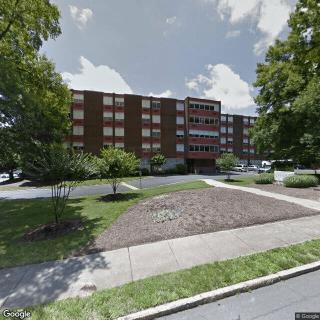
 Compassionate staff and a structured rehab setting.

 Essential Knowledge on Pneumonia in Older Adults
 Exploring Palliative Care in the Home: A Comprehensive Overview
 Comprehensive Insights into Palliative Home Care: What It Is and What to Expect