Memory care experiences are described as supportive and reassuring.
Multiple families describe the memory care unit as standout compared with what they expected, especially during transition and ongoing daily care. Reviews also credit staff for compassion and guidance to families, and some mention long-term stays with consistent support. One family also notes the Alzheimer’s experience as warm, professional, and mission-driven.
common23 reviews mention this
Caring, responsive staff stand out
Residents and families repeatedly describe staff as kind and attentive.
Across many reviews, families say staff show personal care, respond quickly to concerns, and treat residents with respect. Several comments highlight friendliness and professionalism when communicating with family members, while others describe staff as consistently present for daily needs. A few reviews also tie the good experience to cleanliness, neat appearance, and residents feeling safe and cared for.
common3 reviews mention this
Therapy support earns mentions
Rehab and therapy experiences are described positively.
Some reviews mention physical therapists and therapy as a reason families felt comfortable during rehab. One review specifically praises up-to-date therapy equipment and a recovery pace that was better than expected. Another short review simply notes therapy as part of a positive experience.
common7 reviews mention this
Activities and outings keep days full
Daily activities and outings are a consistent theme.
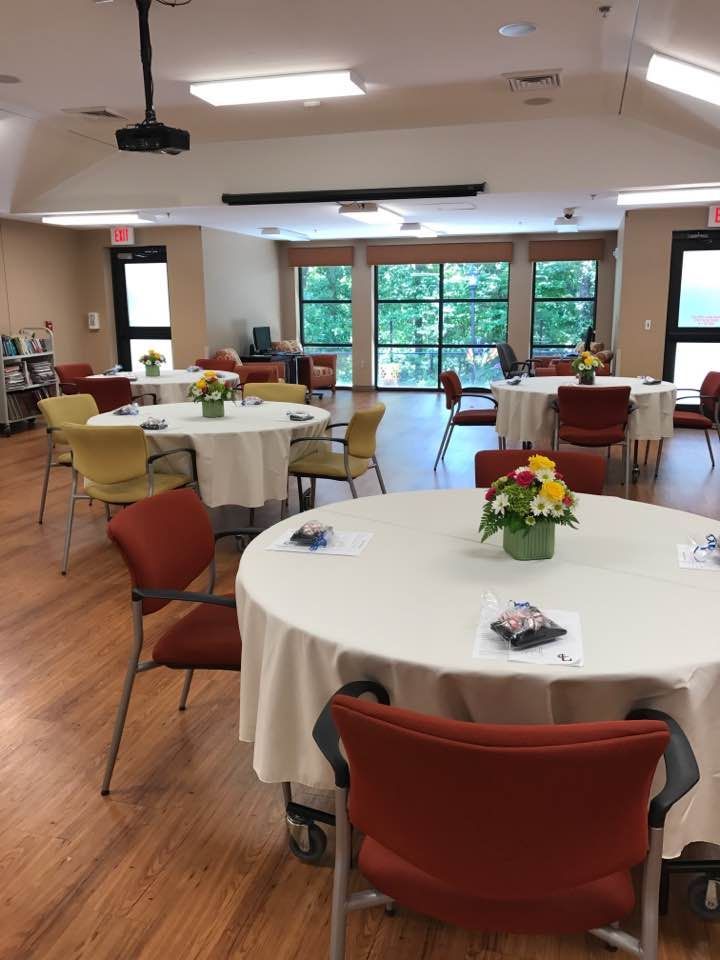
Several families describe planned daily activities, social events, and resident engagement, including games and crafts. Some reviews also point to outings and scheduled programming, while others describe the community spaces used for gatherings and entertainment. Volunteer and community-group visits are mentioned as another way residents stay connected.
caveat4 reviews mention this
Food is a common concern
Food satisfaction is a recurring weak spot in reviews.
While some reviews speak positively about dining, multiple others call out food as a downside. One family says food is the only downside and wishes it were tastier, while another says food is a major concern for many residents and directly affects whether people will be happy living there. Another review describes an unappealing feeding experience involving lima beans.
caveat4 reviews mention this
Staffing levels raise concerns
Some reviews question staffing adequacy for care needs.
A few reviews describe problems with staffing levels, including concerns about ratios and support for residents with dementia. There are also comments that wait times and basic assistance can be delayed when residents need help with daily tasks. One review also points to limited staffing in an independent-living portion, and another describes serious care failures that the reviewer attributes to inadequate attention to resident needs.
How we summarize
Counts show how many written reviews mention each theme; a review can touch several themes, and only frequently mentioned themes are displayed.
Features
Housing
106 resident community capacity
Types of Care
Continuing Care Retirement Community (CCRC)
Skilled Nursing Facility
Amenities
Air-conditioning
Beauty salon
Cable or satellite TV
Computer center
Fitness room
Fully furnished
Gaming room
Garden
Housekeeping services
Kitchenette
Move-in coordination
Outdoor space
Private bathrooms
Restaurant-style dining
Small library
Telephone
Wellness center
Wi-Fi/high-speed internet available
Transportation
Charlotte Douglas International (12 miles away)
Community operated transportation
Transportation arrangement
Transportation arrangement (non-medical)
Care Services
24-hour call system
24-hour supervision
Activities of daily living assistance
Assistance with bathing
Assistance with dressing
Assistance with transfers
Diabetes diet
Meal preparation and service
Medication management
Special dietary restrictions
Dining
Diabetes diet
Special dietary restrictions
Activities
Community-sponsored activities
Concierge services
Fitness programs
Planned day trips
Resident-run activities
Scheduled daily activities
Nearby Places of Interest
Pharmacies
CVS Pharmacy (0.4 miles)
Allen Drug (0.7 miles)
Shiv Pharmacy (5.4 miles)
CVS Pharmacy (7.7 miles)
Walgreens (8.1 miles)
CVS Pharmacy (8.9 miles)
CVS Pharmacy (9.1 miles)
Physicians
Riverbend Family Practice-Mt. Holly (5.6 miles)
Daniel Thomas Ness (6.1 miles)
Gaston Surgical (6.2 miles)
Metrolina Nephrology Associates Pa (6.2 miles)
CMC-Gastonia Specialty Center (6.2 miles)
Gaston Digestive Disease Clinic PA (6.2 miles)
Caromont Family Medicine (6.2 miles)
Restaurants
McDonald's (5.7 miles)
Sonic Drive-In (6.5 miles)
Cook Out (6.9 miles)
McDonald's (7.4 miles)
Chick-Fil-A (7.4 miles)
Sports Page (7.9 miles)
Casa Garcia Cantina Gr (8 miles)
Parks
Overlook Neighborhood (7.7 miles)
Blythe Landing Park (11.4 miles)
Richard Barry Park (13.7 miles)
Cafes
Floyd & Blackie's (8 miles)
Panera Bread (11.9 miles)
Starbucks (12.1 miles)
Panera Bread (12.9 miles)
Places of Worship
South Point United Methodist Church (10.7 miles)
Riverview Baptist Church (11.4 miles)
Transportation
The Club At CLT (11.9 miles)
Concourse A (12 miles)
CLT Car Rental Center (12 miles)
Concourse E (12.1 miles)
Main Concourse (12.1 miles)
Admirals Club (12.1 miles)
Security Checkpoint D (12.1 miles)
Hospitals
Novant Health Huntersville Medical Center (13.1 miles)
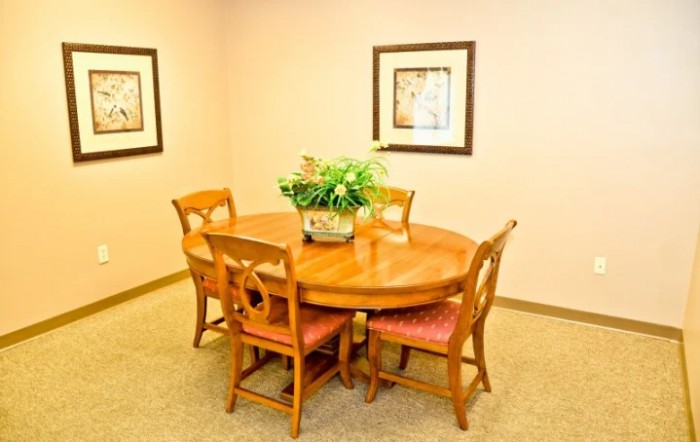
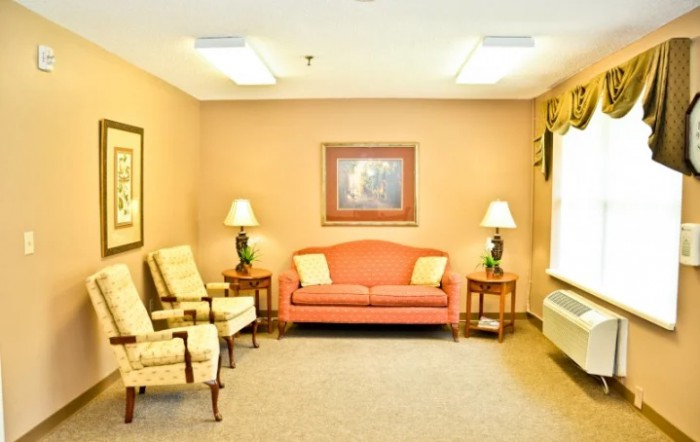
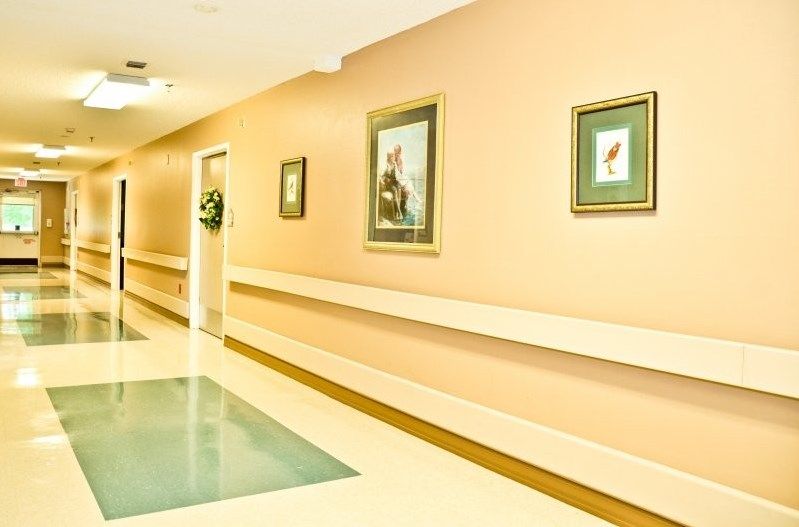
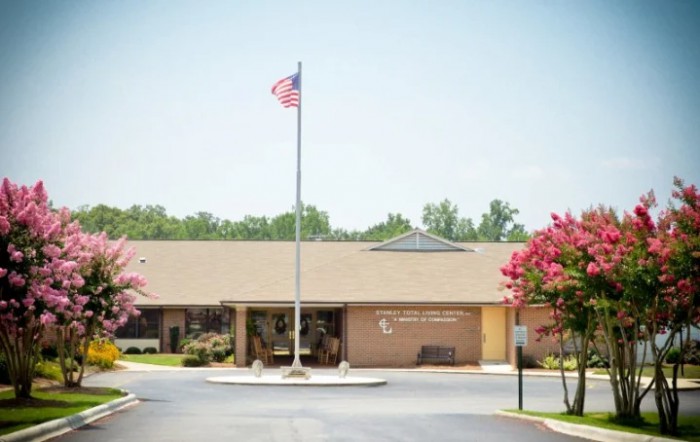
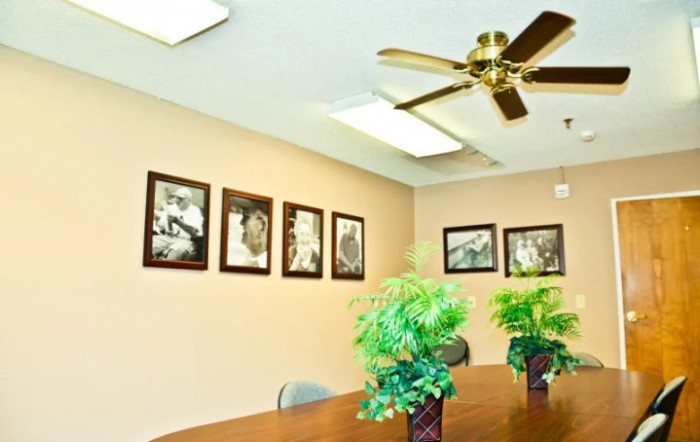
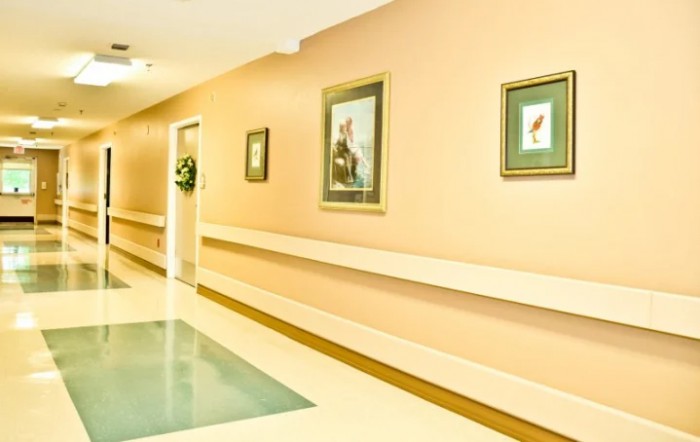
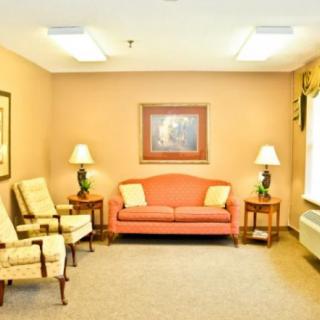
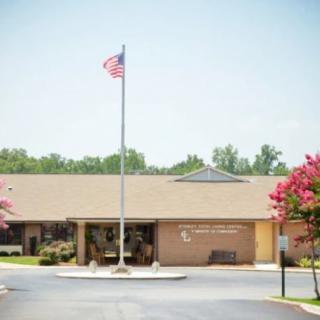
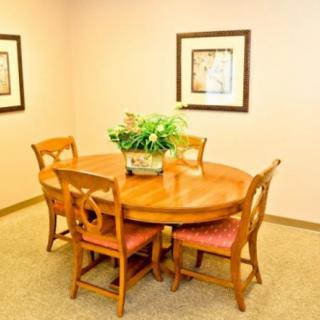
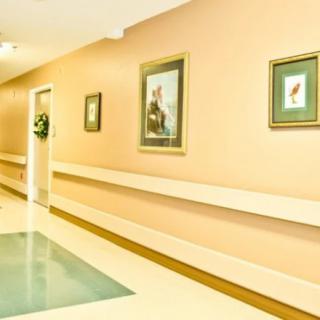
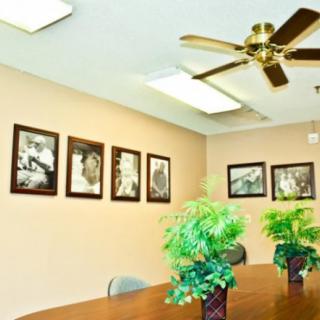
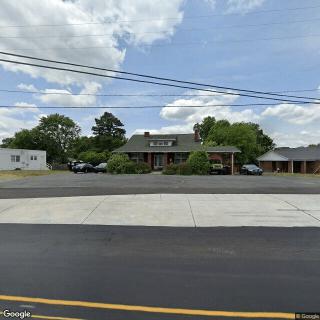
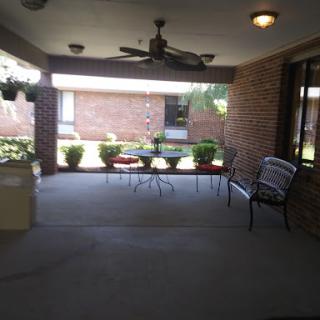
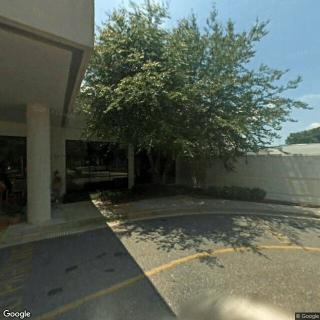
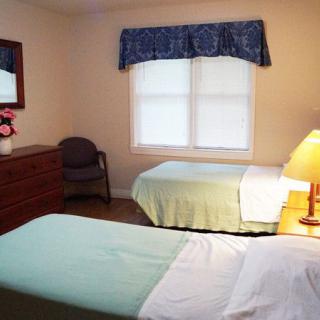
Stanley Total Living Center on seniors.fyi includes 7 photos including images showing interior, artwork, hallway, paintings, nursing home, dining, plant, living room, and more.
Nearby Communities
Stress Free Home Care
Stanley, NC
4.9 from 39 reviews
Compassionate, attentive care with proactive scheduling and clear family updates.
The Villas at Creek Walk
Stanley, NC
Small, friendly community with meal planning, medication management, and Wi?Fi; near pharmacies.
Stanley Total Living Ctr
Stanley, NC
3.7 from 28 reviews
Memory Care and Independent Living with diabetic care and on-site activities
Woodlawn Haven
Mount Holly, NC
2.9 from 30 reviews
$2,015 to $2,325 / month
Affordable pricing below local county/state averages with extensive amenities.
Touched By Angels Home Health
Mount Holly, NC
Personalized care with convenient access to nearby healthcare and amenities.
Brian Center Health & Rehab - Gastonia
Gastonia, NC
3.6 from 98 reviews
Extensive amenities and 24/7 care support
Alexandria Place
Gastonia, NC
3.2 from 16 reviews
$2,970 to $4,380 / month
Positive feedback on care quality and responsive staff from visitors.
Courtland Terrace Nursing Ctr
Gastonia, NC
4 from 70 reviews
Caring, attentive staff in a clean facility with rehab support.
Wellington House
Gastonia, NC
3.5 from 20 reviews
$3,700 / month
Specialized memory care with 24/7 supervision and tailored programming.
Nursing home care costs in the U.S. vary significantly based on location, level of care, and amenities, with private room prices ranging from approximately $6,700 to over $30,000 monthly. Families need to explore various payment options and conduct thorough research to manage these expenses effectively.
Nonmedical home care provides assistance with daily activities and companionship for individuals wishing to maintain independence and quality of life at home, without medical intervention. Its growing popularity is driven by an aging population, the need for supportive environments for recovery, and the emotional benefits of caregiver companionship, while costs vary based on service frequency and location.
Maintaining cognitive fitness through engaging in various brain games, both traditional and digital, is crucial for seniors as it enhances memory retention, problem-solving abilities, and emotional well-being while helping to protect against age-related decline. A holistic approach that includes diverse activities, physical exercise, a balanced diet, and social interaction further supports mental health and cognitive function.
Get PricingAsk A QuestionSchedule A TourContact Senior Advisor
By clicking submit, you agree to our Partner's Terms of Use. You
also consent to receive calls and texts, which may be autodialed, from our Partner. Your consent is not a condition to
using our Partner's service. Please visit our Partner's Privacy Policy for information about their privacy practices.

 106 resident community capacity
 Continuing Care Retirement Community (CCRC)
 Skilled Nursing Facility
 Air-conditioning
 Beauty salon
 Cable or satellite TV
 Computer center
 Fitness room
 Fully furnished
 Gaming room
 Garden
 Housekeeping services
 Kitchenette
 Move-in coordination
 Outdoor space
 Private bathrooms
 Restaurant-style dining
 Small library
 Telephone
 Wellness center
 Wi-Fi/high-speed internet available
 Charlotte Douglas International (12 miles away)
 Community operated transportation
 24-hour call system
 Activities of daily living assistance
 Assistance with bathing
 Assistance with dressing
 Assistance with transfers
 Diabetes diet
 Medication management
 Special dietary restrictions
 Concierge services
 Planned day trips
 Compassionate, attentive care with proactive scheduling and clear family updates.

 A Detailed Examination of Nursing Home Costs Across the U.S.
 Exploring Nonmedical Home Care: Understanding Services, Costs, and Financial Approaches
 Engaging Brain Games and Innovative Apps to Keep Senior Minds Active