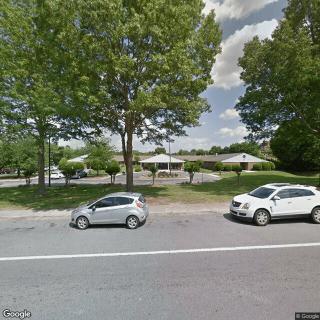
Clapps Nursing Center in Pleasant Garden, NC

Save
Clapps Nursing Center Clapps Nursing Center Clapps Nursing Center

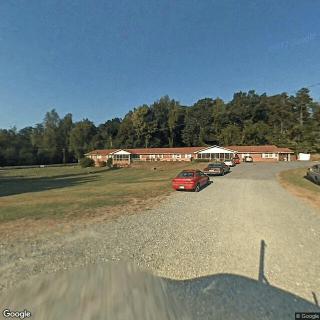
Clapps Nursing Center in Pleasant Garden, NC

5229 Appomattox Road, Pleasant Garden, NC 27313

For more information about senior living options: (844) 490-3973

4 from 45 reviews
5 stars
33
4 stars
1
3 stars
0
2 stars
2
1 stars
9

Skilled Nursing Facility

Clapps Nursing Center Costs & Pricing

Clapps Nursing Center offers competitive pricing for its residents, particularly in comparison to the broader market of Randolph County and the state of North Carolina. For a semi-private room, Clapps charges $3,000 per month, significantly lower than the county average of $4,316 and also below the state average of $3,584. This highlights a cost-effective solution for those seeking care in a shared environment. Meanwhile, for private accommodations, Clapps maintains a rate of $4,500, which is still favorable compared to Randolph County's average of $6,372 and closely aligns with North Carolina's state average of $4,425. Overall, Clapps Nursing Center presents an appealing financial alternative for families looking for quality nursing care within their community.

Floor plansClapps Nursing CenterRandolph CountyNorth Carolina
Semi-Private$3,000$4,316$3,584
Private$4,500$6,372$4,425

What level of care are you interested in?

Assisted Living

Memory Care

Independent Living

Skilled Nursing Facility

Continuing Care Retirement Community (CCRC)CCRC

Other


Request a tour at Clapps Nursing Center

    Overall Review of Clapps Nursing Center

    Pros

    • pro Clapps is highly recommended for anyone needing love and care.
    • pro The staff at Clapps goes above and beyond to provide the best experience for residents.
    • pro Families can rest easy knowing their loved ones are being cared for and loved.
    • pro The facility is clean, with unique room views and delicious food.
    • pro The team makes residents feel welcome from the reception desk to nurses, CNAs, and social workers.
    • pro Clapps Nursing Center is a top-tier rehab facility with a caring, knowledgeable staff.
    • pro The rehab staff are fabulous and genuinely caring.
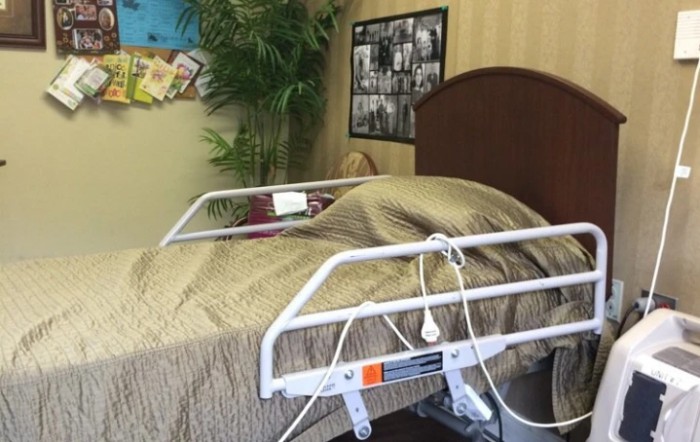
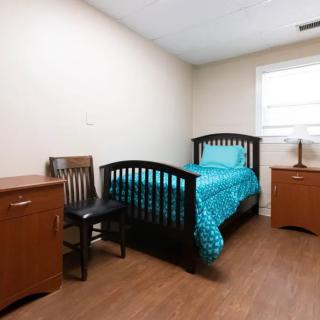
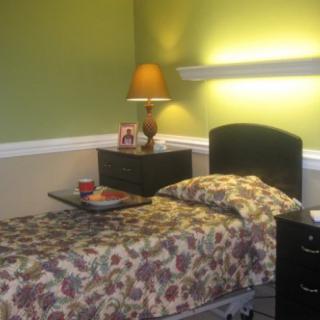
    • pro The rooms are bright, comfortable, and offer pleasant views.
    • pro The care at Clapps is life-changing for families and loved ones.

    Cons

    • pro The reviewer gave zero stars and warned others to remove their loved ones from Clapps.
    • pro The Asheboro location was accused of neglect, including letting a grandmother starve and become dehydrated, with morphine allegedly used as if she were dying.
    • pro They alleged malnutrition and dehydration led to a UTI and kidney issues, and claimed important records about morphine were omitted or altered.
    • pro A patient was described as not receiving prescribed meds for hours and left in a dirty diaper overnight.
    • pro The facility was called the dirtiest place the reviewer had ever seen, with claims that good housekeepers were fired.
    • pro They urged authorities to investigate the facility.
    • pro Admissions decisions were described as unilateral and made without family discussion, focusing on numbers over patient outcomes.
    • pro They warned not to place a loved one in any Clapps nursing home.

    Review

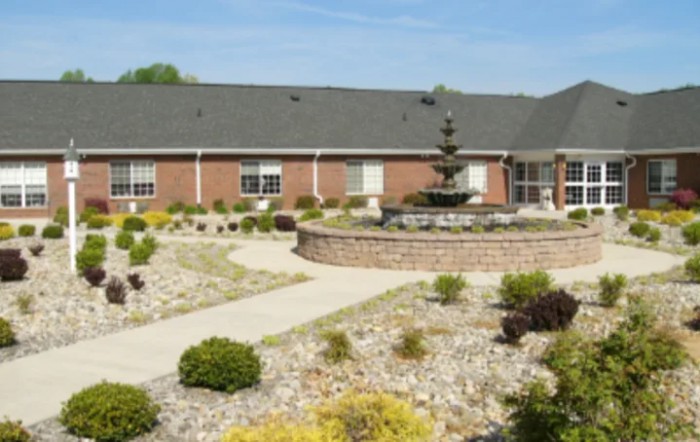
    Clapps Nursing Center in Pleasant Garden, NC is best suited for seniors who need rehabilitation or extended skilled care and who value a warm, family-like atmosphere where staff attentiveness and everyday kindness are visible every day. Families that want clear, ongoing communication, engaging activities, and meals that residents genuinely enjoy will find this community particularly appealing. The rehab track record stands out in reviews, with therapists and nurses described as thorough and dedicated, and with residents often expressing relief at being treated with genuine respect and care. For those who want a smaller, homey feel - beautiful grounds, a front porch for visits, and a sense that staff know residents by name - this campus frequently checks the right boxes.

    Those weighing alternatives should consider options for which flawless medical oversight and a fully transparent, rigid admissions process are nonnegotiables. Several reviews raise questions about admissions decisions, discharge planning, and the consistency of service from shift to shift. Some families report rude nut-of-the-day interactions from certain staff, or a sense that administrative processes can be slow or opaque. For residents with complex medical needs, or families who require ironclad guarantees about long-term placement and coverage, other facilities with more predictable, policy-driven approaches may feel safer. In short, those who cannot tolerate even occasional gaps in communication or process may want to shop broader.

    The strongest pros at Clapps offset many potential drawbacks because they translate into tangible daily benefits. First, the caregiving climate is solid: staff are repeatedly described as compassionate, patient, and genuinely invested in residents' well-being, creating a sense of family and safety. Second, the facility earns praise for cleanliness and overall upkeep, with well-kept rooms, pleasant common spaces, and inviting outdoor areas that support meaningful visits. Third, the rehab program is repeatedly highlighted as a strength, with therapy teams that coordinate care, monitor progress, and help residents regain function. And fourth, families frequently commend the food, the menu options, and the sense that residents are treated with dignity and respect. When these positives collide with occasional service hiccups, the balance still tilts toward a high-quality experience for most residents.

    That said, certain red flags deserve sober consideration. A handful of reviews describe delays in routine care, including medications, and questions about the timeliness of hospital-to-facility transitions. One particularly grave narrative centers on issues at a different Clapps campus, raising concerns about possible neglect and coercive decisions; while this is not the Pleasant Garden location, it underscores the importance of verifying current staffing levels, safety practices, and the campus-specific record before enrolling. The recurring theme across several accounts is that expectations must be aligned with reality through direct conversations: what is the plan if coverage ends, how is long-term housing secured, and who is accountable for ongoing assessments? These inquiries are essential to separate genuine care strengths from potential operational gaps.

    Prospective families should approach a tour with specific questions in hand. Request access to recent state inspection reports and staffing ratios, ask for a day-to-day outline of medication administration, meal delivery, and nurse availability, and insist on meeting the therapy team as well as the front-desk and admissions staff. Observe how quickly staff respond to call bells, how clean the rooms and bathrooms are, and whether residents have meaningful interactions with aides and therapists. Seek candid feedback from current residents and families about daily life, activity calendars, and the realism of discharge or transfer plans. By anchoring decisions to measurable factors - staffing, timeliness of care, and the consistency of therapeutic services - families can accurately gauge whether Clapps meets their non-negotiables.

    Ultimately, Clapps Nursing Center presents a compelling option for families prioritizing warmth, communication, and robust rehabilitation within a supportive, home-like environment. The consensus from most reviews points to excellent personal attention, cleanliness, engaging activities, and an honest dedication to residents' comfort and recovery. The chief caveat is the variability inherent in any multi-location operator: admissions processes, occasional delays, and the potential for dissatisfaction with specific staff interactions. If these risks are managed through due diligence - premade questions, thorough tours, and current references - Clapps can be a highly suitable choice for a loved one who needs rehab or ongoing skilled care and who thrives in a community where kindness is experienced daily.

    Features

    Housing

    • 118 resident community capacity 118 resident community capacity

    Types of Care

    • Skilled Nursing Facility Skilled Nursing FacilitySkilled Nursing Facilities are crucial for seniors as they provide round-the-clock medical care, rehabilitation services, and assistance with daily activities. These facilities ensure that seniors receive the specialized care they need to maintain their health and well-being as they age.

    Amenities

    • Air-conditioning Air-conditioningAir conditioning is important for seniors as they are more vulnerable to heat-related illnesses and may have underlying health conditions that make it difficult for them to regulate their body temperature. It helps to keep them comfortable, safe, and healthy in hot weather.
    • Beauty salon Beauty salonBeauty salons are important for seniors because they provide a space for them to feel pampered, socialize, and maintain their personal grooming and hygiene. Regular visits to a beauty salon can help boost seniors' self-esteem and overall well-being.
    • Cable or satellite TV Cable or satellite TVCable or satellite TV is important for seniors because it provides entertainment, news, and companionship, helping to combat loneliness and boredom. It also offers a wide range of programming options tailored to different interests and preferences.
    • Computer center Computer centerA computer center is essential for seniors as it provides access to technology, communication tools, and resources that can enhance their daily lives. It allows them to stay connected with loved ones, engage in online activities, and learn new skills, ultimately promoting socialization and mental stimulation.
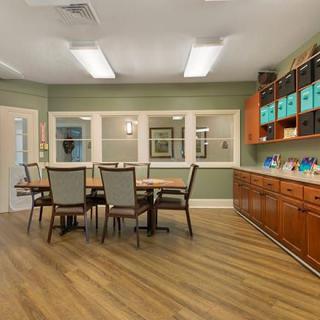
    • Dining room Dining roomDining rooms are important for seniors as they provide a space for socialization, connection, and nutritious meals. They offer opportunities for residents to bond over shared meals, foster a sense of community, and promote healthy eating habits. Dining rooms also ensure that seniors have access to well-balanced meals tailored to their dietary needs and preferences.
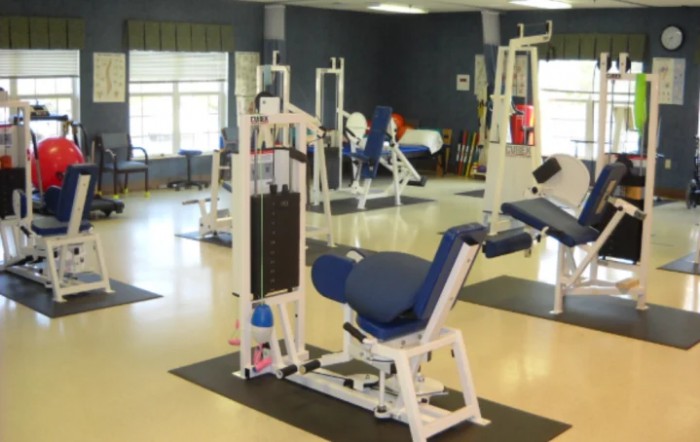
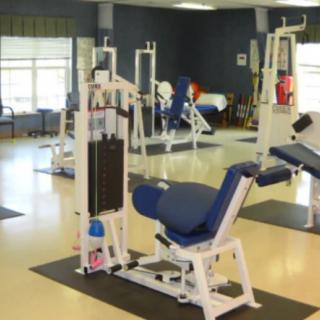
    • Fitness room Fitness roomHaving a fitness room in a senior living community is essential for seniors to stay active, maintain their physical health, and improve their overall well-being. Regular exercise can help prevent falls, reduce the risk of chronic diseases, and promote mental sharpness. It also provides social opportunities for residents to connect with others and enjoy a sense of community.
    • Fully furnished Fully furnishedFully furnished senior living communities are important for seniors because they provide convenience, comfort, and a hassle-free moving experience. Seniors can easily settle into their new living space without the stress of having to buy and move furniture. This allows them to focus on enjoying their new home and community.
    • Gaming room Gaming roomGaming rooms are important for seniors as they provide a fun and engaging environment for socializing, cognitive stimulation, and physical activity. Games can improve memory, problem-solving skills, and overall mental well-being while fostering friendships and reducing feelings of isolation.
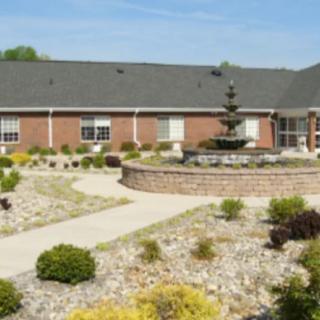
    • Garden GardenGardens are important for seniors as they provide a peaceful and therapeutic environment for relaxation, physical activity, and socialization. Being in nature has been shown to reduce stress, improve mood, and promote overall well-being. Gardens also offer opportunities for seniors to engage in gardening activities, which can improve mobility, flexibility, and cognitive function. Additionally, gardens create a sense of community and connection with others who share a passion for plants and outdoor spaces.
    • Housekeeping services Housekeeping servicesHousekeeping services are important for seniors because they help maintain a clean and safe living environment, promote independence, and reduce the risk of accidents or illnesses. Additionally, having assistance with household chores can alleviate physical strain and allow seniors to focus on other aspects of their well-being.
    • Kitchenette KitchenetteKitchenettes are important for seniors living in senior living communities because they provide the convenience and independence of being able to prepare simple meals and snacks in the comfort of their own living space. This can help promote a sense of autonomy and well-being for seniors, allowing them to maintain some level of control over their dietary choices and daily routines.
    • Move-in coordination Move-in coordinationMove-in coordination is important for seniors because it helps ease the transition into their new living environment. It ensures that all logistics, such as packing, organizing movers, and setting up utilities are taken care of, allowing seniors to focus on settling in and adjusting to their new home. Having a smooth move-in process can alleviate stress and anxiety, making the transition smoother and more enjoyable for seniors.
    • Outdoor space Outdoor spaceOutdoor spaces are important for seniors as they provide opportunities for physical activity, social interaction, exposure to natural light and fresh air, and a sense of connection to nature. Having access to outdoor spaces can improve overall well-being and quality of life for older adults living in senior communities.
    • Private bathrooms Private bathroomsPrivate bathrooms are important for seniors in senior living communities because they provide independence, dignity, and comfort. Having a private bathroom allows seniors to maintain their personal hygiene routines without the need for assistance, promoting a sense of autonomy and privacy. Additionally, private bathrooms help prevent the spread of infections and provide a safe and clean environment for seniors to navigate safely.
    • Restaurant-style dining Restaurant-style diningRestaurant-style dining is important for seniors because it allows them to enjoy delicious, nutritious meals in a social and upscale setting. This enhances their dining experience, promotes healthy eating habits, and fosters socialization with fellow residents, ultimately contributing to their overall well-being and quality of life.
    • Small library Small librarySmall libraries are important for seniors as they provide access to a variety of reading materials, including books, newspapers, and magazines. This can help stimulate their minds, keep them engaged, and provide a sense of community through book clubs and other social activities. Additionally, reading has been shown to improve cognitive function and overall mental well-being in older adults.
    • Telephone TelephoneTelephones are important for seniors as they provide a lifeline for communication with loved ones, emergency services, and healthcare providers. They offer a sense of security and independence, enabling seniors to stay connected and access assistance when needed.
    • Wellness center Wellness centerWellness centers are important for seniors because they offer a variety of programs and services that promote physical, mental, and emotional well-being. These centers provide opportunities for exercise, socialization, education, and relaxation, helping seniors maintain their overall health and quality of life.
    • Wi-Fi/high-speed internet available Wi-Fi/high-speed internet availableWi-Fi/high-speed internet is important for seniors to stay connected with loved ones, access online resources, and participate in virtual activities to combat feelings of loneliness and isolation. It also allows them to easily manage healthcare needs, access entertainment, and engage in lifelong learning opportunities.

    Transportation

    • Piedmont Triad International (14 miles away) Piedmont Triad International (14 miles away)
    • Community operated transportation Community operated transportationCommunity operated transportation is crucial for seniors as it provides them with the means to access essential services, social activities, and medical appointments. It allows seniors to maintain their independence and quality of life by ensuring they can participate in activities outside of their homes. Additionally, community-operated transportation services offer a safe and reliable way for seniors to travel without having to rely on family or friends for assistance.
    • Transportation arrangement Transportation arrangementTransportation arrangements are crucial for seniors as they may face challenges with driving, mobility, or access to public transportation. Having reliable transportation services ensures that seniors can easily attend appointments, social activities, and maintain their independence and quality of life.
    • Transportation arrangement (non-medical) Transportation arrangement (non-medical)Transportation arrangements are essential for seniors as they provide access to essential services, activities, and social interactions outside the home. This service helps maintain independence, mobility, and overall well-being for seniors who may have limited transportation options.
    • Transportation to doctors appointments Transportation to doctors appointmentsTransportation to doctors appointments is crucial for seniors as it ensures they have access to necessary medical care and support, promoting their health and well-being. It allows them to receive timely treatment, monitor existing conditions, and address any new health concerns efficiently. Additionally, transportation services can help seniors maintain their independence and quality of life by enabling them to stay connected with their healthcare providers.

    Care Services

    • 12-16 hour nursing 12-16 hour nursing12-16 hour nursing care is crucial for seniors in order to ensure around-the-clock monitoring, timely medication administration, and prompt response to any health concerns or emergencies. This level of care helps to promote the overall well-being and safety of seniors living in senior living communities.
    • 24-hour call system 24-hour call system24-hour call systems are important for seniors because they provide peace of mind and immediate assistance in case of emergencies. This technology ensures that help is always available, promoting safety and security for elderly individuals living alone or in assisted living facilities.
    • 24-hour supervision 24-hour supervision24-hour supervision is important for seniors to ensure their safety, well-being, and access to immediate assistance in case of emergencies or health issues. This constant support provides peace of mind for both seniors and their loved ones, allowing them to age in place with dignity and security.
    • Activities of daily living assistance Activities of daily living assistanceActivities of daily living assistance are important for seniors because they provide essential support with tasks such as eating, bathing, dressing, and mobility. This assistance helps seniors maintain their independence, dignity, and overall quality of life as they age.
    • Assistance with bathing Assistance with bathingAssistance with bathing is crucial for seniors as it helps maintain personal hygiene, prevents infections, and ensures their overall well-being and comfort. It also provides a sense of dignity and independence for seniors who may struggle with this task on their own.
    • Assistance with dressing Assistance with dressingAssistance with dressing is important for seniors because it helps maintain their independence, promotes personal hygiene, prevents accidents and injuries, and improves overall quality of life. This service ensures that seniors can continue to dress comfortably and confidently, despite any physical limitations they may have.
    • Assistance with transfers Assistance with transfersAssistance with transfers is crucial for seniors as it helps prevent falls and injuries, maintains their independence, and ensures they can safely navigate their living environment. It also provides peace of mind for both seniors and their loved ones.
    • Diabetes diet Diabetes dietA diabetes diet is crucial for seniors as it helps manage blood sugar levels, reduce risks of complications, and improve overall health and well-being. By following a balanced and nutritious diet tailored to their specific needs, seniors can better control their diabetes and enhance their quality of life.
    • Meal preparation and service Meal preparation and serviceMeal preparation and service are crucial for seniors as they may have limited mobility or energy to cook nutritious meals. Having access to healthy and convenient food options can ensure they are getting the proper nutrition needed to maintain their overall health and well-being.
    • Medication management Medication managementMedication management is crucial for seniors to ensure they are taking the right medications at the correct dosages and times. This helps prevent adverse drug interactions, reduces the risk of medication errors, and promotes overall health and well-being. Proactive management also allows for adjustments as needed based on changing health conditions or new prescriptions.
    • Mental wellness program Mental wellness programMental wellness programs are essential for seniors as they promote cognitive stimulation, emotional support, and social engagement. These programs help prevent isolation, depression, and cognitive decline, ultimately enhancing the overall quality of life for older adults.
    • Special dietary restrictions Special dietary restrictionsSpecial dietary restrictions are important for seniors because age-related changes in metabolism and health conditions can make it difficult for their bodies to process certain foods. By following a diet tailored to their specific needs, seniors can maintain their overall health and well-being, manage chronic conditions, and reduce the risk of complications such as malnutrition or food interactions with medications.

    Dining

    • Diabetes diet Diabetes dietA diabetes diet is crucial for seniors as it helps manage blood sugar levels, reduce risks of complications, and improve overall health and well-being. By following a balanced and nutritious diet tailored to their specific needs, seniors can better control their diabetes and enhance their quality of life.
    • Special dietary restrictions Special dietary restrictionsSpecial dietary restrictions are important for seniors because age-related changes in metabolism and health conditions can make it difficult for their bodies to process certain foods. By following a diet tailored to their specific needs, seniors can maintain their overall health and well-being, manage chronic conditions, and reduce the risk of complications such as malnutrition or food interactions with medications.

    Activities

    • Community-sponsored activities Community-sponsored activitiesCommunity-sponsored activities are important for seniors as they provide opportunities for social interaction, mental stimulation, and physical activity. These activities can help improve overall well-being, combat loneliness and isolation, and promote a sense of belonging and purpose among older adults.
    • Concierge services Concierge servicesConcierge services are essential for seniors as they provide assistance with daily tasks and errands, enhance their quality of life by offering convenience and personalized care, and promote a sense of safety and security.
    • Fitness programs Fitness programsFitness programs are crucial for seniors as they help improve strength, flexibility, balance, and overall well-being. Staying active can reduce the risk of chronic diseases, improve mental health, and enhance quality of life in older adults.
    • Planned day trips Planned day tripsPlanned day trips are important for seniors because they offer opportunities for socialization, mental stimulation, and physical activity. They provide a change of scenery and help seniors stay engaged and connected to their community, promoting overall well-being and quality of life.
    • Resident-run activities Resident-run activitiesResident-run activities are important for seniors as they encourage social interaction, creativity, and a sense of autonomy. These activities empower seniors to stay engaged and active in their community while fostering meaningful connections with their peers.
    • Scheduled daily activities Scheduled daily activitiesScheduled daily activities are important for seniors because they provide structure, socialization, mental stimulation, and physical activity. Engaging in regular activities can improve overall well-being and quality of life for seniors living in a community setting.

    Description

    Clapps Nursing Center in Pleasant Garden, NC is a premier assisted living community that offers an array of amenities and care services to meet the needs and desires of its residents. The community boasts a cozy and comfortable environment, providing a true home-like experience.

    Residents at Clapps Nursing Center can take advantage of various amenities designed to enhance their daily lives. A beauty salon is available for residents to receive professional haircuts and styling services. Cable or satellite TV is provided in each room, allowing residents to enjoy their favorite shows and programs. Community operated transportation ensures that residents have access to convenient transportation options for running errands or attending social outings. A computer center is also available for residents who wish to stay connected with loved ones or pursue personal interests online.

    The dining options at Clapps Nursing Center are exceptional, with a spacious and elegant dining room where delicious restaurant-style meals are served. Special dietary restrictions are accommodated, ensuring that all residents can enjoy healthy and satisfying meals tailored to their individual needs.

    Engaging activities play an essential role in creating a vibrant community atmosphere. Clapps Nursing Center offers concierge services to assist residents in planning their daily activities and organizing outings or events. Fitness programs promote physical wellness, while resident-run activities encourage social interaction among peers. Planned day trips provide opportunities for exploration and adventure outside the community, while scheduled daily activities offer a variety of engaging options for residents to participate in.

    Care services at Clapps Nursing Center prioritize the well-being and comfort of all residents. A 24-hour call system ensures that help is always readily available when needed. Trained staff members provide 24-hour supervision, offering peace of mind to both residents and their families. Assistance with daily tasks such as bathing, dressing, and transfers is provided to those who require it. Medication management ensures that medications are taken on time and as prescribed.

    Clapps Nursing Center understands the importance of addressing specific health needs. A diabetes diet is available for residents with diabetes, and special dietary restrictions are accommodated to ensure that all residents enjoy nutritious and appetizing meals. A mental wellness program is in place to support the emotional well-being of residents.

    Transportation arrangements for non-medical purposes are provided, allowing residents to easily access local amenities and services. Additionally, transportation to doctors' appointments is available for convenience and peace of mind.

    Clapps Nursing Center believes in promoting overall wellness for its residents. A fitness room is available for those who wish to engage in physical activities, while a wellness center offers specialized programs to support residents' health goals. Wi-Fi/high-speed internet connectivity ensures that residents can stay connected with family and friends or pursue online activities.

    Whether seeking an active social life or comfortable care, Clapps Nursing Center offers a welcoming environment where residents feel at home and receive the attention they deserve.

    Nearby Places of Interest

    Restaurants

    • K&W Cafeteria (5.7 miles)
    • Jake's Diner (7.6 miles)
    • Bojangles' Famous Chicken 'n Biscuits (7.7 miles)
    • Stamey's Barbecue (8 miles)
    • Hops Burger Bar (8.4 miles)
    • Nazareth Bread (9.5 miles)
    • Kickback Jack's (9.5 miles)

    Places of Worship

    • Pinecroft Baptist Church (6.4 miles)
    • Lindley Park Baptist Church (9.2 miles)
    • Christ United Methodist Church (9.9 miles)
    • Abundant Life (12.6 miles)
    • South Plainfield Friends Meeting (12.7 miles)
    • Baptist State Convention Of NC (15.1 miles)
    • Immaculate Heart of Mary Catholic Church (15.4 miles)

    Pharmacies

    • Walgreens (7.4 miles)
    • Walgreens (7.6 miles)
    • Walgreens (8.8 miles)
    • CVS Pharmacy (10.1 miles)
    • Healthy House (10.4 miles)
    • Walmart Pharmacy (10.6 miles)
    • Walgreens (10.7 miles)

    Physicians

    • Eagle Family Medicine At Triad (9.3 miles)
    • Greensboro Imaging (9.3 miles)
    • Greensboro Orthopaedics (9.9 miles)
    • Guilford Family Dentistry (10 miles)
    • Greensboro Orthopedics (10.6 miles)
    • Carolina Surgical Arts (10.8 miles)
    • Labauer Health Care Pa (11.2 miles)

    Theaters

    • AMC CLASSIC Greensboro 18 (9.4 miles)
    • Regal Greensboro Grande & RPX (9.9 miles)
    • Regal Palladium & IMAX (12.5 miles)

    Cafes

    • Caribou Coffee (9.8 miles)
    • Starbucks (10.3 miles)
    • Panera Bread (10.5 miles)
    • Starbucks (11.5 miles)
    • Starbucks (11.6 miles)
    • Panera Bread (12.8 miles)
    • Starbucks (14.4 miles)

    Hospitals

    • Bethany Cardiology (13.1 miles)
    • Cone Health Alamance Regional Medical Center (15.9 miles)

    Parks

    • Springwood Park (13.9 miles)

    Frequently Asked Questions

    How much does it cost to live at Clapps Nursing Center in Pleasant Garden, NC?
    Where is Clapps Nursing Center?
    What photos are available for Clapps Nursing Center in Pleasant Garden, North Carolina?

    Nearby Communities

    • Clapp's Assisted Living

      Clapp's Assisted Living

      Pleasant Garden, NC

      4.3 from 3 reviews
       

      pro Clean, well-maintained facility with attentive staff and engaging daily activities.

    • Bennett's Family Care Home

      Bennett's Family Care Home

      Greensboro, NC


      pro Small, intimate 6-bed setting with personalized care and comprehensive services.

    • Serenity Care Rest Home

      Serenity Care Rest Home

      Greensboro, NC


      pro Personalized care with diabetic support and off-site devotional activities.

    • Greenhaven Health And Rehabilitation Center

      Greenhaven Health And Rehabilitation Center

      Greensboro, NC


      pro Comprehensive on-site amenities with 24/7 supervision and medication management.

    • Guilford Health Care Center

      Guilford Health Care Center

      Greensboro, NC

      4.3 from 113 reviews
       

      pro Caring staff and effective rehabilitation services.

    • Long's Rest Home For Aged

      Long's Rest Home For Aged

      Greensboro, NC


      pro 24-hour supervision with comprehensive ADL support and move-in coordination.

    • Maple Grove Health & Rehab Center

      Maple Grove Health & Rehab Center

      Greensboro, NC


      pro Strong skilled nursing and diabetic care with social spaces and nearby amenities.

    • Wellington Oaks

      Wellington Oaks

      Greensboro, NC

      3.4 from 42 reviews
       

      pro Caring staff, active memory care, and clean facilities.

    • Adams Farm Living & Rehabilitation

      Adams Farm Living & Rehabilitation

      Jamestown, NC

      3.7 from 15 reviews
       

      pro Attentive staff, clean facility, strong rehabilitation and engaging activities with a pleasant courtyard.

    Related Resources

    • pneumonia in elderlyEssential Knowledge on Pneumonia in Older Adults

      Pneumonia significantly affects older adults due to weakened immune systems and atypical symptoms that complicate diagnosis, necessitating early detection and tailored treatment. Risk factors include chronic diseases and cognitive impairments, with preventive measures like vaccinations and healthy lifestyles being crucial for reducing risk.

    • palliative care at homeExploring Palliative Care in the Home: A Comprehensive Overview

      Palliative care enhances the quality of life for seriously ill patients by providing comprehensive support at home through a multidisciplinary team, addressing various needs and prioritizing comfort over curative treatments. While it offers personalized care and involves family in decision-making, challenges like caregiver stress and logistical issues persist, with growing demand prompting advancements in technology and healthcare policies to improve access.

    • palliative care at homeComprehensive Insights into Palliative Home Care: What It Is and What to Expect
      Palliative home care focuses on improving the quality of life for individuals with serious illnesses by providing comfort, symptom management, and emotional support in their own homes. This approach includes personalized care plans, regular assessments, and resources for family caregivers, all while prioritizing person-centered treatment that aligns with patients' goals.


    Get Pricing Ask A Question Schedule A Tour Contact Senior Advisor