Surry Community Health And Rehab Center Costs & Pricing
Surry Community Health and Rehab Center offers competitive pricing for its services compared to both Surry County and the broader North Carolina state averages. For semi-private rooms, the center charges $4,319 per month, which is notably higher than the county's average of $3,022 but slightly above the state average of $3,584. Similarly, for private rooms, Surry Community's rate is set at $4,695, exceeding both Surry County's average of $4,189 and North Carolina's average of $4,425. This pricing structure may reflect the center's commitment to quality care and specialized services offered within its facility.
Floor plans
Surry Community Health And Rehab Center
Surry County
North Carolina
Semi-Private
$4,319
$3,022
$3,584
Private
$4,695
$4,189
$4,425
Skilled Nursing Facilities with a similar price nearby
Overall Review of Surry Community Health And Rehab Center
differentiator7 reviews mention this
Rehab and therapy are central
Residents consistently describe therapy and rehab as a major part of life here.
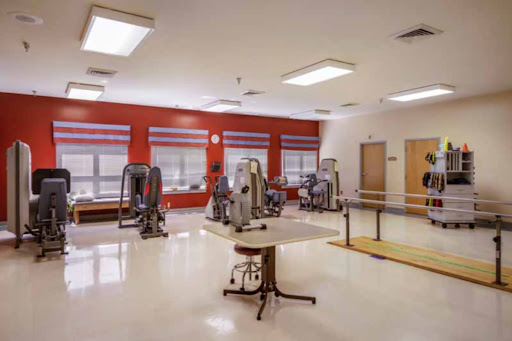
A recurring theme is therapy support during short-term stays and recovery—multiple reviewers mention physical therapy helping with strength, walking, or mobility. Several families also describe staff working with residents after events like a severe stroke, surgery recovery, or falls. Even in the less favorable feedback, residents or families still frame their experience around whether rehab and care were delivered as expected.
common5 reviews mention this
Food earns repeated praise
Food quality is one of the most consistently praised daily details.
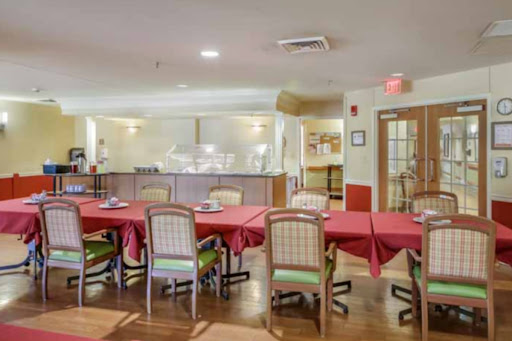
Many reviews mention the food positively, including comments that meals are great, good, and prepared in a way patients appreciate. A few reviewers also connect the kitchen and dining experience to how well their loved one felt day to day. The community also states it provides restaurant-style dining and offers diabetes- and special-diet options, which aligns with the diet-focused items mentioned.
common25 reviews mention this
Staff are caring and helpful
Residents and families repeatedly describe staff as kind and responsive.
Across the reviews, people frequently highlight staff members for going out of their way, being helpful, and communicating well with families. Several reviewers name specific nurses, CNAs, aides, and therapy team members as supportive during recovery. The community also offers ADL assistance and medication management services, which matches the emphasis on day-to-day care support in the reviews.
common4 reviews mention this
Facility cleanliness is noted
Clean, well-kept spaces come up in multiple reviews.
Several reviewers directly mention clean facilities and a clean environment. Housekeeping is also called out for keeping the building clean. In the broader set of experiences, cleanliness appears as a steady positive point even when other aspects are more mixed.
caveat4 reviews mention this
Staffing problems show up
Some reviews report serious staffing and care breakdowns.
A smaller set of reviews describes overwhelmed staffing and delayed care, including difficulty getting help promptly and medication delivery taking too long. Others describe severe negative experiences involving staff behavior and family access during a critical moment. One review also mentions being short on CNAs, which affected routine needs like shower days.
How we summarize
Counts show how many written reviews mention each theme; a review can touch several themes, and only frequently mentioned themes are displayed.
Features
Housing
120 resident community capacity
Types of Care
Skilled Nursing Facility
Amenities
Air-conditioning
Beauty salon
Cable or satellite TV
Computer center
Dining room
Fitness room
Fully furnished
Gaming room
Garden
Housekeeping services
Kitchenette
Move-in coordination
Outdoor space
Private
Private bathrooms
Restaurant-style dining
Small library
Telephone
Wellness center
Wi-Fi/high-speed internet available
Transportation
Community operated transportation
Transportation arrangement
Transportation arrangement (non-medical)
Transportation to doctors appointments
Care Services
12-16 hour nursing
24-hour call system
24-hour supervision
Activities of daily living assistance
Assistance with bathing
Assistance with dressing
Assistance with transfers
Diabetes diet
Meal preparation and service
Medication management
Mental wellness program
Special dietary restrictions
Dining
Diabetes diet
Special dietary restrictions
Activities
Community-sponsored activities
Concierge services
Fitness programs
Planned day trips
Resident-run activities
Scheduled daily activities
Nearby Places of Interest
Hospitals
Surry Community Health Center by Harborview (0 miles)
Rogers Plumbing (9.2 miles)
Rehab Services Hillsville-Tcrh (18.3 miles)
Restaurants
JB's Nite Life (0.5 miles)
McDonald's (1.2 miles)
Olympia Family Restaurant (1.2 miles)
El Agavero Mexicano (1.5 miles)
CF Jones Classic Cafe (1.6 miles)
Pizza Hut (1.9 miles)
13 Bones (2.2 miles)
Physicians
Northern Pediatrics (0.7 miles)
Medical Associates of Surry (0.9 miles)
Rhoden Carl-Ray D MD - Novant Health Surry Medical Associates (0.9 miles)
Primary Care Of Mt Airy (1.2 miles)
Novant Health Cardiology (1.3 miles)
Heart & Vascular Center (1.3 miles)
Tri-Area Community Health Clinic at Laurel Fork (14.8 miles)
Pharmacies
Epic Pharmacies (0.7 miles)
Health Mart Pharmacy (1.4 miles)
Medicine Shoppe (1.4 miles)
Tri-Area Community Pharmacy at Laurel Fork (14.8 miles)
Surry Community Health and Rehab Center offers competitive pricing for its services compared to both Surry County and the broader North Carolina state averages. For semi-private rooms, the center charges $4,319 per month, which is notably higher than the county's average of $3,022 but slightly above the state average of $3,584. Similarly, for private rooms, Surry Community's rate is set at $4,695, exceeding both Surry County's average of $4,189 and North Carolina's average of $4,425. This pricing structure may reflect the center's commitment to quality care and specialized services offered within its facility.
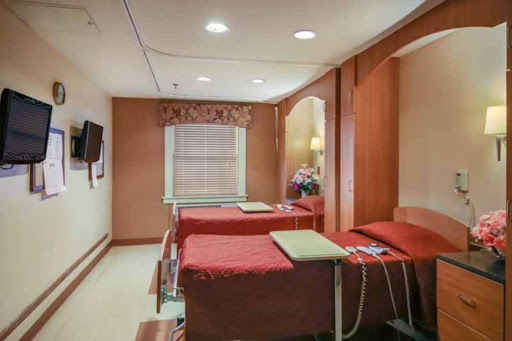
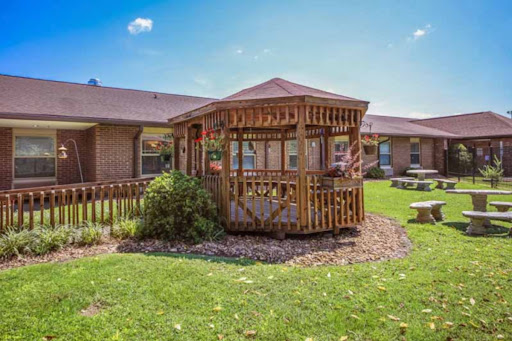
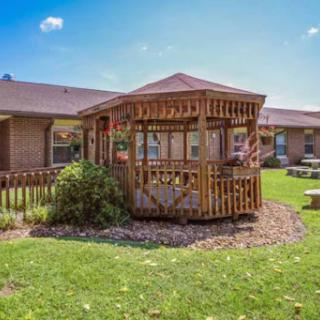
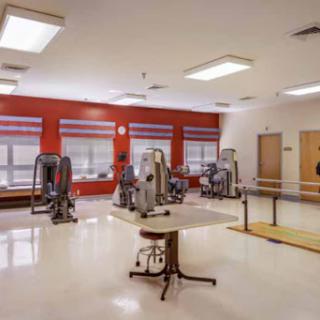
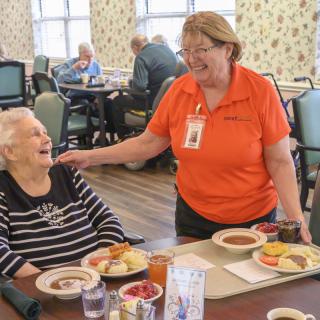
Surry Community Health And Rehab Center on seniors.fyi includes 7 photos including images showing interior, dining, rehabilitation, building, architecture, exterior, lobby, seating area, and more.
Nearby Communities
Ridgecrest
Mount Airy, NC
4.8 from 59 reviews
$1,575 to $2,460 / month
Caring staff, welcoming community, and engaging wellness/activities.
Twelve Oaks
Mount Airy, NC
4.7 from 80 reviews
$1,950 to $2,500 / month
Caring, attentive staff in a clean, home-like memory care setting with engaging activities.
Home Instead - Mount Airy, NC
Mount Airy, NC
5 from 12 reviews
Supportive, family-like culture with flexible scheduling.
Northern Surry
Mount Airy, NC
3.2 from 120 reviews
$4,580 to $5,954 / month
Fully furnished units with restaurant-style dining and 24/7 supervision.
Northern Surry Skilled Nursing
Mount Airy, NC
3.3 from 101 reviews
Vibrant community with extensive nearby amenities (dining, parks, healthcare, worship, and entertainment).
Colonial Long Term Care Facility
Mount Airy, NC
4.2 from 5 reviews
Strong all-around amenities including restaurant-style dining, transportation, fitness programs, Wi-Fi, beauty salon, and furnished apartments.
Mountain Valley Living Center
Westfield, NC
4 from 6 reviews
$3,000 to $3,600 / month
Caring, friendly staff with quality meals.
Priddy Manor Assisted Living
King, NC
4.8 from 74 reviews
$4,525 / month
Clean, welcoming environment with compassionate staff and a variety of engaging activities.
The Landmark Center
Stuart, VA
5 from 21 reviews
$4,050 to $7,500 / month
Caring staff, clean facilities, good dining, and memory-care focus with engaging activities.
Anticipatory grief is an emotional response to the impending loss of a loved one, characterized by complex emotions such as sadness and anger, and involves navigating stages similar to those identified by Kübler-Ross. Coping strategies are vital for managing this process, emphasizing compassionate communication, self-care, and support groups while recognizing the cultural influences on grieving.
Adult day care programs offer essential support and activities for older adults, yet many hesitate to participate due to concerns about independence and stigma. To alleviate these apprehensions, families should facilitate open discussions, explore financial resources, suggest trial visits, and collaborate with healthcare providers to highlight the benefits of such services for both the participants and their caregivers.
Living wills and advance directives are crucial legal documents that outline an individual's healthcare preferences when they cannot make decisions themselves, enhancing patient autonomy and alleviating family stress during medical crises. The article emphasizes the need for these documents to be personalized, legally valid, and regularly updated, while also encouraging communication about end-of-life wishes among family members and healthcare providers.
Get PricingAsk A QuestionSchedule A TourContact Senior Advisor
By clicking submit, you agree to our Partner's Terms of Use. You
also consent to receive calls and texts, which may be autodialed, from our Partner. Your consent is not a condition to
using our Partner's service. Please visit our Partner's Privacy Policy for information about their privacy practices.










 120 resident community capacity
 Skilled Nursing Facility
 Air-conditioning
 Beauty salon
 Cable or satellite TV
 Computer center
 Dining room
 Fitness room
 Fully furnished
 Gaming room
 Garden
 Housekeeping services
 Kitchenette
 Move-in coordination
 Outdoor space
 Private
 Private bathrooms
 Restaurant-style dining
 Small library
 Telephone
 Wellness center
 Wi-Fi/high-speed internet available
 Community operated transportation
 12-16 hour nursing
 24-hour call system
 Activities of daily living assistance
 Assistance with bathing
 Assistance with dressing
 Assistance with transfers
 Diabetes diet
 Medication management
 Mental wellness program
 Special dietary restrictions
 Concierge services
 Planned day trips
 Caring staff, welcoming community, and engaging wellness/activities.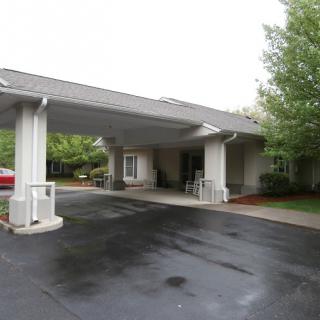





 Recognizing the Journey: Understanding and Navigating Anticipatory Grief
 Encouraging Participation in Adult Day Care: A Guide to Supporting a Hesitant Parent
 Comprehensive Exploration of Living Wills and Other Advance Directives