Overall Review of Elizabethtown Healthcare & Rehab Center
common
Staff support stands out
Residents and families repeatedly describe staff as compassionate and helpful throughout the stay.
Many reviewers highlight consistently respectful, caring interactions from nurses, CNAs, and support staff. Multiple comments also name specific team members who helped with questions, discharge planning, wound care, and day-to-day support, reinforcing that communication and follow-through mattered. A few reviewers also call out problems with specific medical decisions or care responsiveness, so experiences aren’t uniformly positive.
common
Rehab therapy helps mobility
Therapy teams are frequently credited with helping residents regain strength and mobility.
A recurring theme is that PT/OT (and in some mentions, speech therapy) supported recovery goals, including walking with a walker and regaining strength after events like strokes or other accidents. Several reviewers describe the therapy approach as encouraging and hands-on, with treatment that worked even for weekend sessions. The rehab focus aligns with the facility being a skilled nursing setting.
common
Dining is a frequent positive
Food quality and variety come up often, including descriptions of restaurant-style meals.
Reviews repeatedly mention that meals were good, hot, and sometimes described as home-cooked or restaurant quality. A few people also connect food with overall satisfaction during rehab stays. The community offers restaurant-style dining and diet support options in its meal services, which matches the way residents talk about what they were served.
caveat
Some medical lapses worry families
Some reviewers report serious concerns about clinical oversight and basic safety.
A small number of reviews describe incidents that raised safety concerns, including delayed attention to a stroke-related issue, an aspiration risk during a feeding tube stay, and medication-related problems. One reviewer also describes inadequate resident care coverage on a shift. These comments stand out because other reviews are far more positive, but they suggest families should ask detailed questions about clinical monitoring and response times.
How we summarize
We summarize when many written reviews mention each theme; a review can touch several themes, and only frequently mentioned themes are displayed.
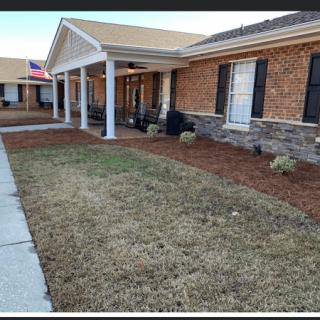
Elizabethtown Healthcare & Rehab Center on seniors.fyi includes 13 photos including images showing healthcare, physical therapy, rehabilitation, exercise, assistance, nurse, caregiver, nursing home, and more.
Nearby Communities
Poplar Heights Center
Elizabethtown, NC
3.8 from 13 reviews
$2,850 to $3,630 / month
Competitive county-rate pricing with pet-friendly policy and on-site meals, activities, and medication management.
Bladen East Health and Rehab
Elizabethtown, NC
3.8 from 13 reviews
Well-kept facility with a welcoming atmosphere and attentive, compassionate staff.
Mc Lean Family Care Home
Elizabethtown, NC
Home-like board-and-care with ample common areas.
Turner's Family Care Home 1
Bladenboro, NC
Home-like setting with family-style care and comprehensive services.
Oak Grove Family Care Home
Bladenboro, NC
Comprehensive care services with supportive amenities
Bridgers Family Care Home
Clarkton, NC
5 from 2 reviews
Competitive pricing for private rooms.
Woodhaven Nursing & Alzheimer's Care
Lumberton, NC
3.8 from 39 reviews
Clean facility with friendly staff, private rooms, and engaging activities.
Wesley Pines Retirement Community
Lumberton, NC
4.9 from 77 reviews
$2,495 / month
Compassionate staff delivering high-quality care in a well-maintained, activity-rich community.
Rivers Edge of Lumberton
Lumberton, NC
2.1 from 19 reviews
$3,000 to $4,500 / month
Kind staff and improvements from renovations creating a warmer atmosphere.
The article highlights the high risk of falls among older adults due to factors like muscle weakness, vision issues, and environmental hazards, with one in four experiencing a fall annually. It advocates for a comprehensive prevention approach that includes exercise, home safety modifications, medication management, social support, and caregiver involvement.
Elder law attorneys assist older adults and their families with legal matters such as estate planning, Medicaid eligibility, and guardianships, while also providing protection against elder abuse. They help navigate complex regulations to safeguard financial resources, ensure well-being, and maintain autonomy for seniors.
Caregiving for an aging parent entails emotional and financial responsibilities accompanied by significant tax implications, including potential benefits from claiming them as dependents and deductions for medical expenses and caregiving costs. Caregivers must understand eligibility requirements, maintain thorough documentation, and consider consulting a tax professional to navigate these complexities effectively.
Get PricingAsk A QuestionSchedule A TourContact Senior Advisor
By clicking submit, you agree to our Partner's Terms of Use. You
also consent to receive calls and texts, which may be autodialed, from our Partner. Your consent is not a condition to
using our Partner's service. Please visit our Partner's Privacy Policy for information about their privacy practices.














 94 resident community capacity
 Skilled Nursing Facility
 Air-conditioning
 Beauty salon
 Cable or satellite TV
 Computer center
 Dining room
 Fitness room
 Fully furnished
 Gaming room
 Garden
 Housekeeping services
 Kitchenette
 Move-in coordination
 Outdoor space
 Private bathrooms
 Restaurant-style dining
 Small library
 Telephone
 Wellness center
 Wi-Fi/high-speed internet available
 Community operated transportation
 12-16 hour nursing
 24-hour call system
 Activities of daily living assistance
 Assistance with bathing
 Assistance with dressing
 Assistance with transfers
 Diabetes diet
 Medication management
 Mental wellness program
 Special dietary restrictions
 Concierge services
 Planned day trips
 Competitive county-rate pricing with pet-friendly policy and on-site meals, activities, and medication management.





 Comprehensive Insights and Practical Strategies to Help Older Adults Avoid Falls
 6 Crucial Ways an Elder Law Attorney Assists Families
 Navigating the Tax Landscape of Caregiving: Credits, Deductions, and Beyond