Overall Review of Asbury Health And Rehabilitation Center
differentiator3 reviews mention this
Rehab therapy gets strong mentions
Residents frequently describe strong PT and OT support during rehab stays.
In the reviews, families point to physical and occupational therapy as a major part of the rehab experience. One resident experience specifically mentions OT and PT scheduled five days a week, and another describes therapy staff as outstanding and encouraging. Several reviewers also mention that staff pushed day-to-day progress while residents worked on recovery goals.
common4 reviews mention this
Food is consistently described well
Food quality comes up often, with multiple reviewers saying it was good.
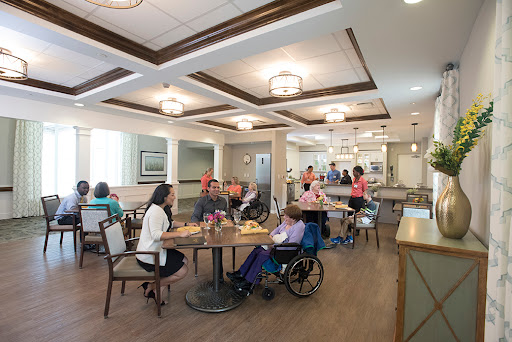
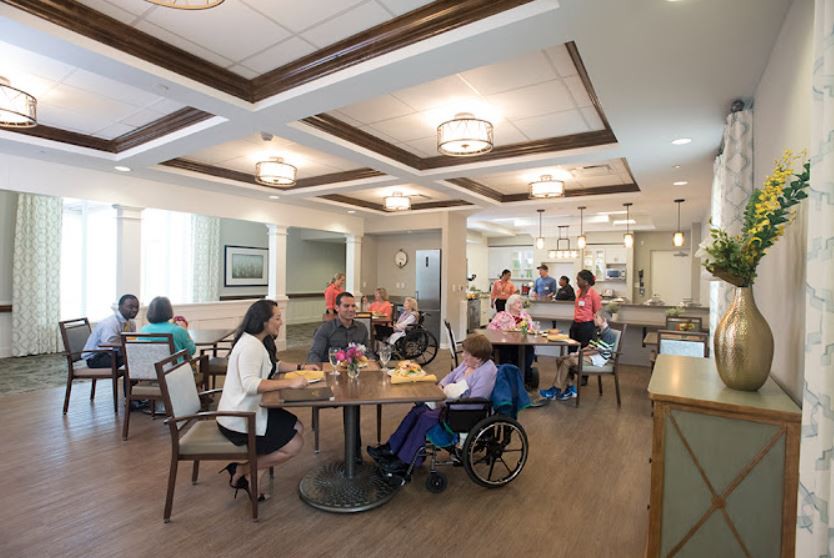
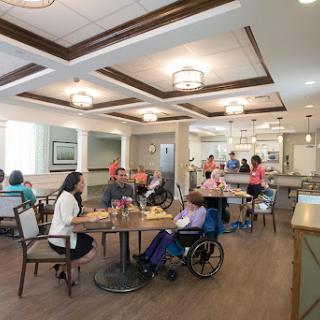
Dining is a recurring bright spot in the reviews. Multiple visitors describe food as good or delicious, and one reviewer says their loved one “loves the food.” This matches the community’s restaurant-style dining offering, alongside dietary accommodations listed for diabetes and special dietary restrictions.
caveat4 reviews mention this
Call system and access need improvement
Some reviews raise concerns about getting help after calling or accessing doors.
A recurring issue is delays or difficulties in getting staff assistance, especially around calls for help or door access. One reviewer describes a hallway call button being needed to get doors opened, and another describes waiting after the visit to leave until an attendant came. There are also concerns about overnight coverage, including nights when help did not arrive promptly and a subsequent fall, plus a separate account describing a long delay for bathroom help that contributed to a worsening outcome.
common9 reviews mention this
Cleanliness and staff friendliness stand out
Reviews repeatedly describe a clean, well-kept building and friendly staff.
Many reviewers emphasize cleanliness and the feel of a well-maintained facility, often noting it smelled fresh and looked bright. Staff friendliness and helpfulness come through just as consistently, with multiple families saying directions, support, and responsiveness helped them feel comfortable during visits or stays. Residents and visitors also describe being treated with respect and care across nursing, therapy, and everyday support roles.
How we summarize
Counts show how many written reviews mention each theme; a review can touch several themes, and only frequently mentioned themes are displayed.
Features
Housing
120 resident community capacity
Types of Care
Continuing Care Retirement Community (CCRC)
Skilled Nursing Facility
Amenities
Air-conditioning
Beauty salon
Cable or satellite TV
Computer center
Dining room
Fitness room
Fully furnished
Gaming room
Garden
Housekeeping services
Kitchenette
Move-in coordination
Outdoor space
Private bathrooms
Restaurant-style dining
Small library
Telephone
Wellness center
Wi-Fi/high-speed internet available
Transportation
Charlotte Douglas International (10 miles away)
Community operated transportation
Transportation arrangement
Transportation arrangement (non-medical)
Transportation to doctors appointments
Care Services
12-16 hour nursing
24-hour call system
24-hour supervision
Activities of daily living assistance
Assistance with bathing
Assistance with dressing
Assistance with transfers
Diabetes diet
Meal preparation and service
Medication management
Mental wellness program
Special dietary restrictions
Dining
Diabetes diet
Special dietary restrictions
Activities
Community-sponsored activities
Concierge services
Fitness programs
Planned day trips
Resident-run activities
Scheduled daily activities
Nearby Places of Interest
Restaurants
Noda Bodega (1.6 miles)
Divine Barrel Brewing (1.9 miles)
Haberdish (2.2 miles)
The Workman's Friend (2.4 miles)
Common Market (2.4 miles)
Hawthorne's NY Pizza & Bar (3 miles)
White Duck Taco Shop (3.2 miles)
Pharmacies
CVS Pharmacy (1.7 miles)
Walgreens (1.9 miles)
Family Care Specialty Pharmacy (2.3 miles)
Walgreens (2.8 miles)
CVS Pharmacy (3 miles)
Walgreens (3.3 miles)
CVS Pharmacy (5.1 miles)
Transportation
Sugar Creek Station (1.8 miles)
LYNX University City Boulevard Station (3.9 miles)
LYNX UNC Charlotte - Main Station (5.5 miles)
Cafes
Smelly Cat Cof (2.1 miles)
Villanis Bakery (2.7 miles)
Hex Coffee (3.6 miles)
Jeni's Splendid Ice Creams (5.2 miles)
Starbucks (5.9 miles)
Starbucks (6.8 miles)
Starbucks (7.4 miles)
Physicians
Carolina Asthma & Allergy Center (2.9 miles)
Paviol Dermatology (2.9 miles)
Perry Orthopedics & Sports Medicine (3.2 miles)
Dermatologic Laser Center (3.3 miles)
Cotswold Medical Clinic (4 miles)
Carolina Asthma & Allergy (5 miles)
Greater Carolinas Womens Center PA (5.3 miles)
Places of Worship
St John's Baptist Church (3.2 miles)
First Baptist Of Charlotte: Family Life Center (3.9 miles)
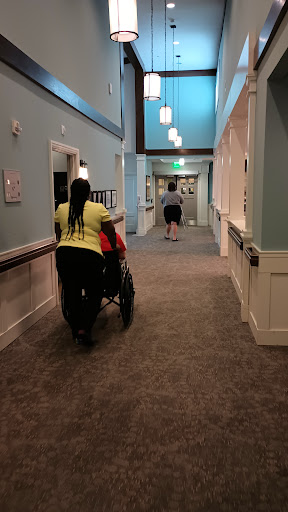
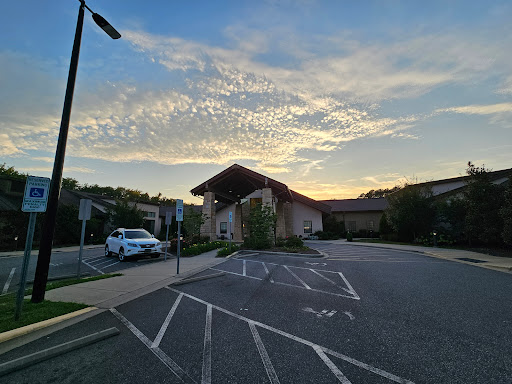
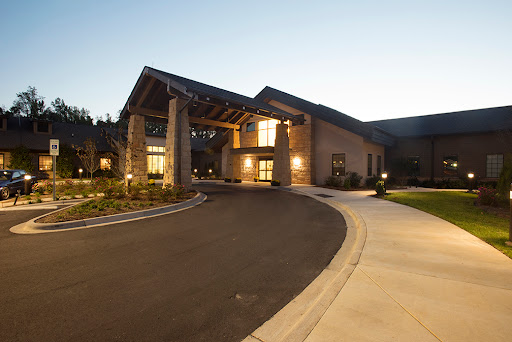
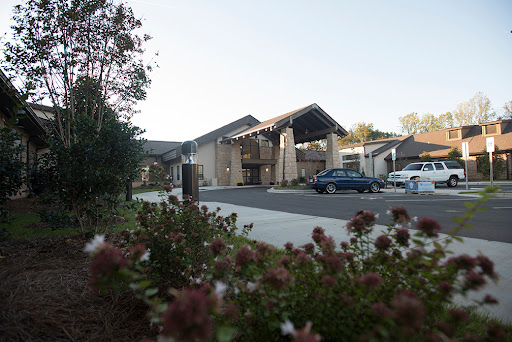
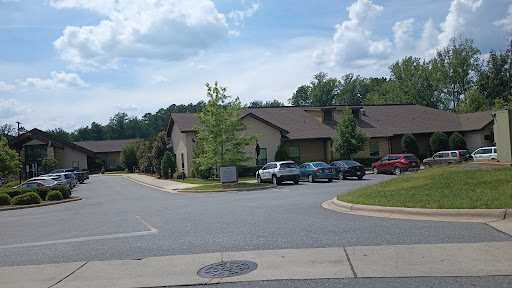
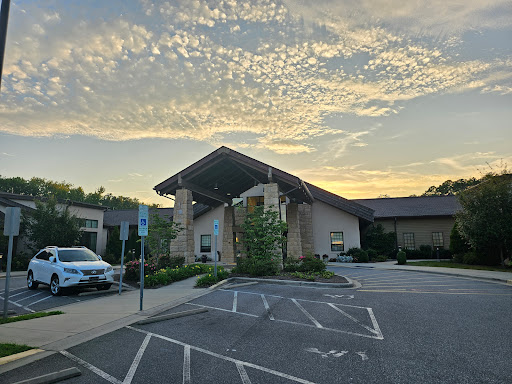
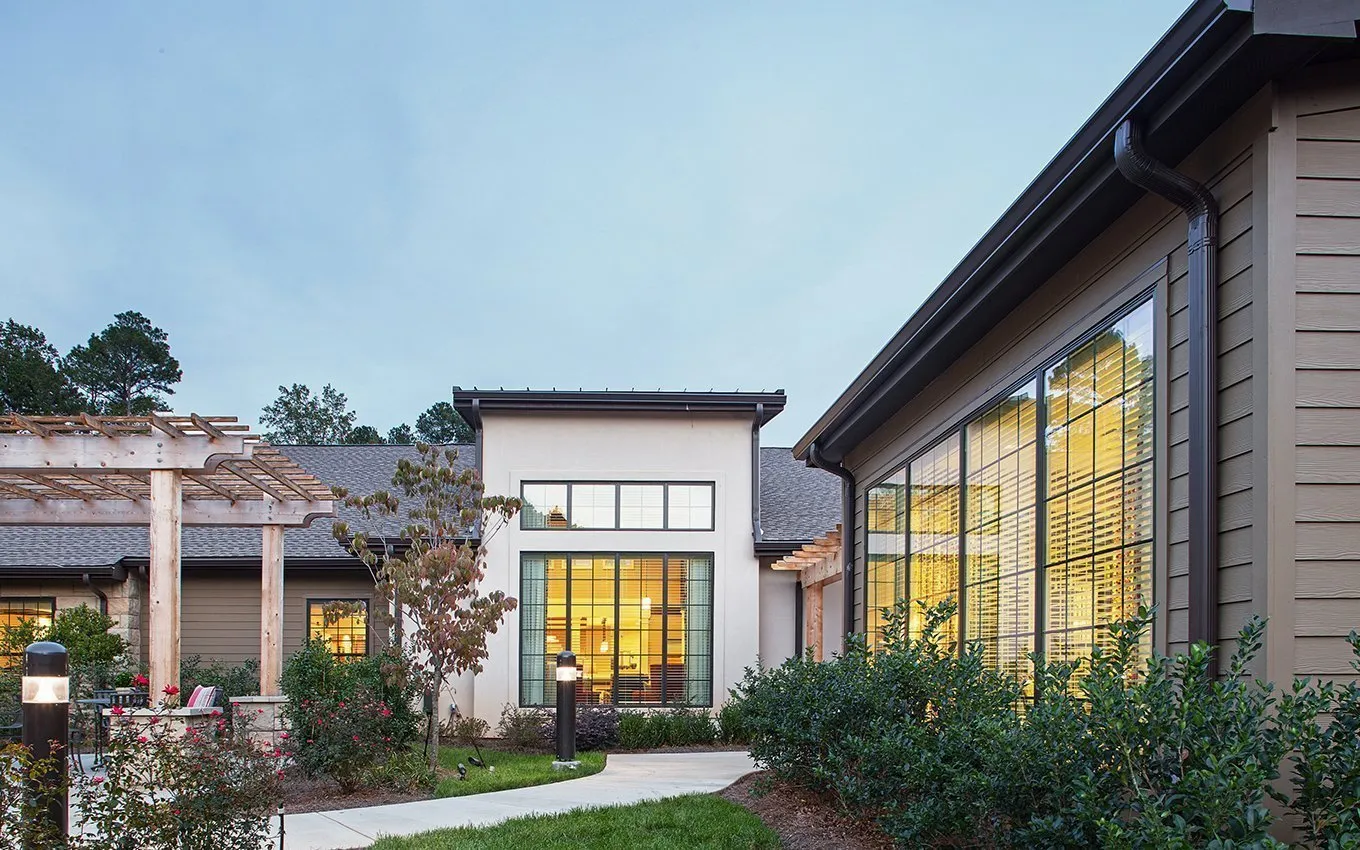
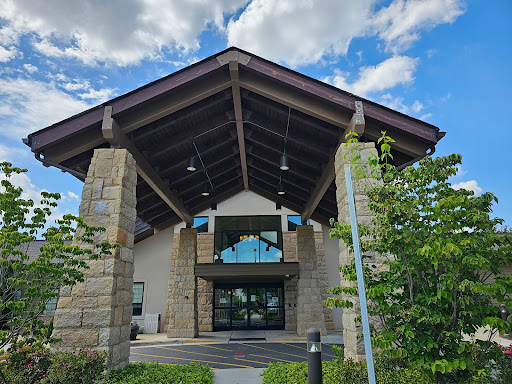
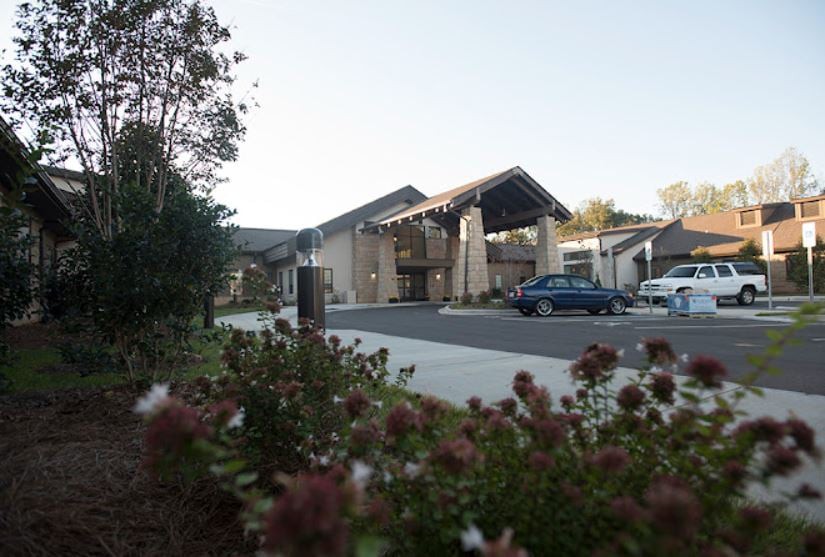
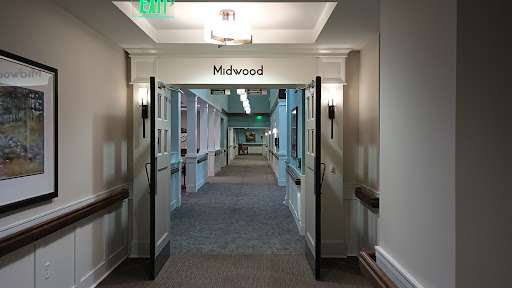
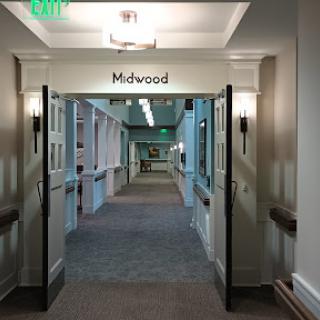
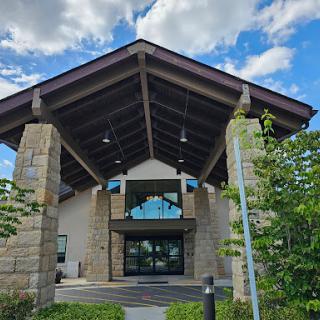
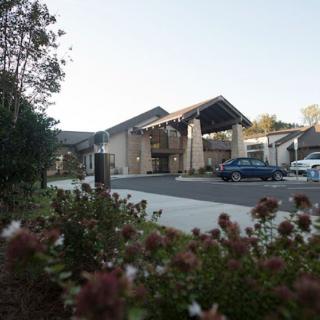
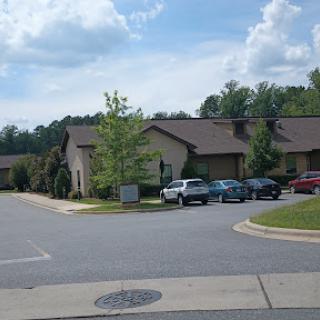
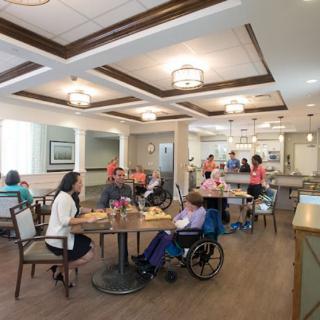
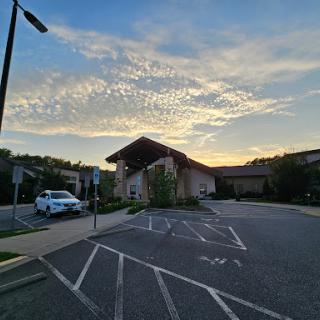
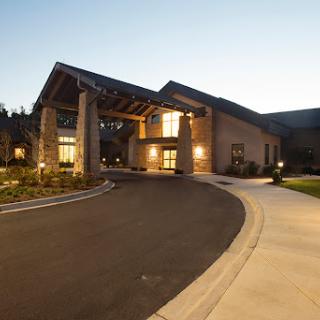
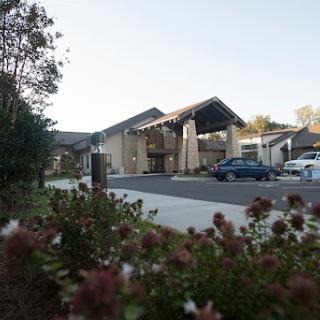
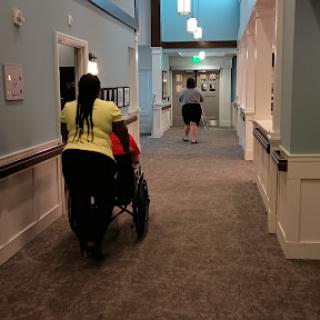
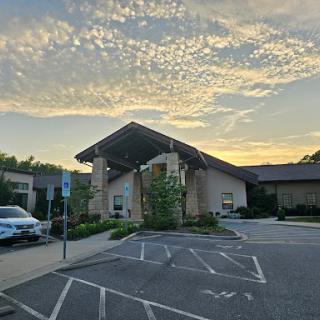
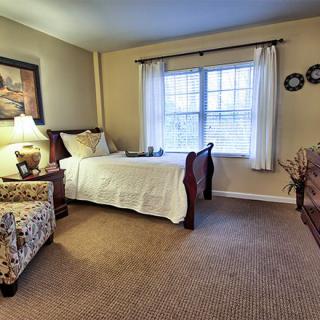
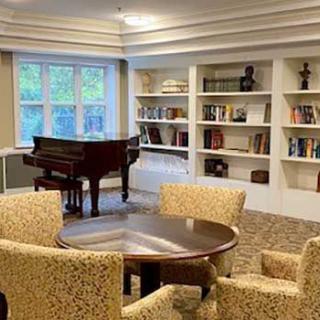
Asbury Health And Rehabilitation Center on seniors.fyi includes 12 photos including images showing building, architecture, landscaping, parking, interior, outdoors, entrance, dining, and more.
Nearby Communities
Methodist Home Inc
Charlotte, NC
Nearby dining, parks, pharmacies, healthcare, transportation options, and places of worship.
Liberty Nursing & Rehabilitation Center of Me
Charlotte, NC
2.1 from 11 reviews
Potential for a welcoming environment with family advocacy.
Accordius Health At Midwood
Charlotte, NC
1.9 from 13 reviews
Extensive on-site amenities and care services
Aldersgate
Charlotte, NC
4.4 from 93 reviews
$1,551 to $1,716 / month
Clean, spacious facilities with extensive amenities and a vibrant activity-filled community.
Panacea Senior Independent Living
Charlotte, NC
5 from 2 reviews
$1,050 to $1,151 / month
Affordable pricing relative to county and state averages.
Grant Adult Care Home
Charlotte, NC
$1,950 to $3,500 / month
Memory care-focused with affordable pricing and convenient access to parks, pharmacies, doctors, and amenities.
Charter Senior Living of Charlotte
Charlotte, NC
4.2 from 152 reviews
$4,750 to $5,695 / month
Genuine, caring staff in a welcoming, community-focused environment with engaging activities.
MerryWood on Park
Charlotte, NC
4.5 from 155 reviews
$2,745 to $4,995 / month
Strong community, caring staff, engaging activities, and good dining; welcoming ambassador program.
The guide on blood pressure charts for older adults stresses the importance of understanding normal and high blood pressure readings influenced by age, genetics, and lifestyle, while emphasizing regular monitoring and lifestyle modifications to prevent serious health issues. It provides insights into blood pressure categories, dietary recommendations, medication considerations, and the role of caregivers in supporting healthy habits.
The article explores the complexities of using Social Security to finance long-term nursing home care in the U.S., detailing eligibility requirements and misconceptions, while emphasizing that these benefits often do not cover full costs and highlighting the need for strategic financial planning and professional guidance.
Pneumonia significantly affects older adults due to weakened immune systems and atypical symptoms that complicate diagnosis, necessitating early detection and tailored treatment. Risk factors include chronic diseases and cognitive impairments, with preventive measures like vaccinations and healthy lifestyles being crucial for reducing risk.
Get PricingAsk A QuestionSchedule A TourContact Senior Advisor
By clicking submit, you agree to our Partner's Terms of Use. You
also consent to receive calls and texts, which may be autodialed, from our Partner. Your consent is not a condition to
using our Partner's service. Please visit our Partner's Privacy Policy for information about their privacy practices.


 120 resident community capacity
 Continuing Care Retirement Community (CCRC)
 Skilled Nursing Facility
 Air-conditioning
 Beauty salon
 Cable or satellite TV
 Computer center
 Dining room
 Fitness room
 Fully furnished
 Gaming room
 Garden
 Housekeeping services
 Kitchenette
 Move-in coordination
 Outdoor space
 Private bathrooms
 Restaurant-style dining
 Small library
 Telephone
 Wellness center
 Wi-Fi/high-speed internet available
 Charlotte Douglas International (10 miles away)
 Community operated transportation
 12-16 hour nursing
 24-hour call system
 Activities of daily living assistance
 Assistance with bathing
 Assistance with dressing
 Assistance with transfers
 Diabetes diet
 Medication management
 Mental wellness program
 Special dietary restrictions
 Concierge services
 Planned day trips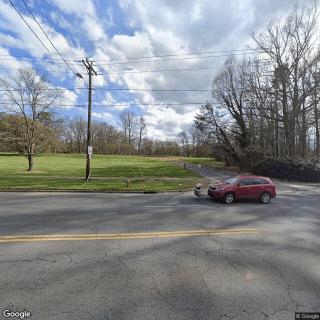
 Nearby dining, parks, pharmacies, healthcare, transportation options, and places of worship.


 Comprehensive Guide to Blood Pressure Charts for Older Adults: Understanding Normal and High Readings by Age
 Financing Long-Term Nursing Home Care Through Social Security: A Thorough Exploration
 Essential Knowledge on Pneumonia in Older Adults