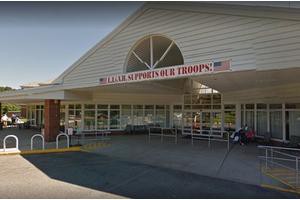
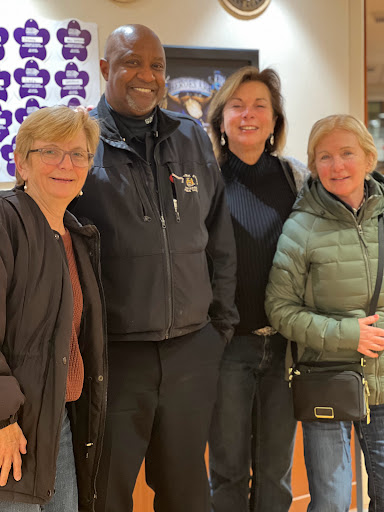
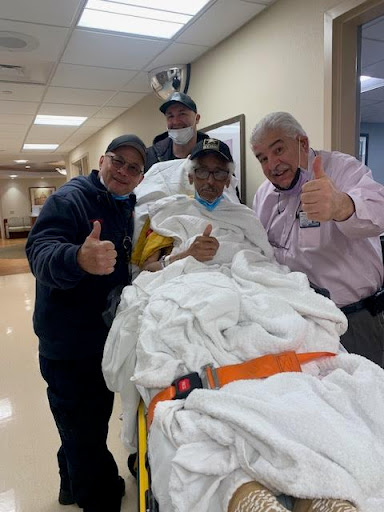
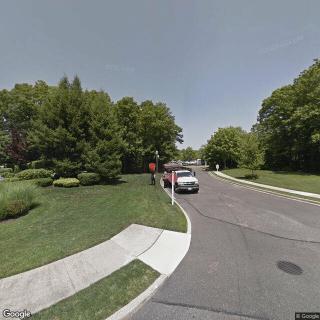
Long Island State Veterans Home in Stonybrook, NY

Save
Long Island State Veterans Home Long Island State Veterans Home Long Island State Veterans Home Long Island State Veterans Home

Long Island State Veterans Home in Stonybrook, NY

Information last verified:

100 Patriots Road, Stonybrook, NY 11790

For more information about senior living options: (844) 490-3973

4.9 from 129 reviews
5 stars
122
4 stars
5
3 stars
0
2 stars
0
1 stars
2

Seniors.FYI Elite Community Awards

Top 5% Senior Living Community in 2020Top 5% Senior Living Community in 2023Top 5% Senior Living Community in 2024Top 5% Senior Living Community in 2025Top 5% Senior Living Community in 2026

Add this award to your website

Overall Review of Long Island State Veterans Home

Pros

  • pro The staff are compassionate, attentive, and dedicated to the well‑being of every resident.
  • pro The facility is consistently clean, odor‑free, and well maintained.
  • pro Veterans and their families feel safe, respected, and treated like family.
  • pro Physical and occupational therapy teams help residents regain function and independence.
  • pro Leadership under Fred Sganga is praised for creating a compassionate, open, and supportive environment.
  • pro A wide range of daily activities and social events keeps residents engaged and happy.
  • pro The overall care is exemplary, with dignity, kindness, and personal attention evident in every interaction.

Cons

  • pro One reviewer described the LI State Veterans Home as distasteful, claiming the staff were not respectful and gaslighting, with ethnic residents treated unfairly.
  • pro Another reviewer stated that the facility does not practice all the things it teaches and leaves residents feeling unsupported.

Review

The Long Island State Veterans Home in Stony Brook is best suited for United States veterans and their spouses who require skilled nursing care, short-term rehabilitation, or long-term residential support delivered within a respectful, community-centered setting. It is a purpose-built environment where care teams honor service, provide comprehensive medical and therapeutic services, and weave in social, recreational, and ceremonial elements that feel akin to a family atmosphere. Those who value clear, proactive communication with clinicians, strong discharge planning, and a campus that treats veterans with emblematic dignity will find LISVH a near-ideal fit. By contrast, families seeking a non-veteran, private-pay luxury experience, or a facility with a markedly different cultural emphasis, may prefer alternatives that align more closely with those priorities.

The strongest case for LISVH rests on a relentlessly people-forward model. Reviews consistently highlight a cadre of nurses, aides, therapists, social workers, and administrators who are not merely competent but visibly devoted. The leadership, particularly Executive Director Fred Sganga, is described as present and hands-on, driving a culture where staff members greet residents by name, anticipate needs, and coordinate care across disciplines. The in-house offerings reinforce this strength: audiology, dentistry, optometry, and dental services are available on-site, minimizing referrals and delays. Therapies, physical, occupational, and speech, are integrated with daily life, and the recreation team curates programs that keep veterans engaged, often with family participation. Cleanliness, safety, and a warm, welcoming physical environment underpin the care, creating a setting where residents feel valued and families feel reassured.

These strengths offset several common concerns that families weigh when selecting a facility. LISVH’s breadth of services reduces the friction of moving between departments or outside providers, while the unit-level teams, nurses, CNAs, and therapists, are repeatedly praised for attentiveness, responsiveness, and professionalism. The facility’s emphasis on communication with families, social workers who answer questions, discharge planners who map options, and regular touchpoints with nursing leadership, helps assure families that care plans stay aligned with resident goals. The tangible demonstrations of respect for veterans, ceremonies, memorial events, and a demonstrated culture of dignity, offset the emotional toll of transitions, preserving the resident’s sense of self and purpose. The one recurring friction point in a subset of reviews is transportation cost and related logistics; however, for many families the value of 24/7 clinical support, robust family liaison, and a proven track record of clinical progress makes the overall package compelling.

Still, several caveats merit attention. LISVH is tailored to veterans and their families, which means it may not be the right cultural fit for non-veterans or for those seeking a facility that emphasizes a different religious or community orientation. For families needing a private-pay, boutique feel with ultra-high-end accommodations, LISVH’s strength lies more in clinical excellence and reverence for service than in luxury branding. For memory-care-specific needs or for residents requiring highly specialized behavioral health services beyond what a skilled nursing setting typically provides, it is prudent to compare options with facilities that focus narrowly on that niche. A few reviewers note admission timing and transport costs, and although far from a universal issue, these factors can influence feasibility for some families.

Outcomes and experience data from LISVH suggest a clear preference among families for a setting that treats veterans as family first and medical complexions second, in the best possible way. The day-to-day reality includes well-coordinated short-term rehab that helps regain function after strokes or major illnesses, and long-term care where clinicians consistently collaborate with surgeons and primary care to manage chronic conditions. The on-site supports, dentistry, audiology, optometry, and routine therapies, reduce fragmentation, while the social work team (with professionals like Regina and Lauren) keeps families informed and involved. The atmosphere is frequently described as clean, bright, and uplifting, with grounds and interiors arranged to reduce stress and encourage participation in a broad array of activities. For veterans who want to feel honored as much as cared for, LISVH delivers at a level that few comparable facilities can match.

In practical terms, families evaluating LISVH should lean into the decision by prioritizing open conversations with social workers, admissions staff, and unit leaders. Ask for specifics about discharge planning, unit-level routines, and how therapy schedules are integrated with daily activities. Consider visiting during multiple times of day to observe how staff interact with residents, how call-bell responses occur, and how family updates are delivered. For those who would benefit from adult day care, LISVH’s Day Healthcare program offers a structured environment with meals, transportation considerations, and socialization that can ease transitions for both residents and caregivers. Finally, recognize the facility’s defining strength: it is a proven, hospital-grade environment with a family-like culture that consistently treats veterans with extraordinary respect, warmth, and dignity.

The bottom line is clear. LISVH stands as a premiere option for veterans and their spouses who need skilled nursing, rehab, or long-term residential care delivered with a level of reverence, communication, and clinical rigor that is difficult to match. It is a facility where the staff’s daily practice, and the leadership’s visible engagement, transforms care into a meaningful, life-affirming experience for residents and their families. Alternatives should be sought when the primary need is not a veteran-centered, highly integrated model, when luxury branding is a non-negotiable, or when the resident requires highly specialized memory or behavioral health services beyond what LISVH typically provides. For the right veteran with the right family support system, LISVH is not just a good choice, it is the standard by which family-focused skilled nursing care on Long Island should be measured.

Features

Housing

  • 350 resident community capacity 350 resident community capacity

Types of Care

  • Skilled Nursing Facility Skilled Nursing FacilitySkilled Nursing Facilities are crucial for seniors as they provide round-the-clock medical care, rehabilitation services, and assistance with daily activities. These facilities ensure that seniors receive the specialized care they need to maintain their health and well-being as they age.

Amenities

  • Air-conditioning Air-conditioningAir conditioning is important for seniors as they are more vulnerable to heat-related illnesses and may have underlying health conditions that make it difficult for them to regulate their body temperature. It helps to keep them comfortable, safe, and healthy in hot weather.
  • Beauty salon Beauty salonBeauty salons are important for seniors because they provide a space for them to feel pampered, socialize, and maintain their personal grooming and hygiene. Regular visits to a beauty salon can help boost seniors' self-esteem and overall well-being.
  • Cable or satellite TV Cable or satellite TVCable or satellite TV is important for seniors because it provides entertainment, news, and companionship, helping to combat loneliness and boredom. It also offers a wide range of programming options tailored to different interests and preferences.
  • Computer center Computer centerA computer center is essential for seniors as it provides access to technology, communication tools, and resources that can enhance their daily lives. It allows them to stay connected with loved ones, engage in online activities, and learn new skills, ultimately promoting socialization and mental stimulation.
  • Dining room Dining roomDining rooms are important for seniors as they provide a space for socialization, connection, and nutritious meals. They offer opportunities for residents to bond over shared meals, foster a sense of community, and promote healthy eating habits. Dining rooms also ensure that seniors have access to well-balanced meals tailored to their dietary needs and preferences.
  • Fitness room Fitness roomHaving a fitness room in a senior living community is essential for seniors to stay active, maintain their physical health, and improve their overall well-being. Regular exercise can help prevent falls, reduce the risk of chronic diseases, and promote mental sharpness. It also provides social opportunities for residents to connect with others and enjoy a sense of community.
  • Fully furnished Fully furnishedFully furnished senior living communities are important for seniors because they provide convenience, comfort, and a hassle-free moving experience. Seniors can easily settle into their new living space without the stress of having to buy and move furniture. This allows them to focus on enjoying their new home and community.
  • Gaming room Gaming roomGaming rooms are important for seniors as they provide a fun and engaging environment for socializing, cognitive stimulation, and physical activity. Games can improve memory, problem-solving skills, and overall mental well-being while fostering friendships and reducing feelings of isolation.
  • Garden GardenGardens are important for seniors as they provide a peaceful and therapeutic environment for relaxation, physical activity, and socialization. Being in nature has been shown to reduce stress, improve mood, and promote overall well-being. Gardens also offer opportunities for seniors to engage in gardening activities, which can improve mobility, flexibility, and cognitive function. Additionally, gardens create a sense of community and connection with others who share a passion for plants and outdoor spaces.
  • Housekeeping services Housekeeping servicesHousekeeping services are important for seniors because they help maintain a clean and safe living environment, promote independence, and reduce the risk of accidents or illnesses. Additionally, having assistance with household chores can alleviate physical strain and allow seniors to focus on other aspects of their well-being.
  • Kitchenette KitchenetteKitchenettes are important for seniors living in senior living communities because they provide the convenience and independence of being able to prepare simple meals and snacks in the comfort of their own living space. This can help promote a sense of autonomy and well-being for seniors, allowing them to maintain some level of control over their dietary choices and daily routines.
  • Move-in coordination Move-in coordinationMove-in coordination is important for seniors because it helps ease the transition into their new living environment. It ensures that all logistics, such as packing, organizing movers, and setting up utilities are taken care of, allowing seniors to focus on settling in and adjusting to their new home. Having a smooth move-in process can alleviate stress and anxiety, making the transition smoother and more enjoyable for seniors.
  • Outdoor space Outdoor spaceOutdoor spaces are important for seniors as they provide opportunities for physical activity, social interaction, exposure to natural light and fresh air, and a sense of connection to nature. Having access to outdoor spaces can improve overall well-being and quality of life for older adults living in senior communities.
  • Private bathrooms Private bathroomsPrivate bathrooms are important for seniors in senior living communities because they provide independence, dignity, and comfort. Having a private bathroom allows seniors to maintain their personal hygiene routines without the need for assistance, promoting a sense of autonomy and privacy. Additionally, private bathrooms help prevent the spread of infections and provide a safe and clean environment for seniors to navigate safely.
  • Restaurant-style dining Restaurant-style diningRestaurant-style dining is important for seniors because it allows them to enjoy delicious, nutritious meals in a social and upscale setting. This enhances their dining experience, promotes healthy eating habits, and fosters socialization with fellow residents, ultimately contributing to their overall well-being and quality of life.
  • Small library Small librarySmall libraries are important for seniors as they provide access to a variety of reading materials, including books, newspapers, and magazines. This can help stimulate their minds, keep them engaged, and provide a sense of community through book clubs and other social activities. Additionally, reading has been shown to improve cognitive function and overall mental well-being in older adults.
  • Telephone TelephoneTelephones are important for seniors as they provide a lifeline for communication with loved ones, emergency services, and healthcare providers. They offer a sense of security and independence, enabling seniors to stay connected and access assistance when needed.
  • Wellness center Wellness centerWellness centers are important for seniors because they offer a variety of programs and services that promote physical, mental, and emotional well-being. These centers provide opportunities for exercise, socialization, education, and relaxation, helping seniors maintain their overall health and quality of life.
  • Wi-Fi/high-speed internet available Wi-Fi/high-speed internet availableWi-Fi/high-speed internet is important for seniors to stay connected with loved ones, access online resources, and participate in virtual activities to combat feelings of loneliness and isolation. It also allows them to easily manage healthcare needs, access entertainment, and engage in lifelong learning opportunities.

Transportation

  • Long Island - MacArthur (8 miles away) Long Island - MacArthur (8 miles away)
  • Community operated transportation Community operated transportationCommunity operated transportation is crucial for seniors as it provides them with the means to access essential services, social activities, and medical appointments. It allows seniors to maintain their independence and quality of life by ensuring they can participate in activities outside of their homes. Additionally, community-operated transportation services offer a safe and reliable way for seniors to travel without having to rely on family or friends for assistance.
  • Transportation arrangement Transportation arrangementTransportation arrangements are crucial for seniors as they may face challenges with driving, mobility, or access to public transportation. Having reliable transportation services ensures that seniors can easily attend appointments, social activities, and maintain their independence and quality of life.
  • Transportation arrangement (non-medical) Transportation arrangement (non-medical)Transportation arrangements are essential for seniors as they provide access to essential services, activities, and social interactions outside the home. This service helps maintain independence, mobility, and overall well-being for seniors who may have limited transportation options.
  • Transportation to doctors appointments Transportation to doctors appointmentsTransportation to doctors appointments is crucial for seniors as it ensures they have access to necessary medical care and support, promoting their health and well-being. It allows them to receive timely treatment, monitor existing conditions, and address any new health concerns efficiently. Additionally, transportation services can help seniors maintain their independence and quality of life by enabling them to stay connected with their healthcare providers.

Care Services

  • 12-16 hour nursing 12-16 hour nursing12-16 hour nursing care is crucial for seniors in order to ensure around-the-clock monitoring, timely medication administration, and prompt response to any health concerns or emergencies. This level of care helps to promote the overall well-being and safety of seniors living in senior living communities.
  • 24-hour call system 24-hour call system24-hour call systems are important for seniors because they provide peace of mind and immediate assistance in case of emergencies. This technology ensures that help is always available, promoting safety and security for elderly individuals living alone or in assisted living facilities.
  • 24-hour supervision 24-hour supervision24-hour supervision is important for seniors to ensure their safety, well-being, and access to immediate assistance in case of emergencies or health issues. This constant support provides peace of mind for both seniors and their loved ones, allowing them to age in place with dignity and security.
  • Activities of daily living assistance Activities of daily living assistanceActivities of daily living assistance are important for seniors because they provide essential support with tasks such as eating, bathing, dressing, and mobility. This assistance helps seniors maintain their independence, dignity, and overall quality of life as they age.
  • Assistance with bathing Assistance with bathingAssistance with bathing is crucial for seniors as it helps maintain personal hygiene, prevents infections, and ensures their overall well-being and comfort. It also provides a sense of dignity and independence for seniors who may struggle with this task on their own.
  • Assistance with dressing Assistance with dressingAssistance with dressing is important for seniors because it helps maintain their independence, promotes personal hygiene, prevents accidents and injuries, and improves overall quality of life. This service ensures that seniors can continue to dress comfortably and confidently, despite any physical limitations they may have.
  • Assistance with transfers Assistance with transfersAssistance with transfers is crucial for seniors as it helps prevent falls and injuries, maintains their independence, and ensures they can safely navigate their living environment. It also provides peace of mind for both seniors and their loved ones.
  • Diabetes diet Diabetes dietA diabetes diet is crucial for seniors as it helps manage blood sugar levels, reduce risks of complications, and improve overall health and well-being. By following a balanced and nutritious diet tailored to their specific needs, seniors can better control their diabetes and enhance their quality of life.
  • Meal preparation and service Meal preparation and serviceMeal preparation and service are crucial for seniors as they may have limited mobility or energy to cook nutritious meals. Having access to healthy and convenient food options can ensure they are getting the proper nutrition needed to maintain their overall health and well-being.
  • Medication management Medication managementMedication management is crucial for seniors to ensure they are taking the right medications at the correct dosages and times. This helps prevent adverse drug interactions, reduces the risk of medication errors, and promotes overall health and well-being. Proactive management also allows for adjustments as needed based on changing health conditions or new prescriptions.
  • Mental wellness program Mental wellness programMental wellness programs are essential for seniors as they promote cognitive stimulation, emotional support, and social engagement. These programs help prevent isolation, depression, and cognitive decline, ultimately enhancing the overall quality of life for older adults.
  • Special dietary restrictions Special dietary restrictionsSpecial dietary restrictions are important for seniors because age-related changes in metabolism and health conditions can make it difficult for their bodies to process certain foods. By following a diet tailored to their specific needs, seniors can maintain their overall health and well-being, manage chronic conditions, and reduce the risk of complications such as malnutrition or food interactions with medications.

Dining

  • Diabetes diet Diabetes dietA diabetes diet is crucial for seniors as it helps manage blood sugar levels, reduce risks of complications, and improve overall health and well-being. By following a balanced and nutritious diet tailored to their specific needs, seniors can better control their diabetes and enhance their quality of life.
  • Special dietary restrictions Special dietary restrictionsSpecial dietary restrictions are important for seniors because age-related changes in metabolism and health conditions can make it difficult for their bodies to process certain foods. By following a diet tailored to their specific needs, seniors can maintain their overall health and well-being, manage chronic conditions, and reduce the risk of complications such as malnutrition or food interactions with medications.

Activities

  • Community-sponsored activities Community-sponsored activitiesCommunity-sponsored activities are important for seniors as they provide opportunities for social interaction, mental stimulation, and physical activity. These activities can help improve overall well-being, combat loneliness and isolation, and promote a sense of belonging and purpose among older adults.
  • Concierge services Concierge servicesConcierge services are essential for seniors as they provide assistance with daily tasks and errands, enhance their quality of life by offering convenience and personalized care, and promote a sense of safety and security.
  • Fitness programs Fitness programsFitness programs are crucial for seniors as they help improve strength, flexibility, balance, and overall well-being. Staying active can reduce the risk of chronic diseases, improve mental health, and enhance quality of life in older adults.
  • Planned day trips Planned day tripsPlanned day trips are important for seniors because they offer opportunities for socialization, mental stimulation, and physical activity. They provide a change of scenery and help seniors stay engaged and connected to their community, promoting overall well-being and quality of life.
  • Resident-run activities Resident-run activitiesResident-run activities are important for seniors as they encourage social interaction, creativity, and a sense of autonomy. These activities empower seniors to stay engaged and active in their community while fostering meaningful connections with their peers.
  • Scheduled daily activities Scheduled daily activitiesScheduled daily activities are important for seniors because they provide structure, socialization, mental stimulation, and physical activity. Engaging in regular activities can improve overall well-being and quality of life for seniors living in a community setting.

Description

The Long Island State Veterans Home in Stonybrook, NY offers a wide range of amenities and care services for its residents. The community features a beauty salon where residents can enjoy professional hair and nail services. Each resident has access to cable or satellite TV in their fully furnished living space. Community operated transportation is available for outings and appointments, as well as transportation arrangement services for non-medical needs.

For those who enjoy technology, there is a computer center with Wi-Fi/high-speed internet access. The dining room offers restaurant-style dining with special dietary restrictions accommodated. Housekeeping services ensure that the living spaces are clean and comfortable.

Residents have access to various recreational activities within the community such as the fitness room, gaming room, small library, and outdoor space for relaxation and enjoyment. There is also a wellness center that promotes mental well-being.

The Long Island State Veterans Home provides care services such as 24-hour supervision and assistance with activities of daily living. Staff members are available to assist residents with bathing, dressing, transfers, and medication management. Special dietary restrictions like diabetes diets are also accommodated.

The surrounding area offers several conveniences including four cafes, three parks, twelve pharmacies, twenty-one physicians, twenty restaurants, one theater nearby, and three hospitals nearby.

Overall, this assisted living community provides an array of amenities and care services to ensure the comfort and well-being of its residents while maintaining convenient access to local amenities in Stonybrook.

Nearby Places of Interest

Physicians

  • Long Island State Veterans Home (0 miles)
  • Stony Brook Cancer Center (0.6 miles)
  • University Associates In Ob/gyn (0.7 miles)
  • University Surgical Center (0.8 miles)
  • Stand-Up MRI of East Setauket (0.9 miles)
  • Zwanger-Pesiri Radiology Group (0.9 miles)
  • Stony Brook Orthopedics (1 miles)

Hospitals

  • Main Lobby (0.7 miles)
  • John T Mather Memorial Hospital (3.4 miles)
  • St Charles Hospital (3.6 miles)
  • St Catherine of Siena Medical Center (6.8 miles)

Cafes

  • Student Activities Center (1.3 miles)
  • Starbucks (2.1 miles)
  • Starbucks (2.2 miles)
  • Crazy Beans (2.4 miles)
  • Nesconset Bagel Cafe (5.5 miles)

Restaurants

  • Chili's Grill & Bar (1.5 miles)
  • Green Tea Restaurant (1.7 miles)
  • Fratelli's Bagel Express (1.8 miles)
  • Burger King (2 miles)
  • Strathmore Bagels (2 miles)
  • Lake Grove Diner (2.5 miles)
  • Red Lobster (2.5 miles)

Pharmacies

  • CVS Pharmacy (1.8 miles)
  • CVS Pharmacy (2 miles)
  • Duane Reade (2.2 miles)
  • Walgreens (2.2 miles)
  • CVS Pharmacy (3.2 miles)
  • CVS Pharmacy (3.3 miles)
  • Walgreens (3.3 miles)

Theaters

  • AMC Stony Brook 17 (2.4 miles)
  • Regal Ronkonkoma (5.2 miles)
  • Island 16 Cinema de Lux (6.6 miles)

Parks

  • Avalon Park & Preserve (2.4 miles)
  • Selden Dog Park (2.9 miles)
  • West Meadow Beach (3.4 miles)
  • Heritage Park (5.3 miles)

Transportation

  • Suffolk Transportation Coram (5.7 miles)
  • LIRR - Ronkonkoma Station (6.7 miles)

Frequently Asked Questions

Where is Long Island State Veterans Home?
What photos are available for Long Island State Veterans Home in Stonybrook, New York?

Nearby Communities

  • Jefferson's Ferry

    Jefferson's Ferry

    South Setauket, NY

    4.4 from 11 reviews
    $6,570 to $7,980 / month

    pro Quality care with friendly staff, spacious modern apartments, and a wide range of amenities and activities.

  • Jefferson's Ferry

    Jefferson's Ferry

    Centereach, NY


    pro Wide range of amenities and 24/7 care services

  • Jefferson's Ferry Lifecare Retirement

    Jefferson's Ferry Lifecare Retirement

    South Setauket, NY

    4.6 from 77 reviews
    $2,416 to $3,377 / month

    pro Competitive pricing for the area with comprehensive amenities and pet-friendly policies.

  • Atria South Setauket

    Atria South Setauket

    South Setauket, NY

    4.3 from 109 reviews
    $3,695 to $5,395 / month

    pro Caring staff and engaging activities create a welcoming community.

  • Home Companion Services - Port Jefferson Station,  NY

    Home Companion Services - Port Jefferson Station, NY

    Port Jefferson Station, NY

    4.3 from 18 reviews
     

    pro Professional, compassionate staff and reliable caregivers.

  • Home Companion Services of NY,  Inc.

    Home Companion Services of NY, Inc.

    Port Jefferson Station, NY

    5 from 10 reviews
     

    pro Extensive nearby amenities (dining, parks, healthcare, pharmacies, transport, theater, hospitals).

  • Waters Edge At Port Jefferson For Rehab And Nursing

    Waters Edge At Port Jefferson For Rehab And Nursing

    Port Jefferson, NY

    4.1 from 116 reviews
     

    pro Immaculate, well-maintained facility with friendly staff and engaging activities.

  • The Bristal At Lake Grove

    The Bristal At Lake Grove

    Lake Grove, NY

    4.5 from 114 reviews
    $4,900 to $8,200 / month

    pro Attentive staff and engaging activities

  • Woodhaven Adult Home

    Woodhaven Adult Home

    Port Jefferson Station, NY

    2.5 from 17 reviews
    $5,350 to $10,700 / month

    pro Friendly staff and welcoming atmosphere.

Related Resources

  • obtaining power of attorney without consentA Comprehensive Exploration of Common Misunderstandings about Powers of Attorney

    The article clarifies common misconceptions about Powers of Attorney (POA), highlighting the necessity of the principal's consent, the limitations on an agent's authority, and the importance of mental capacity when signing. It also distinguishes between various types of POAs, addresses concerns about potential abuse, and emphasizes the need for legal consultation to ensure valid and up-to-date documents.

  • senior move managementSenior Move Management: Understanding the Role, Value, and Associated Costs

    Senior move management provides specialized support for older adults relocating by assisting with logistics, emotional challenges, and downsizing decisions to ensure a smooth transition to new living environments. These services address the unique needs of seniors and have become increasingly important as baby boomers retire and seek to downsize.

  • weight training for seniorsWeight Training for Seniors: Building Strength and Vitality

    Weight training is vital for seniors to maintain muscle mass, bone density, and overall health, combating age-related declines through customized resistance exercises that enhance balance and well-being. Safe routines should start with realistic goals and proper form, while emphasizing gradual progress and consultations with healthcare providers to ensure safety and effectiveness.