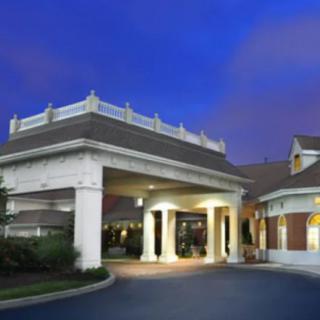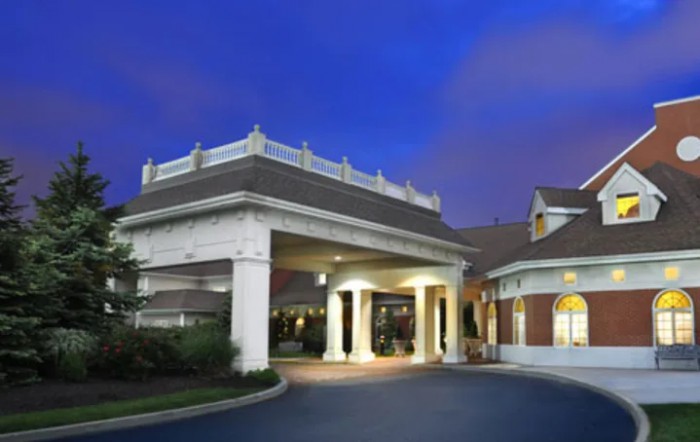

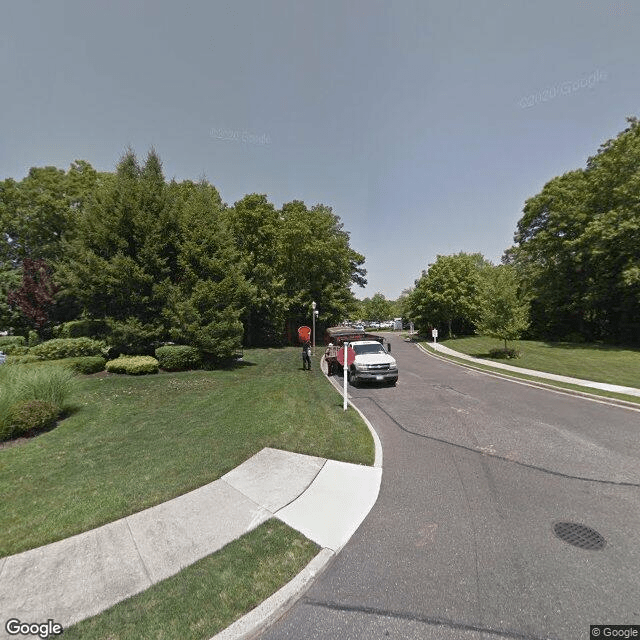
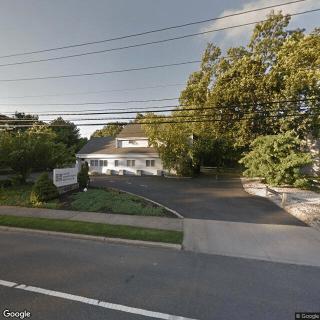
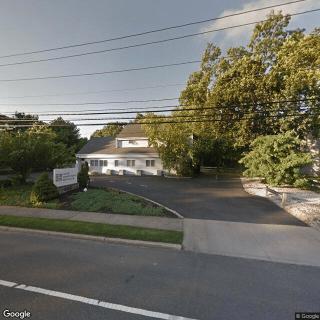
500 Mather Drive, South Setauket, NY 11720
For more information about senior living options: (866) 208-4318
Jefferson's Ferry Costs & Pricing
At Jefferson's Ferry, the costs for living arrangements reflect a higher price point compared to both Suffolk County and the broader state of New York. For instance, a studio at Jefferson's Ferry is priced at $6,570 per month, significantly exceeding the Suffolk County average of $5,129 and the state average of $4,532. Similarly, a one-bedroom unit at Jefferson's Ferry costs $7,980, which is also notably higher than the county's rate of $5,646 and the state's average of $4,307. This pricing structure suggests that while Jefferson's Ferry may offer distinctive amenities or services justifying the premium cost, potential residents should weigh these factors against alternative options in the region.
| Floor plans | Jefferson's Ferry | Suffolk County | New York |
|---|---|---|---|
| Studio | $6,570 | $5,129 | $4,532 |
| 1 Bedroom | $7,980 | $5,646 | $4,307 |
Skilled Nursing Facilities with a similar price nearby
-
from +$525 / mo

Atria Darien
$7,095 to $12,195 / month24.3 miles away -
from -$375 / mo
Atria Plainview
$6,195 to $10,895 / month21.8 miles away -
from -$330 / mo
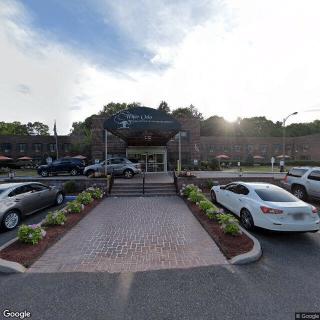
White Oaks Nursing Home
$6,240 / month20.5 miles away -
from -$770 / mo

Jewish Senior Services
$5,800 to $6,700 / month23.1 miles away
Overall Review of Jefferson's Ferry
Pros
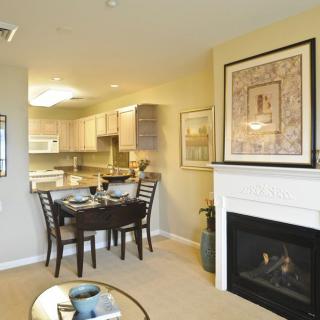
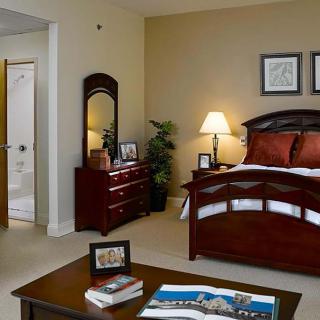
 Jefferson’s Ferry is described as beautiful, modern, and homey with spacious, updated apartments.
- The staff are responsive, patient, and caring, contributing to a positive experience.
- The medical care is regarded as good, with nurses who are appreciated by families.
- The community offers amenities such as a wood shop, movie theater, pool, weight room, and library.
- There is an active activities schedule and a Sunday banquet-brunch.
- The two-bedroom apartments are perfectly sized, updated, and clean, like a real apartment.
- The dining room is lovely, with praised food and a pleasant atmosphere.
- The grounds are beautiful, and the staff are friendly and helpful, with residents who look happy.
Cons
 They found it was just too expensive.
- The memory wing felt more like a carpeted hospital than a home.
- The emergency alert button didn’t go off after a fall.
- The elevator doors crushed her, leaving a broken rib.
- The main building for independent living isn’t well made.
- The resident’s apartment has had so many leaks.
- They felt it was overpriced for a one-bedroom unit.
Review
Jefferson’s Ferry is best suited for seniors who want a comprehensive continuum of care wrapped in an upscale, amenity-rich environment, and for families willing to invest in top-tier medical oversight and a broad program slate. It serves residents who anticipate needing independent living, assisted living, and memory care within the same campus, minimizing moves and preserving routines. The community’s appeal rests on its robust social life, substantial on-site amenities (wood shop, movie theater, pool, weight room, library, activities), and a dining and brunch rhythm that feels more like a full-service resort than a traditional retirement setting. In short, it is ideal for those who prize medical efficiency, campus-wide activity density, and access to a hospital-adjacent ecosystem, and who can tolerate a premium price tag.
That said, prospective entrants should explicitly consider alternatives if budget is a primary constraint or if a quieter, less ostentatious home environment is preferred. The same amenities that draw families here can feel excessive to visitors seeking a simpler, more cottage-like or rural experience. For those who want independent living with minimal ongoing care, or who favor a less urban campus footprint with easier parking and less traffic, there are communities that deliver similar daily life without the premium level of medical staffing and on-site sophistication. The price-to-value calculus becomes acute for anyone not planning to leverage the full continuum of care.
The strongest pros, superb medical oversight and continuity of care, attentive nursing, and a highly active social calendar, often justify the investment for residents who rely on readily accessible, high-quality clinical support. Families note that nursing staff are capable and responsive, and that the on-site options, from regular activities to transportation to medical appointments, reduce the friction of aging in place. The sheer range of amenities helps sustain independence longer: private, well-appointed apartments, a well-stocked library, a cinema, a pool, and frequent events including a Sunday banquet. For memory-care transitions, the memory wing remains a central asset, even as it can feel more hospital-like than home, underscoring the trade-off between clinical environment and care intensity.
The campus’ strength in care is counterbalanced by several material drawbacks. First, the price point is steep and repeatedly escalates; some families report annual increases that push the cost into the most aggressive tier of senior living, to the point of six figures for a long run. Second, even within the independent living core, maintenance and infrastructure can lag the luxury aura, leaks in an apartment, a main-building perception of aging construction, and occasional safety system concerns. The memory wing’s environment, while clinically proficient, can read as clinical rather than cozy, which may dampen perceived homeliness for residents with a strong preference for a private, domestic feel. And while the dining room earns praise, affordability and value for everyday meals become a soft downside if the care plan isn’t fully utilized.
Operational reliability issues also temper the otherwise glowing portrait. Notable safety incidents, the emergency alert system’s failure during a fall and an elevator accident, highlight real risk in even premiere campuses and remind families to scrutinize safety protocols, redundancies, and staff responsiveness. Parking and traffic in a campus with urban-adjacent access can be inconvenient, especially for visitors or for residents who value a quiet, country-level setting. Some apartment layouts are described as smaller than desirable, particularly for couples or those who maintain a broader living inventory. Taken together, these concerns tilt the decision toward careful cost-vs-benefit analysis rather than automatic enthusiasm.
For decision-makers, the recommended approach is disciplined due diligence rather than a tour-and-sign. Demand a transparent, bottom-line pricing package, including entry fees, monthly rates, maintenance charges, and how those figures evolve over time. Probe the specifics of the memory wing versus independent living, what level of care is included, expected wait times for services, and how staff-to-resident ratios hold up under peak periods. Ask about safety systems, incident logs, and staff training to gauge reliability beyond promotional promises. If a resident’s health trajectory points toward sustained, intensive care, Jefferson’s Ferry remains a compelling option; if budget, homelike atmosphere, or a quieter environment supersede care intensity, alternatives should be pursued with equal vigor. In the end, this community delivers remarkable clinical strength and a bustling, well-supported lifestyle, worth pursuing for the right buyer, and worth passing over for those prioritizing cost containment or a country quiet.
 60 resident community capacity
 1-bedroom apartments
 Assisted Living
 Continuing Care Retirement Community (CCRC)
 Memory Care
 Skilled Nursing Facility
 Activities off-site
 Air-conditioning
 Beautician on-site
 Cable or satellite TV
 Computer center
 Devotional services off-site
 Dining room
 Financial aid
 Fitness room
 Full kitchen
 Fully furnished
 Gaming room
 Garden
 Golf
Golf Guest parking
 Hiking trails
 Housekeeping services
 Indoor common areas
 Laundry
 Move-in coordination
 Outdoor common areas
 Party space
 Private bathrooms
 Respite or short term stays offered
 Restaurant-style dining
 Small library
 Spa
Spa Swimming pool
 Telephone
 Wheelchair accessible showers
 Wi-Fi/high-speed internet available
 Long Island - MacArthur (7 miles away)
 Community operated transportation
 12-16 hour nursing
 24-hour call system
 Ambulatory care
 Assistance with bathing
 Assistance with dressing
 Assistance with transfers
 Diabetes diet
 Diabetic care
 Incontinence care
 Medication management
 Mental wellness program
 Psychiatric care
 Special dietary restrictions
 Concierge services
 Planned day trips
 Wii bowling
 English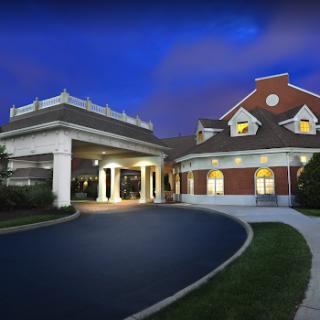



 Memory Care Pathways: A Holistic Guide to Dementia Support
 Comprehending Evening Confusion in Dementia: Causes, Manifestations, and Support
 Delirium and Dementia: Unraveling the Key Differences