
9 Midline Rd, Slaterville Spgs, NY 14881
To contact a resident: (607) 539-6320
For more information about senior living options: (866) 208-4318
Overall Review of Fountain Manor
Cons
 This place is housing only...not a nursing home.
- Nasty place!
Review
Fountain Manor in Slaterville Springs is best suited for seniors who want a village-adjacent living option that operates as housing rather than a full-service care community. It is not appropriate for families whose loved one requires regular medical oversight, skilled nursing, or consistent assistance with activities of daily living. In short, this setting should be considered only by those who seek independence with the appeal of a local address, and who are comfortable arranging external care if or when medical or daily-support needs arise.
The strongest context for Fountain Manor is its location. The reviews repeatedly point to the village tie as a meaningful pull for residents, particularly when attachment to a hometown is a factor. For someone who values being close to familiar surroundings, or who wants to stay in a community that feels like “home,” the address in Slaterville Springs can still carry emotional and social weight. That emotional inch can matter for residents who prize continuity and proximity to long-standing relationships, groceries, or local connections. Yet that appeal cannot substitute for on-site care or robust safety nets.
What the reviews reveal most clearly is a fundamental mismatch between expectations of care and what Fountain Manor actually provides. The neighborhood is described as housing-only rather than a nursing or assisted-living environment. The upshot is that essential medical supervision, routine medication management, or help with daily tasks will not be reliably available on-site. Combined with the blunt characterizations of the facility, described as a “nasty place” by caregivers, these factors collectively raise red flags about cleanliness, upkeep, or resident services. For families evaluating risk, the absence of professional care is the dominant liability, and it overshadows plausible benefits tied to location.
The key to weighing Fountain Manor is balancing the limited on-site scope against the perceived benefits of staying in town. The housing-only model can be tolerable only if a trusted, external care plan is in place and the resident is largely self-sufficient. In practice, that means arranging private aides, visiting nurses, or family-driven support to address medications, mobility, nutrition, and safety checks. If a resident requires even intermittent supervision, or if safety concerns arise (falls risk, wandering, cognitive changes), the lack of built-in protections becomes a decisive flaw. The pro of a familiar village setting does not meaningfully offset these critical service gaps for most families.
From an advisory standpoint, the prudent path is a conservative screen: demand clarity on what “housing-only” entails in concrete terms, what is included in the monthly cost, what safety features exist, what staff is available on-site, and how emergencies are handled. Tour the facility with a checklist focused on cleanliness, maintenance responsiveness, and the demeanor of staff. Seek corroboration from current residents or family members about call-bell response times, willingness to assist with transport, and the viability of coordinating external care without friction. If the plan relies on external providers, verify that the facility accommodates schedules, privacy, and access for caregivers, while confirming any visitor policies that affect ongoing support.
In the end, Fountain Manor works best for a small slice of purchasers: those who value the village setting and who can independently manage most daily needs while coordinating external care, or those whose loved one is emotionally anchored to the location and does not require frequent medical involvement. For families that prioritize built-in care, predictable supervision, and a dignified, well-maintained living environment, alternatives deserve serious consideration. The prospect of a “nasty place” combined with a housing-only model makes the decision clear: pursue options with visible, reliable on-site services, or prepare for a rigorous external-care plan that can meet safety and health needs without compromising the resident’s sense of place.
 Skilled Nursing Facility
 Tompkins Cty (9 miles away)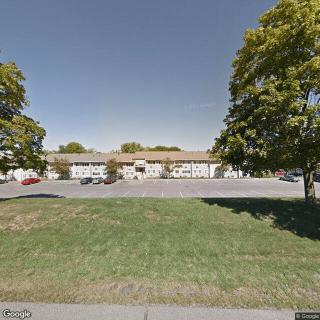
 Excellent location with nearby amenities and potential for a vibrant community.

 Understanding Hospice Care at Home: Comprehensive Services, Key Benefits, and Eligibility
 Understanding the Full Cost of 24/7 In-Home Care: A Detailed Overview
 Exploring the World of Home Health Nurses: Qualifications, Roles, and Hiring Tips