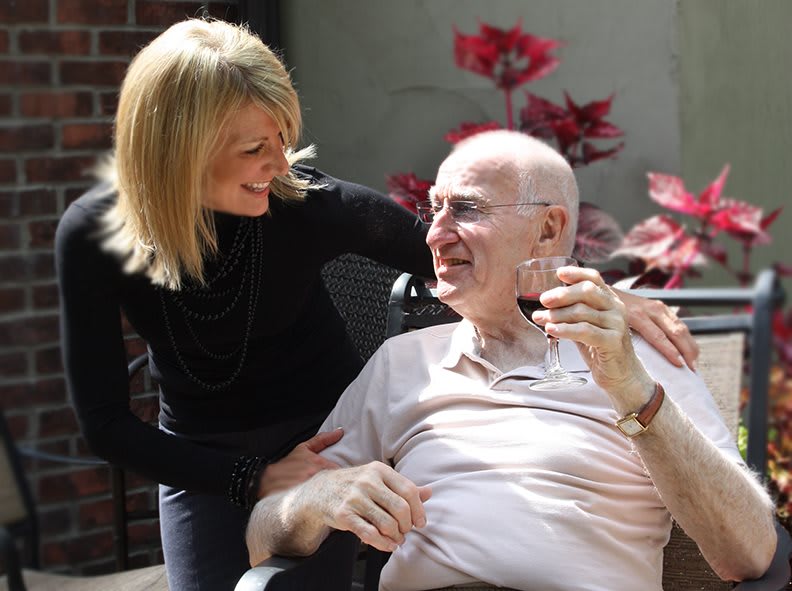
Bridges Cornell Heights in Ithaca, NY
Save407 Wycoff Ave, Ithaca, NY 14850
For more information about senior living options: (844) 490-3973
Bridges Cornell Heights presents a unique value proposition in terms of its monthly costs, particularly when compared to both Tompkins County and the broader New York State landscape. For example, the semi-private room rate at Bridges is $9,400, which is notably higher than the average cost of $7,748 in Tompkins County and significantly above the state average of $4,389. Similarly, the private room option at Bridges is priced at $9,900, again exceeding local and state averages of $7,675 and $5,159 respectively. These figures reflect not only the premier services and amenities offered by Bridges Cornell Heights but also its strategic position within a competitive market that caters to those seeking exceptional care and an enriching living environment.
| Floor plans | Bridges Cornell Heights | Tompkins County | New York |
|---|---|---|---|
| Semi-Private | $9,400 | $7,748 | $4,389 |
| Private | $9,900 | $7,675 | $5,159 |
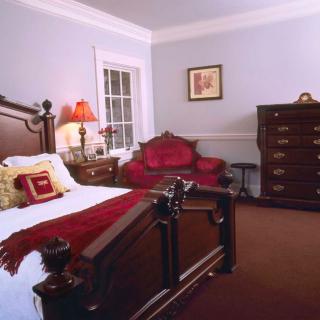
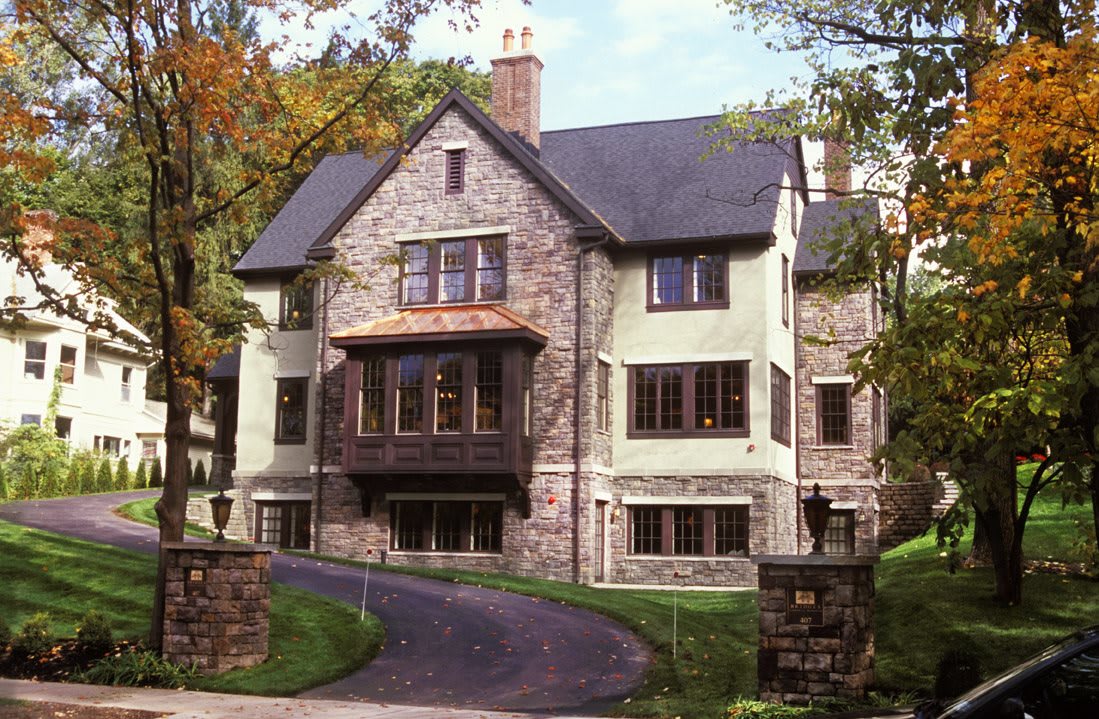
Bridges Cornell Heights is best suited for families seeking a warm, home-like assisted living experience where personalized attention, dignity, and a sense of community take priority. The properties are designed to feel like comfortable homes rather than institutions, with thoughtful spaces such as The Tudor and The Craftsman that foster daily life as a living, social arrangement rather than a clinical routine. Residents tend to thrive when staff treat them with patience, respect, and genuine warmth, and the strongest cases show ongoing, attentive caregiving that honors individual preferences. For seniors who value daily engagement - nutritious meals, music, excursions, and festive gatherings - this community routinely delivers a vibrant, relational environment rather than a sterile, facility-focused experience.
Those considering alternatives are wise to weigh a few critical gaps. Families needing highly structured, clinical rehab-to-home transitions, aggressive medical oversight, or dedicated memory-care programming with strict protocols may find options elsewhere that feel more defined and scalable. Some reviewers flag governance and consistency concerns across different Bridges residences, and a minority of accounts describe tense or inconclusive interactions with ownership or administration. In short, when a seamless, uniformly managed program with ironclad decision-making processes is non-negotiable, it pays to compare Bridges with facilities that foreground centralized oversight and surgical precision in care plans.
The core strengths - compassionate staff, individualized care, and a genuine sense of being part of a family - as well as the culinary quality and lively programming - often offset the most significant drawbacks. Families consistently praise caregivers who go beyond routine tasks, taking real care to respect residents' routines, preferences, and dignity. The meals, the variety of activities, and the design of spaces to feel homelike create a backdrop where residents can socialize, explore interests, and maintain autonomy within supportive boundaries. When care needs escalate, teams at Bridges demonstrate adaptability, coordinating with families to adjust daily routines, nutrition, and activities to match evolving conditions. That level of attentiveness is the linchpin of trust in this setting.
Where the balance tilts depends on what matters most to the family. For those who prize quiet reliability, a sense of "home," and staff who remember personal histories and preferences, Bridges delivers with consistency and emotional resonance. For families with serious concerns about governance, or who require a uniform standard of practice across multiple campuses, the occasional negative account cannot be dismissed. A few reviewers recount alarming experiences around medication decisions, and others accuse management or ownership of insufficient follow-through. These singular stories should prompt direct questions during tours: what are the exact medication-review processes, who makes critical decisions, and how are concerns escalated and resolved? If those answers feel satisfactory and transparent, the risk is manageable; if not, alternatives with clearer control frameworks may be preferable.
The living environment itself reinforces the decision to consider Bridges: intimate, well-appointed homes designed to feel like personal residences, not clinical wings. Residents participate in regular concerts, exercise, and holiday celebrations, and the staff turnover appears low enough to support meaningful relationships - an element many families cite as the difference-maker between a good placement and a truly transformative one. The team members repeatedly named in reviews - chefs creating varied, satisfying menus, activity directors orchestrating meaningful engagements, and nursing staff coordinating care - contribute to a palpable sense of stability and compassion. For caregivers seeking an organization that truly treats residents as family, Bridges exemplifies what practical, relationship-centered care looks like in everyday practice.
For families at the end of their search, Bridges can be the right fit when the priority is a heartfelt, person-centered living environment where daily life feels engaging and dignified. When the care goal leans toward intense clinical oversight, highly standardized procedures across multiple locations, or unequivocally risk-averse governance, it pays to look at alternatives with more formalized structures. Prospective residents should schedule a visit with multiple team members, observe interactions in common areas, and request candid conversations about care planning, safety protocols, and complaint resolution. Bridges Cornell Heights stands out for its warmth, culinary quality, and authentic sense of community; the strongest guidance is to judge fit by whether the resident's personality and needs align with the pace, culture, and leadership style reflected in a firsthand tour.
In sum, Bridges Cornell Heights is a practical, capable choice for families prioritizing dignity, connection, and a lively, home-like atmosphere. The breadth of residences offers flexible options to tailor living spaces to evolving needs, and the overall caregiving ethos tends to yield peace of mind for families who value personalized attention. Yet prospective movers should not overlook the serious concerns voiced by a minority of reviewers about governance and specific care decisions. If such issues are disqualifying, explore alternatives that emphasize centralized oversight and uniform care standards; if they are tolerable with proper due diligence, Bridges provides a compelling, proven pathway to a fulfilling, supported life for a loved one.
Bridges Cornell Heights is an assisted living community located in the charming town of Ithaca, NY. We offer exceptional care and support for seniors who require memory care or skilled nursing services. Our community provides a comfortable and secure environment where residents can thrive.
At Bridges Cornell Heights, we prioritize the well-being of our residents by offering a range of amenities to enhance their quality of life. Our on-site activities ensure that there is always something fun and engaging for our residents to take part in. From art classes to brain fitness exercises, there is something for everyone. We also organize day trips and outings to allow our residents to explore the beautiful surroundings of Ithaca.
Our beautifully designed indoor common areas provide a cozy space for socializing and relaxation, while our outdoor common areas allow residents to enjoy fresh air and nature. Private rooms with private bathrooms ensure privacy and comfort for our residents.
Care services at Bridges Cornell Heights are comprehensive and tailored to meet the unique needs of each resident. Our dedicated staff provides high acuity care, incontinence care, medication management, and physical therapy services.
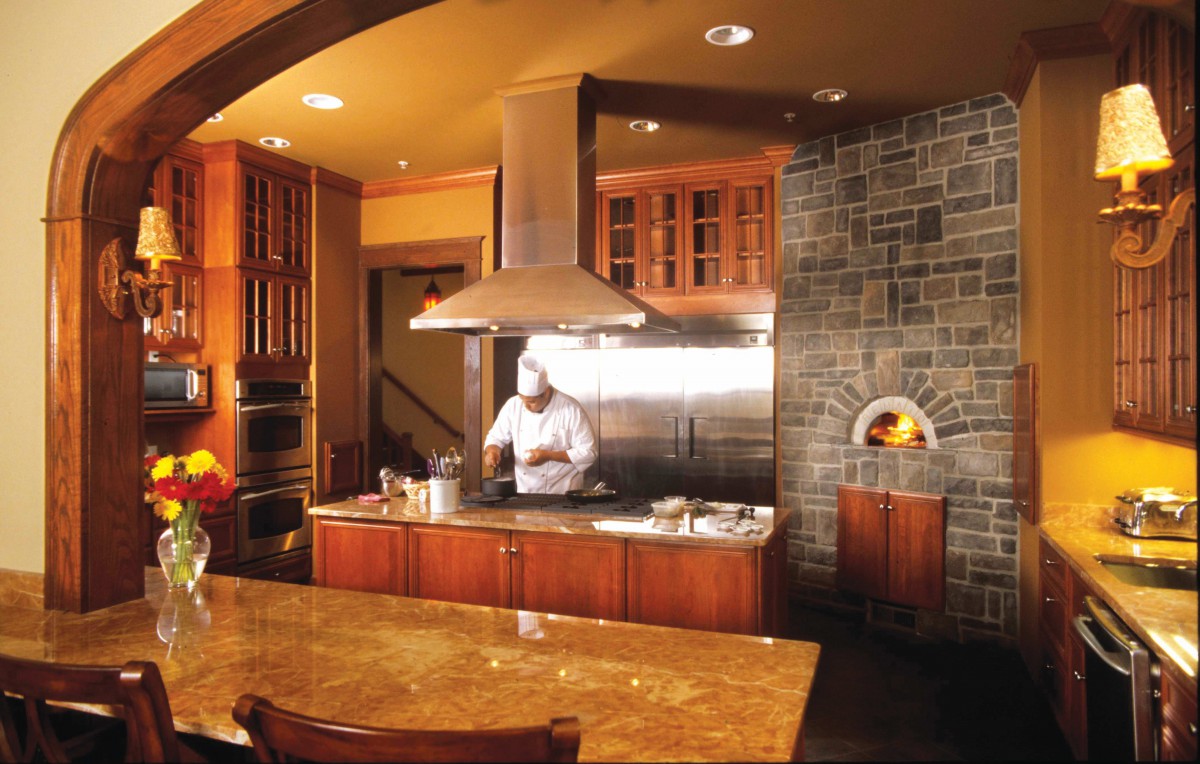
When it comes to dining, we believe in providing nutritious and delicious meals that cater to various dietary needs. With options like kosher, low/no sodium, vegan, vegetarian, and special dining programs available, our professional chef ensures that every meal is satisfying and enjoyable.
In addition to our outstanding amenities and care services, Bridges Cornell Heights is conveniently located near various cafes, parks, pharmacies, physicians' offices, restaurants, transportation hubs, places of worship, theaters, and hospitals. This ensures that residents have easy access to essential amenities and services outside of the community as well.
We strive to create a warm and supportive environment at Bridges Cornell Heights where residents feel at home while receiving the care they need.
This section of Ithaca, New York offers a diverse range of amenities and services that would be beneficial for seniors looking to live in the area. With a variety of restaurants nearby such as Louie's Lunch, Trillium, and Lincoln Street Diner, there are plenty of dining options to explore. Additionally, there are several places of worship including the First Congregational Church and Tabernacle Baptist Church for spiritual support. The abundance of parks such as Sunset Park and Stewart Park provide opportunities for outdoor activities and relaxation. Access to healthcare is convenient with physicians like Health Center-Cornell University and pharmacies like Kinney Drugs in close proximity. For entertainment, Cinemapolis theater is just a short distance away. Overall, this neighborhood in Ithaca provides a well-rounded community with essential services that cater to the needs of seniors.
Bridges Cornell Heights presents a unique value proposition in terms of its monthly costs, particularly when compared to both Tompkins County and the broader New York State landscape. For example, the semi-private room rate at Bridges is $9,400, which is notably higher than the average cost of $7,748 in Tompkins County and significantly above the state average of $4,389. Similarly, the private room option at Bridges is priced at $9,900, again exceeding local and state averages of $7,675 and $5,159 respectively. These figures reflect not only the premier services and amenities offered by Bridges Cornell Heights but also its strategic position within a competitive market that caters to those seeking exceptional care and an enriching living environment.
Bridges Cornell Heights offers Studio apartments.
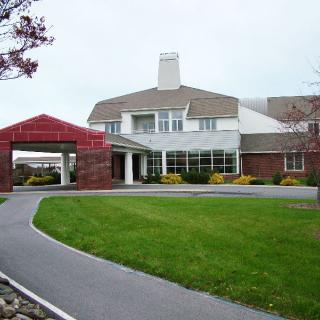
Bridges Cornell Heights is located at 407 Wycoff Ave, Ithaca, NY 14850 in Tompkins County, New York
Bridges Cornell Heights enhances memory care through its comprehensive features designed to address the unique needs of individuals with dementia or Alzheimer's disease. Medication management ensures that residents receive the correct dosages at the right times, reducing confusion and potential medication errors. Physical therapy supports mobility and strength, helping residents maintain independence and improve overall physical health, which can positively impact cognitive function. Incontinence care provides dignity and comfort, addressing a common issue faced by those with memory impairments while minimizing anxiety around personal hygiene. Additionally, brain fitness activities are tailored to stimulate cognitive function and memory retention, engaging residents in meaningful ways that promote mental agility and social interaction. Collectively, these services create an enriching environment that fosters a sense of safety and well-being for residents navigating the challenges of memory loss.
Yes, Bridges Cornell Heights allows both dogs and cats.
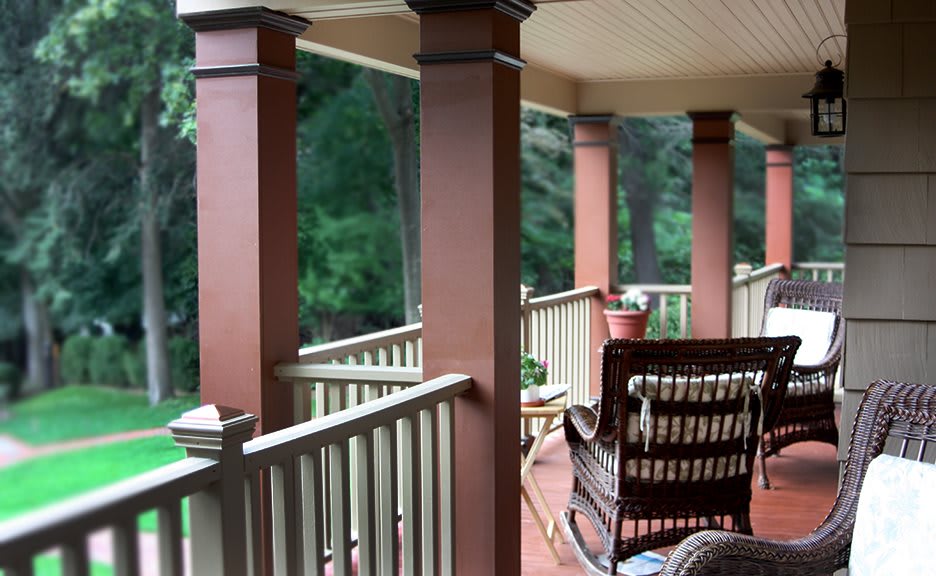
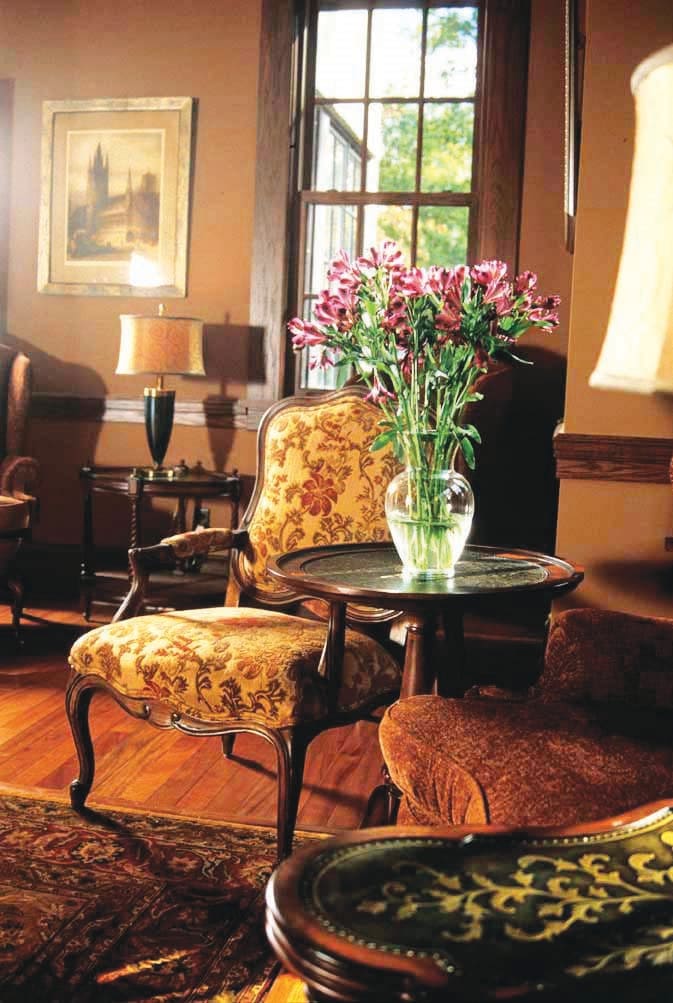
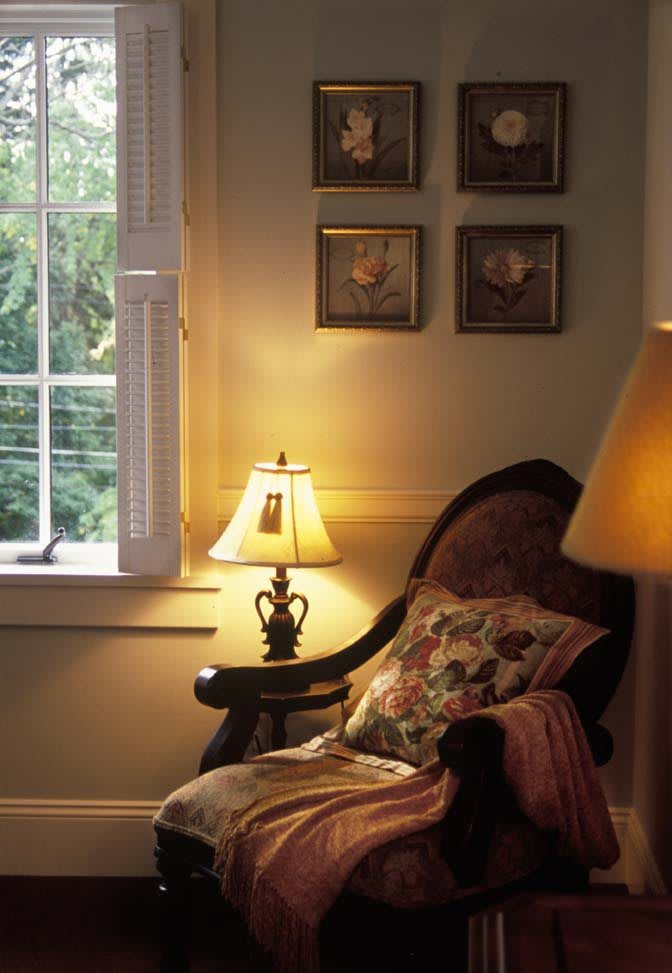
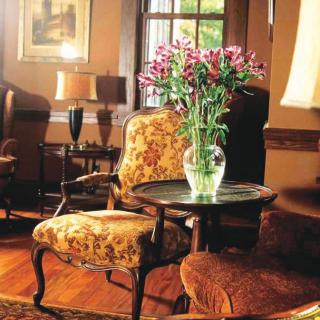
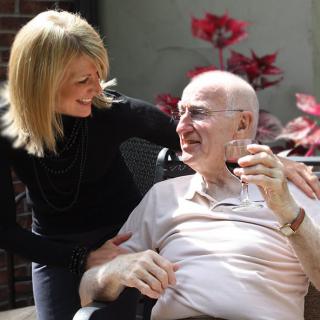
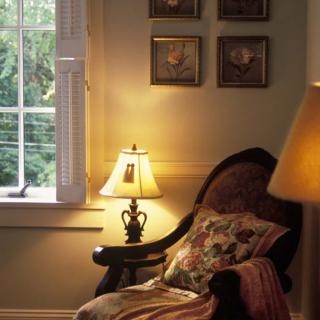
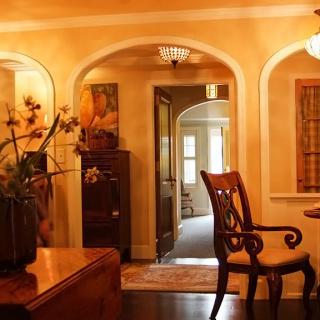
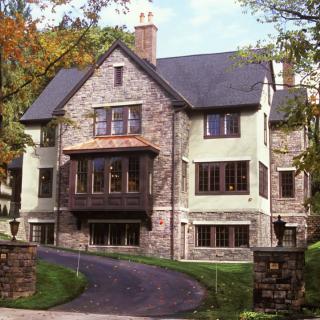
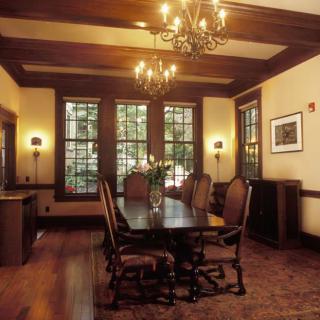
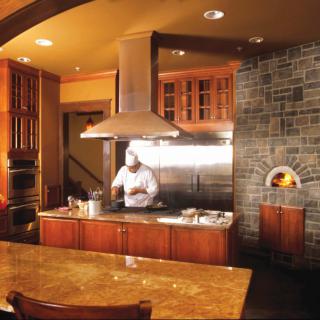
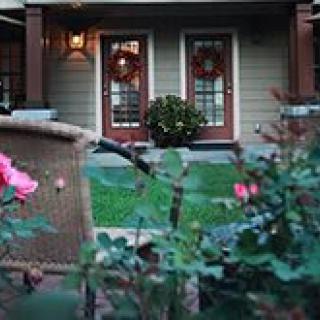
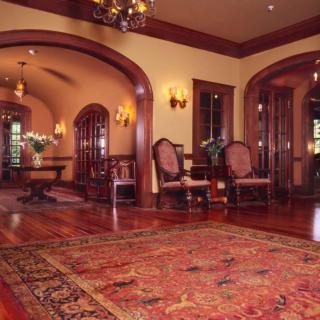
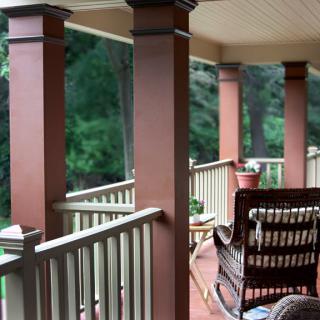
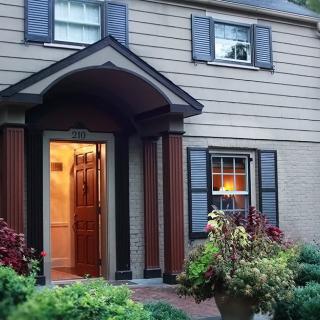
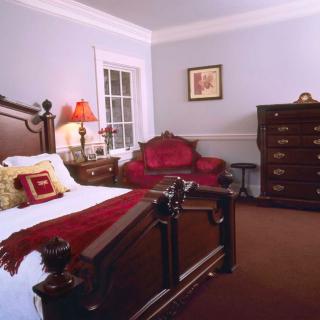
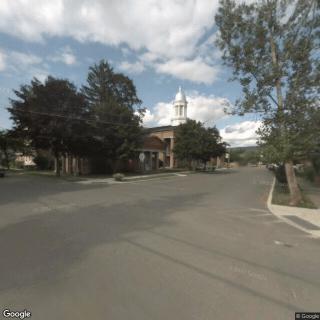
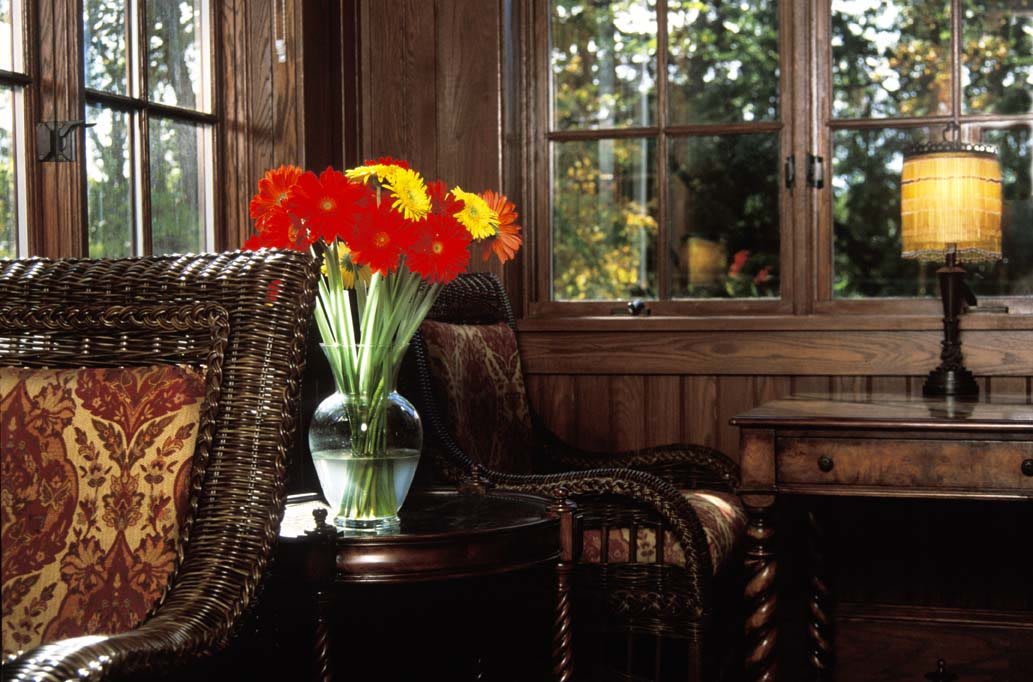
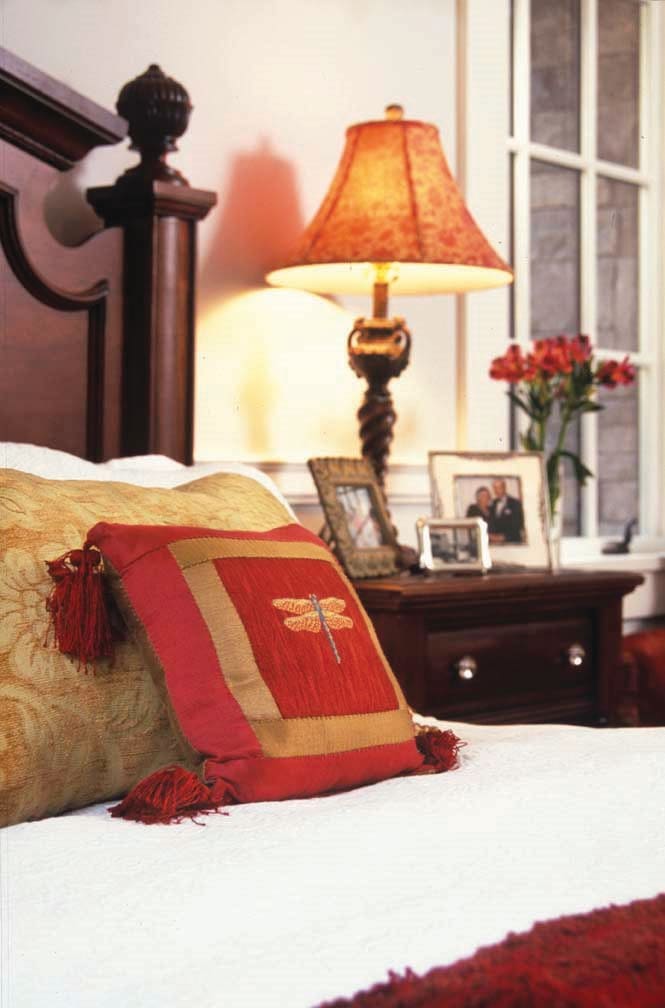
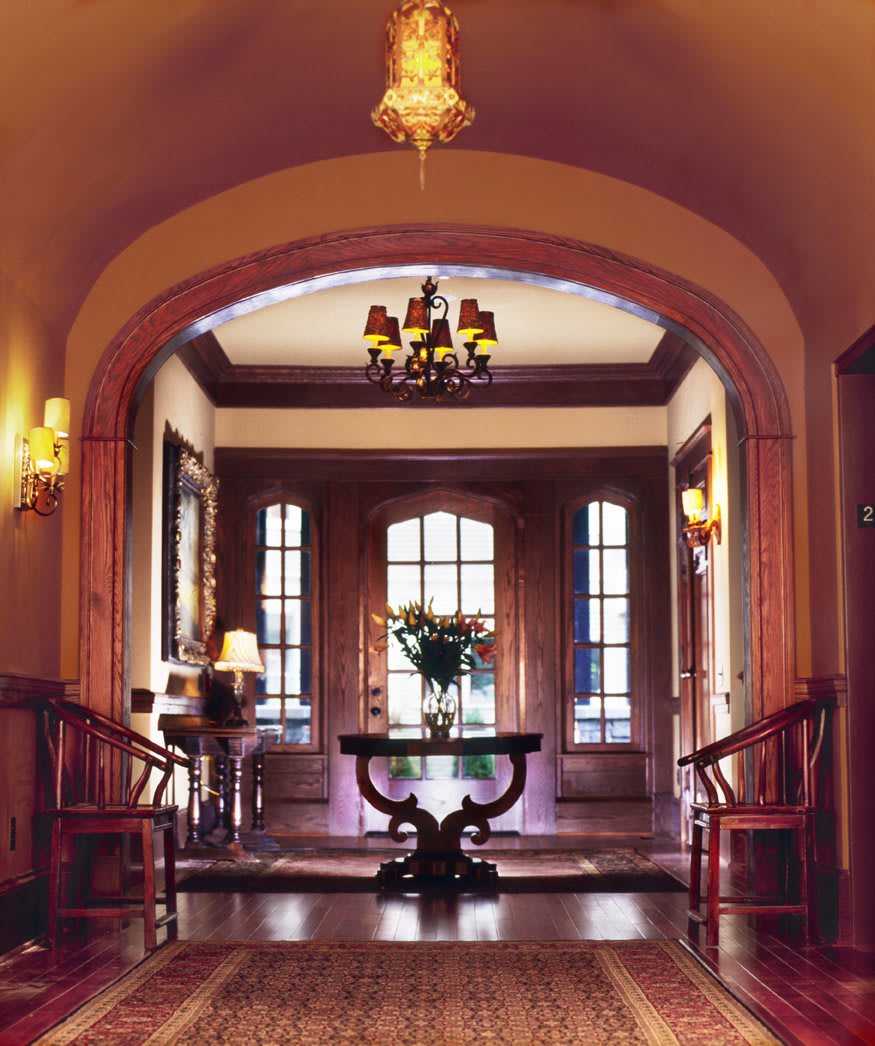
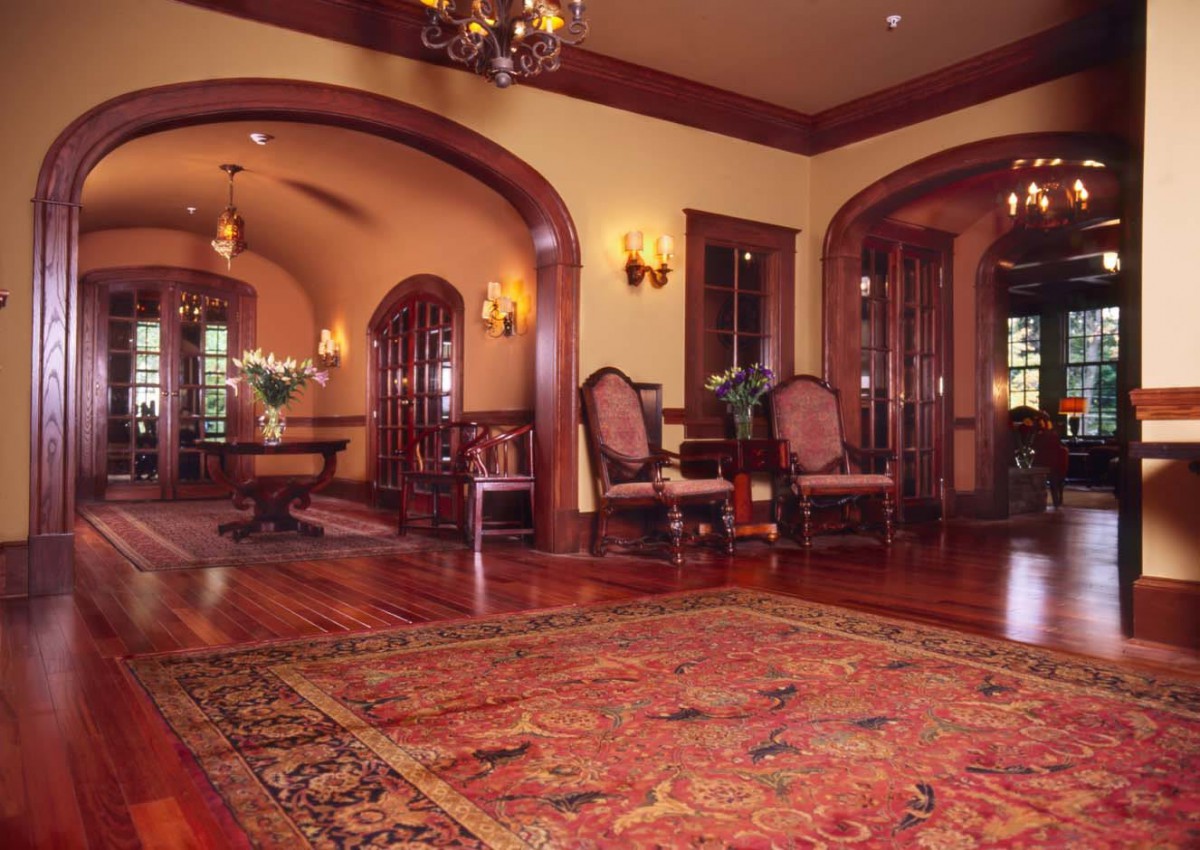
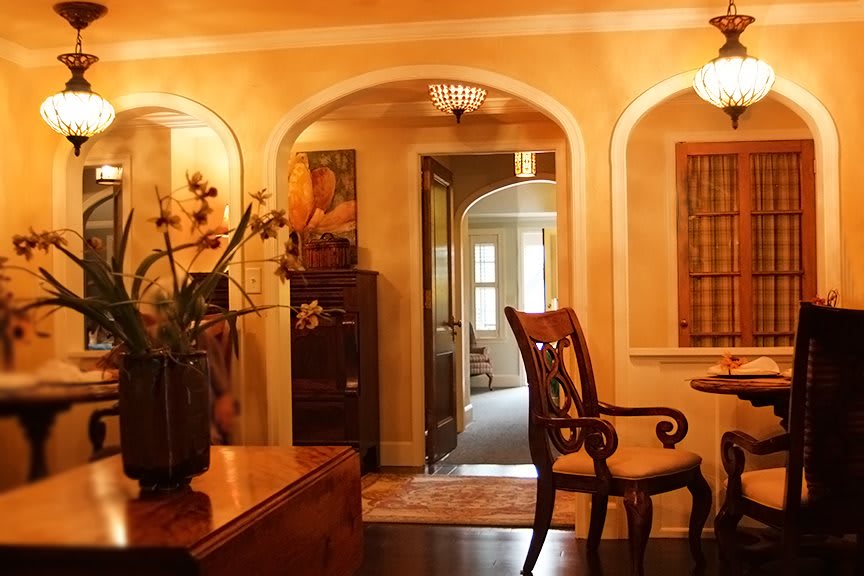
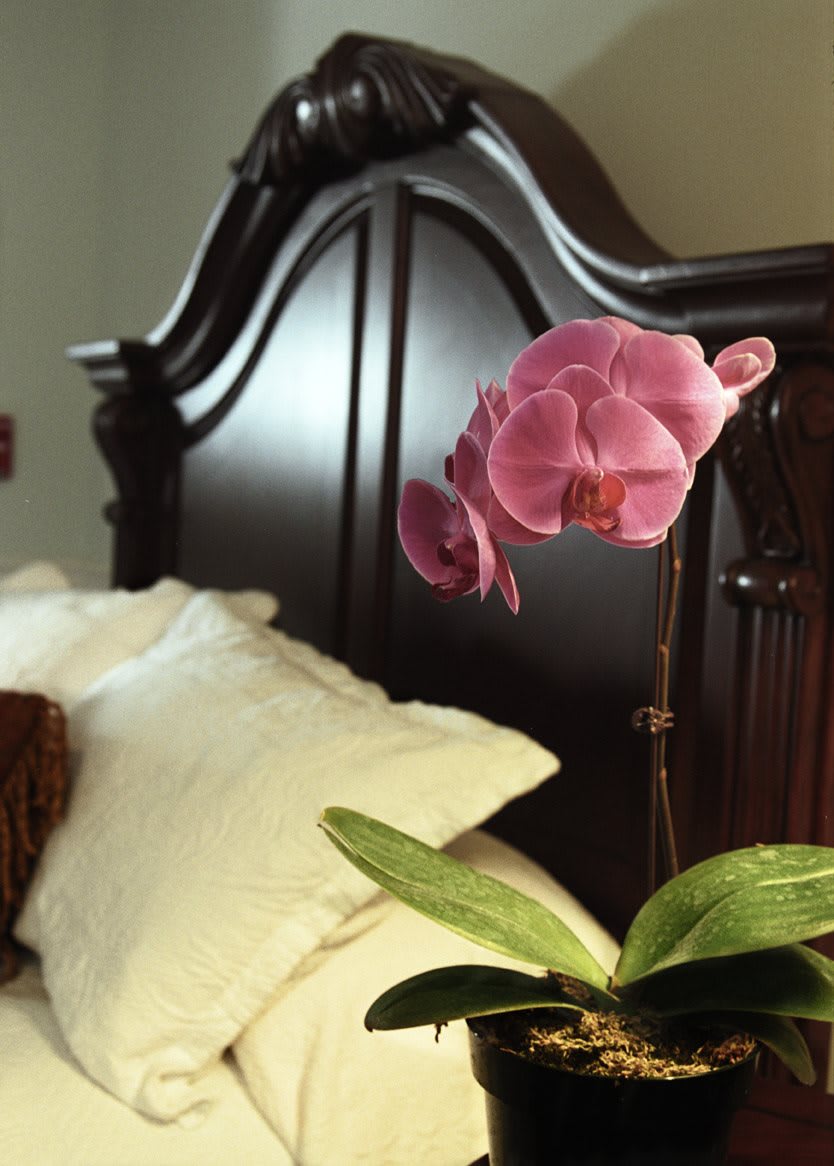
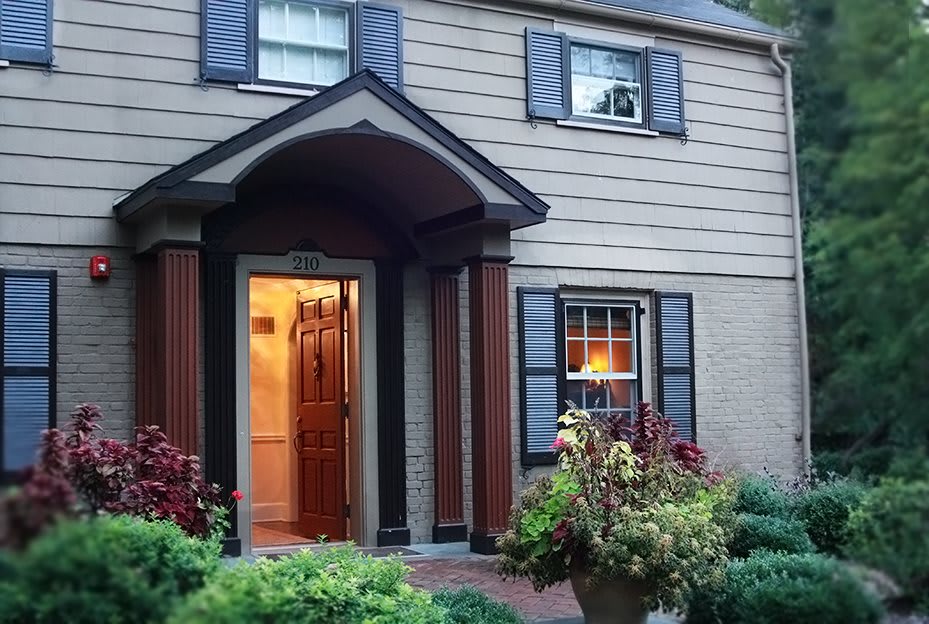
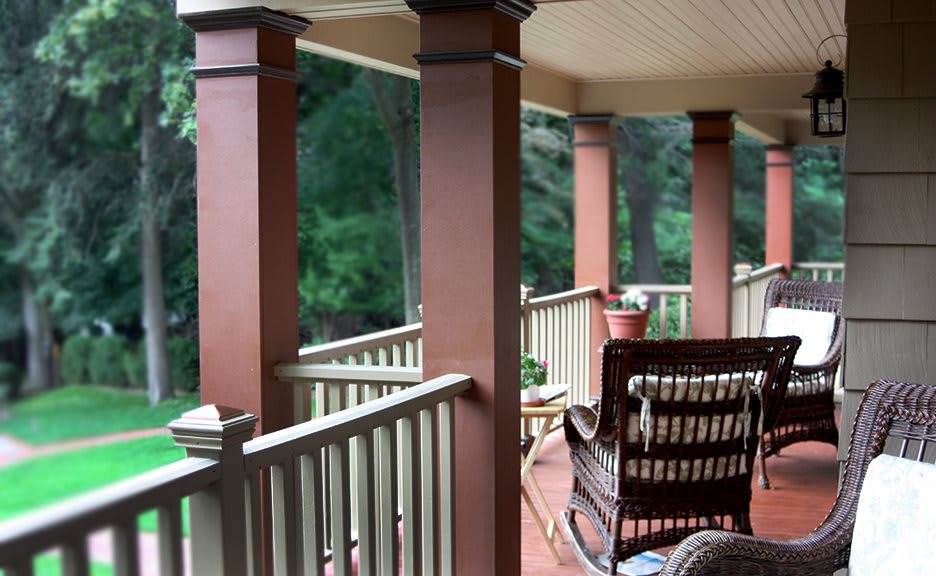
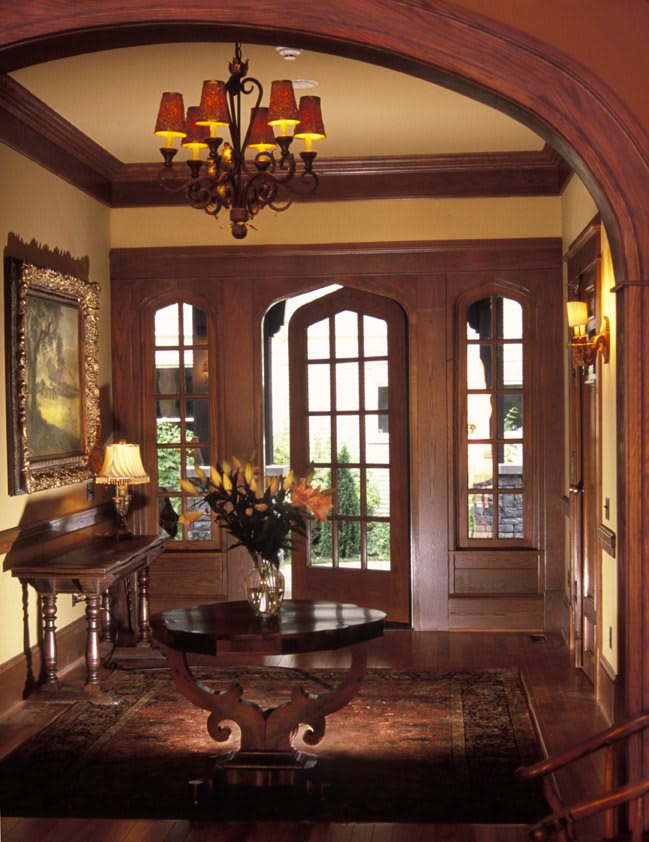
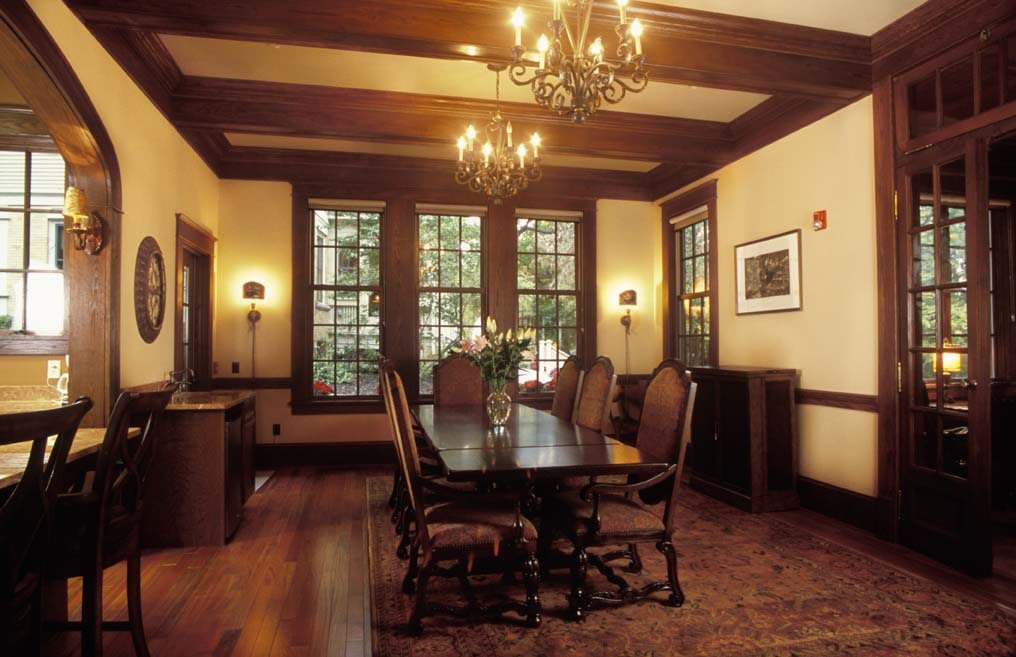
Bridges Cornell Heights on seniors.fyi includes 20 photos including images showing interior, windows, decor, living room, bedroom, traditional decor, chandelier, garden, and more.
Comprehensive Insights on the Late Stages of Dementia: What to Expect and How to Provide Care

The article discusses the late stages of dementia, detailing the progression from mild to severe impairment and highlighting key characteristics such as profound cognitive decline and dependency in daily activities. It emphasizes care strategies focused on comfort and dignity, the importance of advance directives, and the emotional support needed for family caregivers facing this challenging journey.
Medications Associated with Dementia Risk: A Comprehensive Overview

The article examines the link between certain medications and increased dementia risk, particularly in older adults, emphasizing that long-term or high-dose use of anticholinergics, benzodiazepines, and other drug classes can exacerbate cognitive impairment. It calls for careful medication evaluation and shared decision-making to mitigate these risks while managing treatment efficacy.
Guiding Your Journey: Understanding Power of Attorney for Elderly Parents
The article emphasizes the significance of establishing a power of attorney for elderly parents to enable an agent to make decisions on their behalf regarding health and finances, especially during cognitive or physical decline. It outlines various types of power of attorney, the importance of consulting legal professionals, and the responsibilities and challenges faced by agents, while also discussing alternatives and common misconceptions.