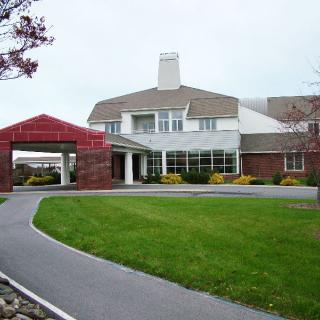













Bridges Cornell Heights The Colonial in Ithaca, NY

Save

  • Interior

    A traditional bedroom with classic wooden furniture and warm lighting.
  • Decor

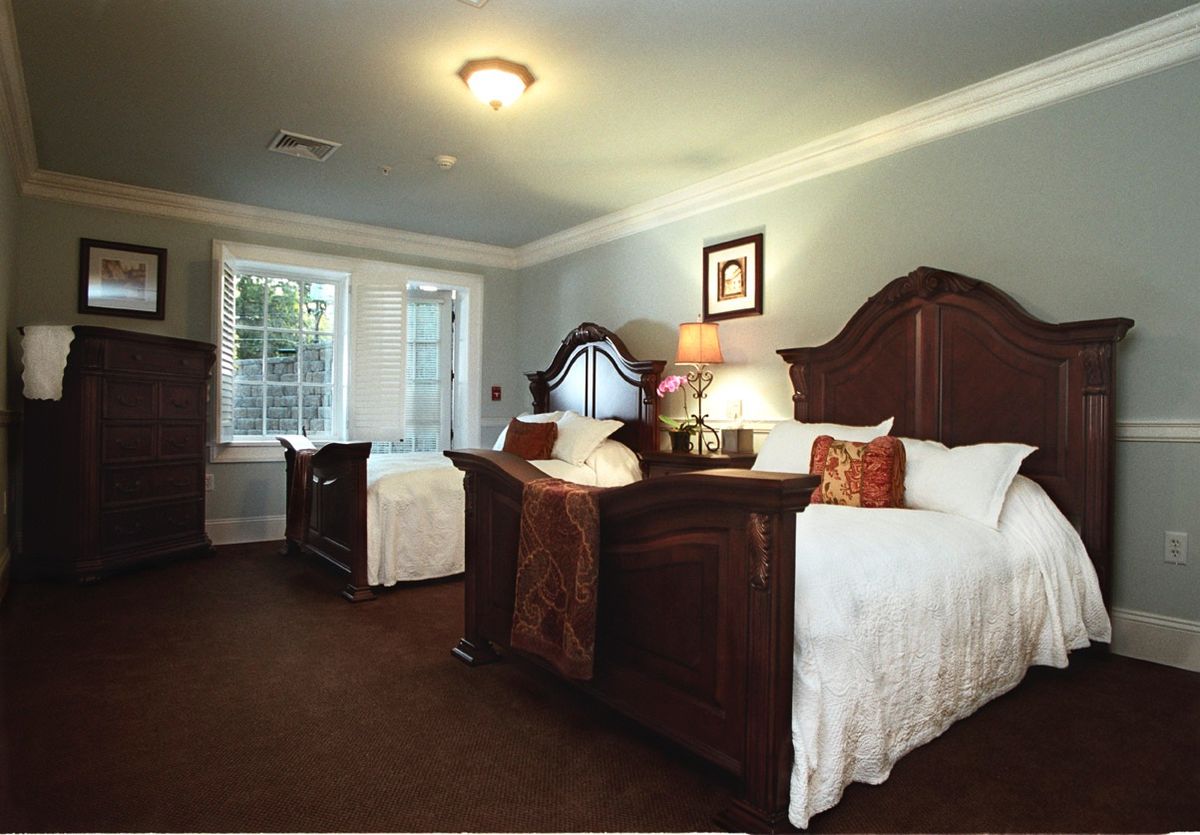
    A cozy bedroom with two twin beds and warm decor.
  • Living Room

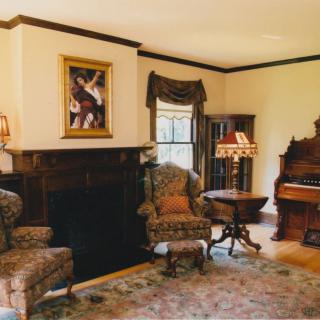
    A cozy living room with antique furniture and a traditional fireplace, complemented by rich red curtains.
  • Bedroom

    A classic bedroom with a cozy bed and bright natural lighting.
  • Windows

    A warmly designed bathroom with tiled walls and floor, featuring a sink, toilet, and a window with drapes.
  • Dining

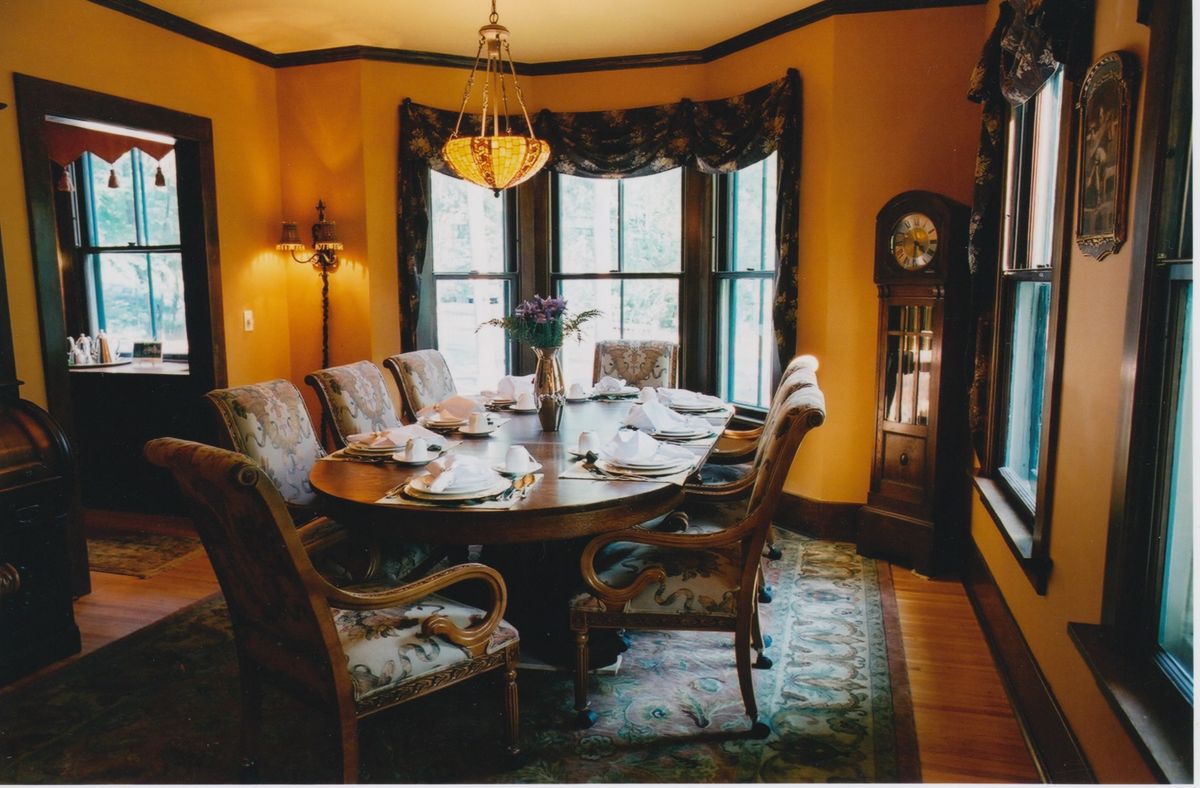
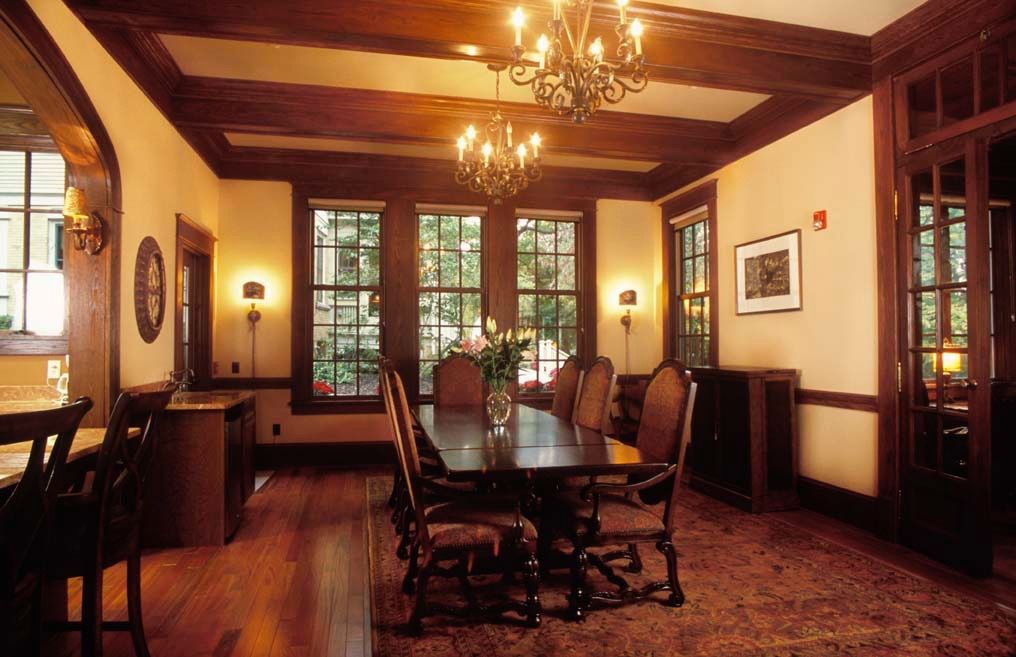
    An elegant dining room with a set dining table, chandelier, and grandfather clock by the bay windows.
  • Lighting

    A cozy library room with a table and chairs, accented by warm lighting.
  • Fireplace

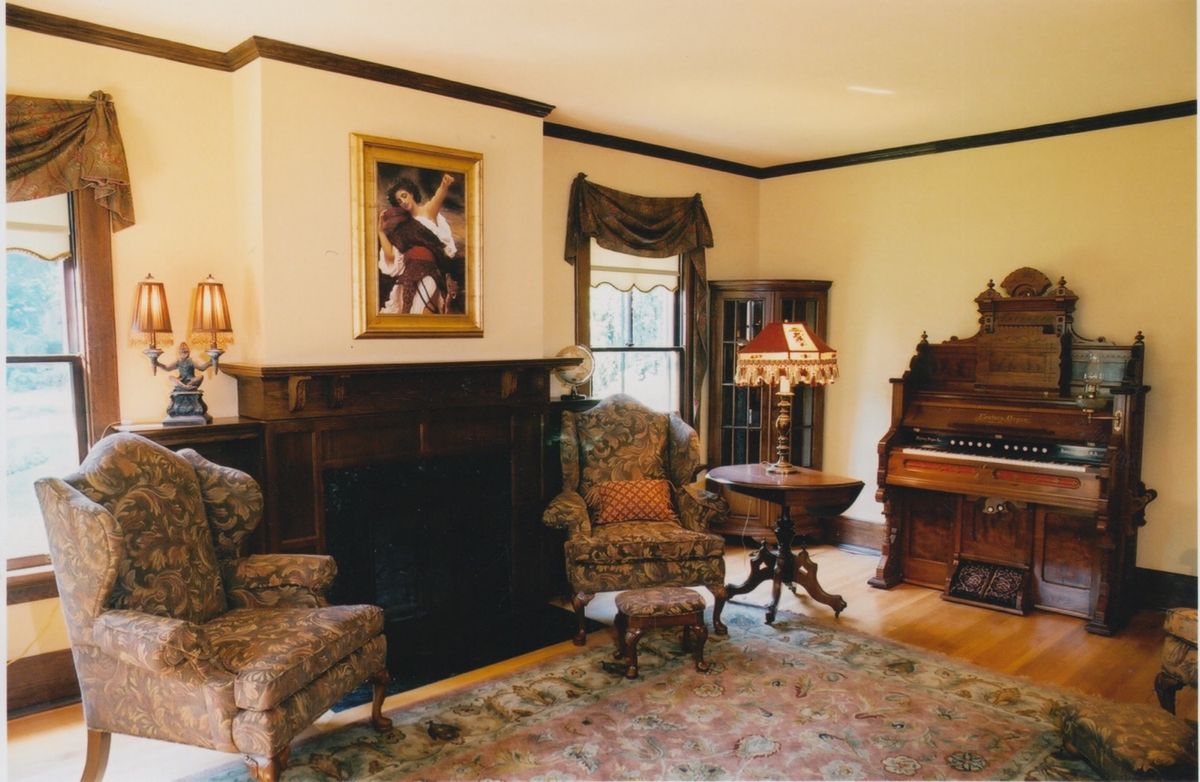
    A cozy living room featuring a fireplace, vintage armchairs, and a piano with traditional decor.
  • Chandelier

    An elegant dining room with classic wooden furnishings and chandeliers.
  • Natural Light

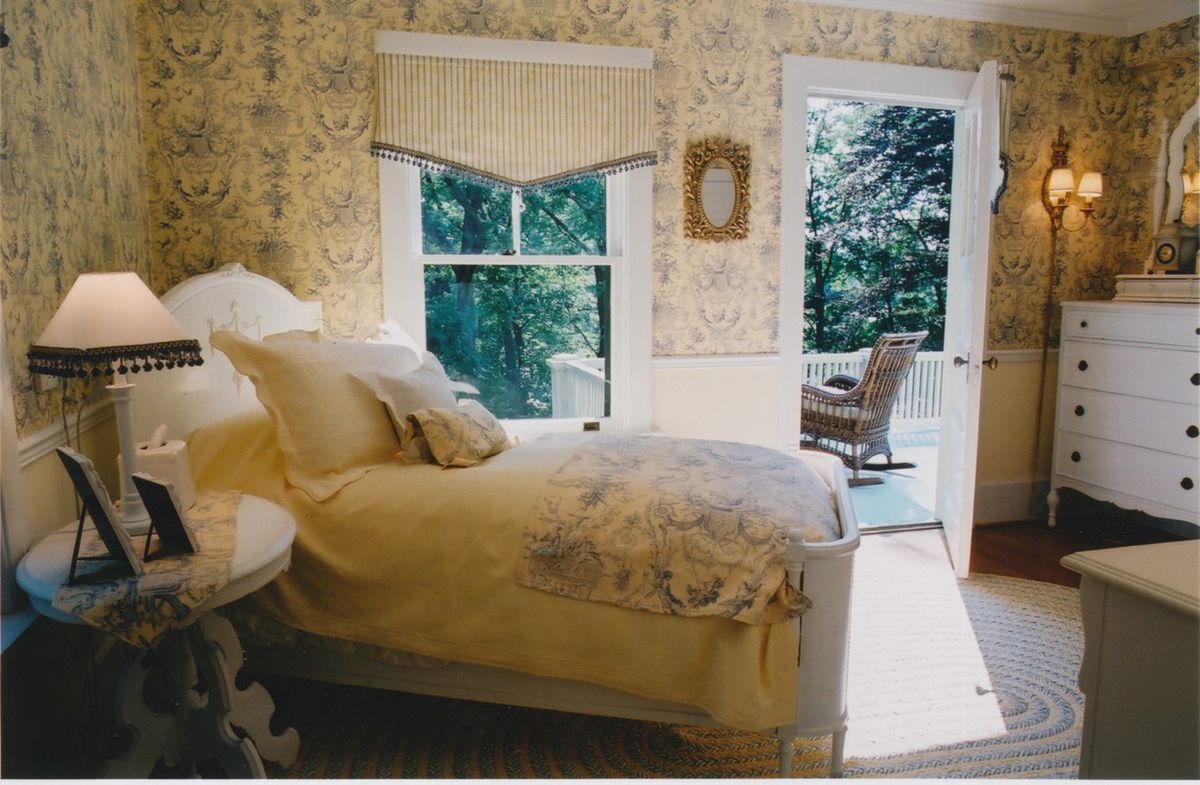
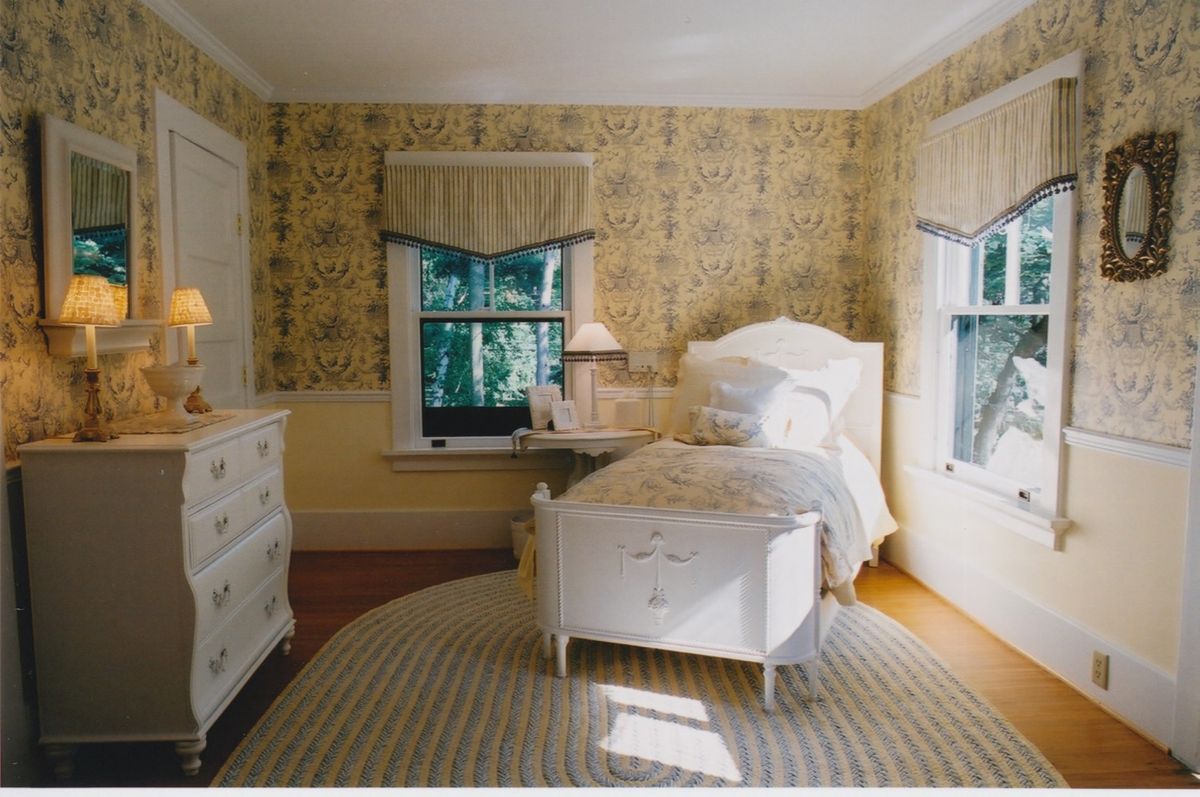
    A cozy bedroom with vintage wallpaper and natural lighting.
  • Piano

    A luxurious living room with a grand piano and elegant wooden furnishings.
  • Wood Paneling

    A cozy, elegant room with wood paneling and abundant natural light streaming through large windows.

Bridges Cornell Heights The Colonial in Ithaca, NY

Information last verified:

403 Wyckoff Avenue, Ithaca, NY 14850

For more information about senior living options: (844) 490-3973

4 from 24 reviews
5 stars
18
4 stars
0
3 stars
0
2 stars
0
1 stars
6

Overall Review of Bridges Cornell Heights The Colonial

Pros

  • pro Bridges Cornell Heights is a truly special place for seniors.
  • pro Bridges Cornell Heights is a warm, welcoming home filled with compassion, dignity, and exceptional care.
  • pro The Bridges staff treat every resident like family.
  • pro The living spaces across Bridges’ residences are thoughtfully designed to feel warm and homey.
  • pro The meals at Bridges are nutritious and delicious, with a wonderful variety.
  • pro The staff provide attentive, personalized care that gives families peace of mind.
  • pro The community offers joyful activities—musical concerts, excursions, exercise sessions, and holiday celebrations—that residents genuinely enjoy.
  • pro For many families, Bridges feels like a gift from God, a source of gratitude and trust.

Cons

  • pro They allege Bridges administered multiple doses of morphine to their father while he slept, without knowledge or consent, raising serious medical oversight concerns.
  • pro They describe this as collective negligence involving hospice, the doctor, and Bridges, which they say contributed to their father’s death.
  • pro They state the owner lacks empathy and that the experience was marred by a lack of accountability.
  • pro They would rate Bridges as a terrible place and would not recommend it to others (even saying zero stars would be deserved).
  • pro They accuse Bridges of tip baiting and unethical tip practices during Covid times.
  • pro They report neglect and insufficient staffing, including a resident left alone asleep at the dining table with no one around and food left out.
  • pro They criticize a lack of managers, nighttime supervision, and procedures to protect residents.

Review

Bridges Cornell Heights The Colonial is best suited for families seeking a warm, residential atmosphere where care is deeply personal and residents are treated like family. It excels for seniors who want a home-like setting with dignity, ongoing social engagement, and staff who remember preferences and routines. The community’s strength lies in thoughtful layout across multiple residences, where meals, music, excursions, and celebrations create a rhythm of life that many families describe as life-affirming. For elders who prize consistently compassionate interaction, individualized attention, and a sense of belonging, this is a standout option.

That said, some families should consider alternatives or at least proceed with additional diligence. A minority of reviews raise red flags about governance, oversight, and safety, including accounts of perceived negligence and conflict over medical decisions. There are explicit concerns about end-of-life care decisions, questions about nighttime supervision, and allegations around certain staff practices. A few families describe frustration with communication from leadership and ownership, and one letter cites a highly upsetting incident related to medication that has left lasting doubt in their mind. For those requiring ironclad transparency, rapid problem-solving, and unequivocal governance, these points warrant serious investigation.

The strongest pros, unflagging compassion, a sense of community, and high-quality daily living, strongly offset many of the community’s challenges. Families repeatedly praise aides, nurses, and activity staff who tailor support to evolving needs, with staff going above and beyond to deliver comfort, dignity, and practical help. The culinary program earns notable praise, with nutritious, varied menus and chefs who bring warmth and humor to the dining experience. The home environments themselves feel intentionally designed to be welcoming, pizza ovens in one residence, expansive kitchens in another, and an overall atmosphere that reduces the sense of institutional living. When care teams remember a resident’s life, preferences, and routines, families feel confident in the day-to-day stability of their loved ones.

Yet the cons deserve cautious consideration before committing. Governance and accountability concerns cannot be dismissed, particularly for families who require a higher degree of procedural transparency or who have had prior negative experiences with similar settings. The publicized allegations about medication decisions, nighttime supervision gaps, and inconsistent manager presence point to potential safety and risk-management gaps. Additionally, a resolute emphasis on the staff-driven, home-like experience may clash with expectations for predictable, uniform processes or a clearly articulated escalation path when concerns arise. These are not universal experiences, but they are persistent enough to require direct, thorough discussion with leadership.

Against these concerns, the community’s core advantages remain compelling for many families. The care culture is consistently described as compassionate, respectful, and personalized, an environment where residents’ small needs are addressed with thoughtfulness and immediacy. The breadth of living options within Bridges Cornell Heights, across The Tudor, The Craftsman, and Craftsman-adjacent spaces, means families can align a loved one’s living style with a preferred level of social engagement and privacy. The programming calendar, concerts, outings, exercise sessions, and festive events, provides meaningful daily purpose and opportunities to connect with peers. Even when occasional management friction arises, the level of hands-on care from frontline staff often remains unwaveringly strong.

For families weighing a decision, several practical steps sharpen the focus. Schedule formal conversations with the Executive Director and key managers to discuss care planning, oversight protocols, and how medical decisions are coordinated with families and physicians. Request a documented staffing model, including nurse availability, shift coverage, and what happens after hours. Review the most recent resident care plans and menus, and ask for references from families who have recent experiences with end-of-life care and transition scenarios. Clarify fee structures, what is included in care services, and how disputes or grievances are handled. With these checks, Bridges Cornell Heights can be a superb fit for those prioritizing warmth, community, and a high-touch caregiving ethos, while remaining mindful of governance and safety questions that some families rightly push for clarification.

Features

Housing

  • 13 resident community capacity 13 resident community capacity

Types of Care

  • Assisted Living Assisted LivingAssisted living facilities provide crucial support and care for seniors who may need help with daily tasks such as medication management, bathing, and meal preparation. These communities offer a safe and comfortable environment where seniors can maintain their independence while receiving the assistance they need to thrive in their golden years.
  • Board and Care Home Board and Care HomeBoard and care homes provide a smaller, more intimate setting for seniors who require assistance with daily tasks but do not need the level of care offered by a nursing home. They offer personalized care, meals, and social activities in a homelike environment, ensuring that seniors receive individualized attention and support in their golden years.

Amenities

  • Cable or satellite TV Cable or satellite TVCable or satellite TV is important for seniors because it provides entertainment, news, and companionship, helping to combat loneliness and boredom. It also offers a wide range of programming options tailored to different interests and preferences.
  • Dining room Dining roomDining rooms are important for seniors as they provide a space for socialization, connection, and nutritious meals. They offer opportunities for residents to bond over shared meals, foster a sense of community, and promote healthy eating habits. Dining rooms also ensure that seniors have access to well-balanced meals tailored to their dietary needs and preferences.
  • Fully furnished Fully furnishedFully furnished senior living communities are important for seniors because they provide convenience, comfort, and a hassle-free moving experience. Seniors can easily settle into their new living space without the stress of having to buy and move furniture. This allows them to focus on enjoying their new home and community.
  • Garden GardenGardens are important for seniors as they provide a peaceful and therapeutic environment for relaxation, physical activity, and socialization. Being in nature has been shown to reduce stress, improve mood, and promote overall well-being. Gardens also offer opportunities for seniors to engage in gardening activities, which can improve mobility, flexibility, and cognitive function. Additionally, gardens create a sense of community and connection with others who share a passion for plants and outdoor spaces.
  • Housekeeping services Housekeeping servicesHousekeeping services are important for seniors because they help maintain a clean and safe living environment, promote independence, and reduce the risk of accidents or illnesses. Additionally, having assistance with household chores can alleviate physical strain and allow seniors to focus on other aspects of their well-being.
  • Move-in coordination Move-in coordinationMove-in coordination is important for seniors because it helps ease the transition into their new living environment. It ensures that all logistics, such as packing, organizing movers, and setting up utilities are taken care of, allowing seniors to focus on settling in and adjusting to their new home. Having a smooth move-in process can alleviate stress and anxiety, making the transition smoother and more enjoyable for seniors.
  • Outdoor space Outdoor spaceOutdoor spaces are important for seniors as they provide opportunities for physical activity, social interaction, exposure to natural light and fresh air, and a sense of connection to nature. Having access to outdoor spaces can improve overall well-being and quality of life for older adults living in senior communities.
  • Telephone TelephoneTelephones are important for seniors as they provide a lifeline for communication with loved ones, emergency services, and healthcare providers. They offer a sense of security and independence, enabling seniors to stay connected and access assistance when needed.
  • Wi-Fi/high-speed internet available Wi-Fi/high-speed internet availableWi-Fi/high-speed internet is important for seniors to stay connected with loved ones, access online resources, and participate in virtual activities to combat feelings of loneliness and isolation. It also allows them to easily manage healthcare needs, access entertainment, and engage in lifelong learning opportunities.

Transportation

  • Tompkins Cty (3 miles away) Tompkins Cty (3 miles away)

Care Services

  • 24-hour supervision 24-hour supervision24-hour supervision is important for seniors to ensure their safety, well-being, and access to immediate assistance in case of emergencies or health issues. This constant support provides peace of mind for both seniors and their loved ones, allowing them to age in place with dignity and security.
  • Activities of daily living assistance Activities of daily living assistanceActivities of daily living assistance are important for seniors because they provide essential support with tasks such as eating, bathing, dressing, and mobility. This assistance helps seniors maintain their independence, dignity, and overall quality of life as they age.
  • Assistance with bathing Assistance with bathingAssistance with bathing is crucial for seniors as it helps maintain personal hygiene, prevents infections, and ensures their overall well-being and comfort. It also provides a sense of dignity and independence for seniors who may struggle with this task on their own.
  • Assistance with dressing Assistance with dressingAssistance with dressing is important for seniors because it helps maintain their independence, promotes personal hygiene, prevents accidents and injuries, and improves overall quality of life. This service ensures that seniors can continue to dress comfortably and confidently, despite any physical limitations they may have.
  • Assistance with transfers Assistance with transfersAssistance with transfers is crucial for seniors as it helps prevent falls and injuries, maintains their independence, and ensures they can safely navigate their living environment. It also provides peace of mind for both seniors and their loved ones.
  • Coordination with health care providers Coordination with health care providersCoordination with health care providers is crucial for seniors to ensure proper medical care, medication management, and overall well-being. This collaboration helps prevent overlapping treatments, track progress more effectively, and provide comprehensive support tailored to individual needs.
  • Diabetes diet Diabetes dietA diabetes diet is crucial for seniors as it helps manage blood sugar levels, reduce risks of complications, and improve overall health and well-being. By following a balanced and nutritious diet tailored to their specific needs, seniors can better control their diabetes and enhance their quality of life.
  • Meal preparation and service Meal preparation and serviceMeal preparation and service are crucial for seniors as they may have limited mobility or energy to cook nutritious meals. Having access to healthy and convenient food options can ensure they are getting the proper nutrition needed to maintain their overall health and well-being.
  • Medication management Medication managementMedication management is crucial for seniors to ensure they are taking the right medications at the correct dosages and times. This helps prevent adverse drug interactions, reduces the risk of medication errors, and promotes overall health and well-being. Proactive management also allows for adjustments as needed based on changing health conditions or new prescriptions.
  • Special dietary restrictions Special dietary restrictionsSpecial dietary restrictions are important for seniors because age-related changes in metabolism and health conditions can make it difficult for their bodies to process certain foods. By following a diet tailored to their specific needs, seniors can maintain their overall health and well-being, manage chronic conditions, and reduce the risk of complications such as malnutrition or food interactions with medications.
  • Transportation arrangement (medical) Transportation arrangement (medical)Transportation arrangements for medical purposes are essential for seniors as they may have difficulty driving themselves to appointments or accessing public transportation. Having reliable and safe transportation options ensures that seniors can receive timely medical care and maintain their health and well-being.
  • Transportation to doctors appointments Transportation to doctors appointmentsTransportation to doctors' appointments is crucial for seniors as it ensures they have access to necessary medical care and support for their health needs. Without reliable transportation, seniors may struggle to attend important appointments, leading to potential delays in treatment and health complications. Providing transportation services helps seniors maintain their overall well-being and quality of life.

Dining

  • Diabetes diet Diabetes dietA diabetes diet is crucial for seniors as it helps manage blood sugar levels, reduce risks of complications, and improve overall health and well-being. By following a balanced and nutritious diet tailored to their specific needs, seniors can better control their diabetes and enhance their quality of life.
  • Special dietary restrictions Special dietary restrictionsSpecial dietary restrictions are important for seniors because age-related changes in metabolism and health conditions can make it difficult for their bodies to process certain foods. By following a diet tailored to their specific needs, seniors can maintain their overall health and well-being, manage chronic conditions, and reduce the risk of complications such as malnutrition or food interactions with medications.

Activities

  • Community-sponsored activities Community-sponsored activitiesCommunity-sponsored activities are important for seniors as they provide opportunities for social interaction, mental stimulation, and physical activity. These activities can help improve overall well-being, combat loneliness and isolation, and promote a sense of belonging and purpose among older adults.
  • Scheduled daily activities Scheduled daily activitiesScheduled daily activities are important for seniors because they provide structure, socialization, mental stimulation, and physical activity. Engaging in regular activities can improve overall well-being and quality of life for seniors living in a community setting.

Description

Bridges Cornell Heights The Colonial is an assisted living community located in the scenic town of Ithaca, NY. Offering a warm and comfortable environment, this board and care home provides exceptional care services and a variety of amenities to cater to the needs of its residents.

Residents at Bridges Cornell Heights The Colonial enjoy fully furnished accommodations that create a cozy and inviting atmosphere. The community also boasts a beautiful garden and outdoor space where residents can relax and soak up nature's beauty.

The caring staff at Bridges Cornell Heights The Colonial is dedicated to providing assistance with activities of daily living, including bathing, dressing, and transfers. They also coordinate with health care providers to ensure residents receive proper medical attention. Medication management is available for those who require it.

Nutritional needs are well taken care of, with special dietary restrictions accommodated. Meal preparation and service are provided to ensure that residents enjoy delicious and healthy meals throughout the day.

Transportation arrangements for medical appointments are readily available, making it convenient for residents to access necessary healthcare services. Additionally, there are nearby cafes, parks, pharmacies, restaurants, transportation options, places of worship, theaters, and hospitals that provide easy access to various amenities and recreational opportunities.

To add entertainment and engagement to residents' lives, scheduled daily activities are offered at Bridges Cornell Heights The Colonial. These activities aim to promote social interaction while keeping residents active and mentally stimulated.

With its prime location in Ithaca, NY, Bridges Cornell Heights The Colonial is an ideal choice for individuals seeking an assisted living community that combines personalized care with a range of amenities in a beautiful setting.

Nearby Places of Interest

Restaurants

  • Louie's Lunch (0.1 miles)
  • Trillium (0.6 miles)
  • Lincoln Street Diner (0.7 miles)
  • Cornell Dairy Bar (0.9 miles)
  • Collegetown Bagels (0.9 miles)
  • Ned's Pizza New York (1 miles)
  • Koko Korean Restaurant (1 miles)

Places of Worship

  • First Congregational Church (0.2 miles)
  • Tabernacle Baptist Church (0.8 miles)
  • St Paul's Methodist Church (1.1 miles)
  • Temple Beth-El (1.1 miles)
  • St Catherine Of Siena (1.1 miles)

Parks

  • Sunset Park (0.5 miles)
  • F R Newman Arboretum Park (1.1 miles)
  • Stewart Park (1.1 miles)
  • Dewitt Park (1.2 miles)
  • Conway Park (1.4 miles)
  • Cass Park (1.6 miles)
  • Ithaca Dog Park (1.9 miles)

Physicians

  • Health Center-Cornell University (0.7 miles)
  • Cornell Health (0.7 miles)
  • Maria K. Gentry (0.9 miles)
  • Asthma & Allergy Associates PC (1 miles)
  • Whole Picture Health & Vision (1.1 miles)
  • Cayuga Facial Surgery (1.2 miles)
  • IthacaMed (1.2 miles)

Cafes

  • Gimme! Coffee (0.9 miles)
  • Allechant (0.9 miles)
  • Gimme Coffee (1.1 miles)
  • Starbucks (1.2 miles)
  • Waffle Frolic (1.3 miles)
  • Gimme Coffee (1.6 miles)
  • Ithaca Coffee Company (1.7 miles)

Pharmacies

  • Kinney Drugs (1 miles)
  • Green Street Pharmacy (1.4 miles)
  • Apothekara (1.4 miles)
  • Kinney Drugs (1.6 miles)
  • CVS Pharmacy (1.8 miles)
  • Wegmans (2 miles)
  • Walgreens (2 miles)

Theaters

  • Cinemapolis (1.4 miles)

Transportation

  • Enterprise Rent-A-Car (1.6 miles)
  • Ithaca Tompkins Regional Airport (ITH) (2.6 miles)
  • U-Haul Moving & Storage (2.7 miles)

Hospitals

  • Hammond Health Center (2.3 miles)

Frequently Asked Questions

Where is Bridges Cornell Heights The Colonial?
What photos are available for Bridges Cornell Heights The Colonial in Ithaca, New York?

Nearby Communities

  • Bridges Cornell Heights

    Bridges Cornell Heights

    Ithaca, NY

    4 from 25 reviews
    $9,400 to $9,900 / month

    pro Competent, compassionate staff and a pleasant, welcoming environment.

  • Bridges Cornell Heights The Tudor

    Bridges Cornell Heights The Tudor

    Ithaca, NY

    4 from 25 reviews
     

    pro Compassionate, competent staff providing personalized care in a welcoming, home-like setting.

  • Home Instead - Ithaca,  NY

    Home Instead - Ithaca, NY

    Ithaca, NY

    5 from 20 reviews
     

    pro Strong organization with personalized, caring staff that supports independence and family peace of mind.

  • Kendal At Ithaca

    Kendal At Ithaca

    Ithaca, NY

    4.6 from 20 reviews
     

    pro Wide continuum of care with engaging staff and a vibrant activity program.

  • Mc Graw House

    Mc Graw House

    Ithaca, NY

    4.7 from 24 reviews
     

    pro Vibrant, amenity-rich location with easy access to cafes, parks, restaurants, and hospitals.

  • Oak Hill Rehabilitation And Nursing Care Center

    Oak Hill Rehabilitation And Nursing Care Center

    Ithaca, NY

    2.7 from 23 reviews
     

    pro Restaurant-style dining, 24/7 supervision, and medication/ADL support.

  • Comfort Keepers of Ithaca

    Comfort Keepers of Ithaca

    Ithaca, NY

     
    $5,450 / month

    pro Relatively affordable private room with easy access to numerous nearby amenities (cafes, parks, pharmacies, restaurants, transit, worship, entertainment, and hospitals).

  • Cayuga Nursing And Rehabilitation Center

    Cayuga Nursing And Rehabilitation Center

    Ithaca, NY

    2.8 from 31 reviews
     

    pro Helpful receptionists and caring staff; rooms are spacious.

  • Catherine Court Apartments

    Catherine Court Apartments

    Montour Falls, NY

    1 from 1 review
     

    pro Excellent access to amenities: two cafes, seven parks, four pharmacies, seven physicians, 19 nearby restaurants, and a place of worship.

Assisted Living in Nearby Cities

Related Resources

  • assisted living vs skilled nursingExploring the Contrasts Between Assisted Living and Skilled Nursing

    The article compares assisted living and skilled nursing facilities, detailing their differing levels of assistance, medical support, cost structures, and day-to-day experiences. It emphasizes that assisted living is for those needing help with daily activities while maintaining independence, whereas skilled nursing facilities provide intensive medical care with 24-hour staff supervision.

  • when to move from assisted living to nursing home8 Key Indicators That Suggest It May Be Time to Transition from Assisted Living to Skilled Nursing Care

    The transition from assisted living to skilled nursing care is often prompted by complex medical needs that assisted living cannot meet, with key indicators including frequent health declines, increased falls, severe memory issues, and caregiver burnout. Families should recognize these signs early to discuss options with healthcare providers and prepare for the emotional and logistical aspects of moving to a facility that offers comprehensive medical support.

  • active senior livingVibrant Senior Living: A Comprehensive Guide for Active Older Adults
    Vibrant Senior Living emphasizes active senior living communities that promote independence and engagement through diverse amenities and activities, fostering wellness and social interaction among older adults. These communities range from independent to assisted living, with a focus on personal growth, family involvement, financial planning, and leveraging technology to enhance residents' experiences.