
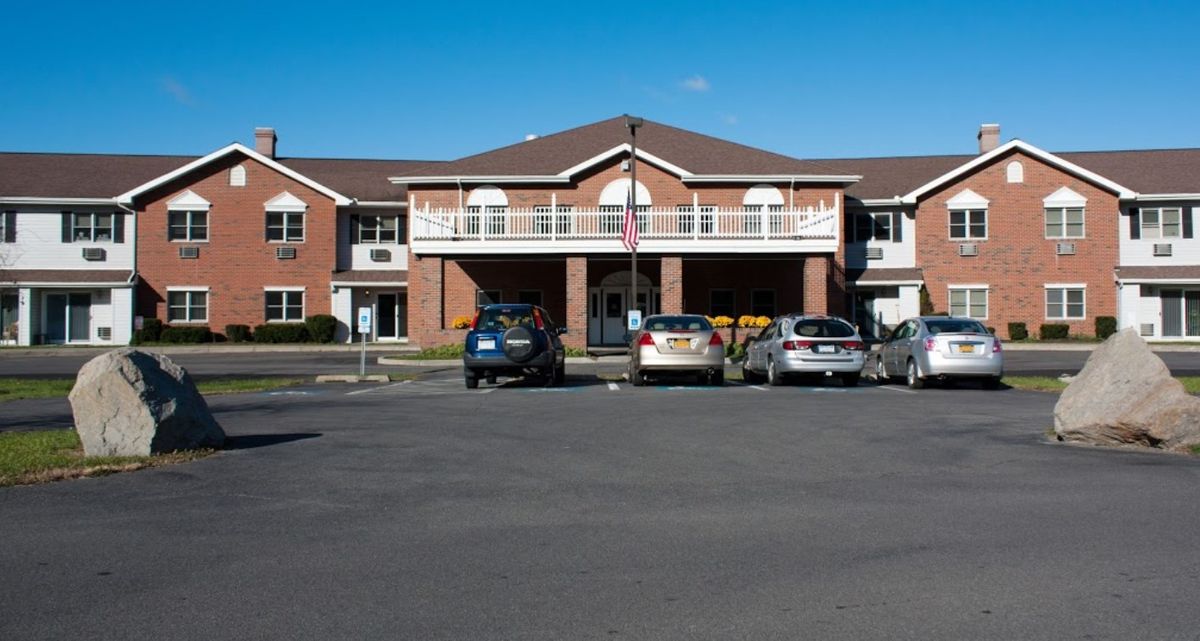




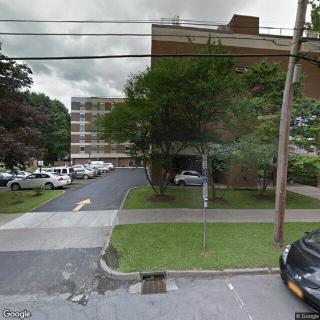
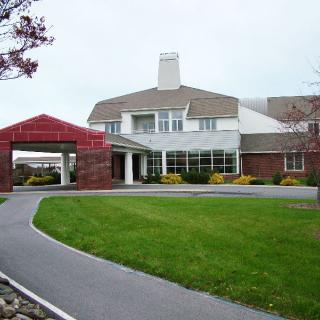
1 Bella Vista Dr, Ithaca, NY 14850
To contact a resident: (607) 375-6300
For more information about senior living options: (866) 208-4318
Overall Review of Longview, An Ithacare Community
Pros
 Longview offers a wide range of services and activities for residents.
- It partners with Ithaca College to provide shuttles to concerts and cultural events, plus opportunities to take free college courses up to nine credits.
- Longview features a dog-friendly walking trail for residents.
- As a nonprofit, Longview operates a moderate-income program to help those with limited finances.
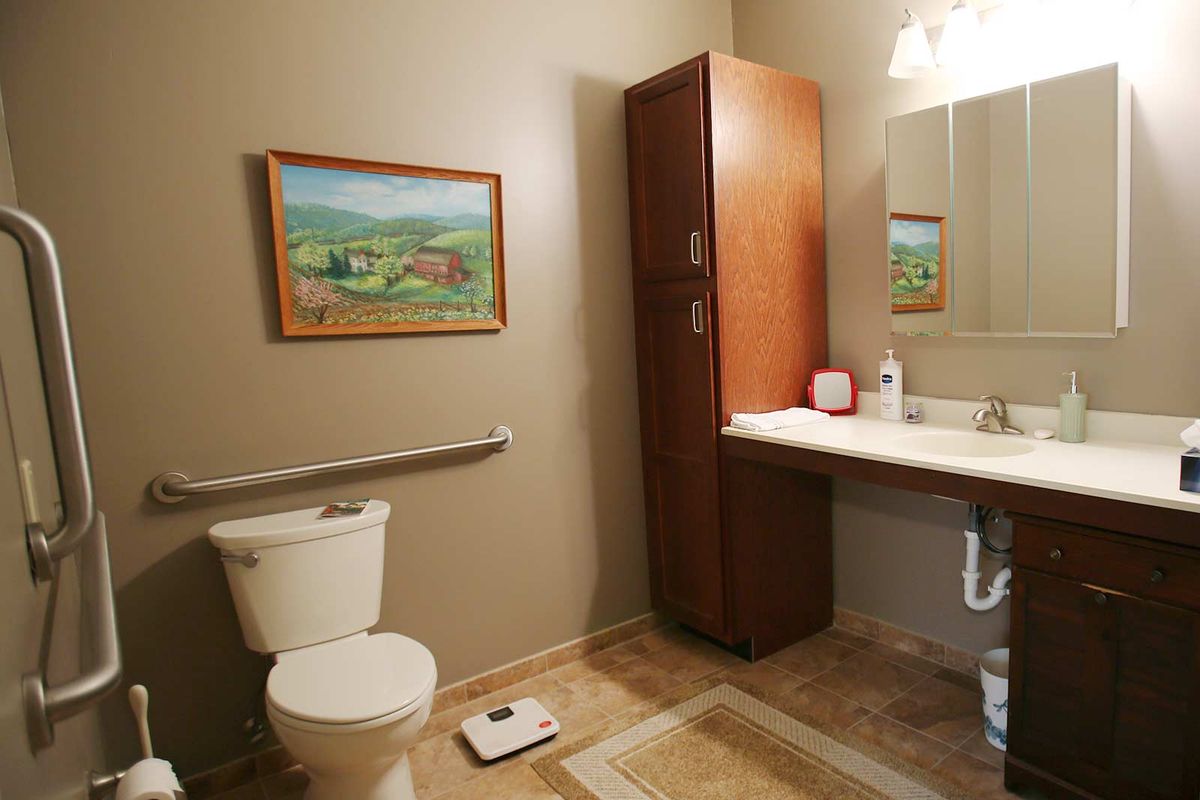
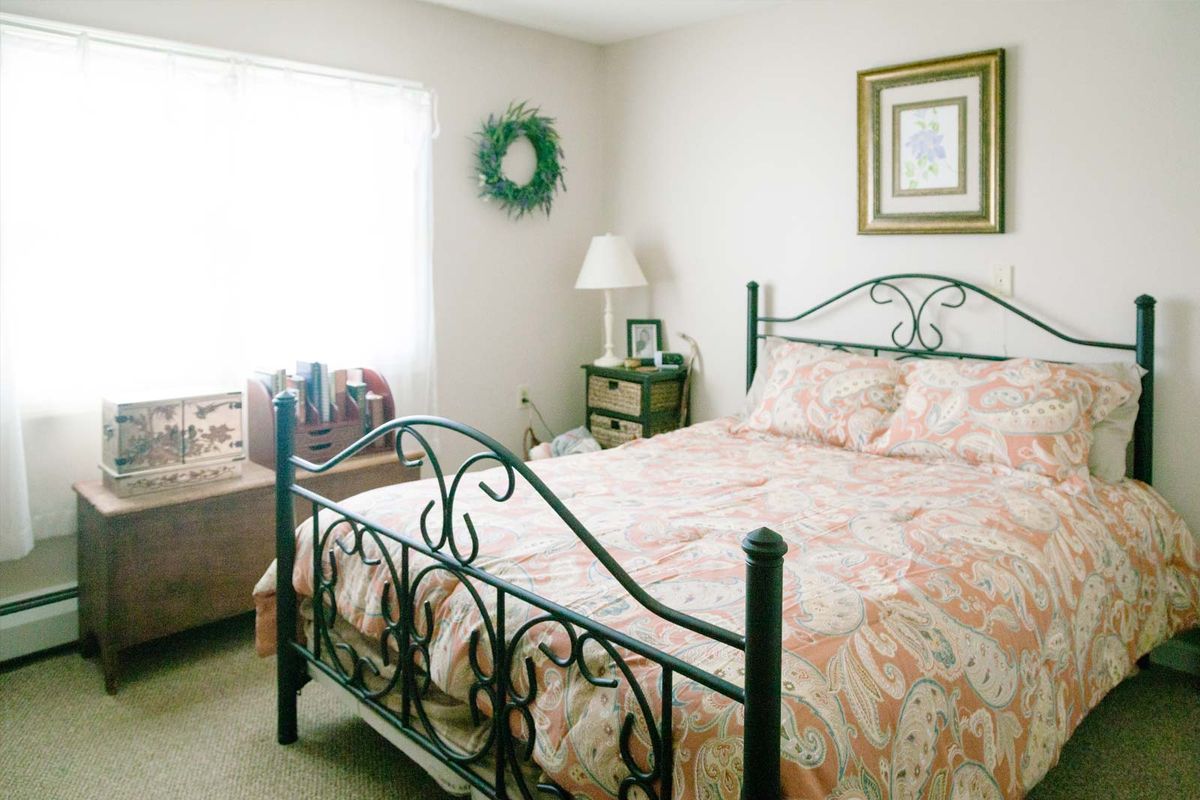
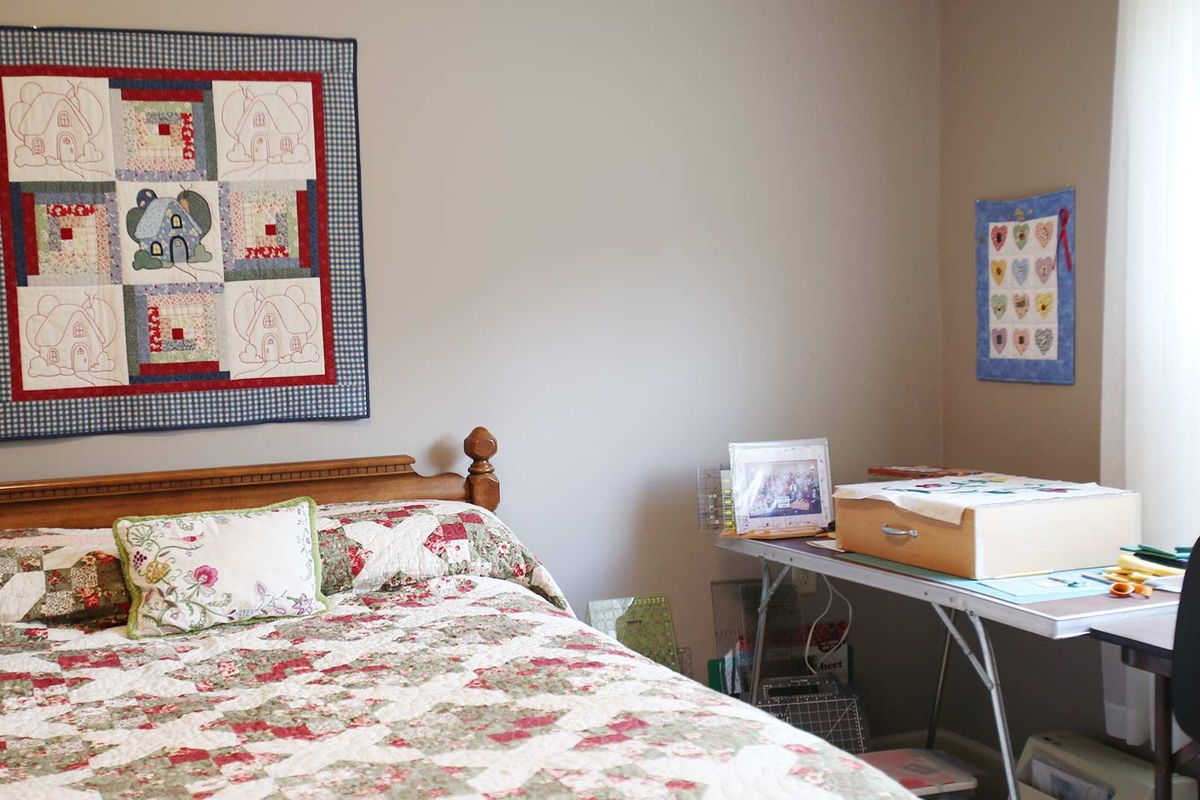
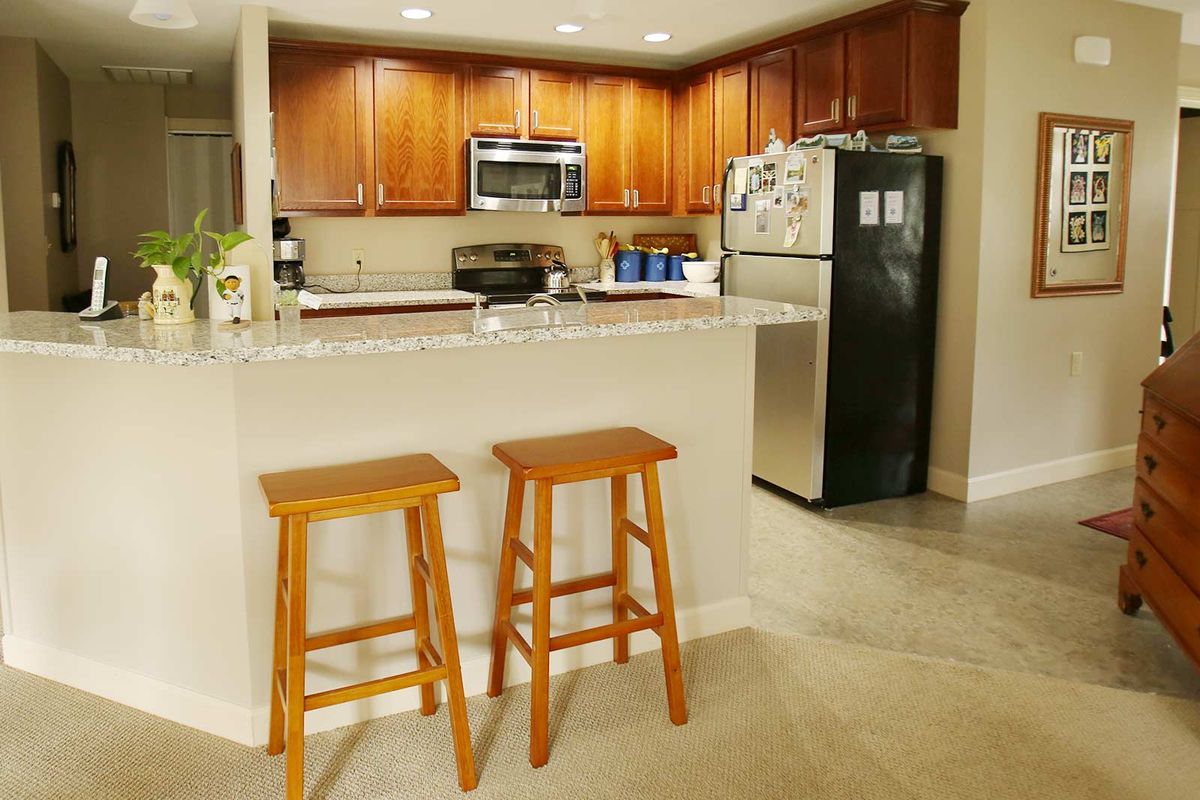
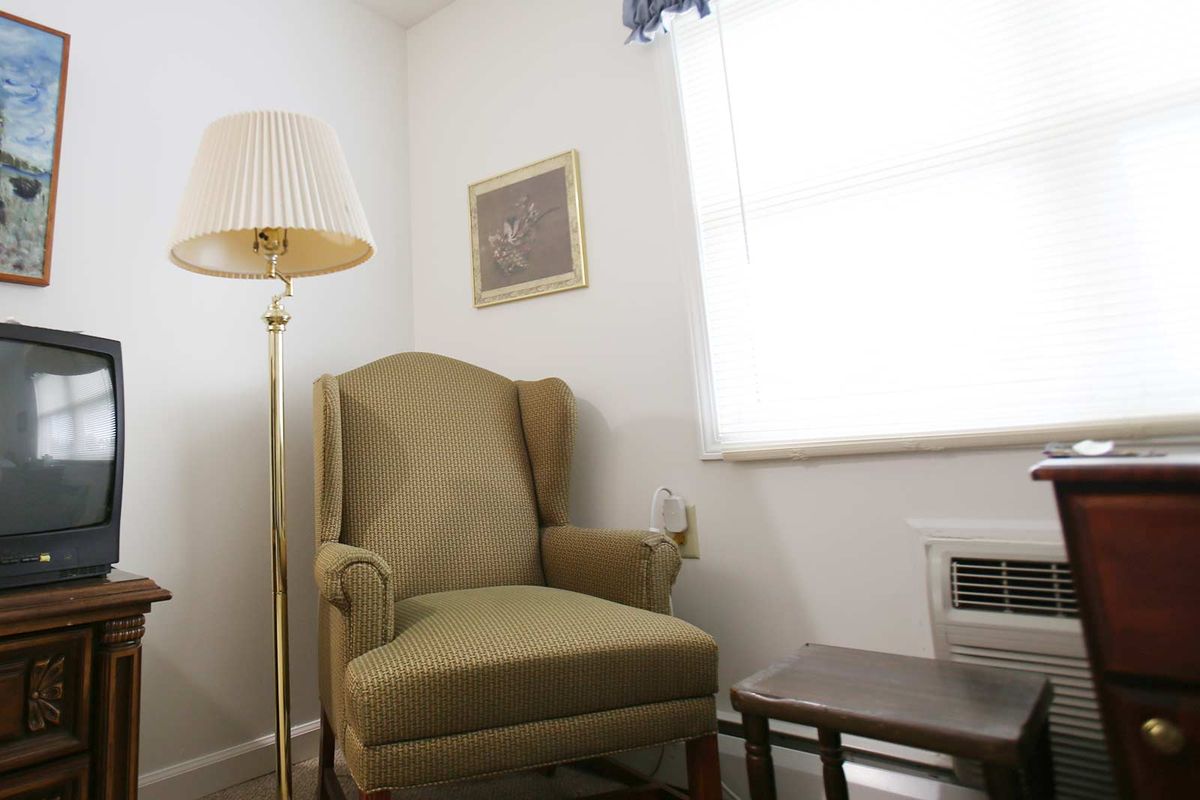
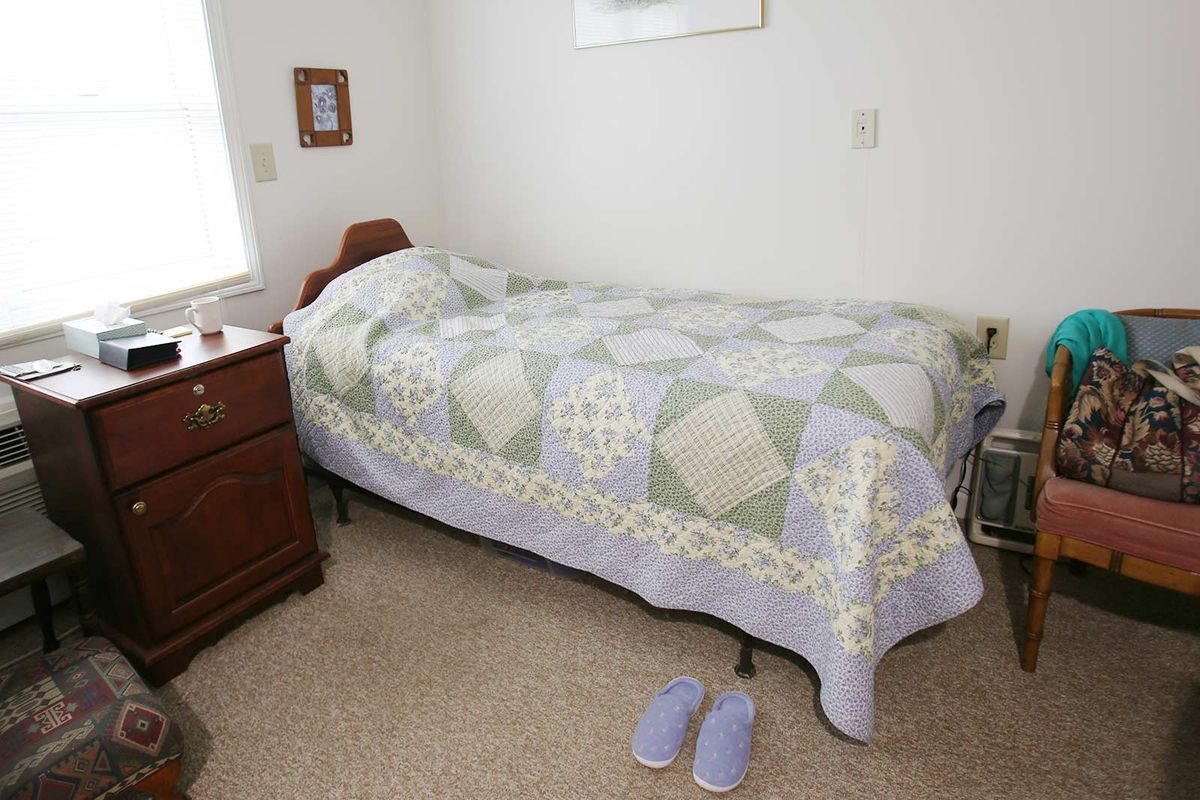
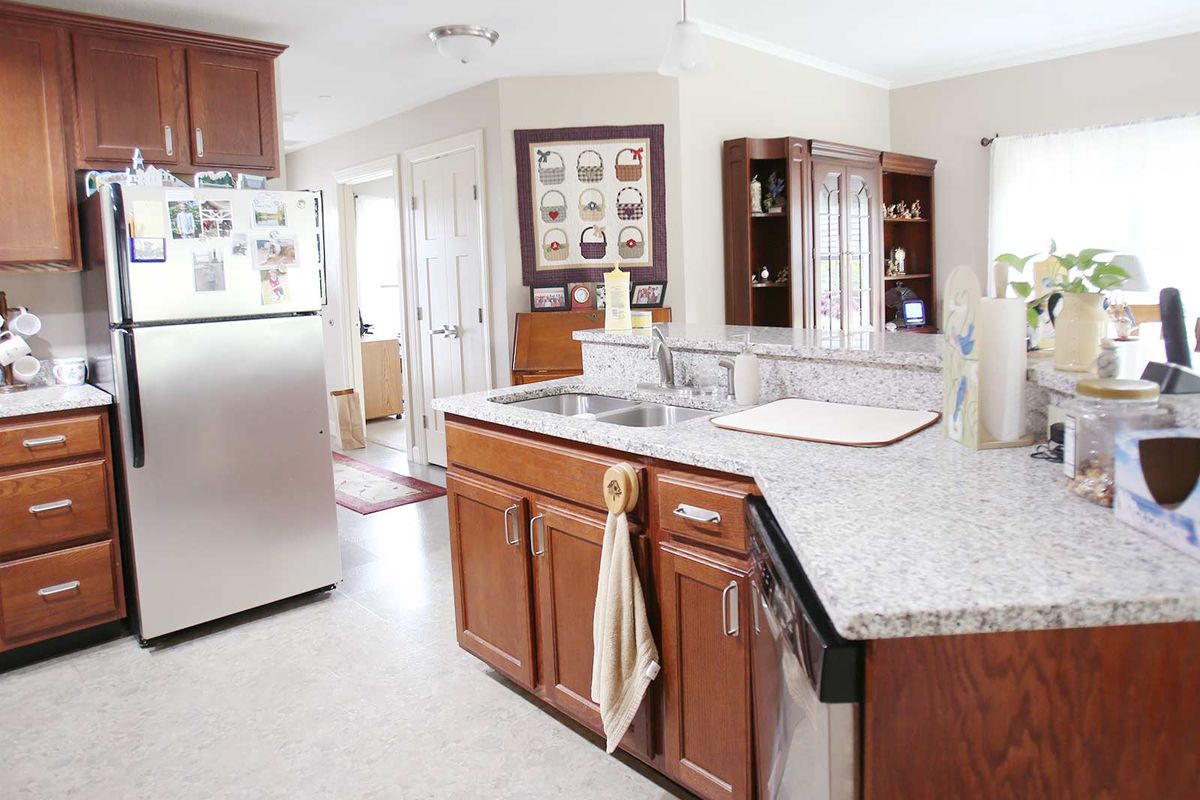
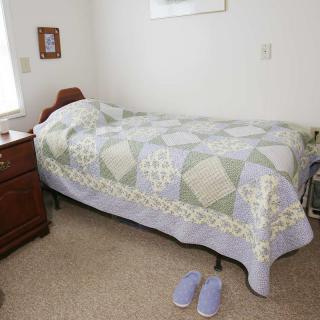
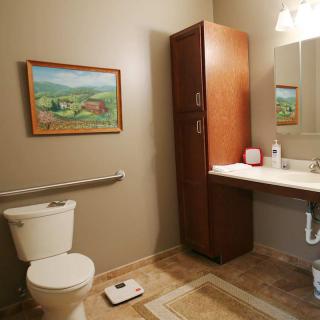
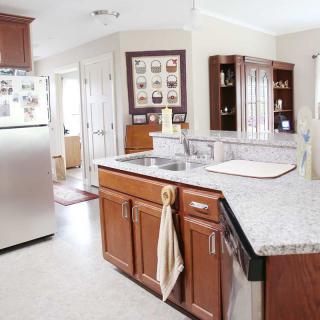
- The living spaces are well-designed and comfortable, with accessible bathrooms and convenient kitchen features in some units.
- The dining is consistently good, and residents enjoy a long list of daily activities, clubs, games, and fitness options.
- The staff are repeatedly described as friendly, helpful, courteous, and attentive.
- On-site amenities include a weight room, a large indoor pool, a greenhouse, a well-maintained library, a movie theater, and a small store, all with pleasant surroundings and views of Cayuga Lake.
- The community tends to foster friendships and a sense of family, and many residents would recommend Longview to others.
- Longview is viewed as a strong option for aging in place, with robust programming and partnerships that enhance residents' lives.
Cons
 A reviewer called it soul-killing and advised avoiding the place.
- The facility is described as being run by the college’s Geriatric Department and used as guinea pigs for their program, managed by a bunch of “bubble gummers.”
- They did not honor commitments or established rules, and no one is held accountable.
- Longview was rigid in handling residents, and the staff were not as accommodating.
- They charged for every meal just to carry the food from the dining room to the common room.
- The rooms were dirty, with debris under chairs, and the vacuum was broken.
- A reviewer paid thousands of dollars for an independent living arrangement and received no resolution from the NYS Attorney General’s office.
Review
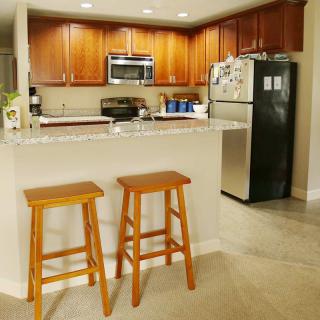
Longview, an Ithacare Community, is best suited for active older adults who want a vibrant, campus-linked lifestyle with broad programming and plenty of social opportunities. The central appeal lies in its expansive slate of activities, a wide spectrum of living options from cottages to assisted living and enhanced care, and a partnership with Ithaca College that opens doors to concerts, courses, and shuttle service to cultural events. The nonprofit structure and a modest-income program add a credible affordability safety net for those who may be budget-conscious but still want access to robust programming. For residents who value enrichment through ongoing learning, clubs, and social clubs, Longview serves as a powerful magnet for staying engaged and connected, with lake views and a range of shared spaces that foster a sense of community.
Those who may want to consider alternatives are precisely the ones who require highly consistent caregiving and airtight governance. Several reviews flag variability in care quality, particularly around nursing staff responsiveness and accountability at the leadership level. Reports range from positive confirmation of attentive, friendly staff to pointed criticisms about rude interactions, call-light neglect, and perceived mismanagement or rigidity in policy enforcement. Some perceive the operating model as closely tied to the college’s geriatric department, with a tone of “guinea pig” experimentation rather than professional property management. For families prioritizing rock-solid transparency, predictable routines, tighter cost controls, and friction-free in-room dining or flexible meal arrangements, a different setting may feel safer.
The major strengths, robust programming, strong staff devotion in many cases, and the breadth of living choices, often offset the drawbacks for residents who crave social immersion and aging-in-place continuity. The campus atmosphere supports a second family dynamic, with activities ranging from exercise classes and a large indoor pool to a greenhouse, a library, a movie theater, and frequent newsletters that keep residents and families in the loop. The affiliation with Ithaca College can translate into cultural outings, free or low-cost courses, and practical conveniences like transportation to events, which reduces isolation and dependence on family driving. In practice, this can translate into meaningful, daily quality of life improvements that many residents cite as decisive benefits.
Yet the downside is not trivial. Some residents encounter a level of rigidity in policies, especially around dining in rooms or in-room care options, that can feel incompatible with a desire for personal autonomy. Cost remains a salient factor for many families, even with a moderate-income program in place, and several critics label the pricing as high relative to peers. Critiques about cleanliness or attention to individual comfort surface in a subset of reviews, and concerns about how well care scales as medical or dementia-related needs grow are repeated themes. In short, the positives are real and compelling, but the ceiling on service consistency, governance clarity, and value-for-cost varies enough to influence decision timing.
The decision calculus tilts toward leveraging the strengths while mitigating the gaps. For families who can prioritize programming depth, campus connections, and an active social environment, Longview delivers tangible, observable benefits: accessible transportation, diverse activities, living arrangements that support aging in place, and a community that feels like a built-in support network. The moderate-income option and the nonprofit framework help address affordability without sacrificing access to a rich array of services. However, for those whose core needs include unwavering, uniform care delivery, a straightforward cost structure, or a house-like independence with minimal administrative friction, the balance may tilt toward exploring alternatives.
Practically, families evaluating Longview should draft a clear apartment/care plan before move-in, question staff-to-resident ratios across shifts, and request candid conversations with current residents about daily experiences. Inspect the dining options, especially room dining and any associated charges, and verify how meals, medications, and medical updates are communicated and documented. Assess room configurations, whether ground-level options exist, and how the in-building layout supports orientation for residents with memory challenges. And crucially, test drive the culture: ask for diverse feedback from residents across the spectrum of care, observe how staff interact with people who need different levels of assistance, and confirm a transparent, written policy on accountability and escalation. For the right resident, Longview offers a compelling blend of culture, care, and community; for others, a tighter governance frame and more predictable care economics may point toward alternatives.
 96 resident community capacity
 1-bedroom apartments
 Condos / townhomes
 Assisted Living
 Day Program
 Independent Living
 Memory Care
 Respite Care
 Skilled Nursing Facility
 Air-conditioning
 Beautician on-site
 Cable or satellite TV
 Computer center
 Devotional services off-site
 Dining room
 Fitness room
 Full kitchen
 Fully furnished
 Gaming room
 Garden
 Housekeeping services
 Indoor common areas
 Laundry
 Move-in coordination
 Outdoor space
 Overnight guests
 Party space
 Private bathrooms
 Resident parking
 Restaurant-style dining
 Small library
 Swimming pool
 Telephone
 Wellness center
 Wi-Fi/high-speed internet available
 Tompkins Cty (6 miles away)
 Community operated transportation
 12-16 hour nursing
 24-hour call system
 Ambulatory care
 Assistance with bathing
 Assistance with dressing
 Assistance with transfers
 Diabetes diet
 Diabetic care
 Medication management
 Mental wellness program
 Special dietary restrictions
 Concierge services
 Planned day trips
 English



 Understanding Dementia Through Its Seven Stages: A Comprehensive Look at Progression and Expectations
 A Holistic Dementia Care Guide: Effective Strategies for Memory Support
 Memory Care Pathways: A Holistic Guide to Dementia Support