For more information about senior living options: (866) 208-4318
3.4 from 120 reviews
5 stars
68
4 stars
3
3 stars
3
2 stars
4
1 stars
42
Overall Review of John T Mather Memorial Hospital - TCU
differentiator2 reviews mention this
Rehab care and therapy support
Residents describe recovery-focused care with hands-on therapy support.
One resident spent a week in the Transitional Care Unit for physical therapy after knee replacement and reported a dedicated team that helped them recover with clear step-by-step explanations. Another reviewer also highlighted short-term rehab as part of the services they sought for recovery.
common3 reviews mention this
Food is repeatedly praised
Dining stands out, with multiple reviews praising the meals.
Several reviews mention the food as a bright spot during their stay, describing it as amazing and going beyond typical hospital meals. One person specifically credited the dining staff with following through on meal requests. Another review said the food was absolutely delicious.
common2 reviews mention this
Nursing responsiveness with call bells
Many residents say staff responded quickly when they needed help.
One reviewer described using call bell buttons and said someone came quickly. Another review said they felt the staff took their health seriously, supported them through discharge, and helped them feel safe while they were unwell.
common2 reviews mention this
Near the hospital
Reviews describe it as a go-to, local option for medical needs.
Some reviewers said they use the facility as their go-to hospital, including one person who said it was their choice even while living about 40 minutes away. Another review described it as local and connected to short-term rehab and specialized services.
caveat2 reviews mention this
Waits and communication frustrations
Some reviewers reported long waits and poor updates during emergencies.
One negative review described waiting for a doctor for over an hour with repeated call bell requests and no return communication. Another review described an extremely long overall wait in the emergency department, saying they left and sought care elsewhere.
How we summarize
Counts show how many written reviews mention each theme; a review can touch several themes, and only frequently mentioned themes are displayed.
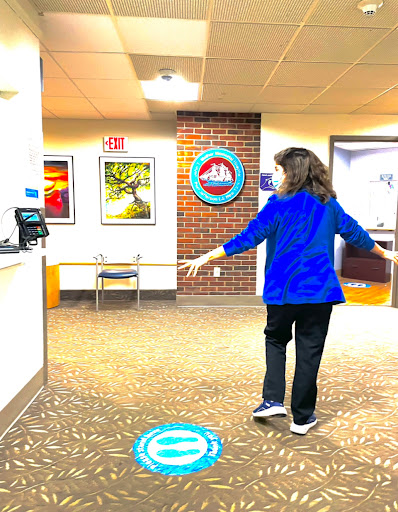
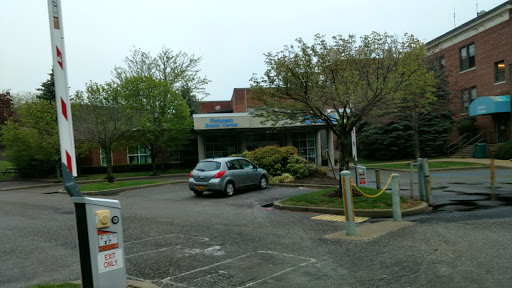
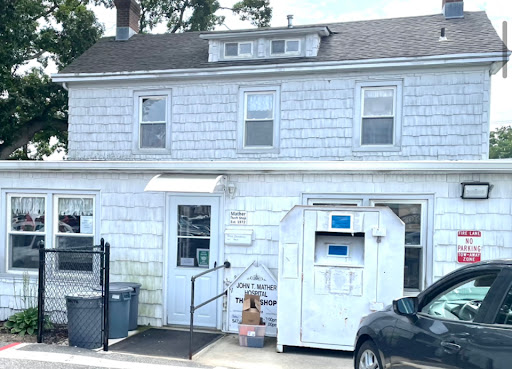
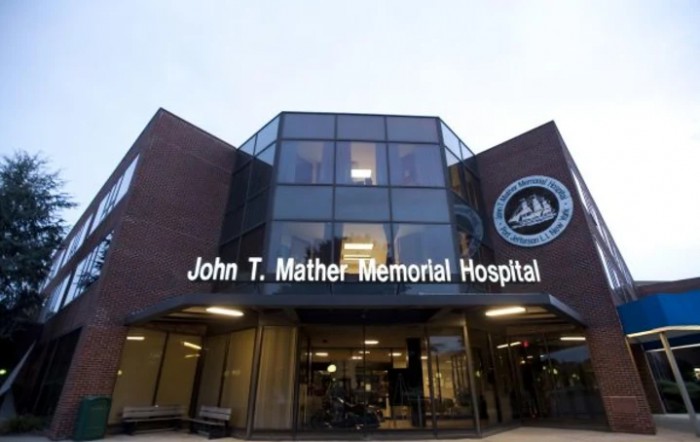
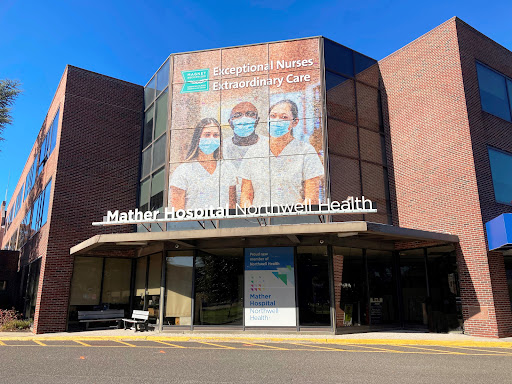
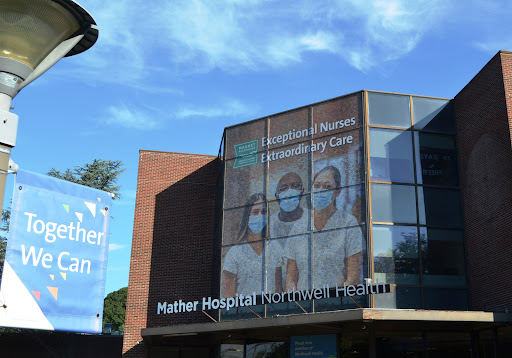
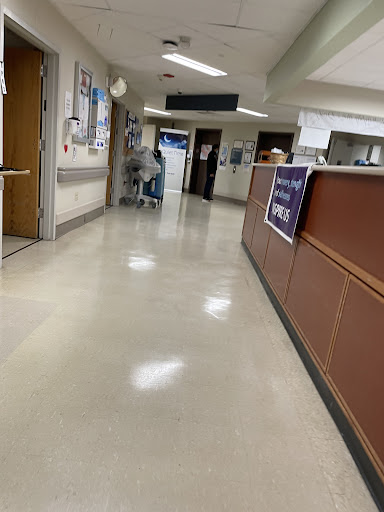
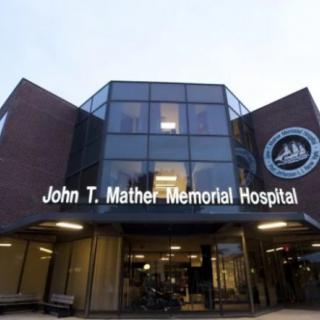
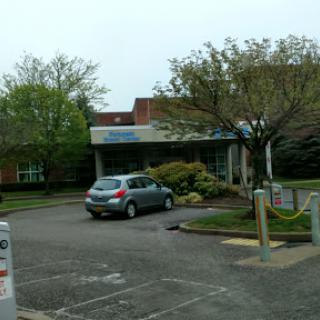
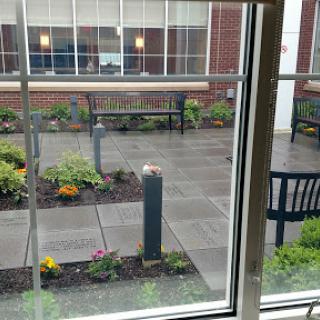
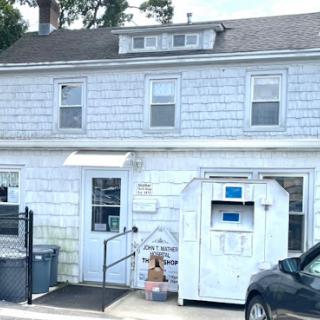
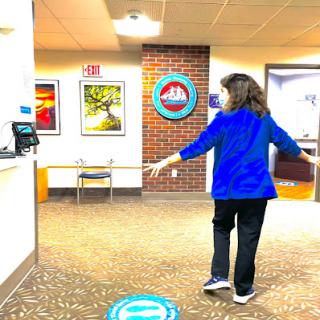
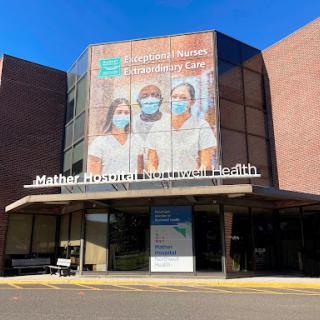
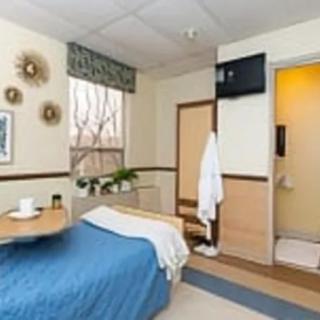
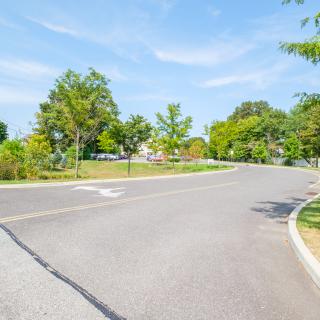
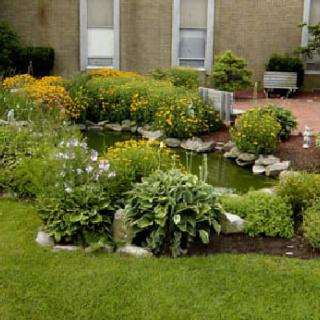
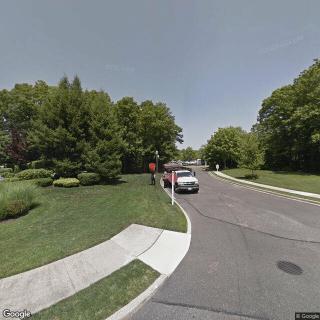
John T Mather Memorial Hospital - TCU on seniors.fyi includes 10 photos including images showing building, outdoor, healthcare, interior, parking, trees, architecture, entrance, and more.
Nearby Communities
Sunrest Nursing Home
Port Jefferson, NY
3.4 from 100 reviews
Nearby amenities: pharmacies, physicians, hospitals, dining, parks.
Echo Arms Adult Home
Port Jefferson Station, NY
3.3 from 12 reviews
24/7 supervision with comprehensive care and mental wellness focus.
Village Vistas
Port, NY
Small, personalized care with essential amenities.
Waters Edge At Port Jefferson For Rehab And Nursing
Port Jefferson, NY
4.1 from 126 reviews
Immaculate, well-maintained facility with friendly staff and engaging activities.
Setauket Meadows
Setauket, NY
Intimate community with on-site meal prep, medication management, dietary accommodations, and strong proximity to pharmacies, physicians, parks, and dining.
Brightview Port Jefferson
Port Jefferson Station, NY
4.5 from 68 reviews
Small, intimate community with comprehensive memory care and assisted living services plus extensive on-site amenities.
Woodhaven Adult Home
Port Jefferson Station, NY
2.5 from 17 reviews
$5,350 to $10,700 / month
Friendly staff and welcoming atmosphere.
Atria South Setauket
South Setauket, NY
4.3 from 109 reviews
$3,695 to $5,395 / month
Caring staff and engaging activities create a welcoming community.
Jefferson's Ferry
South Setauket, NY
4.4 from 11 reviews
$6,570 to $7,980 / month
Quality care with friendly staff, spacious modern apartments, and a wide range of amenities and activities.
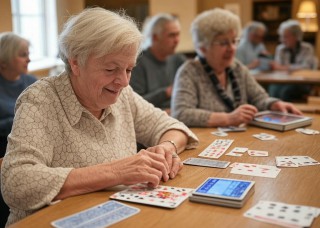
The article outlines strategies for keeping seniors' minds active through brain games and apps, highlighting the importance of cognitive exercises, social engagement, and a healthy lifestyle in combating cognitive decline. It emphasizes the benefits of various types of games and offers practical tips for maintaining mental wellness through enjoyable activities while acknowledging their limitations.
The VA Aid and Attendance program offers financial assistance to veterans needing help with daily activities due to health issues, available through a pension for low-income wartime veterans or an allowance for 100% disabled individuals. Eligibility depends on medical documentation of care needs and navigating guidelines about income and service history, with funds being usable for various healthcare-related expenses.
Get PricingAsk A QuestionSchedule A TourContact Senior Advisor
By clicking submit, you agree to our Partner's Terms of Use. You
also consent to receive calls and texts, which may be autodialed, from our Partner. Your consent is not a condition to
using our Partner's service. Please visit our Partner's Privacy Policy for information about their privacy practices.





 16 resident community capacity
 Skilled Nursing Facility
 Cable or satellite TV
 Dining room
 Fully furnished
 Garden
 Housekeeping services
 Move-in coordination
 Outdoor space
 Telephone
 Wi-Fi/high-speed internet available
 Long Island - MacArthur (10 miles away)
 24-hour supervision
 Activities of daily living assistance
 Assistance with bathing
 Assistance with dressing
 Assistance with transfers
 Diabetes diet
 Meal preparation and service
 Medication management
 Special dietary restrictions
 Nearby amenities: pharmacies, physicians, hospitals, dining, parks.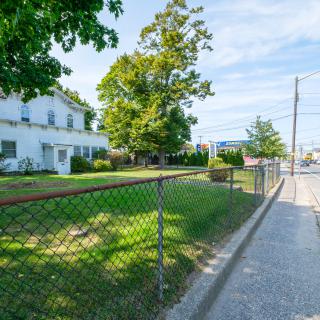

 Effective Strategies for Keeping Seniors' Minds Active: A Deep Dive into Brain Games and Apps
 In-Depth Look at the VA Aid and Attendance Program
 Nurturing Our Loved Ones: A Daughter's Journey in Caring for Her Mother