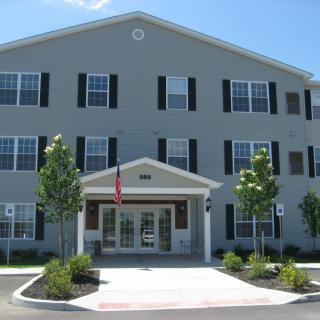
445 Tremont Street, North Tonawanda, NY 14120
For more information about senior living options: (866) 208-4318
Overall Review of Degraff Memorial Hospital-Skilled Nursing Facility
Pros
 The staff are friendly, responsive, and caring.
- The environment is clean, comfortable, and well maintained.
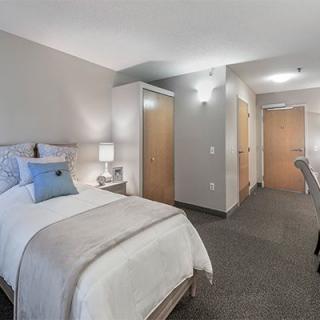
- The rooms are large, clean, and bright.
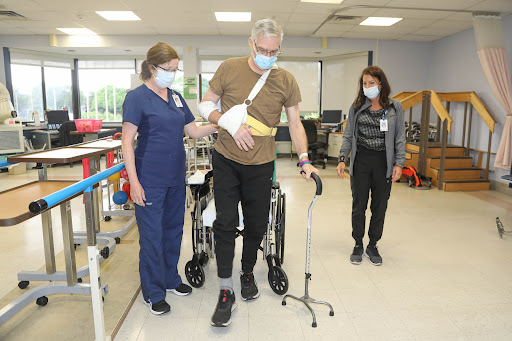
- Physical therapy and occupational therapy are of high quality.
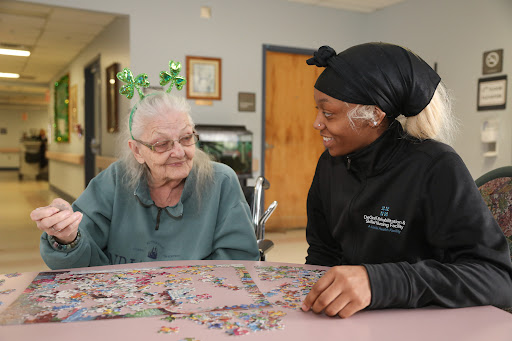
- The staff treat residents like family and show compassionate care.
- The facility offers ongoing activities and a positive, active atmosphere.
- The food is good.
Cons
 They will not get nutritious meals and they will not be cared for.
- Things are stolen, staff lie in patients' beds, and neglect them.
- Residents are showered only once a week.
- This place is an absolute disaster and should be shut down.
- The food was very bad.
- The CNAs could do better in helping with personal care.
- The rehab unit is subpar, with unprofessional staff and poor communication (discharge planning lacking).
- The facility does not return calls and cannot provide rehab records.
- The staff are too few to meet residents' needs, and buzzer calls go unanswered for long periods.
- Residents experience bad care, bruising, leaving marks, and neglect.
Review
Degraff Memorial Hospital-SNFs in North Tonawanda is best suited for residents who need short- to mid-term rehabilitation and for families that prioritize hands-on therapy, a warm caregiving culture, and a clean, courteous environment. When therapy teams are fully engaged, the facility can deliver meaningful progress, and several observers note that rooms are spacious, well maintained, and that daily life includes regular activities that help residents feel engaged. For families seeking a place where therapists and aides routinely treat residents with kindness and dedication, this SNF can be a workable option, especially for those who want a hospital-linked setting with a clear path back home.
Those who should consider alternatives are families who cannot tolerate uncertain responsiveness, uneven meal quality, or gaps in discharge planning. A recurring refrain among reviews highlights concerns about nutrition, with meals not meeting expectations and occasional reports of neglect or delayed assistance. The pattern of calls and requests not being returned also surfaces repeatedly, along with complaints about short-staffing and inconsistent aide coverage. For anyone who must rely on a consistently high level of supervision, prompt communication, and predictable daily routines, these issues weigh heavily against a favorable verdict.
On the plus side, several reviewers single out the compassionate, patient, and professional demeanor of many staff members. When therapy is available, physical and occupational therapy can be strong, and families repeatedly commend the dedication of caregivers and therapists who treat residents like family. The facility’s environment, bright rooms, generally clean spaces, and visible activity calendars, contributes to a sense of normalcy and dignity for residents who respond to structured daily life. In some cases, the rehab experience has produced tangible gains, reinforcing the value of ongoing, attentive therapy as a core strength of the community.
Yet the significant downsides cannot be ignored. Nutrition quality and consistency are notable concerns, and several accounts describe subpar meals and a lack of individualized dietary attention. Staffing fluctuations and delayed response times undermine safety and comfort, leaving residents waiting for assistance during mobility challenges or urgent needs. Communication gaps extend beyond front-desk obstacles to the rehab unit itself, with anecdotal reports of poor discharge planning, abrupt transitions, and insufficient input from families when moving from hospital to skilled care or when setting post-acute goals. A few reviews also mention unprofessional conduct and discourteous interactions, which erode trust in the care team even when many staff members are genuinely caring.
The key question for families is whether the positives, effective rehab when resources are available, genuine kindness from many staffers, and a clean, active environment, can outweigh the recurring negatives. For residents whose needs align with a robust, therapy-forward approach and who can benefit from a vigilant family advocate, the pros may offset the cons when staffing is stable and communication channels are kept open. Conversely, for those with high dependence on consistent meal service, constant bedside responsiveness, and meticulous discharge coordination, the cons will likely dominate and motivate exploration of other options.
Practical next steps are essential. If this facility remains under consideration, request a tour focused on the rehab unit, speak with multiple frontline staff about typical shift coverage, and ask for a clear, written plan for meals and dietary oversight. Insist on meeting a discharge planner or social worker to review post-acute options, and request a direct line of communication with the nurse manager or administrator. Before deciding, verify current staffing levels, review recent inspection or quality-of-care indicators, and, if possible, talk to several families with residents in the SNF to gauge consistency over time. With deliberate, proactive engagement, the decision can center on whether the rehabilitation strengths and caring staff meet the family’s priorities, or whether other options will better align with expectations for nutrition, responsiveness, and discharge clarity.
 80 resident community capacity
 Skilled Nursing Facility
 Air-conditioning
 Beauty salon
 Cable or satellite TV
 Computer center
 Dining room
 Fitness room
 Fully furnished
 Gaming room
 Garden
 Housekeeping services
 Kitchenette
 Move-in coordination
 Outdoor space
 Private bathrooms
 Restaurant-style dining
 Small library
 Telephone
 Wellness center
 Wi-Fi/high-speed internet available
 Buffalo Niagara International (9 miles away)
 Community operated transportation
 12-16 hour nursing
 24-hour call system
 Activities of daily living assistance
 Assistance with bathing
 Assistance with dressing
 Assistance with transfers
 Diabetes diet
 Medication management
 Mental wellness program
 Special dietary restrictions
 Concierge services
 Planned day trips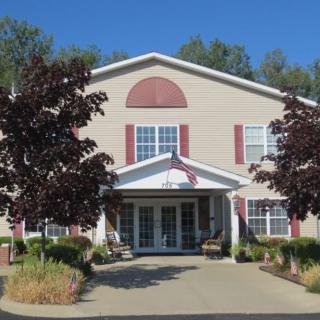

 Comprehensive Insights and Practical Strategies to Help Older Adults Avoid Falls
 6 Crucial Ways an Elder Law Attorney Assists Families
 Navigating the Tax Landscape of Caregiving: Credits, Deductions, and Beyond