Bishop Gibbons Apartments

Save
Bishop Gibbons Apartments

Bishop Gibbons Apartments

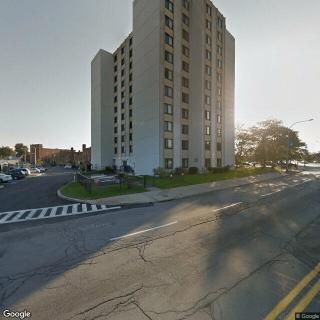
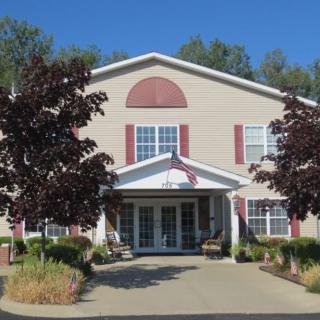
1110 Payne Ave, North Tonawanda, NY 14120

For more information about senior living options: (844) 490-3973

2.8 from 9 reviews
5 stars
3
4 stars
0
3 stars
1
2 stars
2
1 stars
3

Independent Living

Overall Review of Bishop Gibbons Apartments

Pros

  • pro The maintenance team is friendly and hardworking.
  • pro The onsite manager is friendly and willing to help where possible.
  • pro The former manager allowed residents to keep four parrots.
  • pro The waiting list was short.
  • pro Residents love living there.

Cons

  • pro The owners are described as slumlords from New Jersey, refusing to hire extra help so one maintenance person must do both maintenance and cleaning.
  • pro Rugs are dirty and stained; floors are not mopped regularly.
  • pro Stairwells and sidewalks are not cleaned; snow removal is neglected, and residents shovel entrances for access, which is ridiculous.
  • pro Outside grounds are not as nice as they used to be.
  • pro It is described as turning from senior housing into a nursing home.
  • pro A serious dust issue runs through the building, likely aggravating allergies.
  • pro The onsite manager recently changed and now limits pets to one per unit, upsetting residents who previously had more flexibility.
  • pro Maintenance overall is poor, and medical personnel have trouble entering due to poor upkeep and accessibility concerns.
  • pro The staff are unfriendly, and the owners are perceived as located out of area.

Review

The collection of impressions from residents paints a portrait of a senior housing property that is simultaneously valued for its location and community and plagued by ongoing challenges in maintenance, cleanliness, and management. A recurring thread is that the owners, described by at least one reviewer as "slumlords out of NJ," seem to be at a distance from day-to-day operations, leaving a lean on-site team to handle a wide range of tasks. In this environment, residents feel the quality of everyday life is highly sensitive to how well the building is cared for and how effectively management responds to problems.

Maintenance appears to be the most hotly debated issue. Early accounts recount a single maintenance person who was stretched thin, juggling repairs and cleaning with limited help. This arrangement contributed to widely noticed shortcomings: rugs that were dirty and stained, floors that were not mopped regularly, and stairwells that needed cleaning. The result, according to some residents, is a building that feels neglected and dated, with a general sense that basic upkeep falls through the cracks. However, another resident's experience suggests improvement on this front, noting that the maintenance team has since expanded to two workers and that these individuals are friendly and hardworking. That shift in staffing illustrates how quickly conditions can shift depending on resource allocation and team dynamics.

Cleanliness and dust control emerge as a major concern, especially for residents with allergies or respiratory sensitivities. One reviewer specifically highlights a serious dust issue that permeates the building, warning that those with allergies may encounter frequent problems. This complements the broader sense that common areas - including hallways and stairwells - do not consistently meet expectations for a clean, comfortable living environment. The discrepancy between residents' expectations and the building's actual maintenance highlights how even small dust or grime issues can significantly affect quality of life, particularly in a senior housing setting where residents may spend more time indoors.

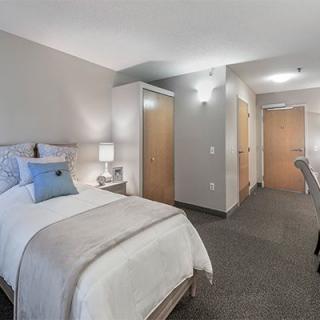
The configuration and size of apartments also come up in these reflections. Some units are described as quite small, while others are more spacious, and at the time of interviews a prospective tenant could request more space if needed. A distinctive personal story notes that the former manager had allowed four parrots to reside in a very small apartment, underscoring how pet policies can directly influence housing choices and resident satisfaction. The ability to accommodate non-traditional pets clearly shaped who could stay or move in, and the transition to a new manager has altered those policies in ways that some residents view as restrictive or changing the character of the community.

Management turnover adds another layer of complexity to the experience. The departure of a former building manager - one who reportedly lacked interpersonal skills - gave rise to a new onsite manager described as friendly and willing to help, at least in principle. Yet the new policy restricting residents to a maximum of one pet (or two birds) marks a notable shift from the past and has had a tangible impact on some residents who had found ways to keep multiple pets. As with many aspects of the property, the mental model of management depends heavily on personal interactions and what residents experience in practice, not just what is written in policy. Time will tell how consistently the new leadership will balance compassion with policy enforcement.

Beyond indoor concerns, exterior maintenance - grounds, sidewalks, and the parking lot - receives mixed reviews. One reviewer condemns the maintenance of outdoor spaces as "very poor," noting that sidewalks and the parking lot go untreated and unplowed. In winter, this neglect can hinder access for seniors and those with mobility challenges, while neighbors and residents take on the task of shoveling entrances to ensure medical personnel can reach the building. The same review frames this approach as "ridiculous," underscoring a tension between expecting residents to compensate for systemic shortfalls and the need for reliable, professional maintenance of essential infrastructure. The perception of the property as home to many elderly and handicapped residents makes reliable outdoor maintenance not just a nicety but a safety concern for many.

In one vivid contrast, another resident expresses strong affection for living there, noting that the waiting list to move in was short and that they "love it here." This positive vantage point highlights that, despite the challenges, there is a sense of community and opportunity, especially for those who value timely access and a warm, if imperfect, living environment. Yet this sentiment sits alongside others who describe clean staff as unfriendly and point to ongoing maintenance needs and a sense that the owners are geographically distant. Taken together, these threads suggest a property with real potential for a comfortable, supportive home, but one that requires consistent, attentive management and adequate staffing to realize that potential.

Taken as a whole, the reviews present a nuanced picture: a senior housing property with genuine strengths - short waiting lists, initial personal connections with residents, and moments of proactive management - paired with persistent weaknesses - understaffed or inconsistent maintenance, dust and cleanliness issues, variable pet policies, and concerns about exterior upkeep and safety. For prospective residents or families considering a move, the message is clear but not definitive. If you value a community with potential and a relatively quick transition into a space with a caring onsite manager, you may find this place workable, provided you are willing to tolerate, or advocate for, stronger maintenance and clearer, more consistently applied policies. If, on the other hand, you prioritize spotless cleanliness, rigorous exterior maintenance, and stable, fully staffed operations, you may want to look elsewhere or ask pointed questions about current staffing levels, recent improvements, and the management's long-term plan to address these gaps. The overall impression is one of balance - between community warmth and practical daily challenges - where careful due diligence and a clear understanding of what kind of living environment you need will determine whether this property ultimately feels like home.

Features

Types of Care

  • Independent Living Independent LivingIndependent living communities are important for seniors because they offer a safe and supportive environment where older adults can live independently while still having access to amenities and services that enhance their quality of life. These communities provide social opportunities, recreational activities, and assistance with daily tasks, promoting overall well-being and allowing seniors to maintain their independence for as long as possible.

Transportation

  • Buffalo Niagara International (11 miles away) Buffalo Niagara International (11 miles away)

Description

Bishop Gibbons Apartments in North Tonawanda, NY is a vibrant assisted living community that offers a warm and inviting atmosphere for seniors to thrive. Located in a friendly neighborhood, our community provides easy access to various amenities and services that cater to the needs and preferences of our residents.

With six cafes nearby, residents can enjoy leisurely walks or meet up with friends for a cup of coffee or a delicious snack. The cafes provide a cozy ambiance where seniors can socialize, relax, and enjoy their favorite treats at their own pace.

Nature enthusiasts will appreciate the proximity of three parks, offering ample opportunities to soak in the beauty of the outdoors. These parks provide tranquil settings for residents to stroll through gardens, engage in light exercises, or have picnics with loved ones.

Healthcare is easily accessible as well, with 15 pharmacies located conveniently near our community. This ensures that residents can promptly and conveniently obtain medications and any necessary health supplies.

Our community also prioritizes the physical well-being of our residents by having four physicians located nearby. Whether it's routine check-ups, consultations, or specialized medical care, seniors can rest assured knowing that quality healthcare professionals are readily available.

For dining options, there are seven restaurants nearby that offer diverse cuisines to cater to all tastes and dietary preferences. Residents can indulge in delectable meals without venturing too far from home or even invite family and friends for memorable gatherings.

Lastly, we understand the importance of having healthcare facilities close by in case of emergencies. With one hospital near our community, our residents can feel safe knowing that immediate medical attention is within reach if ever needed.

At Bishop Gibbons Apartments in North Tonawanda, NY, we strive to create an enriching environment where seniors can live comfortably while enjoying various amenities and services right at their doorstep.

Nearby Places of Interest

This area of North Tonawanda, New York, offers a convenient and comfortable setting for senior living. With several pharmacies within close proximity, accessing necessary medications and healthcare supplies is easily manageable. There is also a variety of dining options ranging from casual spots like Lumberjack's Patio Grill to more upscale choices like Carrabba's Italian Grill. Nearby hospitals such as Degraff Memorial Hospital provide peace of mind in case of any medical emergencies. Additionally, the abundance of parks offers opportunities for outdoor recreation and relaxation. With numerous cafes for socializing and meeting friends, as well as reputable physicians and places of worship nearby, this area provides all the essential amenities for a fulfilling retirement lifestyle.

Pharmacies

  • Walgreens (0.1 miles)
  • CVS Pharmacy (0.2 miles)
  • Tops Pharmacy (0.3 miles)
  • Rite Aid (0.4 miles)
  • Wurlitzer Family Pharmacy (1.4 miles)
  • Walmart Pharmacy (1.8 miles)
  • Rite Aid (2.3 miles)

Restaurants

  • Lumberjack's Patio Grill (0.7 miles)
  • Dwyers Irish Pub (2 miles)
  • McDonald's (3 miles)
  • My Tomato Pie (3.2 miles)
  • Gray's Place (4.7 miles)
  • Carrabba's Italian Grill (4.9 miles)
  • De Dee's Dairy (5 miles)

Hospitals

  • Degraff Memorial Hospital (2.1 miles)

Parks

  • North Tonawanda Gateway Park (2.1 miles)
  • Marios Park (3.2 miles)
  • Ellicott Creek Park (3.4 miles)
  • Starpoint Intermediate Playground (6.1 miles)
  • Beaver Island State Park (7.4 miles)
  • Hyde Park (7.6 miles)
  • Town of Niagara Veterans Memorial Park (7.6 miles)

Cafes

  • Tim Hortons (2.2 miles)
  • Wegmans Food Markets (3.1 miles)
  • Tim Hortons (4.7 miles)
  • Panera Bread (4.8 miles)
  • Starbucks (4.9 miles)
  • Tim Hortons (4.9 miles)
  • Wegmans Market Cafe (5.4 miles)

Physicians

  • Fichte Endl & Elmer Eyecare (3.3 miles)
  • Excelsior Orthopaedics (4.5 miles)
  • Northtowns Medical Group PC (4.8 miles)
  • Dr. Mark Rodman (4.9 miles)
  • Amherst Medical Associates (5.1 miles)
  • Kenmore Family Medicine (5.3 miles)
  • Suburban Psychiatric Associates (5.3 miles)

Places of Worship

  • Newman Center at UB (5.2 miles)
  • The Chapel (6.9 miles)

Theaters

  • AMC Maple Ridge 8 (5.6 miles)

Frequently Asked Questions

Where is Bishop Gibbons Apartments?

Nearby Communities

Related Resources

  • elderly blood pressure chartComprehensive Look at Senior Blood Pressure Charts: Normal and Elevated Levels by Age

    The overview of blood pressure management for seniors emphasizes the importance of monitoring and interpreting blood pressure readings, noting that normal ranges can vary due to age-related factors and individual health conditions. It highlights tailored guidelines for systolic and diastolic levels, the necessity of early detection and consistent management to prevent serious health complications, and advocates for personalized care strategies that incorporate lifestyle changes and medication adherence.

  • best dog for seniorsTop Canine Companions for Older Adults

    Dogs can greatly improve the lives of older adults by offering emotional support and encouraging physical activity, with factors such as size, temperament, and grooming needs being crucial in selecting a suitable breed. Senior dogs often make ideal companions for this demographic, promoting social connections and requiring care routines that align with seniors' capabilities.

  • elderly blood pressure chartComprehensive Guide to Blood Pressure Charts for Older Adults: Understanding Normal and High Readings by Age

    The guide on blood pressure charts for older adults stresses the importance of understanding normal and high blood pressure readings influenced by age, genetics, and lifestyle, while emphasizing regular monitoring and lifestyle modifications to prevent serious health issues. It provides insights into blood pressure categories, dietary recommendations, medication considerations, and the role of caregivers in supporting healthy habits.