Mary Manning Walsh Nursing Home in New York, NY
SaveInterior
Decor
Building

Windows
Outdoor

Urban

Church
Information last verified:
1339 York Avenue, New York, NY 10021
For more information about senior living options: (844) 490-3973
 Jade is incredible and consistently addresses concerns. The 13th floor is a great unit to be on, with staff who are very helpful and always available to answer questions. The facility is one of the best places to recover. Mary Manning Walsh provides very good care for residents. The rehab program is excellent and the staff provide fantastic care. Rosetta, the Nurse Manager, is extremely attentive and caring, and the nurse staff are fantastic. The PT therapist Anthony is very helpful and attentive during rehabilitation. The staff go above and beyond to care for residents. Nathalie is kind, helpful, and motivating. The CNAs and nurses are caring and professional. The facility is top of the line and well managed. The therapy at Mary Manning Walsh is outstanding and highly recommended.
 This place is a disgrace. It is nearly impossible to reach anyone; the nursing station rarely answers the phone and there is no accountability. The food is served in tiny portions, often cold, and is sometimes inedible. The facility is poorly managed, with understaffing, long wait times, and staff who argue about duties. There are reports of staff ignoring residents, being untrained, and acting unprofessionally. The building is ancient and deteriorated, with scary elevators and unsafe conditions for patients. The administration should be fired for allowing such conditions and failing to protect residents. It is described by some as a place to die rather than rehab, with hospice-like practices and severely inadequate end-of-life care.
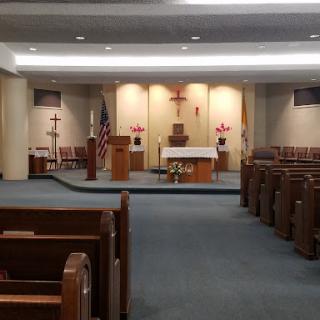
Mary Manning Walsh Nursing Home in Manhattan is best suited for seniors who need intensive, outcomes-driven rehabilitation and who value a facility that reads as both medical and homelike. The rehab-centric teams here are repeatedly praised for one-on-one therapy, attentive nursing, and proactive coordination around medical needs. For residents recovering from hip or knee replacement, stroke, or other substantial procedures, the rehabilitation program tends to yield tangible gains that translate into earlier discharge and greater independence. The environment supports recovery with clean, well-maintained spaces, accessible therapy on multiple floors, and a campus feel that includes a chapel and social areas designed to keep patients engaged between sessions. For families who want a facility that treats recovery as the primary mission while also offering a polished, hotel-like ambiance, Mary Manning Walsh delivers with a level of consistency that many peers struggle to match.
That said, potential residents and families should also consider who may want alternatives. The most glaring red flag for some is the variability in day-to-day operations and communication. Several reviews cite inconsistent follow-through, missed calls, and slow responsiveness from staff, particularly on non-rehab floors or during busy shifts. For those needing steady, seamless custodial care as a long-term arrangement, or for loved ones who require highly predictable daily assistance and frequent, clear updates, the experience here can feel uneven. Memory care, complex chronic care, or residents with high care-plan volatility may find the inconsistency disheartening if 24/7 attentiveness is non-negotiable. Families with prior negative experiences or heightened sensitivity to staffing fluctuations will want to weigh those realities carefully and probe before committing.
On balance, the strongest pros at Mary Manning Walsh are the rehabilitation outcomes and the core care team. Families consistently highlight skilled physical and occupational therapy, one-on-one attention, and the ability to move patients toward independence. The nursing staff is frequently described as capable, compassionate, and responsive, and many residents form strong connections with CNAs, therapists, and unit leaders. The facility’s public areas and on-site amenities, suites with tasteful décor, a cafe-like atmosphere, and a quiet dignity that comes from its Catholic heritage, contribute to a supportive mood that can reinforce motivation during rehab. When therapy sessions are consistently scheduled and therapists document progress, these advantages can substantially offset the stress of the recovery period and create a solid bridge back to home life.
However, the main drawbacks cannot be ignored, and they do not vanish behind a polished veneer. Communication fragmentation, between shifts, among disciplines, and with families, rises as a persistent theme in several complaints. Reports of delayed or missing medication administration, slow response to call bells, and difficulty reaching social workers or discharge planners can undermine trust and prolong hospital-to-home transitions. Safety concerns surface in some reviews: sporadic maintenance issues, inconsistent infection-control practices on the floor, and experiences of understaffing that translate into longer waits for basic needs. The food quality also receives mixed verdicts, with notable criticism about portion sizes, variety, and temperature, which matters for long rehab stays and general well-being. In the most extreme accounts, there are heartbreaking claims of neglect and mishandling, though these appear in a minority of statements and should be weighed against the broader set of experiences.
Ultimately, these pros and cons create a clear proportional equation. For a patient whose primary objective is to regain function quickly and return home, Mary Manning Walsh can deliver superior rehab results, with therapists who are dedicated and capable and a milieu that supports discipline and progress. The offset, however, rests on the family’s tolerance for variability in non-therapy care, the ability to maintain vigilant oversight of care plans, and a readiness to address administrative and communication hiccups head-on. If long-term custodial care, consistent daily responsiveness, and a consistently high-functioning operations team are non-negotiable, alternative facilities with fewer reported lapses in communication and more uniform staffing may be a wiser match. This is not a one-size-fits-all decision; it is a choice anchored in how much priority is placed on rehab excellence versus seamless day-to-day reliability across all care domains.
For families evaluating the facility, a prudent approach is essential. Request a floor-specific tour focused on the rehab units, and speak directly with the rehab director about typical session counts, progress benchmarks, and how progress is communicated to families. Ask to see recent care plans, therapy notes, and a clear discharge pathway to home or to a lower-acuity setting. Inquire about staffing ratios on the floors most likely to care for a loved one, and seek direct contact information for a nurse manager and the social worker assigned to the case. Verify there is an open, accountable mechanism for addressing concerns, and insist on transparent timelines for issue resolution. Finally, triangulate impressions by talking with several families about their experience on different shifts and floors, because Mary Manning Walsh’s reality seems most accurately understood through a cross-section of resident and family narratives, not a single glowing or grim anecdote.
In the end, Mary Manning Walsh stands out in Manhattan for rehab-driven outcomes and a dignified, well-appointed environment that can power meaningful recovery. It is a compelling choice for seniors whose primary need is high-quality therapy and who can tolerate, or actively counter, variability in non-rehab care and communication. For those who require unwavering day-to-day reliability, 24/7 attentiveness, and consistently flawless operational responsiveness, exploring alternatives that emphasize long-term custodial care with steadier staffing may be wise. The decision should center on the resident’s recovery goals, the family’s capacity to advocate and monitor care, and the willingness to navigate administrative bumps in exchange for clinical excellence on the rehabilitation front. Mary Manning Walsh can be the right move for many families, provided a proactive, engaged approach accompanies the admission.
 362 resident community capacity
 Skilled Nursing FacilitySkilled Nursing Facilities are crucial for seniors as they provide round-the-clock medical care, rehabilitation services, and assistance with daily activities. These facilities ensure that seniors receive the specialized care they need to maintain their health and well-being as they age.
 Air-conditioningAir conditioning is important for seniors as they are more vulnerable to heat-related illnesses and may have underlying health conditions that make it difficult for them to regulate their body temperature. It helps to keep them comfortable, safe, and healthy in hot weather.
 Beauty salonBeauty salons are important for seniors because they provide a space for them to feel pampered, socialize, and maintain their personal grooming and hygiene. Regular visits to a beauty salon can help boost seniors' self-esteem and overall well-being.
 Cable or satellite TVCable or satellite TV is important for seniors because it provides entertainment, news, and companionship, helping to combat loneliness and boredom. It also offers a wide range of programming options tailored to different interests and preferences.
 Computer centerA computer center is essential for seniors as it provides access to technology, communication tools, and resources that can enhance their daily lives. It allows them to stay connected with loved ones, engage in online activities, and learn new skills, ultimately promoting socialization and mental stimulation.
 Dining roomDining rooms are important for seniors as they provide a space for socialization, connection, and nutritious meals. They offer opportunities for residents to bond over shared meals, foster a sense of community, and promote healthy eating habits. Dining rooms also ensure that seniors have access to well-balanced meals tailored to their dietary needs and preferences.
 Fitness roomHaving a fitness room in a senior living community is essential for seniors to stay active, maintain their physical health, and improve their overall well-being. Regular exercise can help prevent falls, reduce the risk of chronic diseases, and promote mental sharpness. It also provides social opportunities for residents to connect with others and enjoy a sense of community.
 Fully furnishedFully furnished senior living communities are important for seniors because they provide convenience, comfort, and a hassle-free moving experience. Seniors can easily settle into their new living space without the stress of having to buy and move furniture. This allows them to focus on enjoying their new home and community.
 Gaming roomGaming rooms are important for seniors as they provide a fun and engaging environment for socializing, cognitive stimulation, and physical activity. Games can improve memory, problem-solving skills, and overall mental well-being while fostering friendships and reducing feelings of isolation.
 GardenGardens are important for seniors as they provide a peaceful and therapeutic environment for relaxation, physical activity, and socialization. Being in nature has been shown to reduce stress, improve mood, and promote overall well-being. Gardens also offer opportunities for seniors to engage in gardening activities, which can improve mobility, flexibility, and cognitive function. Additionally, gardens create a sense of community and connection with others who share a passion for plants and outdoor spaces.
 Housekeeping servicesHousekeeping services are important for seniors because they help maintain a clean and safe living environment, promote independence, and reduce the risk of accidents or illnesses. Additionally, having assistance with household chores can alleviate physical strain and allow seniors to focus on other aspects of their well-being.
 KitchenetteKitchenettes are important for seniors living in senior living communities because they provide the convenience and independence of being able to prepare simple meals and snacks in the comfort of their own living space. This can help promote a sense of autonomy and well-being for seniors, allowing them to maintain some level of control over their dietary choices and daily routines.
 Move-in coordinationMove-in coordination is important for seniors because it helps ease the transition into their new living environment. It ensures that all logistics, such as packing, organizing movers, and setting up utilities are taken care of, allowing seniors to focus on settling in and adjusting to their new home. Having a smooth move-in process can alleviate stress and anxiety, making the transition smoother and more enjoyable for seniors.
 Outdoor spaceOutdoor spaces are important for seniors as they provide opportunities for physical activity, social interaction, exposure to natural light and fresh air, and a sense of connection to nature. Having access to outdoor spaces can improve overall well-being and quality of life for older adults living in senior communities.
 Private bathroomsPrivate bathrooms are important for seniors in senior living communities because they provide independence, dignity, and comfort. Having a private bathroom allows seniors to maintain their personal hygiene routines without the need for assistance, promoting a sense of autonomy and privacy. Additionally, private bathrooms help prevent the spread of infections and provide a safe and clean environment for seniors to navigate safely.
 Restaurant-style diningRestaurant-style dining is important for seniors because it allows them to enjoy delicious, nutritious meals in a social and upscale setting. This enhances their dining experience, promotes healthy eating habits, and fosters socialization with fellow residents, ultimately contributing to their overall well-being and quality of life.
 Security gateSecurity gates provide an added layer of protection and peace of mind for seniors living in a community. They help prevent unauthorized entry, deter potential intruders, and create a sense of security for residents. This extra security measure can make seniors feel safe and secure in their living environment.
 Small librarySmall libraries are important for seniors as they provide access to a variety of reading materials, including books, newspapers, and magazines. This can help stimulate their minds, keep them engaged, and provide a sense of community through book clubs and other social activities. Additionally, reading has been shown to improve cognitive function and overall mental well-being in older adults.
 TelephoneTelephones are important for seniors as they provide a lifeline for communication with loved ones, emergency services, and healthcare providers. They offer a sense of security and independence, enabling seniors to stay connected and access assistance when needed.
 Wellness centerWellness centers are important for seniors because they offer a variety of programs and services that promote physical, mental, and emotional well-being. These centers provide opportunities for exercise, socialization, education, and relaxation, helping seniors maintain their overall health and quality of life.
 Wi-Fi/high-speed internet availableWi-Fi/high-speed internet is important for seniors to stay connected with loved ones, access online resources, and participate in virtual activities to combat feelings of loneliness and isolation. It also allows them to easily manage healthcare needs, access entertainment, and engage in lifelong learning opportunities.
 LaGuardia (4 miles away) Newark International (12 miles away) John F Kennedy International (13 miles away) Westchester Cty (24 miles away)
 Community operated transportationCommunity operated transportation is crucial for seniors as it provides them with the means to access essential services, social activities, and medical appointments. It allows seniors to maintain their independence and quality of life by ensuring they can participate in activities outside of their homes. Additionally, community-operated transportation services offer a safe and reliable way for seniors to travel without having to rely on family or friends for assistance. Transportation arrangementTransportation arrangements are crucial for seniors as they may face challenges with driving, mobility, or access to public transportation. Having reliable transportation services ensures that seniors can easily attend appointments, social activities, and maintain their independence and quality of life. Transportation arrangement (non-medical)Transportation arrangements are essential for seniors as they provide access to essential services, activities, and social interactions outside the home. This service helps maintain independence, mobility, and overall well-being for seniors who may have limited transportation options. Transportation to doctors appointmentsTransportation to doctors appointments is crucial for seniors as it ensures they have access to necessary medical care and support, promoting their health and well-being. It allows them to receive timely treatment, monitor existing conditions, and address any new health concerns efficiently. Additionally, transportation services can help seniors maintain their independence and quality of life by enabling them to stay connected with their healthcare providers.
 12-16 hour nursing12-16 hour nursing care is crucial for seniors in order to ensure around-the-clock monitoring, timely medication administration, and prompt response to any health concerns or emergencies. This level of care helps to promote the overall well-being and safety of seniors living in senior living communities.
 24-hour call system24-hour call systems are important for seniors because they provide peace of mind and immediate assistance in case of emergencies. This technology ensures that help is always available, promoting safety and security for elderly individuals living alone or in assisted living facilities. 24-hour supervision24-hour supervision is important for seniors to ensure their safety, well-being, and access to immediate assistance in case of emergencies or health issues. This constant support provides peace of mind for both seniors and their loved ones, allowing them to age in place with dignity and security.
 Activities of daily living assistanceActivities of daily living assistance are important for seniors because they provide essential support with tasks such as eating, bathing, dressing, and mobility. This assistance helps seniors maintain their independence, dignity, and overall quality of life as they age.
 Assistance with bathingAssistance with bathing is crucial for seniors as it helps maintain personal hygiene, prevents infections, and ensures their overall well-being and comfort. It also provides a sense of dignity and independence for seniors who may struggle with this task on their own.
 Assistance with dressingAssistance with dressing is important for seniors because it helps maintain their independence, promotes personal hygiene, prevents accidents and injuries, and improves overall quality of life. This service ensures that seniors can continue to dress comfortably and confidently, despite any physical limitations they may have.
 Assistance with transfersAssistance with transfers is crucial for seniors as it helps prevent falls and injuries, maintains their independence, and ensures they can safely navigate their living environment. It also provides peace of mind for both seniors and their loved ones.
 Diabetes dietA diabetes diet is crucial for seniors as it helps manage blood sugar levels, reduce risks of complications, and improve overall health and well-being. By following a balanced and nutritious diet tailored to their specific needs, seniors can better control their diabetes and enhance their quality of life.
 High acuity careHigh acuity care is important for seniors because it provides specialized medical attention and support for individuals with complex medical needs. This level of care ensures that seniors receive the appropriate treatment and assistance to maintain their health and quality of life as they age. Meal preparation and serviceMeal preparation and service are crucial for seniors as they may have limited mobility or energy to cook nutritious meals. Having access to healthy and convenient food options can ensure they are getting the proper nutrition needed to maintain their overall health and well-being.
 Medication managementMedication management is crucial for seniors to ensure they are taking the right medications at the correct dosages and times. This helps prevent adverse drug interactions, reduces the risk of medication errors, and promotes overall health and well-being. Proactive management also allows for adjustments as needed based on changing health conditions or new prescriptions.
 Mental wellness programMental wellness programs are essential for seniors as they promote cognitive stimulation, emotional support, and social engagement. These programs help prevent isolation, depression, and cognitive decline, ultimately enhancing the overall quality of life for older adults.
 Special dietary restrictionsSpecial dietary restrictions are important for seniors because age-related changes in metabolism and health conditions can make it difficult for their bodies to process certain foods. By following a diet tailored to their specific needs, seniors can maintain their overall health and well-being, manage chronic conditions, and reduce the risk of complications such as malnutrition or food interactions with medications. Diabetes dietA diabetes diet is crucial for seniors as it helps manage blood sugar levels, reduce risks of complications, and improve overall health and well-being. By following a balanced and nutritious diet tailored to their specific needs, seniors can better control their diabetes and enhance their quality of life. Special dietary restrictionsSpecial dietary restrictions are important for seniors because age-related changes in metabolism and health conditions can make it difficult for their bodies to process certain foods. By following a diet tailored to their specific needs, seniors can maintain their overall health and well-being, manage chronic conditions, and reduce the risk of complications such as malnutrition or food interactions with medications. Community-sponsored activitiesCommunity-sponsored activities are important for seniors as they provide opportunities for social interaction, mental stimulation, and physical activity. These activities can help improve overall well-being, combat loneliness and isolation, and promote a sense of belonging and purpose among older adults.
 Concierge servicesConcierge services are essential for seniors as they provide assistance with daily tasks and errands, enhance their quality of life by offering convenience and personalized care, and promote a sense of safety and security. Fitness programsFitness programs are crucial for seniors as they help improve strength, flexibility, balance, and overall well-being. Staying active can reduce the risk of chronic diseases, improve mental health, and enhance quality of life in older adults.
 Planned day tripsPlanned day trips are important for seniors because they offer opportunities for socialization, mental stimulation, and physical activity. They provide a change of scenery and help seniors stay engaged and connected to their community, promoting overall well-being and quality of life. Resident-run activitiesResident-run activities are important for seniors as they encourage social interaction, creativity, and a sense of autonomy. These activities empower seniors to stay engaged and active in their community while fostering meaningful connections with their peers. Scheduled daily activitiesScheduled daily activities are important for seniors because they provide structure, socialization, mental stimulation, and physical activity. Engaging in regular activities can improve overall well-being and quality of life for seniors living in a community setting.
 EnglishEnglish is important for seniors as it allows them to communicate effectively with healthcare providers, understand important information related to their health and medications, stay connected with loved ones, and engage in social activities within their communities. It also opens up opportunities for lifelong learning and intellectual stimulation. SpanishSpanish is an important language for seniors because it allows them to communicate effectively with caregivers, medical professionals, and others in their community who may speak Spanish as their primary language. It also provides opportunities for cultural enrichment and social connections.
Mary Manning Walsh Nursing Home is a premier assisted living community located in the heart of New York City, NY. We pride ourselves on providing exceptional care and amenities to enhance the lives of our residents. Our community offers a wide range of services and amenities designed to meet the diverse needs and preferences of each individual.
Residents can enjoy the convenience of our on-site beauty salon, where they can indulge in pampering treatments. Our spacious accommodations are fully furnished, ensuring comfort and relaxation for every resident. For those who enjoy staying connected, we offer Wi-Fi/high-speed internet access throughout the premises.
Nutrition is an important aspect of our residents' wellbeing, which is why we provide restaurant-style dining with special dietary restrictions catered to. Additionally, our culinary team prepares delicious meals and snacks according to diabetes diets and special dietary needs.
At Mary Manning Walsh Nursing Home, we understand the importance of staying active and engaged. Our residents can participate in a variety of activities such as fitness programs, planned day trips, resident-run activities, and scheduled daily activities. For those seeking mental wellness support, we offer a comprehensive mental wellness program.
We prioritize safety and security by providing 24-hour call systems and supervision. Assistance with daily tasks such as bathing, dressing, and transfers is readily available from our caring staff members. Medication management ensures that residents receive their necessary medications on time.
Transportation arrangement services are provided for both non-medical purposes as well as transportation to doctors' appointments. Our community-operated transportation makes it easy for residents to explore nearby cafes, parks, pharmacies, restaurants, theaters, hospitals, places of worship, and other amenities within close proximity.
Mary Manning Walsh Nursing Home is proud to serve a diverse population by offering Spanish language assistance as well. With our dedicated staff and wide array of amenities and services, we strive to create a welcoming environment where residents can thrive physically, mentally, and socially.
This part of New York, New York, is a vibrant and bustling neighborhood with convenient access to top medical facilities such as Memorial Sloan Kettering Cancer Center and Weill Cornell Medicine Obstetrics and Gynecology. The area also offers a variety of pharmacies for easy access to medications, as well as reliable public transportation options including several nearby subway stations. For leisure and relaxation, there are charming cafes like Ralph’s Café and popular restaurants such as The Loeb Boathouse and Sarabeth's within close proximity. Additionally, there are beautiful parks like Carl Schurz Park and Central Park Mall for enjoying nature. Nearby places of worship like St. Patrick's Cathedral provide spiritual nourishment, while theaters like AMC Loews Lincoln Square 13 offer entertainment options. With hospitals like Metropolitan Hospital Center in the vicinity, seniors can rest assured knowing that quality healthcare services are easily accessible in this vibrant neighborhood.
Mary Manning Walsh Nursing Home is located at 1339 York Avenue, New York, NY 10021 in New York County, New York
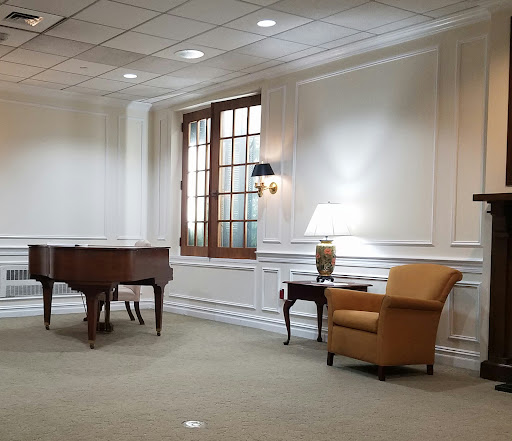
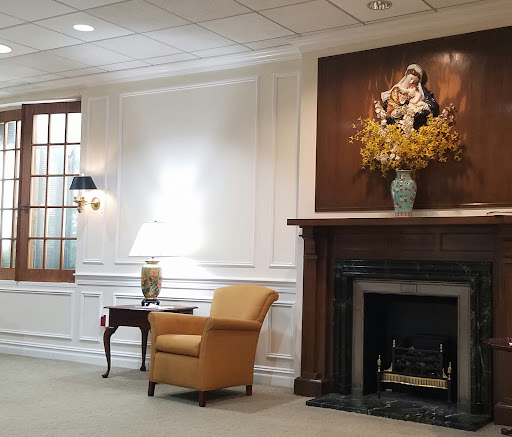
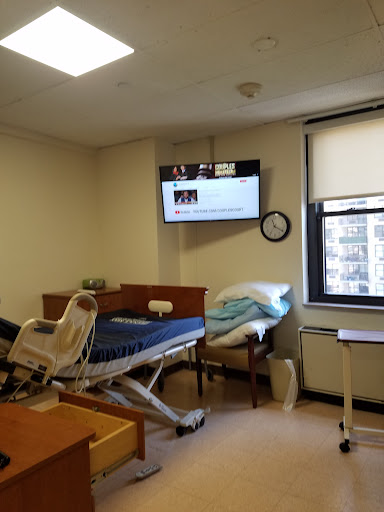
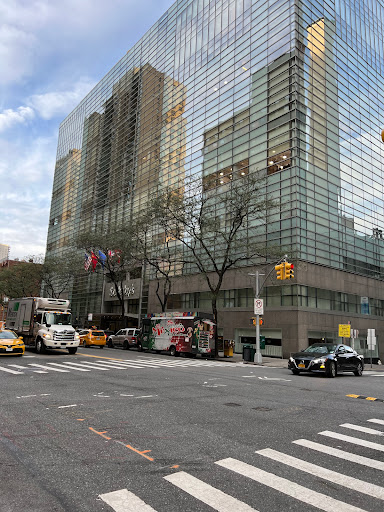
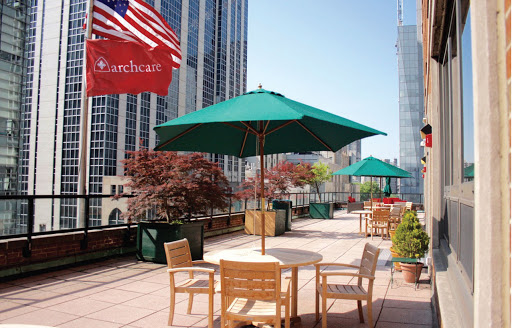
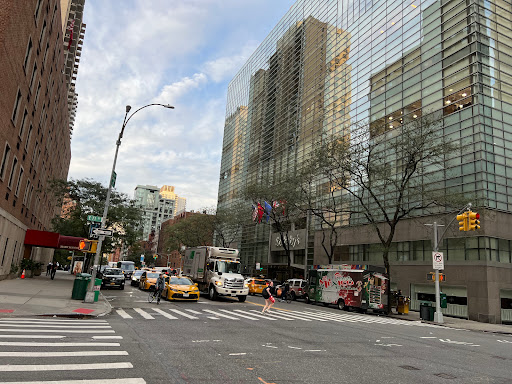
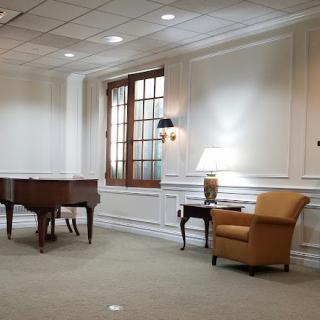
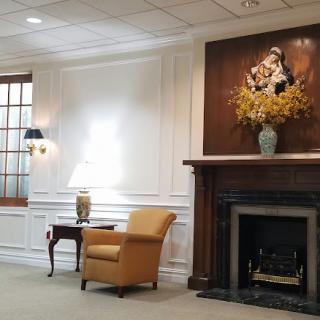
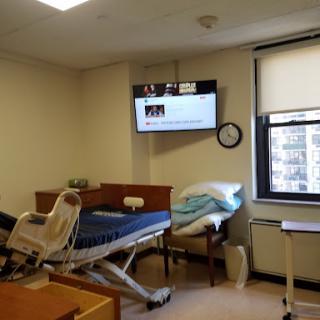
Mary Manning Walsh Nursing Home on seniors.fyi includes 8 photos including images showing interior, urban, windows, fireplace, decor, wall art, lighting, church, and more.
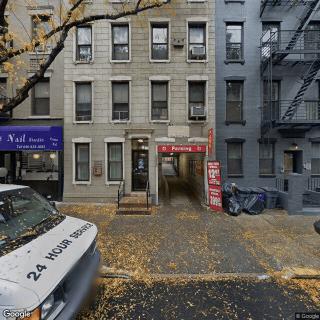
Absolutely There's No Place Like Home
New York, NY
Excellent access to parks, pharmacies, doctors, restaurants, transit, and other services nearby.
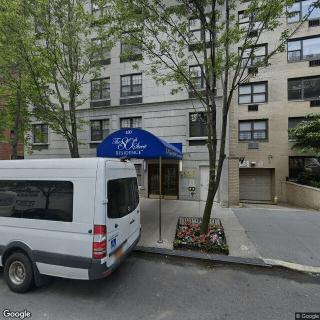
The 80th Street Residence
New York, NY
Strong staff engagement and consistent family communication.
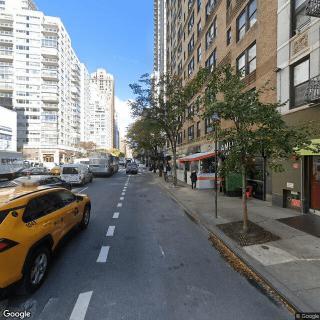
Elder Home Care - Manhattan, NY
New York, NY
Excellent access to dining, parks, healthcare, transport, worship, theaters, and hospitals in Manhattan.

Upper East Side Rehabilitation And Nursing Center
New York, NY
Some staff provide caring, effective rehab.

De Witt Nursing Home
New York, NY
Attentive rehab staff with effective therapies and recent renovations.
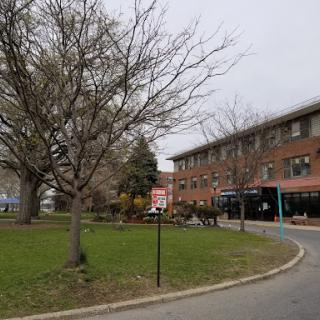
Coler Rehabilitation And Nursing Care Center
Roosevelt Island, NY
Extensive amenities and comprehensive 24/7 care with transport support.

Coterie Hudson Yards
New York, NY
Exclusive luxury with top-tier dining, comprehensive medical care, and premier amenities.
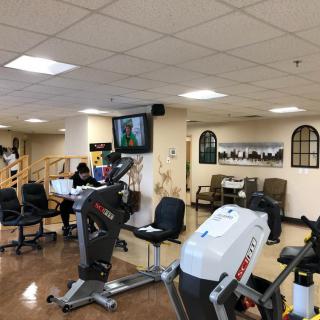
Hudson View Care & Rehab Ctr
North Bergen, NJ
Compassionate staff and strong rehab in a clean, comfortable setting.
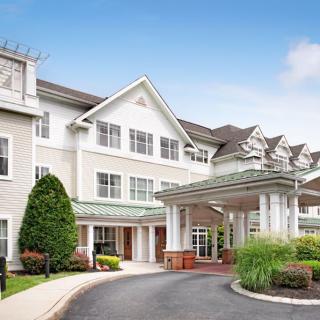
Sunrise of Edgewater
Edgewater, NJ
Caring staff with engaging activities and well-maintained facilities.
 Skilled Nursing Facilities vs. Nursing Homes: Making Sense of the Differences
Skilled nursing facilities (SNFs) provide high-level medical care and rehabilitation for short-term recovery, typically covered by Medicare after hospitalization, while nursing homes focus on ongoing custodial care for chronic conditions, mainly funded by Medicaid or private payments. The staffing and regulatory structures differ significantly between the two, necessitating clarity for families in choosing appropriate long-term care options.
 A Detailed Examination of Nursing Home Costs Across the U.S.
Nursing home care costs in the U.S. vary significantly based on location, level of care, and amenities, with private room prices ranging from approximately $6,700 to over $30,000 monthly. Families need to explore various payment options and conduct thorough research to manage these expenses effectively.
 Exploring Nonmedical Home Care: Understanding Services, Costs, and Financial Approaches
Nonmedical home care provides assistance with daily activities and companionship for individuals wishing to maintain independence and quality of life at home, without medical intervention. Its growing popularity is driven by an aging population, the need for supportive environments for recovery, and the emotional benefits of caregiver companionship, while costs vary based on service frequency and location.
Interior
Decor
Building
Windows
Outdoor
Urban
Church