Upper East Side Rehabilitation And Nursing Center in New York, NY
SaveInterior

Building
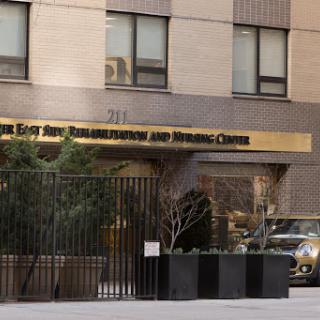
Architecture

Bedroom
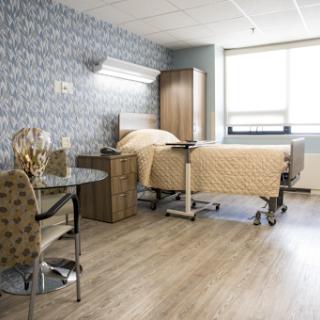
Trees
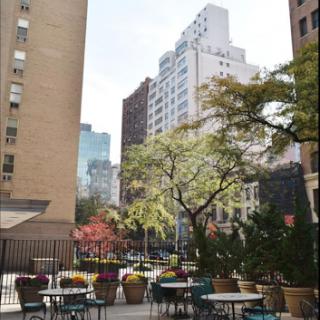
Dining
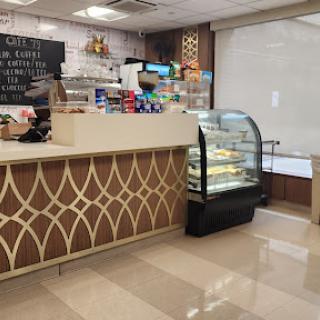
Lighting
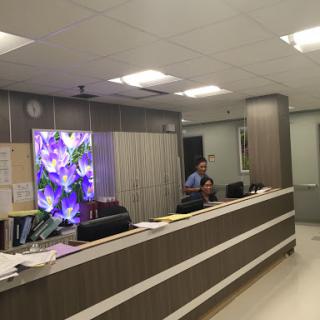
Lobby

Painting
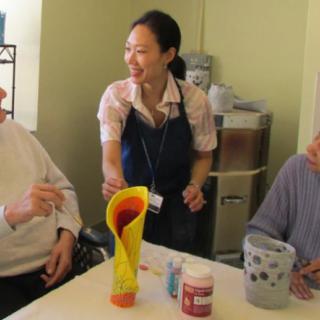
Reception
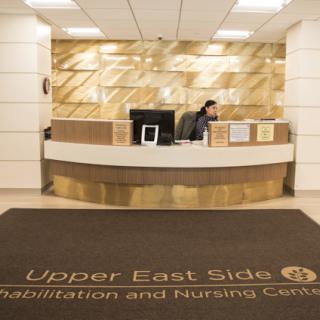
Information last verified:
211 East 79 Street, New York, NY 10021
For more information about senior living options: (844) 490-3973
 The physical and occupational therapy department is a major strength, with dedicated and knowledgeable therapists. The therapists go the extra mile for motivated patients to support their recovery. The nursing team is phenomenal and highly caring. The staff truly cares for residents, treating them with kindness, patience, and respect. The facility is clean, well maintained, and welcoming. The rehab department is outstanding, helping patients regain balance, independence, and confidence. The PT/OT teams are knowledgeable, friendly, and highly skilled, with therapists like Cheryl and Tunde cited for excellence. The center’s staff communicates clearly with families and provides reassuring updates. The recreation and activities departments are well organized and offer engaging programs that residents look forward to. The environment is calm, supportive, and conducive to recovery, with opportunities for socialization and exercise. The staff are professional, compassionate, and work well as a team to coordinate care. The facility has undergone renovations and features new equipment that enhance the rehabilitation experience.
 They described the discharge process as a major weakness, with services ordered late or not at all and poor coordination by the social worker. They reported weekend understaffing leading to long waits for nursing attention and inconsistent care. They described the facility as dirty and poorly maintained, with issues like broken equipment and stained rooms. They stated the food was dreadful or inedible and nutrition management was lacking. They noted poor communication and unresponsiveness from doctors and social workers, with calls not returned and information inconsistencies. They mentioned a serious medical error, including overdosing a patient on a blood thinner, and delays in pain management orders. They described overall understaffing, rude or inattentive staff, and an inefficient operation that undermined patient care. They warned others not to send loved ones, citing neglect or minimal care. They labeled the center as one of the worst rehabilitation facilities in NYC, a place to avoid.
Upper East Side Rehabilitation and Nursing Center is best suited for seniors who need a focused rehabilitation stay with a clear path back to independence. The center’s strongest card is the rehabilitation program: a well-regarded physical, occupational, and speech therapy team that delivers hands-on, skilled work in a modern gym. For residents who arrive with mobility or balance deficits and a goal of returning home within weeks, this facility can produce meaningful gains. It is less ideal for those whose primary need is steady, highly coordinating nursing care or for families that require flawless discharge planning and uninterrupted medical oversight. In short, this is a rehab-forward setting where skilled therapy often drives the outcome, more than it is a luxury long-term care environment.
Those evaluating alternatives should consider how much emphasis is placed on nursing continuity, discharge logistics, and day-to-day medical oversight. Several reviews flag weekend understaffing and variability among nurses and aides, which can translate into slower responses for basic needs or changes in condition. For residents with complex medical needs, frequent updates, fast access to clinicians, and a consistently predictable care routine may be better aligned elsewhere. Families who prize robust social work coordination, clear, proactive communication about care goals, and transparency around billing and admissions should also look beyond this center, as these areas appear mixed depending on floor, shift, and individual staff assignments.
The core strengths, the rehab department and the care culture, do noteworthy work in offsetting many common snap judgments about post-acute facilities. Therapists who are technically proficient, motivated, and attuned to patient motivation lead to steady functional gains. Names frequently cited in positive cases, individual therapists and therapy teams, signal that high-quality, personalized treatment can translate into regained independence and confidence. The gym, equipment, and on-site therapy scheduling support continuity, while clean, bright surroundings and visible renovations contribute to a hopeful atmosphere that can lift a resident’s engagement and mood. When therapy is a resident’s primary objective, these elements can more than compensate for ancillary gaps in non-therapy services.
Yet, the text also recounts real, consequential downsides that cannot be dismissed. Discharge planning is repeatedly identified as a weak link, with social workers occasionally appearing inexperienced or overwhelmed, and details, equipment, in-home services, or post-hospital follow-up, having been delayed or mismatched. Instances of uneven nursing attention, especially on weekends, create moments of concern about safety and responsiveness for bedridden or high-need residents. Food quality is another recurring theme, with some reviewers finding meals acceptable and others labeling the menu unappealing. The overall experience is further complicated by reports of inconsistent communication, occasional administrative friction, and, in a few cases, serious care lapses. Taken together, these factors remind potential entrants that the rehab gains must be weighed against the possibility of coordination and service gaps.
From a decision-making perspective, families should approach this center with a practical game plan. First, quantify post-acute goals: is the primary objective rapid, goal-directed rehabilitation with a clear return-home plan, or a longer, supportive stay with ongoing medical oversight? If rehabilitation is the priority, insist on a concrete PT/OT schedule, confirm five-day-a-week therapy, and request a direct line to the therapy team for progress updates. Second, interview the social work or admissions staff about discharge communication: who coordinates services, what timelines should be anticipated, and how will equipment be arranged and delivered to the home? Third, tour floors that will house the resident; observe cleanliness, noise levels, and staff responsiveness during peak times. Fourth, evaluate dining and room arrangements: is there flexibility in room size, shared bathroom considerations, and menu variety? Fifth, probe for transparency in billing, including itemized statements, and ask for a named advocate to monitor day-to-day care if possible. These steps help convert potential strengths into dependable outcomes.
In the end, Upper East Side Rehabilitation and Nursing Center stands out as a formidable option for post-acute rehab, especially for families prioritizing high-caliber PT/OT and a hopeful, encouraging atmosphere that supports recovery. The center’s ability to deliver real functional improvement, coupled with a cleaner, more modern milieu and a responsive rehab team, can make a decisive difference when the goal is to return to independent living. However, the decision should be grounded in an honest assessment of nursing consistency, discharge reliability, and overall day-to-day responsiveness. For residents who can tolerate occasional staffing gaps and who place emphasis on the rehab trajectory, this center offers substantial value. For those who require unambiguous nursing coverage, seamless cross-department coordination, and ironclad discharge logistics, exploring alternatives with stronger track records on those fronts is prudent.
 449 resident community capacity
 Skilled Nursing FacilitySkilled Nursing Facilities are crucial for seniors as they provide round-the-clock medical care, rehabilitation services, and assistance with daily activities. These facilities ensure that seniors receive the specialized care they need to maintain their health and well-being as they age.
 Air-conditioningAir conditioning is important for seniors as they are more vulnerable to heat-related illnesses and may have underlying health conditions that make it difficult for them to regulate their body temperature. It helps to keep them comfortable, safe, and healthy in hot weather.
 Beauty salonBeauty salons are important for seniors because they provide a space for them to feel pampered, socialize, and maintain their personal grooming and hygiene. Regular visits to a beauty salon can help boost seniors' self-esteem and overall well-being.
 Cable or satellite TVCable or satellite TV is important for seniors because it provides entertainment, news, and companionship, helping to combat loneliness and boredom. It also offers a wide range of programming options tailored to different interests and preferences.
 Computer centerA computer center is essential for seniors as it provides access to technology, communication tools, and resources that can enhance their daily lives. It allows them to stay connected with loved ones, engage in online activities, and learn new skills, ultimately promoting socialization and mental stimulation.
 Dining roomDining rooms are important for seniors as they provide a space for socialization, connection, and nutritious meals. They offer opportunities for residents to bond over shared meals, foster a sense of community, and promote healthy eating habits. Dining rooms also ensure that seniors have access to well-balanced meals tailored to their dietary needs and preferences.
 Fitness roomHaving a fitness room in a senior living community is essential for seniors to stay active, maintain their physical health, and improve their overall well-being. Regular exercise can help prevent falls, reduce the risk of chronic diseases, and promote mental sharpness. It also provides social opportunities for residents to connect with others and enjoy a sense of community.
 Fully furnishedFully furnished senior living communities are important for seniors because they provide convenience, comfort, and a hassle-free moving experience. Seniors can easily settle into their new living space without the stress of having to buy and move furniture. This allows them to focus on enjoying their new home and community.
 Gaming roomGaming rooms are important for seniors as they provide a fun and engaging environment for socializing, cognitive stimulation, and physical activity. Games can improve memory, problem-solving skills, and overall mental well-being while fostering friendships and reducing feelings of isolation.
 GardenGardens are important for seniors as they provide a peaceful and therapeutic environment for relaxation, physical activity, and socialization. Being in nature has been shown to reduce stress, improve mood, and promote overall well-being. Gardens also offer opportunities for seniors to engage in gardening activities, which can improve mobility, flexibility, and cognitive function. Additionally, gardens create a sense of community and connection with others who share a passion for plants and outdoor spaces.
 Housekeeping servicesHousekeeping services are important for seniors because they help maintain a clean and safe living environment, promote independence, and reduce the risk of accidents or illnesses. Additionally, having assistance with household chores can alleviate physical strain and allow seniors to focus on other aspects of their well-being.
 KitchenetteKitchenettes are important for seniors living in senior living communities because they provide the convenience and independence of being able to prepare simple meals and snacks in the comfort of their own living space. This can help promote a sense of autonomy and well-being for seniors, allowing them to maintain some level of control over their dietary choices and daily routines.
 Move-in coordinationMove-in coordination is important for seniors because it helps ease the transition into their new living environment. It ensures that all logistics, such as packing, organizing movers, and setting up utilities are taken care of, allowing seniors to focus on settling in and adjusting to their new home. Having a smooth move-in process can alleviate stress and anxiety, making the transition smoother and more enjoyable for seniors.
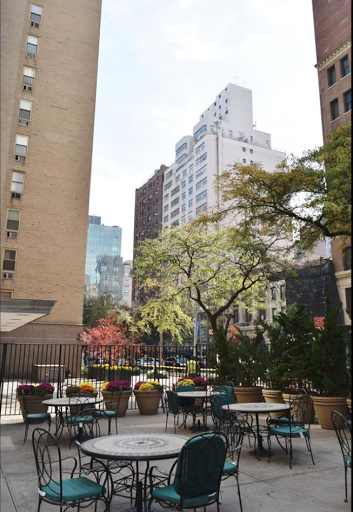
 Outdoor spaceOutdoor spaces are important for seniors as they provide opportunities for physical activity, social interaction, exposure to natural light and fresh air, and a sense of connection to nature. Having access to outdoor spaces can improve overall well-being and quality of life for older adults living in senior communities.
 Private bathroomsPrivate bathrooms are important for seniors in senior living communities because they provide independence, dignity, and comfort. Having a private bathroom allows seniors to maintain their personal hygiene routines without the need for assistance, promoting a sense of autonomy and privacy. Additionally, private bathrooms help prevent the spread of infections and provide a safe and clean environment for seniors to navigate safely.
 Restaurant-style diningRestaurant-style dining is important for seniors because it allows them to enjoy delicious, nutritious meals in a social and upscale setting. This enhances their dining experience, promotes healthy eating habits, and fosters socialization with fellow residents, ultimately contributing to their overall well-being and quality of life.
 Small librarySmall libraries are important for seniors as they provide access to a variety of reading materials, including books, newspapers, and magazines. This can help stimulate their minds, keep them engaged, and provide a sense of community through book clubs and other social activities. Additionally, reading has been shown to improve cognitive function and overall mental well-being in older adults.
 TelephoneTelephones are important for seniors as they provide a lifeline for communication with loved ones, emergency services, and healthcare providers. They offer a sense of security and independence, enabling seniors to stay connected and access assistance when needed.
 Wellness centerWellness centers are important for seniors because they offer a variety of programs and services that promote physical, mental, and emotional well-being. These centers provide opportunities for exercise, socialization, education, and relaxation, helping seniors maintain their overall health and quality of life.
 Wi-Fi/high-speed internet availableWi-Fi/high-speed internet is important for seniors to stay connected with loved ones, access online resources, and participate in virtual activities to combat feelings of loneliness and isolation. It also allows them to easily manage healthcare needs, access entertainment, and engage in lifelong learning opportunities.
 LaGuardia (4 miles away) Newark International (12 miles away) John F Kennedy International (13 miles away) Westchester Cty (24 miles away)
 Community operated transportationCommunity operated transportation is crucial for seniors as it provides them with the means to access essential services, social activities, and medical appointments. It allows seniors to maintain their independence and quality of life by ensuring they can participate in activities outside of their homes. Additionally, community-operated transportation services offer a safe and reliable way for seniors to travel without having to rely on family or friends for assistance. Transportation arrangementTransportation arrangements are crucial for seniors as they may face challenges with driving, mobility, or access to public transportation. Having reliable transportation services ensures that seniors can easily attend appointments, social activities, and maintain their independence and quality of life. Transportation arrangement (non-medical)Transportation arrangements are essential for seniors as they provide access to essential services, activities, and social interactions outside the home. This service helps maintain independence, mobility, and overall well-being for seniors who may have limited transportation options. Transportation to doctors appointmentsTransportation to doctors appointments is crucial for seniors as it ensures they have access to necessary medical care and support, promoting their health and well-being. It allows them to receive timely treatment, monitor existing conditions, and address any new health concerns efficiently. Additionally, transportation services can help seniors maintain their independence and quality of life by enabling them to stay connected with their healthcare providers.
 12-16 hour nursing12-16 hour nursing care is crucial for seniors in order to ensure around-the-clock monitoring, timely medication administration, and prompt response to any health concerns or emergencies. This level of care helps to promote the overall well-being and safety of seniors living in senior living communities.
 24-hour call system24-hour call systems are important for seniors because they provide peace of mind and immediate assistance in case of emergencies. This technology ensures that help is always available, promoting safety and security for elderly individuals living alone or in assisted living facilities. 24-hour supervision24-hour supervision is important for seniors to ensure their safety, well-being, and access to immediate assistance in case of emergencies or health issues. This constant support provides peace of mind for both seniors and their loved ones, allowing them to age in place with dignity and security.
 Activities of daily living assistanceActivities of daily living assistance are important for seniors because they provide essential support with tasks such as eating, bathing, dressing, and mobility. This assistance helps seniors maintain their independence, dignity, and overall quality of life as they age.
 Assistance with bathingAssistance with bathing is crucial for seniors as it helps maintain personal hygiene, prevents infections, and ensures their overall well-being and comfort. It also provides a sense of dignity and independence for seniors who may struggle with this task on their own.
 Assistance with dressingAssistance with dressing is important for seniors because it helps maintain their independence, promotes personal hygiene, prevents accidents and injuries, and improves overall quality of life. This service ensures that seniors can continue to dress comfortably and confidently, despite any physical limitations they may have.
 Assistance with transfersAssistance with transfers is crucial for seniors as it helps prevent falls and injuries, maintains their independence, and ensures they can safely navigate their living environment. It also provides peace of mind for both seniors and their loved ones.
 Diabetes dietA diabetes diet is crucial for seniors as it helps manage blood sugar levels, reduce risks of complications, and improve overall health and well-being. By following a balanced and nutritious diet tailored to their specific needs, seniors can better control their diabetes and enhance their quality of life. Meal preparation and serviceMeal preparation and service are crucial for seniors as they may have limited mobility or energy to cook nutritious meals. Having access to healthy and convenient food options can ensure they are getting the proper nutrition needed to maintain their overall health and well-being.
 Medication managementMedication management is crucial for seniors to ensure they are taking the right medications at the correct dosages and times. This helps prevent adverse drug interactions, reduces the risk of medication errors, and promotes overall health and well-being. Proactive management also allows for adjustments as needed based on changing health conditions or new prescriptions.
 Mental wellness programMental wellness programs are essential for seniors as they promote cognitive stimulation, emotional support, and social engagement. These programs help prevent isolation, depression, and cognitive decline, ultimately enhancing the overall quality of life for older adults.
 Special dietary restrictionsSpecial dietary restrictions are important for seniors because age-related changes in metabolism and health conditions can make it difficult for their bodies to process certain foods. By following a diet tailored to their specific needs, seniors can maintain their overall health and well-being, manage chronic conditions, and reduce the risk of complications such as malnutrition or food interactions with medications. Diabetes dietA diabetes diet is crucial for seniors as it helps manage blood sugar levels, reduce risks of complications, and improve overall health and well-being. By following a balanced and nutritious diet tailored to their specific needs, seniors can better control their diabetes and enhance their quality of life. Special dietary restrictionsSpecial dietary restrictions are important for seniors because age-related changes in metabolism and health conditions can make it difficult for their bodies to process certain foods. By following a diet tailored to their specific needs, seniors can maintain their overall health and well-being, manage chronic conditions, and reduce the risk of complications such as malnutrition or food interactions with medications. Community-sponsored activitiesCommunity-sponsored activities are important for seniors as they provide opportunities for social interaction, mental stimulation, and physical activity. These activities can help improve overall well-being, combat loneliness and isolation, and promote a sense of belonging and purpose among older adults.
 Concierge servicesConcierge services are essential for seniors as they provide assistance with daily tasks and errands, enhance their quality of life by offering convenience and personalized care, and promote a sense of safety and security. Fitness programsFitness programs are crucial for seniors as they help improve strength, flexibility, balance, and overall well-being. Staying active can reduce the risk of chronic diseases, improve mental health, and enhance quality of life in older adults.
 Planned day tripsPlanned day trips are important for seniors because they offer opportunities for socialization, mental stimulation, and physical activity. They provide a change of scenery and help seniors stay engaged and connected to their community, promoting overall well-being and quality of life. Resident-run activitiesResident-run activities are important for seniors as they encourage social interaction, creativity, and a sense of autonomy. These activities empower seniors to stay engaged and active in their community while fostering meaningful connections with their peers. Scheduled daily activitiesScheduled daily activities are important for seniors because they provide structure, socialization, mental stimulation, and physical activity. Engaging in regular activities can improve overall well-being and quality of life for seniors living in a community setting.
The Upper East Side Rehabilitation And Nursing Center in New York, NY offers a range of amenities and care services to provide a comfortable and supportive environment for its residents. The community features a beauty salon, cable or satellite TV, community-operated transportation, a computer center, dining room, fitness room, gaming room, garden, housekeeping services, kitchenette, move-in coordination, outdoor space, private bathrooms, restaurant-style dining, small library, telephone access and Wi-Fi/high-speed internet.
In terms of care services, the community offers a 24-hour call system and supervision for round-the-clock assistance. There is also support available for activities of daily living such as bathing and dressing as well as transfers. The nursing center provides specialized care for individuals with diabetes with a dedicated diet. Assistance is provided with meal preparation and service along with medication management. A mental wellness program is offered to promote emotional well-being. Special dietary restrictions are accommodated in the dining options.
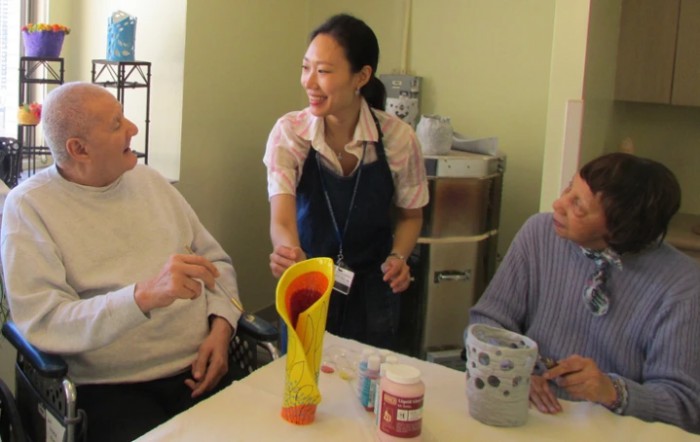
Residents can enjoy various activities organized by the community including fitness programs and planned day trips. Resident-run activities offer opportunities for socialization and engagement within the community. Scheduled daily activities ensure there is always something exciting happening.
Additionally, the nursing center's location offers convenient access to nearby amenities such as cafes, parks, pharmacies, physicians' offices, restaurants and places of worship. Transportation arrangements are available for non-medical needs as well as transportation to doctors' appointments.
Overall, the Upper East Side Rehabilitation And Nursing Center provides a comprehensive assisted living experience with a range of amenities and care services tailored to meet the unique needs of its residents while also providing opportunities for socialization and engagement within the broader community.
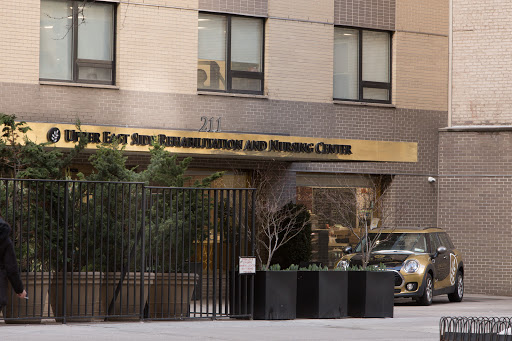
Upper East Side Rehabilitation And Nursing Center is located at 211 East 79 Street, New York, NY 10021 in New York County, New York
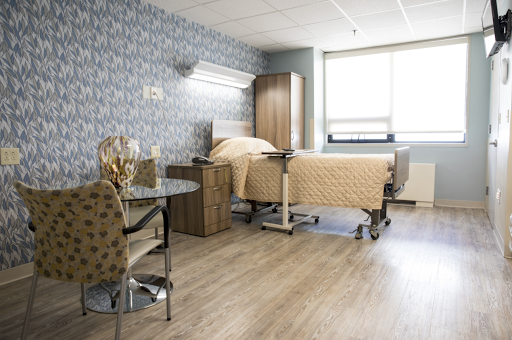
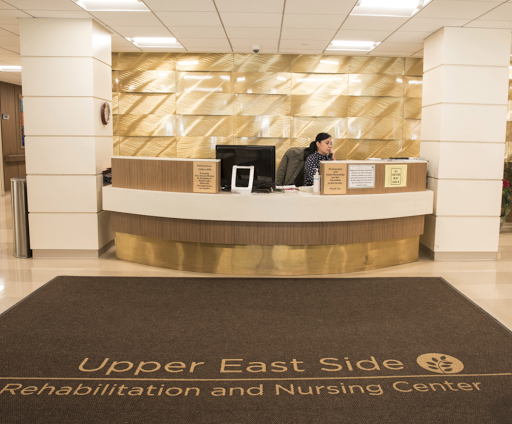
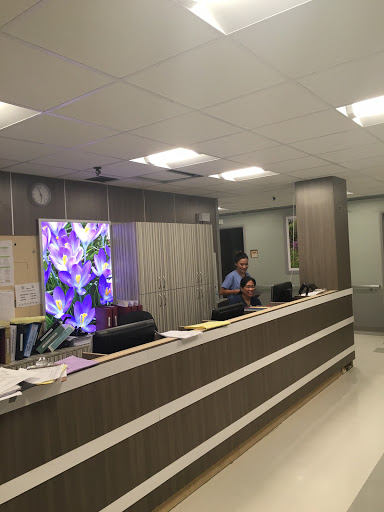
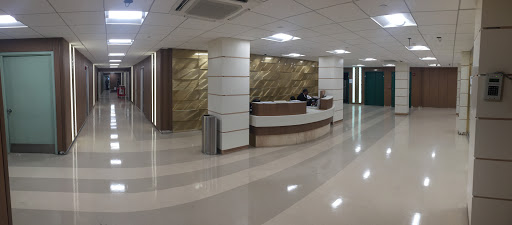
Upper East Side Rehabilitation And Nursing Center on seniors.fyi includes 11 photos including images showing interior, urban, office, reception, lighting, architecture, rehabilitation, outdoor, and more.

De Witt Nursing Home
New York, NY
Attentive rehab staff with effective therapies and recent renovations.
Absolutely There's No Place Like Home
New York, NY
Excellent access to parks, pharmacies, doctors, restaurants, transit, and other services nearby.
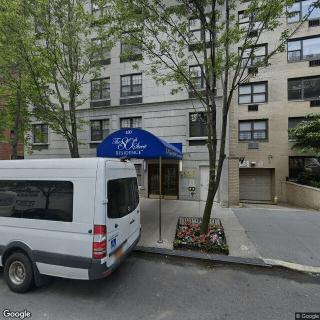
The 80th Street Residence
New York, NY
Strong staff engagement and consistent family communication.
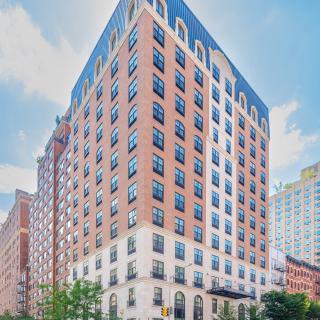
The Bristal
New York, NY
Multiple care options (Independent, Assisted Living, Memory Care) with extensive on-site amenities and activities.
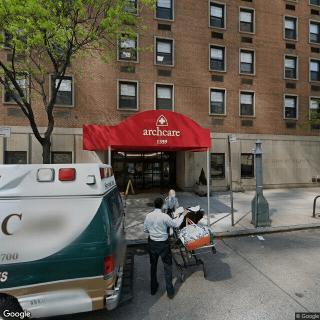
Mary Manning Walsh Nursing Home
New York, NY
Some positive rehab experiences and attentive staff in isolated cases.
Yorkville Gardens
New York, NY
On-site activities with specialized diabetic care and excellent access to nearby amenities (cafes, restaurants, pharmacies, hospitals, parks).

Coterie Hudson Yards
New York, NY
Exclusive luxury with top-tier dining, comprehensive medical care, and premier amenities.
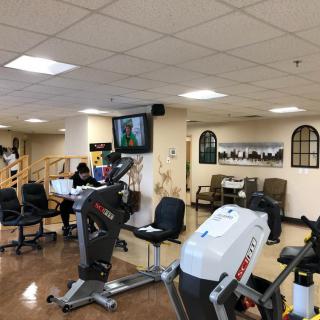
Hudson View Care & Rehab Ctr
North Bergen, NJ
Compassionate staff and strong rehab in a clean, comfortable setting.
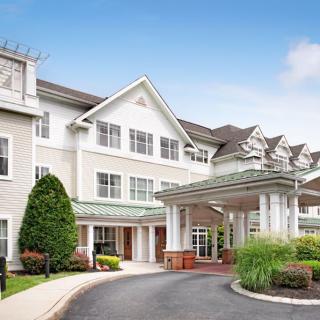
Sunrise of Edgewater
Edgewater, NJ
Caring staff with engaging activities and well-maintained facilities.
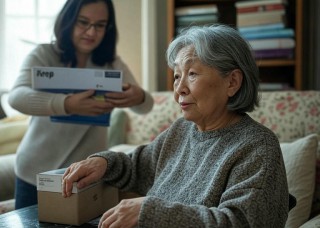 Exploring Nonmedical Home Care: Understanding Services, Costs, and Financial Approaches
Nonmedical home care provides assistance with daily activities and companionship for individuals wishing to maintain independence and quality of life at home, without medical intervention. Its growing popularity is driven by an aging population, the need for supportive environments for recovery, and the emotional benefits of caregiver companionship, while costs vary based on service frequency and location.
 Engaging Brain Games and Innovative Apps to Keep Senior Minds Active
Maintaining cognitive fitness through engaging in various brain games, both traditional and digital, is crucial for seniors as it enhances memory retention, problem-solving abilities, and emotional well-being while helping to protect against age-related decline. A holistic approach that includes diverse activities, physical exercise, a balanced diet, and social interaction further supports mental health and cognitive function.
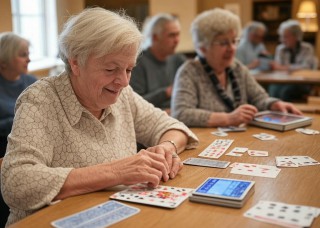 Effective Strategies for Keeping Seniors' Minds Active: A Deep Dive into Brain Games and Apps
The article outlines strategies for keeping seniors' minds active through brain games and apps, highlighting the importance of cognitive exercises, social engagement, and a healthy lifestyle in combating cognitive decline. It emphasizes the benefits of various types of games and offers practical tips for maintaining mental wellness through enjoyable activities while acknowledging their limitations.
Interior
Building
Architecture
Bedroom
Trees
Dining
Lighting
Lobby
Painting
Reception