Coler Rehabilitation And Nursing Care Center

Save

  • Outdoors

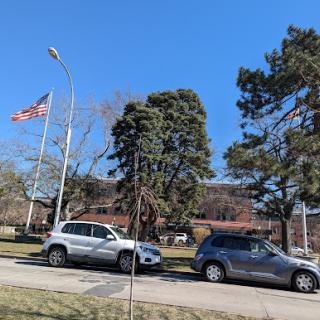
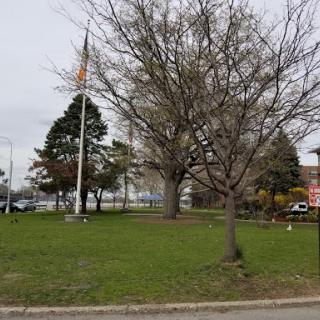
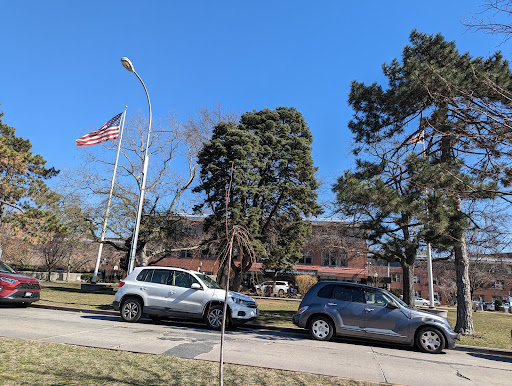
    A clear day featuring parked cars, a tall tree, and an American flag waving in the breeze.
  • Building

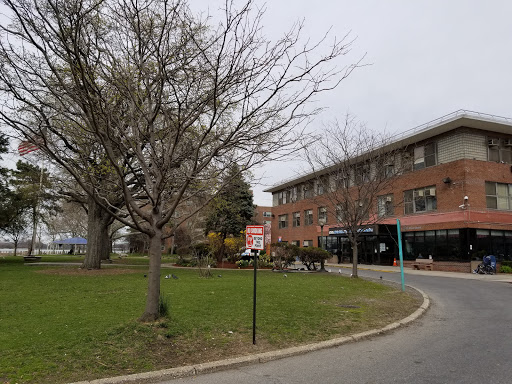
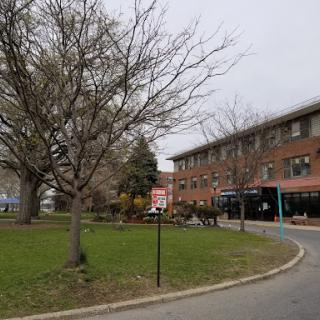
    A view of a building surrounded by trees and a winding road, indicating an urban park setting.
  • Architecture

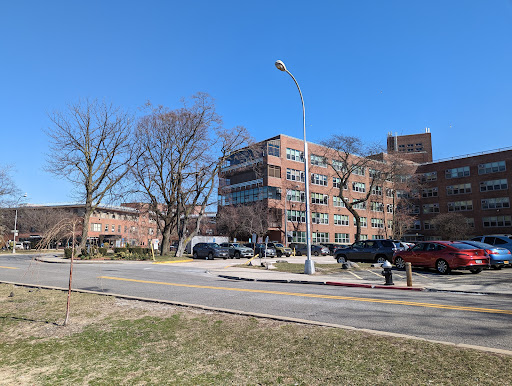
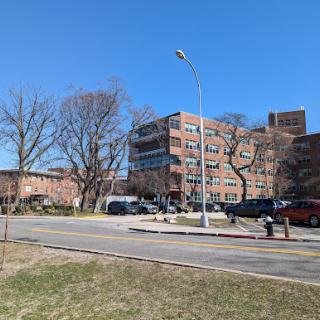
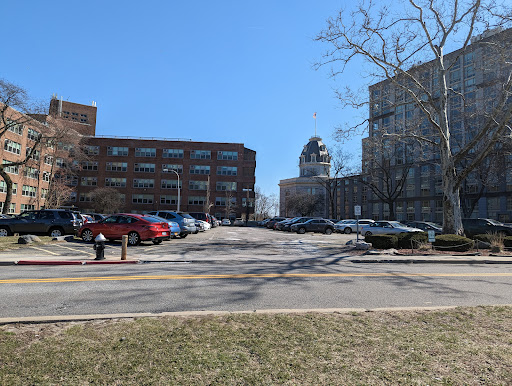
    A view of a multi-story building surrounded by bare trees and a parking area under a clear blue sky.
  • Trees

    A serene black and white view of a park with grass and trees, bordered by a fence.
  • Landscaping

    A tranquil park scene captured in black and white, showcasing silhouetted trees against an urban backdrop.
  • Entrance

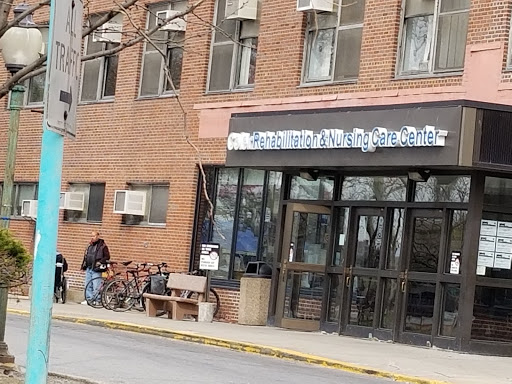
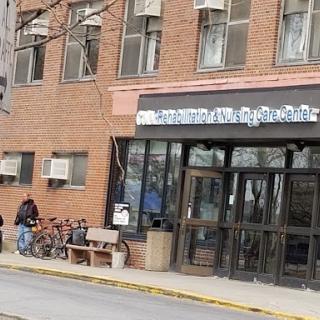
    A view of a brick building showcasing its entrance, bicycles parked outside, and a bench for seating.
  • Outdoor

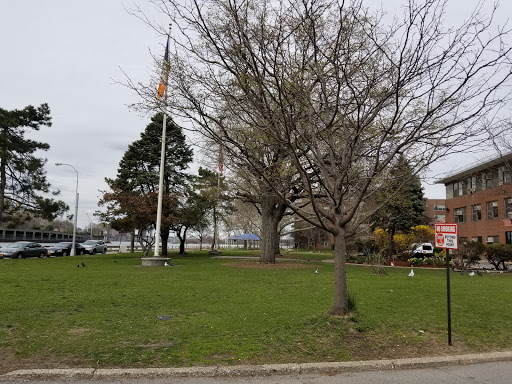
    A peaceful park setting featuring a flagpole and trees on a cloudy day.
  • Exterior

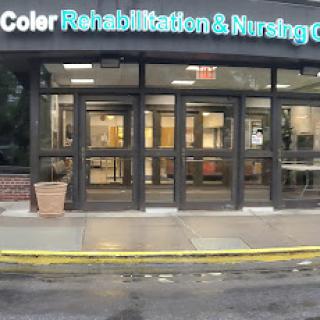
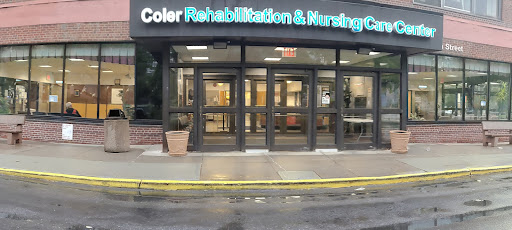
    Entrance of Coler Rehabilitation & Nursing Center.
  • Pathway

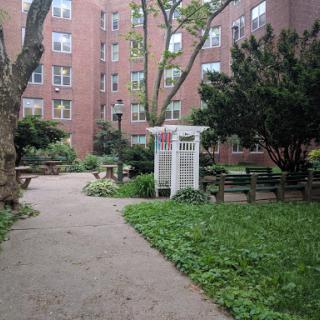
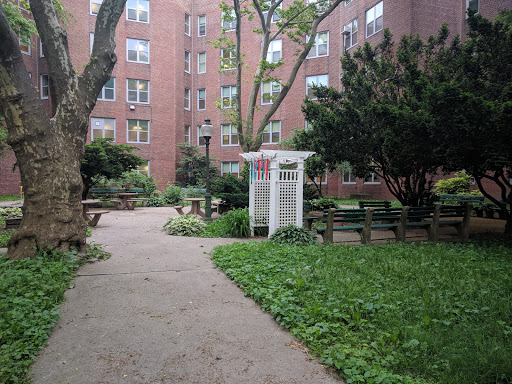
    A serene courtyard featuring a telephone booth, surrounded by residential buildings and lush greenery.
  • Urban

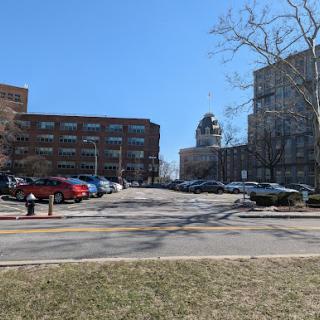
    A view of a parking lot surrounded by modern buildings under a clear blue sky.

Coler Rehabilitation And Nursing Care Center

900 Main Street, Roosevelt Island, NY 10044

For more information about senior living options: (844) 490-3973

3.3 from 41 reviews
5 stars
18
4 stars
4
3 stars
4
2 stars
3
1 stars
12

Skilled Nursing Facility

Overall Review of Coler Rehabilitation And Nursing Care Center

Pros

  • pro The staff brought the patient back to life.
  • pro The food was excellent and the nurses truly cared for the patient.
  • pro The nursing staff is amazing.
  • pro The staff braid residents' hair and polish their nails.
  • pro Coler is the place to be.
  • pro The service was amazing.
  • pro The staff went above and beyond.
  • pro The staff cared for Dan with compassion.

Cons

  • pro The room was very small, with four TVs and four people at arm's length, creating a claustrophobic, ward-like atmosphere.
  • pro Belongings were easily lost by ambulatory patients, and no one took responsibility for them.
  • pro Some patients on medication drooled and kept the TV volume loud, suggesting poor care or side effects.
  • pro There was no personal space anywhere in the facility.
  • pro The room was lit with very bright lamps that seemed to reveal every diaper change, which felt inappropriate.
  • pro The lighting was so harsh it felt like a solar eclipse and some reviewers felt blinded.
  • pro Phone time was severely restricted, with social workers used for every issue.
  • pro Dust was pervasive and ventilation inadequate, with visible lint in sunbeams.
  • pro Hygiene facilities were poor: only a restroom, one shower stall, and several open stalls, giving a prison-like feel.
  • pro Nurses sometimes failed to clean up after themselves; hair from patients could end up on bedside tables.
  • pro Security was unreliable, with a rude daytime guard.
  • pro The nursing home was described as horrible and unfit for a dying dog.
  • pro The mobile COVID testing unit personnel should be fired due to long waits, running out of swabs, and poor organization.
  • pro People were left waiting in the freezing cold for testing; staff delayed and did not collect contact information efficiently.
  • pro Dr Amin, the psychologist, was unprofessional and nosy, with poor communication.
  • pro The facility was drab, outdated, and had little accountability within the health system.
  • pro The heat was unbearable and there was extreme dust in the facility.

Review

This collection of experiences paints a complex and nuanced picture of life inside hospitals and long-term care facilities. On one hand, there is clear testament to lifesaving care, genuine kindness, and moments of humane, person-centered attention that bring comfort to patients and relief to worried families. On the other hand, there are persistent critiques about cramped and impersonal spaces, inconsistent routines, and administrative hurdles that can turn a difficult time into an exhausting ordeal. Taken together, the voices reveal a care system that can be extraordinary in its compassion yet flawed in its design and execution.

One of the strongest threads is the gratitude and emotional impact of the care itself. A patient recalls being brought back to life thanks to the staff, with the food described as excellent and the nurses as truly caring. A Honduran nurse - an especially vivid memory - told the patient "catracho no llora." The speaker expresses a deep wish to find that nurse again and personally thank her, illustrating how singular acts of empathy can leave an enduring impression even amid a crisis. Across accounts, there is a repeated emphasis on staff who connect with residents as people, who braid hair, polish nails, and treat dementia with dignity rather than as a correctional or purely clinical problem. In particular, some reviewers celebrate facilities like Coler for offering warmth, respect, and genuine attention to residents' humanity, even as they acknowledge the challenges of the environment.

The physical environment and its impact on daily life emerge as a prominent point of contention. Rooms described as very small and crowded - four beds, four televisions, all within arm's reach - create a sensory overload that some feel resembles a psychiatric ward rather than a peaceful care setting. The presence of multiple TVs, bright or harsh lighting, and a lack of personal space contributes to a sense of being almost constantly on display. There are also practical frustrations: ambulatory patients who move around and the potential for items to go missing without accountability; rooms where the door to privacy seems perpetually open; and bathrooms or restrooms that feel more like communal spaces than private facilities. The lighting is singled out as especially problematic - bright, sensitive lamps that can feel like a spotlight for nurses at times, and some patients describe temporary visual discomfort or even a sense of being blinded by the glare.

Hygiene and facility maintenance are additional recurring concerns. Dust is frequently mentioned, with some reviewers noting it is especially visible in sunbeams, suggesting underlying cleanliness or ventilation issues. Laundry practices are implied to contribute to a dusty or starch-laden environment, and there is criticism of open, utilitarian bathroom layouts that lack enclosed privacy. Hair care and general grooming are described as tasks that nurses perform for residents, yet there is also worry about how well basic cleanliness is maintained - hair removed from patients' heads ending up on bedside tables, and situations where towels and sheets are changed daily while other cleanliness standards feel inconsistent. The overall impression is of a facility doing its best with resource constraints, but where lapses in routine hygiene and privacy undermine comfort.

Despite these criticisms, some reviews highlight moments of exceptional care and positive, even joyful, experiences. A mother with dementia is described as receiving phenomenal care: staff do not overmedicate, they treat her with respect whether the family is present or not, braid her hair, and keep her well-groomed and dressed. The sense of stability and kindness in these moments is strong enough to contrast with the more critical notes, underscoring that quality care can coexist with systemic shortcomings. The sentiment "Coler is the place to be" captures this dual reality - a facility that can feel like a haven for those who experience compassionate, attentive staff, even as others encounter a more challenging day-to-day environment.

There are also pointed criticisms about security and administration. One account describes a large NYC nursing home where the daytime security guard is extraordinarily rude, particularly when someone asks to use the toilet near the entrance. The guard's refusal and the decision to blame the "virus" for not accommodating a guest's basic needs are described as increasing tension rather than resolving it. Another reviewer harshly condemns a nursing home, saying they wouldn't even entrust a dying dog to the place, exposing a stark dissatisfaction with overall management, safety, and atmosphere. The presence of roaming cats adds a strange degree of chaos for some residents, further illustrating how a facility's ambiance can feel unregulated or disorganized.

The experiences with mobile health services and systemic processes are a further point of critique. A Mobile COVID Testing & Vaccination Unit is described as inefficient and frustrating: long waits in the cold, running out of swabs, and a disorganized approach to calling people back. The process of taking down names slowly, pausing for lunch, and then asking exhausted elderly people to wait long periods underscores how essential public health services must be organized to respect time, dignity, and safety, especially for vulnerable populations. In contrast, other testimonials recount personal stories of resilience and appreciation for compassionate care, suggesting that improvements in logistics can make a meaningful difference in how patients experience care.

Amidst the varied assessments, there are deeply human moments that transcend the day-to-day challenges of care delivery. One patient recounts the experience of visiting a beloved friend during the spring and summer of 2018, describing how they could wheel Dan outside to enjoy the sunshine and fresh air - an act that reaffirmed personhood, connection, and quality of life even in the face of illness and end-of-life realities. Those moments of outdoor time and familial support stand out as reminders of what good care can look like when staff balance medical needs with emotional and social well-being.

Overall, the narrative here presents a landscape of care that is as much about people as it is about rooms and routines. Compassionate staff, moments of dignity and respect, and the capacity to make meaningful connections shine through in many accounts. Yet the same stories also illuminate significant issues: cramped living spaces, perceived gaps in privacy and cleanliness, inconsistent staffing, and administrative inefficiencies that can undermine comfort and trust. The result is a multifaceted portrait of care facilities where grace and deficiency often share the same walls, and where the quality of experience depends as much on individual caregivers and moments of engagement as on policy or infrastructure.

Features

Housing

  • 815 resident community capacity 815 resident community capacity

Types of Care

  • Skilled Nursing Facility Skilled Nursing FacilitySkilled Nursing Facilities are crucial for seniors as they provide round-the-clock medical care, rehabilitation services, and assistance with daily activities. These facilities ensure that seniors receive the specialized care they need to maintain their health and well-being as they age.

Amenities

  • Air-conditioning Air-conditioningAir conditioning is important for seniors as they are more vulnerable to heat-related illnesses and may have underlying health conditions that make it difficult for them to regulate their body temperature. It helps to keep them comfortable, safe, and healthy in hot weather.
  • Beauty salon Beauty salonBeauty salons are important for seniors because they provide a space for them to feel pampered, socialize, and maintain their personal grooming and hygiene. Regular visits to a beauty salon can help boost seniors' self-esteem and overall well-being.
  • Cable or satellite TV Cable or satellite TVCable or satellite TV is important for seniors because it provides entertainment, news, and companionship, helping to combat loneliness and boredom. It also offers a wide range of programming options tailored to different interests and preferences.
  • Computer center Computer centerA computer center is essential for seniors as it provides access to technology, communication tools, and resources that can enhance their daily lives. It allows them to stay connected with loved ones, engage in online activities, and learn new skills, ultimately promoting socialization and mental stimulation.
  • Dining room Dining roomDining rooms are important for seniors as they provide a space for socialization, connection, and nutritious meals. They offer opportunities for residents to bond over shared meals, foster a sense of community, and promote healthy eating habits. Dining rooms also ensure that seniors have access to well-balanced meals tailored to their dietary needs and preferences.
  • Fitness room Fitness roomHaving a fitness room in a senior living community is essential for seniors to stay active, maintain their physical health, and improve their overall well-being. Regular exercise can help prevent falls, reduce the risk of chronic diseases, and promote mental sharpness. It also provides social opportunities for residents to connect with others and enjoy a sense of community.
  • Fully furnished Fully furnishedFully furnished senior living communities are important for seniors because they provide convenience, comfort, and a hassle-free moving experience. Seniors can easily settle into their new living space without the stress of having to buy and move furniture. This allows them to focus on enjoying their new home and community.
  • Gaming room Gaming roomGaming rooms are important for seniors as they provide a fun and engaging environment for socializing, cognitive stimulation, and physical activity. Games can improve memory, problem-solving skills, and overall mental well-being while fostering friendships and reducing feelings of isolation.
  • Garden GardenGardens are important for seniors as they provide a peaceful and therapeutic environment for relaxation, physical activity, and socialization. Being in nature has been shown to reduce stress, improve mood, and promote overall well-being. Gardens also offer opportunities for seniors to engage in gardening activities, which can improve mobility, flexibility, and cognitive function. Additionally, gardens create a sense of community and connection with others who share a passion for plants and outdoor spaces.
  • Housekeeping services Housekeeping servicesHousekeeping services are important for seniors because they help maintain a clean and safe living environment, promote independence, and reduce the risk of accidents or illnesses. Additionally, having assistance with household chores can alleviate physical strain and allow seniors to focus on other aspects of their well-being.
  • Kitchenette KitchenetteKitchenettes are important for seniors living in senior living communities because they provide the convenience and independence of being able to prepare simple meals and snacks in the comfort of their own living space. This can help promote a sense of autonomy and well-being for seniors, allowing them to maintain some level of control over their dietary choices and daily routines.
  • Move-in coordination Move-in coordinationMove-in coordination is important for seniors because it helps ease the transition into their new living environment. It ensures that all logistics, such as packing, organizing movers, and setting up utilities are taken care of, allowing seniors to focus on settling in and adjusting to their new home. Having a smooth move-in process can alleviate stress and anxiety, making the transition smoother and more enjoyable for seniors.
  • Outdoor space Outdoor spaceOutdoor spaces are important for seniors as they provide opportunities for physical activity, social interaction, exposure to natural light and fresh air, and a sense of connection to nature. Having access to outdoor spaces can improve overall well-being and quality of life for older adults living in senior communities.
  • Private bathrooms Private bathroomsPrivate bathrooms are important for seniors in senior living communities because they provide independence, dignity, and comfort. Having a private bathroom allows seniors to maintain their personal hygiene routines without the need for assistance, promoting a sense of autonomy and privacy. Additionally, private bathrooms help prevent the spread of infections and provide a safe and clean environment for seniors to navigate safely.
  • Restaurant-style dining Restaurant-style diningRestaurant-style dining is important for seniors because it allows them to enjoy delicious, nutritious meals in a social and upscale setting. This enhances their dining experience, promotes healthy eating habits, and fosters socialization with fellow residents, ultimately contributing to their overall well-being and quality of life.
  • Small library Small librarySmall libraries are important for seniors as they provide access to a variety of reading materials, including books, newspapers, and magazines. This can help stimulate their minds, keep them engaged, and provide a sense of community through book clubs and other social activities. Additionally, reading has been shown to improve cognitive function and overall mental well-being in older adults.
  • Telephone TelephoneTelephones are important for seniors as they provide a lifeline for communication with loved ones, emergency services, and healthcare providers. They offer a sense of security and independence, enabling seniors to stay connected and access assistance when needed.
  • Wellness center Wellness centerWellness centers are important for seniors because they offer a variety of programs and services that promote physical, mental, and emotional well-being. These centers provide opportunities for exercise, socialization, education, and relaxation, helping seniors maintain their overall health and quality of life.
  • Wi-Fi/high-speed internet available Wi-Fi/high-speed internet availableWi-Fi/high-speed internet is important for seniors to stay connected with loved ones, access online resources, and participate in virtual activities to combat feelings of loneliness and isolation. It also allows them to easily manage healthcare needs, access entertainment, and engage in lifelong learning opportunities.

Transportation

  • LaGuardia (4 miles away) LaGuardia (4 miles away)
  • John F Kennedy International (12 miles away) John F Kennedy International (12 miles away)
  • Newark International (13 miles away) Newark International (13 miles away)
  • Westchester Cty (24 miles away) Westchester Cty (24 miles away)
  • Community operated transportation Community operated transportationCommunity operated transportation is crucial for seniors as it provides them with the means to access essential services, social activities, and medical appointments. It allows seniors to maintain their independence and quality of life by ensuring they can participate in activities outside of their homes. Additionally, community-operated transportation services offer a safe and reliable way for seniors to travel without having to rely on family or friends for assistance.
  • Transportation arrangement Transportation arrangementTransportation arrangements are crucial for seniors as they may face challenges with driving, mobility, or access to public transportation. Having reliable transportation services ensures that seniors can easily attend appointments, social activities, and maintain their independence and quality of life.
  • Transportation arrangement (non-medical) Transportation arrangement (non-medical)Transportation arrangements are essential for seniors as they provide access to essential services, activities, and social interactions outside the home. This service helps maintain independence, mobility, and overall well-being for seniors who may have limited transportation options.
  • Transportation to doctors appointments Transportation to doctors appointmentsTransportation to doctors appointments is crucial for seniors as it ensures they have access to necessary medical care and support, promoting their health and well-being. It allows them to receive timely treatment, monitor existing conditions, and address any new health concerns efficiently. Additionally, transportation services can help seniors maintain their independence and quality of life by enabling them to stay connected with their healthcare providers.

Care Services

  • 12-16 hour nursing 12-16 hour nursing12-16 hour nursing care is crucial for seniors in order to ensure around-the-clock monitoring, timely medication administration, and prompt response to any health concerns or emergencies. This level of care helps to promote the overall well-being and safety of seniors living in senior living communities.
  • 24-hour call system 24-hour call system24-hour call systems are important for seniors because they provide peace of mind and immediate assistance in case of emergencies. This technology ensures that help is always available, promoting safety and security for elderly individuals living alone or in assisted living facilities.
  • 24-hour supervision 24-hour supervision24-hour supervision is important for seniors to ensure their safety, well-being, and access to immediate assistance in case of emergencies or health issues. This constant support provides peace of mind for both seniors and their loved ones, allowing them to age in place with dignity and security.
  • Activities of daily living assistance Activities of daily living assistanceActivities of daily living assistance are important for seniors because they provide essential support with tasks such as eating, bathing, dressing, and mobility. This assistance helps seniors maintain their independence, dignity, and overall quality of life as they age.
  • Assistance with bathing Assistance with bathingAssistance with bathing is crucial for seniors as it helps maintain personal hygiene, prevents infections, and ensures their overall well-being and comfort. It also provides a sense of dignity and independence for seniors who may struggle with this task on their own.
  • Assistance with dressing Assistance with dressingAssistance with dressing is important for seniors because it helps maintain their independence, promotes personal hygiene, prevents accidents and injuries, and improves overall quality of life. This service ensures that seniors can continue to dress comfortably and confidently, despite any physical limitations they may have.
  • Assistance with transfers Assistance with transfersAssistance with transfers is crucial for seniors as it helps prevent falls and injuries, maintains their independence, and ensures they can safely navigate their living environment. It also provides peace of mind for both seniors and their loved ones.
  • Diabetes diet Diabetes dietA diabetes diet is crucial for seniors as it helps manage blood sugar levels, reduce risks of complications, and improve overall health and well-being. By following a balanced and nutritious diet tailored to their specific needs, seniors can better control their diabetes and enhance their quality of life.
  • Meal preparation and service Meal preparation and serviceMeal preparation and service are crucial for seniors as they may have limited mobility or energy to cook nutritious meals. Having access to healthy and convenient food options can ensure they are getting the proper nutrition needed to maintain their overall health and well-being.
  • Medication management Medication managementMedication management is crucial for seniors to ensure they are taking the right medications at the correct dosages and times. This helps prevent adverse drug interactions, reduces the risk of medication errors, and promotes overall health and well-being. Proactive management also allows for adjustments as needed based on changing health conditions or new prescriptions.
  • Mental wellness program Mental wellness programMental wellness programs are essential for seniors as they promote cognitive stimulation, emotional support, and social engagement. These programs help prevent isolation, depression, and cognitive decline, ultimately enhancing the overall quality of life for older adults.
  • Special dietary restrictions Special dietary restrictionsSpecial dietary restrictions are important for seniors because age-related changes in metabolism and health conditions can make it difficult for their bodies to process certain foods. By following a diet tailored to their specific needs, seniors can maintain their overall health and well-being, manage chronic conditions, and reduce the risk of complications such as malnutrition or food interactions with medications.

Dining

  • Diabetes diet Diabetes dietA diabetes diet is crucial for seniors as it helps manage blood sugar levels, reduce risks of complications, and improve overall health and well-being. By following a balanced and nutritious diet tailored to their specific needs, seniors can better control their diabetes and enhance their quality of life.
  • Special dietary restrictions Special dietary restrictionsSpecial dietary restrictions are important for seniors because age-related changes in metabolism and health conditions can make it difficult for their bodies to process certain foods. By following a diet tailored to their specific needs, seniors can maintain their overall health and well-being, manage chronic conditions, and reduce the risk of complications such as malnutrition or food interactions with medications.

Activities

  • Community-sponsored activities Community-sponsored activitiesCommunity-sponsored activities are important for seniors as they provide opportunities for social interaction, mental stimulation, and physical activity. These activities can help improve overall well-being, combat loneliness and isolation, and promote a sense of belonging and purpose among older adults.
  • Concierge services Concierge servicesConcierge services are essential for seniors as they provide assistance with daily tasks and errands, enhance their quality of life by offering convenience and personalized care, and promote a sense of safety and security.
  • Fitness programs Fitness programsFitness programs are crucial for seniors as they help improve strength, flexibility, balance, and overall well-being. Staying active can reduce the risk of chronic diseases, improve mental health, and enhance quality of life in older adults.
  • Planned day trips Planned day tripsPlanned day trips are important for seniors because they offer opportunities for socialization, mental stimulation, and physical activity. They provide a change of scenery and help seniors stay engaged and connected to their community, promoting overall well-being and quality of life.
  • Resident-run activities Resident-run activitiesResident-run activities are important for seniors as they encourage social interaction, creativity, and a sense of autonomy. These activities empower seniors to stay engaged and active in their community while fostering meaningful connections with their peers.
  • Scheduled daily activities Scheduled daily activitiesScheduled daily activities are important for seniors because they provide structure, socialization, mental stimulation, and physical activity. Engaging in regular activities can improve overall well-being and quality of life for seniors living in a community setting.

Description

Coler Rehabilitation And Nursing Care Center is a top-tier assisted living community located in the picturesque Roosevelt Island, NY. Our community provides a comfortable and fulfilling lifestyle for seniors seeking support with daily activities and health management.

Our extensive amenities guarantee a well-rounded experience. Residents can enjoy pampering themselves at our beauty salon or staying entertained with cable or satellite TV in their fully furnished private rooms. Our computer center allows residents to stay connected with their loved ones, while our small library offers a peaceful retreat for book lovers. For outdoor enthusiasts, our garden and outdoor space provide the perfect setting to relax and unwind.

We understand the importance of maintaining an active lifestyle, and that's why we offer various activities such as fitness programs and scheduled daily activities to keep our residents engaged and socially connected. Additionally, our concierge services ensure that residents have access to all the resources they need to make their stay enjoyable.

At Coler Rehabilitation And Nursing Care Center, we prioritize the well-being of our residents. Our 24-hour call system and supervision ensure that assistance is always available when needed. Our dedicated staff provides assistance with daily activities such as bathing, dressing, and transfers. We also offer specialized care for individuals with diabetes through our carefully planned meal preparation and service.

Medication management is another important aspect of our care services, ensuring that residents receive their medications on time and in the correct dosage. Our mental wellness program focuses on promoting emotional health by providing the necessary support and resources.

Nutrition is vital for overall health, which is why we cater to special dietary restrictions. Our restaurant-style dining offers delicious meals prepared by our talented culinary team who are skilled at accommodating various dietary needs.

Convenience is key at Coler Rehabilitation And Nursing Care Center as we provide transportation arrangements for non-medical purposes as well as transportation to doctors' appointments. Move-in coordination ensures a smooth transition into our community.

With nearby amenities such as cafes, parks, pharmacies, restaurants, and places of worship, our residents have easy access to everything they need. For medical emergencies, hospitals and physicians are just a short distance away.

Experience the exceptional care and vibrant lifestyle at Coler Rehabilitation And Nursing Care Center on Roosevelt Island. We are committed to providing a nurturing and supportive environment for all our residents.

Nearby Places of Interest

Parks

  • Carl Schurz Dog Run (0.3 miles)
  • Carl Schurz Park (0.4 miles)
  • Rainey Park (0.5 miles)
  • Astoria Park (0.8 miles)
  • Central Park Mall (1.6 miles)
  • Sheep Meadow (1.7 miles)
  • Strawberry Fields (1.8 miles)

Pharmacies

  • Duane Reade (0.4 miles)
  • CVS Pharmacy (0.6 miles)
  • Duane Reade (0.7 miles)
  • CVS Pharmacy (0.7 miles)
  • CVS Pharmacy (0.8 miles)
  • Duane Reade (1 miles)
  • Duane Reade (1.2 miles)

Physicians

  • David H. Koch Center for Cancer Care at Memorial Sloan Kettering Cancer Center (0.5 miles)
  • Memorial Sloan Kettering Cancer Center (0.8 miles)
  • Cummings, Allegra Weill Cornell Medicine Obstetrics and Gynecology (2.2 miles)

Transportation

  • MTA Subway - 72nd St (0.9 miles)
  • MTA Subway - 86th St (1 miles)
  • MTA Subway - 21st St/Queensbridge (1.1 miles)
  • MTA - Queens Plaza South Subway Station (1.4 miles)
  • MTA Subway - Lexington Ave/59th St (1.4 miles)
  • MTA - 116th Street Subway Station (2.2 miles)
  • MTA Subway - 125th St (2.4 miles)

Hospitals

  • Metropolitan Hospital Center (1 miles)
  • Manhattan Psychiatric Center (1.5 miles)
  • Bellevue Hospital Center (2.8 miles)
  • VA Medical Center (3 miles)

Restaurants

  • Ikraveit Foods (1 miles)
  • The Loeb Boathouse (1.4 miles)
  • Le Pain Quotidien (1.7 miles)
  • Sarabeth's (1.8 miles)
  • Tavern on the Green (1.9 miles)
  • La Grande Boucherie (2.1 miles)
  • Harlem Kebab Grill (2.6 miles)

Cafes

  • Ralph’s Café (1.2 miles)
  • Pier I Cafe (2.5 miles)
  • Starbucks (2.6 miles)
  • Matchaful (3.2 miles)

Places of Worship

  • St. Patrick's Cathedral (2 miles)

Theaters

  • AMC Loews Lincoln Square 13 (2.1 miles)
  • AMC Kips Bay 15 (2.6 miles)
  • AMC 34th Street 14 (3 miles)

Frequently Asked Questions

Where is Coler Rehabilitation And Nursing Care Center?
What photos are available for Coler Rehabilitation And Nursing Care Center in Roosevelt Island, New York?

Nearby Communities

Related Resources

  • nursing home costsA Detailed Examination of Nursing Home Costs Across the U.S.
    Nursing home care costs in the U.S. vary significantly based on location, level of care, and amenities, with private room prices ranging from approximately $6,700 to over $30,000 monthly. Families need to explore various payment options and conduct thorough research to manage these expenses effectively.

  • non medical home careExploring Nonmedical Home Care: Understanding Services, Costs, and Financial Approaches

    Nonmedical home care provides assistance with daily activities and companionship for individuals wishing to maintain independence and quality of life at home, without medical intervention. Its growing popularity is driven by an aging population, the need for supportive environments for recovery, and the emotional benefits of caregiver companionship, while costs vary based on service frequency and location.

  • brain games for seniorsEngaging Brain Games and Innovative Apps to Keep Senior Minds Active

    Maintaining cognitive fitness through engaging in various brain games, both traditional and digital, is crucial for seniors as it enhances memory retention, problem-solving abilities, and emotional well-being while helping to protect against age-related decline. A holistic approach that includes diverse activities, physical exercise, a balanced diet, and social interaction further supports mental health and cognitive function.