The Wartburg Home

Save

  • Outdoors

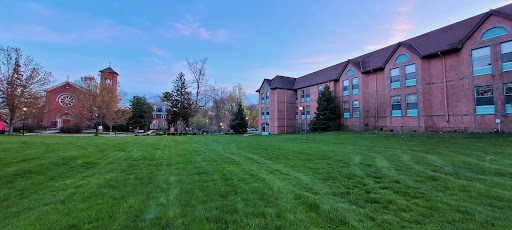
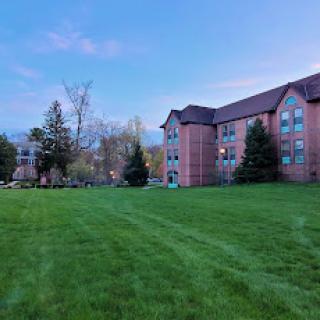
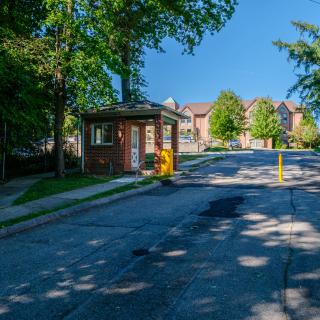
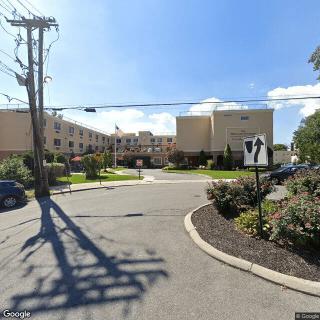
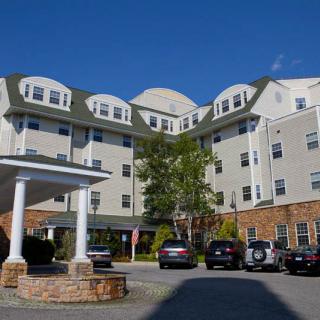
    A peaceful view of a brick apartment building surrounded by lush green grass and trees under a clear sky.
  • Building

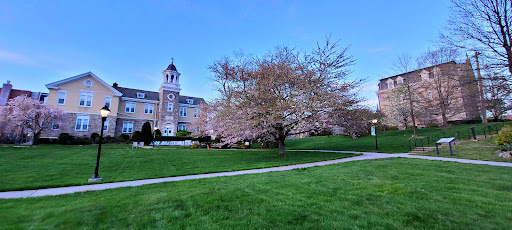
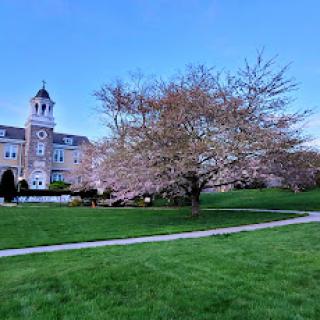
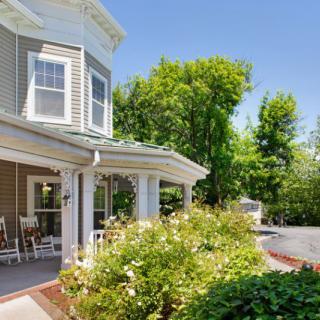
    A picturesque scene featuring a historic building surrounded by blooming trees and lush green grass under a clear blue sky.
  • Architecture

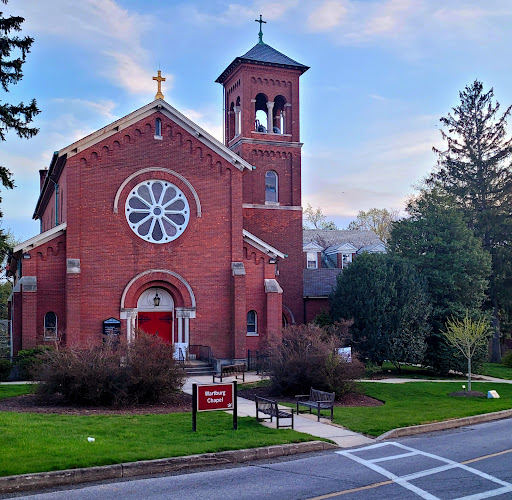
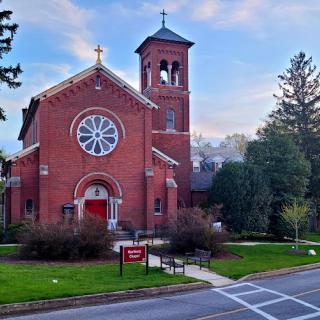
    A beautiful brick church with a bell tower set against a serene landscape.
  • Trees

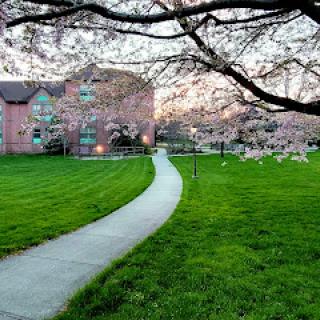
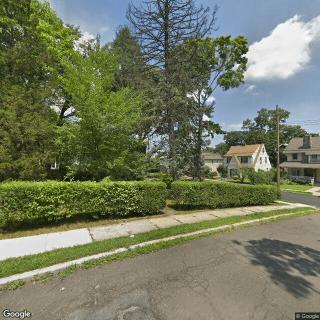
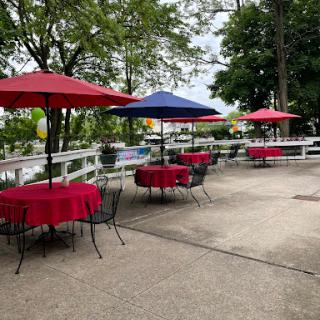
    A serene pathway winding through a lush green park, framed by blooming trees and a tranquil building in the background.
  • Landscaping

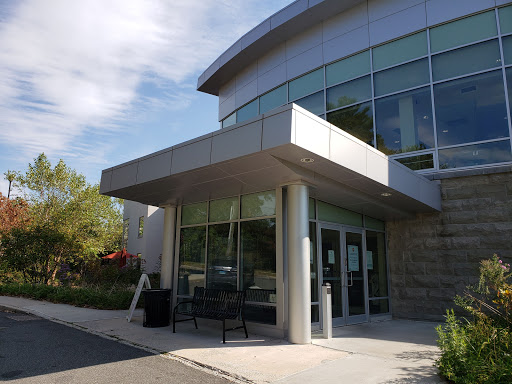
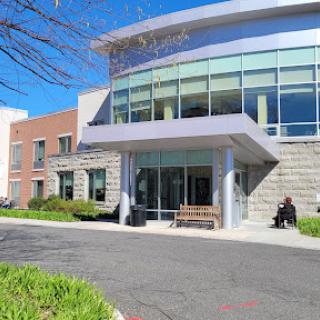
    A modern architectural structure featuring a glass entrance.
  • Outdoor

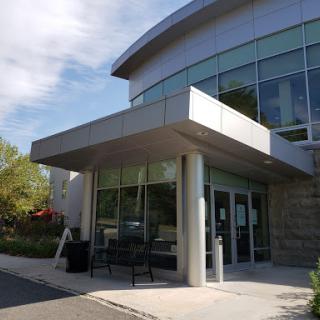
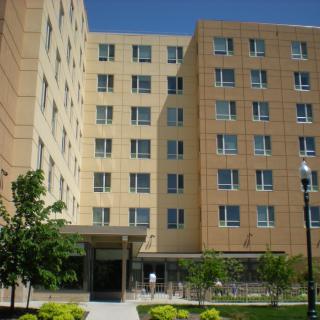
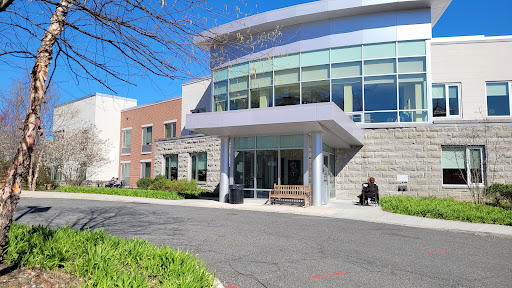
    A modern building with large glass windows and a welcoming entrance.
  • Grass

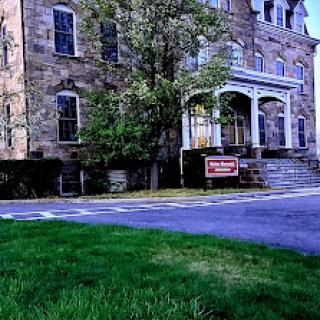
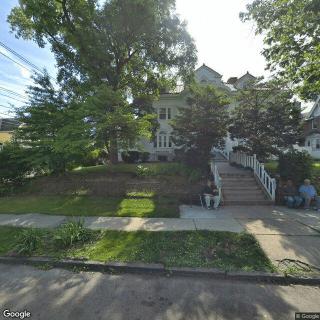
    A historic stone building featuring a grand entrance and well-maintained front yard.
  • Office

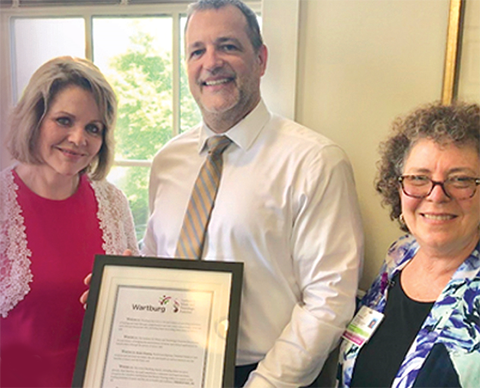
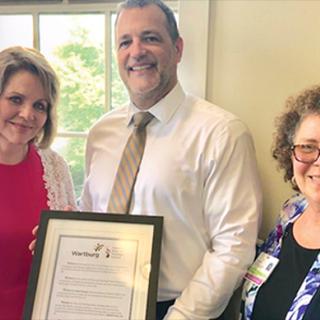
    A group of three individuals proudly displaying a certificate during a celebratory moment in an office setting.

The Wartburg Home

Bradley Avenue, Mount Vernon, NY 10552

For more information about senior living options: (844) 490-3973

4.2 from 100 reviews
5 stars
76
4 stars
5
3 stars
1
2 stars
2
1 stars
16

Skilled Nursing Facility

Overall Review of The Wartburg Home

Pros

  • pro The Wartburg staff are knowledgeable and compassionate professionals, delivering care that helps residents thrive and feel happy.
  • pro The care provided is excellent, giving families confidence and peace of mind that their loved ones are well cared for.
  • pro The Wartburg is a beautiful campus with clean facilities and private, spacious rooms.
  • pro Aides on the rehab floor are praised as the stars of Wartburg, known for their pleasantness, humor, and friendliness.
  • pro Wartburg is regarded as a first-rate, caring facility for the elderly.
  • pro Tours and admissions experiences are thorough and positive, leaving visitors with an excellent impression.
  • pro The center's atmosphere is warm and welcoming, and it engages the community through well-organized family events.
  • pro Families describe Wartburg as a godsend and the only option they would consider for their loved ones.

Cons

  • pro The November 2022 rehab at Wartburg was described as a nightmare.
  • pro A family member could not contact their relative for three weeks, and a staff member allegedly hung up when asked for the name to spell it.
  • pro The care was criticized for incorrectly inserted and dirty Foley catheters.
  • pro The facility allegedly allowed the relative to fall multiple times in one week due to lack of supervision.
  • pro They reported unwitnessed falls, including one that resulted in hospitalization and another after return, indicating serious safety concerns.
  • pro They advised looking elsewhere for care and described the experience as upsetting.

Review

Wartburg's campus, home to rehabilitation, adult day programs, assisted living, and memory care, elicits a broad spectrum of experiences from families and community members. Some voices speak to a nightmare of November 2022 in the rehab setting, describing a nightmarish period that left a relative hard to reach and a sense that communication was breaking down. In one instance a caller, aging and in a different state, described a staff member hanging up after being asked for the name and spelling of a person who answered the phone, and expressed fear for a relative who consistently seems happy to hear from the outside world. These stories highlight the fragility of care coordination and the distress that families feel when they cannot verify a loved one's daily wellbeing or speak directly with caregivers.

There are equally explicit concerns about safety and medical care: a grandmother who spent time in Wartburg's rehab reportedly experienced multiple unwitnessed falls, with some incidents resulting in hospital visits for injuries like a broken arm. Families described issues such as improperly inserted and dirty catheters (Foley catheters), a pattern of insufficient supervision, and recurring cuts and bruises with poorly managed bandaging. These accounts cast a shadow over the care environment and prompt warnings to other families to scrutinize care closely and consider alternatives if safety and oversight are perceived as lacking. The recurring theme here is a plea for accountability and more vigilant supervision to prevent avoidable harm.

Against these cautionary notes sit a chorus of deeply positive assessments that illuminate the other side of Wartburg's story. Several reviews commend the long-term care experience, noting that loved ones have found real comfort and happiness in Wartburg over extended periods. For some families, the transition to Wartburg's facilities has meant peace of mind, with residents described as happy, relaxed, and well cared for in a setting that feels secure and warm. The Wartburg Adult Day Program earns frequent praise for its staff, described as knowledgeable, compassionate, and genuinely invested in the well-being and thriving of participants. In these accounts, the care team's kindness and professionalism are repeatedly highlighted as a source of confidence for families who rely on Wartburg to support daily living and activity.

The on-site staff emerge repeatedly as the heart of Wartburg's appeal. Comments lauding the aides and nursing staff as "the stars" of the rehab facility, and as embodying a blend of expertise and empathy, run through several reviews. Individual staff members - names appear in gratitude notes and thanks - are singled out for their dedication and personable care. Across multiple testimonials, families describe clean, modern facilities, and an approachable, friendly atmosphere that puts residents at ease. The campus itself is often praised for its beauty and tranquility, with descriptions of a verdant, tree-filled setting that provides a respite from the bustle of urban life.

Beyond direct care, Wartburg is depicted as a community hub with strong ties to family life and faith communities. People recount long-standing connections - friends and church members who found Wartburg to be a first-rate, caring place for many years. The center's outreach extends through well-organized family events and community programs, which are framed as meaningful opportunities for connection and shared experiences. Some reviewers speak of tours and admissions experiences where staff like Liza were thorough and non-rushed, reinforcing a sense that prospective residents and their families are treated with time, transparency, and respect.

Specific personal narratives go on to celebrate Wartburg's broader mission and the positive impact on individual families. One account describes a loved one who lived in Wartburg's assisted living for several years, enjoying social opportunities, accessible libraries, and stimulating activities. Another family member expresses gratitude for the comfort provided when their mother faced a health setback, with a dedicated team of nurses, therapists, and support staff cited by name for going above and beyond. The appreciation isn't limited to direct medical care; music therapy, therapeutic recreation, and social events are mentioned as meaningful components of the care ecosystem, contributing to a sense of normalcy, inclusion, and dignity.

In sum, the collection of reflections on Wartburg presents a landscape of both caution and celebration. Some families recount alarming lapses and unsafe events that raise legitimate questions about supervision, infection control, and response to emergencies. At the same time, countless others describe Wartburg as a beacon of compassionate care, professional staff, and community within a campus that feels welcoming and well-run. The narratives converge on a common thread: Wartburg is a place with the capacity to offer high-quality, person-centered care across multiple settings, while also presenting opportunities for improvement in areas of safety, communication, and oversight. For families navigating elder care decisions, these voices collectively emphasize the importance of ongoing vigilance, open dialogue with care teams, and ongoing efforts to ensure every resident's safety, dignity, and quality of life.

Features

Housing

  • 240 resident community capacity 240 resident community capacity

Types of Care

  • Skilled Nursing Facility Skilled Nursing FacilitySkilled Nursing Facilities are crucial for seniors as they provide round-the-clock medical care, rehabilitation services, and assistance with daily activities. These facilities ensure that seniors receive the specialized care they need to maintain their health and well-being as they age.

Amenities

  • Air-conditioning Air-conditioningAir conditioning is important for seniors as they are more vulnerable to heat-related illnesses and may have underlying health conditions that make it difficult for them to regulate their body temperature. It helps to keep them comfortable, safe, and healthy in hot weather.
  • Beauty salon Beauty salonBeauty salons are important for seniors because they provide a space for them to feel pampered, socialize, and maintain their personal grooming and hygiene. Regular visits to a beauty salon can help boost seniors' self-esteem and overall well-being.
  • Cable or satellite TV Cable or satellite TVCable or satellite TV is important for seniors because it provides entertainment, news, and companionship, helping to combat loneliness and boredom. It also offers a wide range of programming options tailored to different interests and preferences.
  • Computer center Computer centerA computer center is essential for seniors as it provides access to technology, communication tools, and resources that can enhance their daily lives. It allows them to stay connected with loved ones, engage in online activities, and learn new skills, ultimately promoting socialization and mental stimulation.
  • Dining room Dining roomDining rooms are important for seniors as they provide a space for socialization, connection, and nutritious meals. They offer opportunities for residents to bond over shared meals, foster a sense of community, and promote healthy eating habits. Dining rooms also ensure that seniors have access to well-balanced meals tailored to their dietary needs and preferences.
  • Fitness room Fitness roomHaving a fitness room in a senior living community is essential for seniors to stay active, maintain their physical health, and improve their overall well-being. Regular exercise can help prevent falls, reduce the risk of chronic diseases, and promote mental sharpness. It also provides social opportunities for residents to connect with others and enjoy a sense of community.
  • Fully furnished Fully furnishedFully furnished senior living communities are important for seniors because they provide convenience, comfort, and a hassle-free moving experience. Seniors can easily settle into their new living space without the stress of having to buy and move furniture. This allows them to focus on enjoying their new home and community.
  • Gaming room Gaming roomGaming rooms are important for seniors as they provide a fun and engaging environment for socializing, cognitive stimulation, and physical activity. Games can improve memory, problem-solving skills, and overall mental well-being while fostering friendships and reducing feelings of isolation.
  • Garden GardenGardens are important for seniors as they provide a peaceful and therapeutic environment for relaxation, physical activity, and socialization. Being in nature has been shown to reduce stress, improve mood, and promote overall well-being. Gardens also offer opportunities for seniors to engage in gardening activities, which can improve mobility, flexibility, and cognitive function. Additionally, gardens create a sense of community and connection with others who share a passion for plants and outdoor spaces.
  • Housekeeping services Housekeeping servicesHousekeeping services are important for seniors because they help maintain a clean and safe living environment, promote independence, and reduce the risk of accidents or illnesses. Additionally, having assistance with household chores can alleviate physical strain and allow seniors to focus on other aspects of their well-being.
  • Kitchenette KitchenetteKitchenettes are important for seniors living in senior living communities because they provide the convenience and independence of being able to prepare simple meals and snacks in the comfort of their own living space. This can help promote a sense of autonomy and well-being for seniors, allowing them to maintain some level of control over their dietary choices and daily routines.
  • Move-in coordination Move-in coordinationMove-in coordination is important for seniors because it helps ease the transition into their new living environment. It ensures that all logistics, such as packing, organizing movers, and setting up utilities are taken care of, allowing seniors to focus on settling in and adjusting to their new home. Having a smooth move-in process can alleviate stress and anxiety, making the transition smoother and more enjoyable for seniors.
  • Outdoor space Outdoor spaceOutdoor spaces are important for seniors as they provide opportunities for physical activity, social interaction, exposure to natural light and fresh air, and a sense of connection to nature. Having access to outdoor spaces can improve overall well-being and quality of life for older adults living in senior communities.
  • Private bathrooms Private bathroomsPrivate bathrooms are important for seniors in senior living communities because they provide independence, dignity, and comfort. Having a private bathroom allows seniors to maintain their personal hygiene routines without the need for assistance, promoting a sense of autonomy and privacy. Additionally, private bathrooms help prevent the spread of infections and provide a safe and clean environment for seniors to navigate safely.
  • Restaurant-style dining Restaurant-style diningRestaurant-style dining is important for seniors because it allows them to enjoy delicious, nutritious meals in a social and upscale setting. This enhances their dining experience, promotes healthy eating habits, and fosters socialization with fellow residents, ultimately contributing to their overall well-being and quality of life.
  • Small library Small librarySmall libraries are important for seniors as they provide access to a variety of reading materials, including books, newspapers, and magazines. This can help stimulate their minds, keep them engaged, and provide a sense of community through book clubs and other social activities. Additionally, reading has been shown to improve cognitive function and overall mental well-being in older adults.
  • Telephone TelephoneTelephones are important for seniors as they provide a lifeline for communication with loved ones, emergency services, and healthcare providers. They offer a sense of security and independence, enabling seniors to stay connected and access assistance when needed.
  • Wellness center Wellness centerWellness centers are important for seniors because they offer a variety of programs and services that promote physical, mental, and emotional well-being. These centers provide opportunities for exercise, socialization, education, and relaxation, helping seniors maintain their overall health and quality of life.
  • Wi-Fi/high-speed internet available Wi-Fi/high-speed internet availableWi-Fi/high-speed internet is important for seniors to stay connected with loved ones, access online resources, and participate in virtual activities to combat feelings of loneliness and isolation. It also allows them to easily manage healthcare needs, access entertainment, and engage in lifelong learning opportunities.

Transportation

  • LaGuardia (10 miles away) LaGuardia (10 miles away)
  • Westchester Cty (12 miles away) Westchester Cty (12 miles away)
  • John F Kennedy International (19 miles away) John F Kennedy International (19 miles away)
  • Newark International (24 miles away) Newark International (24 miles away)
  • Community operated transportation Community operated transportationCommunity operated transportation is crucial for seniors as it provides them with the means to access essential services, social activities, and medical appointments. It allows seniors to maintain their independence and quality of life by ensuring they can participate in activities outside of their homes. Additionally, community-operated transportation services offer a safe and reliable way for seniors to travel without having to rely on family or friends for assistance.
  • Transportation arrangement Transportation arrangementTransportation arrangements are crucial for seniors as they may face challenges with driving, mobility, or access to public transportation. Having reliable transportation services ensures that seniors can easily attend appointments, social activities, and maintain their independence and quality of life.
  • Transportation arrangement (non-medical) Transportation arrangement (non-medical)Transportation arrangements are essential for seniors as they provide access to essential services, activities, and social interactions outside the home. This service helps maintain independence, mobility, and overall well-being for seniors who may have limited transportation options.
  • Transportation to doctors appointments Transportation to doctors appointmentsTransportation to doctors appointments is crucial for seniors as it ensures they have access to necessary medical care and support, promoting their health and well-being. It allows them to receive timely treatment, monitor existing conditions, and address any new health concerns efficiently. Additionally, transportation services can help seniors maintain their independence and quality of life by enabling them to stay connected with their healthcare providers.

Care Services

  • 12-16 hour nursing 12-16 hour nursing12-16 hour nursing care is crucial for seniors in order to ensure around-the-clock monitoring, timely medication administration, and prompt response to any health concerns or emergencies. This level of care helps to promote the overall well-being and safety of seniors living in senior living communities.
  • 24-hour call system 24-hour call system24-hour call systems are important for seniors because they provide peace of mind and immediate assistance in case of emergencies. This technology ensures that help is always available, promoting safety and security for elderly individuals living alone or in assisted living facilities.
  • 24-hour supervision 24-hour supervision24-hour supervision is important for seniors to ensure their safety, well-being, and access to immediate assistance in case of emergencies or health issues. This constant support provides peace of mind for both seniors and their loved ones, allowing them to age in place with dignity and security.
  • Activities of daily living assistance Activities of daily living assistanceActivities of daily living assistance are important for seniors because they provide essential support with tasks such as eating, bathing, dressing, and mobility. This assistance helps seniors maintain their independence, dignity, and overall quality of life as they age.
  • Assistance with bathing Assistance with bathingAssistance with bathing is crucial for seniors as it helps maintain personal hygiene, prevents infections, and ensures their overall well-being and comfort. It also provides a sense of dignity and independence for seniors who may struggle with this task on their own.
  • Assistance with dressing Assistance with dressingAssistance with dressing is important for seniors because it helps maintain their independence, promotes personal hygiene, prevents accidents and injuries, and improves overall quality of life. This service ensures that seniors can continue to dress comfortably and confidently, despite any physical limitations they may have.
  • Assistance with transfers Assistance with transfersAssistance with transfers is crucial for seniors as it helps prevent falls and injuries, maintains their independence, and ensures they can safely navigate their living environment. It also provides peace of mind for both seniors and their loved ones.
  • Diabetes diet Diabetes dietA diabetes diet is crucial for seniors as it helps manage blood sugar levels, reduce risks of complications, and improve overall health and well-being. By following a balanced and nutritious diet tailored to their specific needs, seniors can better control their diabetes and enhance their quality of life.
  • Meal preparation and service Meal preparation and serviceMeal preparation and service are crucial for seniors as they may have limited mobility or energy to cook nutritious meals. Having access to healthy and convenient food options can ensure they are getting the proper nutrition needed to maintain their overall health and well-being.
  • Medication management Medication managementMedication management is crucial for seniors to ensure they are taking the right medications at the correct dosages and times. This helps prevent adverse drug interactions, reduces the risk of medication errors, and promotes overall health and well-being. Proactive management also allows for adjustments as needed based on changing health conditions or new prescriptions.
  • Mental wellness program Mental wellness programMental wellness programs are essential for seniors as they promote cognitive stimulation, emotional support, and social engagement. These programs help prevent isolation, depression, and cognitive decline, ultimately enhancing the overall quality of life for older adults.
  • Special dietary restrictions Special dietary restrictionsSpecial dietary restrictions are important for seniors because age-related changes in metabolism and health conditions can make it difficult for their bodies to process certain foods. By following a diet tailored to their specific needs, seniors can maintain their overall health and well-being, manage chronic conditions, and reduce the risk of complications such as malnutrition or food interactions with medications.

Dining

  • Diabetes diet Diabetes dietA diabetes diet is crucial for seniors as it helps manage blood sugar levels, reduce risks of complications, and improve overall health and well-being. By following a balanced and nutritious diet tailored to their specific needs, seniors can better control their diabetes and enhance their quality of life.
  • Special dietary restrictions Special dietary restrictionsSpecial dietary restrictions are important for seniors because age-related changes in metabolism and health conditions can make it difficult for their bodies to process certain foods. By following a diet tailored to their specific needs, seniors can maintain their overall health and well-being, manage chronic conditions, and reduce the risk of complications such as malnutrition or food interactions with medications.

Activities

  • Community-sponsored activities Community-sponsored activitiesCommunity-sponsored activities are important for seniors as they provide opportunities for social interaction, mental stimulation, and physical activity. These activities can help improve overall well-being, combat loneliness and isolation, and promote a sense of belonging and purpose among older adults.
  • Concierge services Concierge servicesConcierge services are essential for seniors as they provide assistance with daily tasks and errands, enhance their quality of life by offering convenience and personalized care, and promote a sense of safety and security.
  • Fitness programs Fitness programsFitness programs are crucial for seniors as they help improve strength, flexibility, balance, and overall well-being. Staying active can reduce the risk of chronic diseases, improve mental health, and enhance quality of life in older adults.
  • Planned day trips Planned day tripsPlanned day trips are important for seniors because they offer opportunities for socialization, mental stimulation, and physical activity. They provide a change of scenery and help seniors stay engaged and connected to their community, promoting overall well-being and quality of life.
  • Resident-run activities Resident-run activitiesResident-run activities are important for seniors as they encourage social interaction, creativity, and a sense of autonomy. These activities empower seniors to stay engaged and active in their community while fostering meaningful connections with their peers.
  • Scheduled daily activities Scheduled daily activitiesScheduled daily activities are important for seniors because they provide structure, socialization, mental stimulation, and physical activity. Engaging in regular activities can improve overall well-being and quality of life for seniors living in a community setting.

Description

The Wartburg Home in Mount Vernon, NY is a premier assisted living community that offers a wide range of amenities and care services to its residents. The community is well-equipped with various amenities to ensure the comfort and convenience of its residents. These include a beauty salon, cable or satellite TV, a computer center, a fitness room, a gaming room, a small library, and Wi-Fi/high-speed internet access. Additionally, The Wartburg Home provides fully furnished apartments with private bathrooms and kitchenettes.

The community also offers various services to assist residents with their daily needs. These include 24-hour call system and supervision, assistance with activities of daily living such as bathing, dressing, and transfers, medication management, and diabetes diet options. Special dietary restrictions can be accommodated to meet individual needs.

Residents at The Wartburg Home can enjoy delicious restaurant-style dining in the community dining room where meals are prepared and served by the professional staff. In addition to this, the community organizes scheduled daily activities for residents to participate in such as fitness programs and resident-run activities. Planned day trips are also arranged for those who wish to explore the surrounding areas.

The location of The Wartburg Home offers easy access to nearby establishments. There are four cafes, two parks, nine pharmacies, three restaurants, four transportation options including non-medical transportation arrangement nearby. Furthermore, there are two theaters and one hospital in close proximity for entertainment purposes or medical needs.

Overall, The Wartburg home provides an ideal living environment for seniors looking for assistance with their daily needs while enjoying an active lifestyle in a supportive community setting.

Nearby Places of Interest

Transportation

  • Pelham Station (0.6 miles)
  • Metro North - Mt Vernon East Train Station (1 miles)
  • Metro North - Bronxville Train Station (1.8 miles)
  • Metro North - Larchmont Train Station (3.1 miles)
  • Metro North - Riverdale Station (5.2 miles)
  • MTA Fordham Metro-North Station (5.6 miles)
  • MTA Subway - Fordham Rd (5.9 miles)

Hospitals

  • Montefiore New Rochelle Hospital (1.5 miles)
  • Bronx VA Medical Center (6 miles)
  • NewYork-Presbyterian Allen Hospital (6 miles)
  • St Barnabas Hospital (6 miles)
  • St Vincent's Hospital-Westchester (7.3 miles)
  • Burke Rehabilitation Hospital (7.5 miles)
  • White Plains Hospital (7.8 miles)

Pharmacies

  • CVS Pharmacy (1.7 miles)
  • Value Drugs Eastchester (2.2 miles)
  • CVS Pharmacy (2.4 miles)
  • CVS Pharmacy (3.4 miles)
  • Walgreens (3.7 miles)
  • CVS Pharmacy (3.7 miles)
  • CVS Pharmacy (4 miles)

Restaurants

  • Last Stop Bar & Grill (2.2 miles)
  • McDonald's (2.4 miles)
  • Serafina (3.5 miles)
  • Harvest on Hudson (6.6 miles)
  • Roosters Market (7.2 miles)
  • Hudson Social (7.3 miles)
  • City Limits Diner (8.3 miles)

Cafes

  • Cafe Zeppieri (2.7 miles)
  • Starbucks (3.5 miles)
  • Starbucks (4.4 miles)
  • Starbucks (4.9 miles)
  • State Of The Art Coffee (5.8 miles)
  • Starbucks (6.8 miles)
  • Nespresso Boutique at Bloomingdale's, Westchester (7.9 miles)

Parks

  • Memorial Park (3.1 miles)
  • Manor Park (3.6 miles)
  • Uniontown Playground (5.3 miles)
  • Riverdale Park (5.5 miles)
  • Inwood Hill Park (6.4 miles)
  • Hart's Brook Park & Preserve (7 miles)
  • Rye Town Park (7.4 miles)

Theaters

  • AMC Bay Plaza Cinema 13 (3.6 miles)
  • Alamo Drafthouse Yonkers (4.4 miles)

Places of Worship

  • The Riverdale Minyan (5.5 miles)

Physicians

  • Park Medical Group PA (7.5 miles)
  • HSS Westchester (7.8 miles)
  • Dickstein Cancer Treatment Center (7.8 miles)
  • Weill Cornell Psychiatry at NewYork-Presbyterian Westchester Division (8.2 miles)
  • Digestive Disease & Nutrition Center of Westchester (8.5 miles)
  • Morgan Stanley Children's Hospital (8.6 miles)
  • WestMed (8.6 miles)

Frequently Asked Questions

Where is The Wartburg Home?
What photos are available for The Wartburg Home in Mount Vernon, New York?

Nearby Communities

Related Resources

  • what does an elder law attorney do6 Crucial Ways an Elder Law Attorney Assists Families

    Elder law attorneys assist older adults and their families with legal matters such as estate planning, Medicaid eligibility, and guardianships, while also providing protection against elder abuse. They help navigate complex regulations to safeguard financial resources, ensure well-being, and maintain autonomy for seniors.

  • tax implications of parent living with youNavigating the Tax Landscape of Caregiving: Credits, Deductions, and Beyond

    Caregiving for an aging parent entails emotional and financial responsibilities accompanied by significant tax implications, including potential benefits from claiming them as dependents and deductions for medical expenses and caregiving costs. Caregivers must understand eligibility requirements, maintain thorough documentation, and consider consulting a tax professional to navigate these complexities effectively.

  • low impact exercises for seniorsHighly Beneficial Low-Impact Exercises for Senior Living Residents


    Low-impact exercises are vital for seniors as they promote health, independence, and social interaction while reducing joint strain. These adaptable activities, guided by healthcare professionals, enhance strength, flexibility, and emotional well-being.