
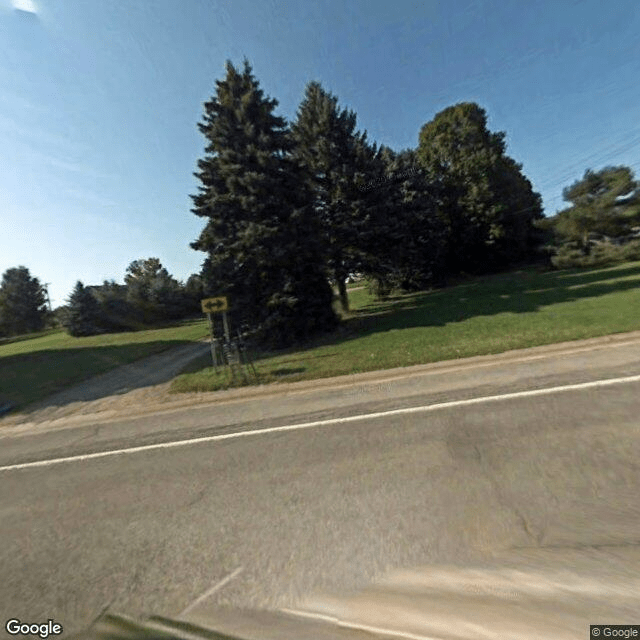
9822 Route 16, Machias, NY 14101
For more information about senior living options: (866) 208-4318
The Pines Healthcare & Rehab Centers Machias Campus Costs & Pricing
At The Pines Healthcare & Rehab Centers Machias Campus, the monthly costs for accommodation reflect a competitive rate compared to both Cattaraugus County and the broader New York state averages. For semi-private rooms, residents will find that the cost is $2,760, which is slightly higher than the county's average of $2,753 but significantly lower than the state's average of $4,389. In terms of private rooms, the facility charges $4,110 per month; this price is more affordable than both Cattaraugus County's average of $5,655 and New York state's average of $5,159. Overall, The Pines offers a valuable balance of quality care and reasonable pricing in comparison to regional costs.
| Floor plans | The Pines Healthcare & Rehab Centers Machias Campus | Cattaraugus County | New York |
|---|---|---|---|
| Semi-Private | $2,760 | $2,753 | $4,389 |
| Private | $4,110 | $5,655 | $5,159 |
Overall Review of The Pines Healthcare & Rehab Centers Machias Campus
Pros
 The facility is described as super clean and rich with enrichment for residents, with staff going above and beyond for families, and it is highly recommended.
- The Pines in Machias is praised for wonderful care, with residents being loved and the staff consistently showing concern for their well-being.
- The Pines is described as a second home where the people feel like family, and there are long-tenured staff who enjoy their work.
- The Pines Healthcare & Rehabilitation is highly recommended, with residents looking happy and well cared for and the environment noted as odor-free.
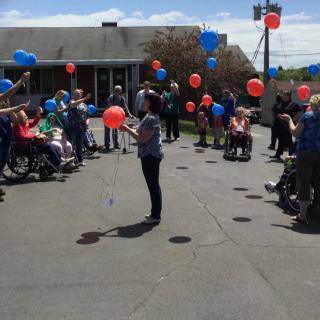
- The Pines at Machias is clean and home-like in design, offers a busy schedule of activities that residents enjoy, and has staff who treat residents very well.
- The staff at the Pines are nice and well trained, and the facility provides a courtyard for visits with family and friends.
- Residents in the Alzheimer's units were treated with care and dignity, and the employees were caring and provided helpful information.
Cons
 PT was inadequate, often not provided at all.
- There was poor medical attention.
- There was poor communication by staff.
- Phone calls were not returned.
- Verbal abuse of residents by staff was witnessed.
- Staff were observed complaining incessantly in front of residents.
- There was non-adherence to Covid protocols to keep non-infected residents safe.
- The reviewer urged readers not to place anyone they love here.
- The only problem noted was the transfer of a resident to the dementia ward.
- During the last visits, residents were left unattended and without anything to do.
Review
The Pines Healthcare & Rehabilitation Centers Machias Campus is best suited for families seeking a warm, home-like atmosphere where daily life and social enrichment carry real weight, and where long-term living with meaningful activity is prioritized over aggressive hospital-style rehab. It works well for residents who want a clean, comfortable setting, a sense of community, and staff who foster a familial feeling, with dependable caregiving that supports everyday well-being. This campus appears to deliver strong resident engagement, well-maintained spaces, and a culture that many families experience as welcoming and attentive. Those who crave top-tier, highly medical rehab programs or tightly managed, outcome-driven PT plans may not find a perfect match here. For such families, facilities with more intensive, physician-led rehabilitation and clearer, codified care pathways might be preferred.
There are explicit reasons to consider alternatives. If the primary priority is rigorous, outcomes-focused physical therapy after acute injury, or if immediate, consistently coordinated medical attention is non-negotiable, this campus may fall short for some. Several accounts raise concerns about communication gaps, phones not answered or care plans not clearly conveyed to families, and a few harsh reminders about staff conduct in front of residents. For memory care, families who require stringent supervision and consistently proactive dementia-specific programming will want to scrutinize how well the dementia unit is staffed, engaged, and supervised on a day-to-day basis. In short, potential residents with acute rehab needs, or with a high bar for medical responsiveness and staff reliability, should compare options closely before committing.
The strongest positives revolve around environment, culture, and daily living. Cleanliness is repeatedly noted as a standout, with facilities that feel more like a well-kept home than a sterile floor plan. Families consistently highlight robust social programming and enrichment activities, creating a sense that residents are busy, engaged, and connected to both peers and staff. The staff’s warmth and willingness to go the extra mile for families come through in multiple testimonials, painting a picture of a campus where caregivers are genuinely invested in residents’ happiness and comfort. The architectural design, spacious rooms, and the presence of a courtyard that allows safe, manageable visiting align with a home-away-from-home experience. For families prioritizing emotional comfort, daily rhythm, and a dignified, resident-centered atmosphere, these advantages often outweigh generic concerns about care intensity.
Those positives do not erase the meaningful caveats. When rehabilitation is the central goal, the record on PT can be inconsistent, with some residents reporting inadequate therapy or gaps in rehabilitation services. At the same time, medical attention, while not universally described as deficient, is not uniformly praised, and communication gaps can leave families feeling out of the loop about progress and treatment plans. A serious concern emerges in at least one account about staff behavior in front of residents and about leaving a resident unattended in a dementia ward. Such episodes cannot be dismissed; they signal potential cultural and supervision issues that must be weighed carefully. In practical terms, these factors translate into a conditional recommendation: the Pines Machias can deliver a comforting daily life and loving care environment, but it can also present real risks if rehab needs are high, if transparent communication is non-negotiable, or if dementia care requires tighter, more proactive oversight.
For families navigating the decision, the path forward is concrete. Start with a candid assessment of rehab expectations: request a detailed PT plan, confirm therapy frequency, and ask to observe a rehab session to see whether the intensity and approach match needs. Probe care coordination: insist on weekly or biweekly updates from the nursing team, a named point of contact, and a clearly written care plan that reflects resident goals. If memory care is relevant, demand specifics on staffing ratios in the dementia unit, the cadence of checks, meaningful engagement activities, and incident reporting protocols. Schedule visits at different times of day, mealtimes, activity periods, and during hands-on care, to observe resident-resident and resident-staff interactions. Finally, gather perspectives from current residents’ families and request to speak with the administrator about any ongoing quality-improvement efforts addressing the noted concerns.
In the end, The Pines Machias presents a practical, appealing option for families prioritizing a nurturing, lively community with a home-like atmosphere and attentive staff who genuinely care about residents’ day-to-day happiness. It excels on cleanliness, environment, and enrichment, and it frequently earns praise for the personal warmth of caregivers and the sense that residents are valued. However, the facility’s appeal comes with significant caveats: rehab quality can vary, medical communication is not universally airtight, and certain behavioral and oversight concerns in the dementia context cannot be ignored. For families where the primary decision hinges on a serene social environment and consistent daily life rather than gold-standard rehab outcomes and flawless medical coordination, Pines Machias stands out as a sound choice. For those whose priorities center on aggressive rehabilitation, airtight, responsive medical management, or highly controlled dementia care, alternatives with stronger track records in those areas should be compared in parallel before finalizing an agreement.
 115 resident community capacity
 Board and Care Home
 Skilled Nursing Facility
 Air-conditioning
 Beauty salon
 Cable or satellite TV
 Computer center
 Dining room
 Fitness room
 Fully furnished
 Gaming room
 Garden
 Housekeeping services
 Kitchenette
 Move-in coordination
 Outdoor space
 Private bathrooms
 Restaurant-style dining
 Small library
 Telephone
 Wellness center
 Wi-Fi/high-speed internet available
 Community operated transportation
 12-16 hour nursing
 24-hour call system
 Activities of daily living assistance
 Assistance with bathing
 Assistance with dressing
 Assistance with transfers
 Diabetes diet
 Medication management
 Mental wellness program
 Special dietary restrictions
 Concierge services
 Planned day trips

 6 Crucial Ways an Elder Law Attorney Assists Families
 Navigating the Tax Landscape of Caregiving: Credits, Deductions, and Beyond
 Highly Beneficial Low-Impact Exercises for Senior Living Residents