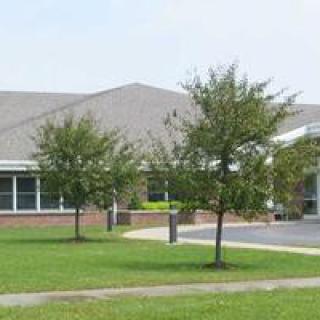
Fiddler's Green Manor Home in Springville, NY
Save
Information last verified:
168 W Main St, Springville, NY 14141
For more information about senior living options: (844) 490-3973
Fiddler’s Green Manor Home in Springville, NY is best suited for families that prize a warm, rugby-checked bedside manner from staff and strong hands-on rehab and daily-care support over luxury finishes or cutting-edge amenities. The community’s defining strength is the people: caregivers who consistently demonstrate patience, attentiveness, and a genuine sense of care. When staff know residents by name, coordinate medications smoothly, and bring a personal touch to routines, the resident experience becomes more than just a daily checklist. In this setting, rehab and long-term care benefit from a culture where staff stay involved, communicate with families, and treat residents with the kind of kindness that can lift morale and aid recovery.
Those who should consider alternatives are those who insist on modern facilities, private rooms, and consistently high staffing across all shifts, with a spotless, high-profile environment. Reviews tell a divided story: some visitors praise cleanliness, helpful employees, and engaging activities; others describe an aging building, crowded rooms, and variable management that leaves families anxious about safety and responsiveness. If privacy, contemporary design, reliable elevator service, plentiful dining options, and a transparent, proactive approach from leadership are nonnegotiable, it is prudent to look at other options in the area. In short, this is a facility where the human touch can carry the day, but it may fall short on infrastructure and consistent operations.
On balance, the strongest pro, staff kindness and competence, often offsets a great deal of the day-to-day friction, especially for rehab stays and for residents who value personal connections. Multiple accounts highlight nurses, aides, and social workers who go the extra mile, making residents feel seen and supported and coordinating care with families. That emotional and practical support can translate into meaningful moments of progress and comfort, even when the physical plant shows its age. Yet the same pool of reviews does not ignore the cons: under-staffing at times, reports of unprofessional behavior, and rooms that feel cramped or in need of repair. When care relies on consistently reliable attention, the contrast between heartfelt interactions and systemic limitations becomes the deciding factor.
Families evaluating this facility must weigh the practical realities against the emotional benefits. The building’s age is palpable, with crowded rooms and limited privacy that can detract from dignity and comfort. Operational gaps, less-than-robust meals, irregular activity scheduling, and intermittent communication with families, have clear and immediate effects on mood and recovery. The ideal scenario is a team that rallies around resident needs, backed by hands-on management ready to address issues, but the reality for some residents includes equipment failures, maintenance lags, and inconsistent daily life quality. This dynamic, care that shines in moments of contact but is hampered by infrastructure and process, shapes the risk families must assess when choosing between continued care here or another option with newer facilities and more predictable systems.
To make a well-informed decision, tours and conversations should yield concrete, action-oriented information. Ask about current and projected staffing levels by shift, typical response times to call bells, and the facility’s track record with incident reporting and family communications. Inquire about room configurations (private versus shared) and what accommodations exist for special diets, plus how therapy and social work collaborate with families on discharge plans. Probe the physical plant for elevator reliability, maintenance of bathrooms and laundry, and noise levels; request up-to-date menus and a realistic activity calendar to gauge daily life quality. Seek candid examples of how staff manage emergencies and difficult residents. The differences in experience will become clear once specific, contextual answers replace general assurances.
The bottom line is that Fiddler’s Green offers a caregiving core that resonates with families who prioritize personal attention and hands-on rehab support. For households willing to accept an older building, smaller, sometimes crowded rooms, and occasional operational wobble in exchange for consistently compassionate, resident-centered care, this can be a reasonable option. For those with little tolerance for limited privacy, variable meals, or questions about safety and reliability, exploring other facilities with newer infrastructure, stronger staffing models, and more transparent management is wise. In practical terms, the decision hinges on whether the evident, human-driven care can stand up to the realities of aging facilities and disparate operational performance, or if a higher standard of environmental quality and predictable processes is essential for lasting peace of mind.
Fiddler's Green Manor Home, located in the charming town of Springville, NY, is a premier skilled nursing facility dedicated to providing exceptional care and a nurturing environment for its residents. With a focus on personalized assistance, the manor offers specialized diabetic care designed to meet the unique needs of individuals with diabetes.
The community features inviting indoor common areas where residents can gather, socialize, and engage in various activities. While Fiddler's Green Manor places an emphasis on holistic well-being, it also recognizes the importance of spiritual care by offering devotional services and activities off-site, ensuring that residents have opportunities to connect with their faith and community.
Surrounded by essential amenities, residents enjoy easy access to nearby cafes, parks, pharmacies, physicians' offices, restaurants, transportation options, places of worship, and a hospital, making daily life convenient and enriching. With a commitment to fostering a vibrant lifestyle filled with purpose and connection, Fiddler's Green Manor Home stands out as an ideal choice for those seeking compassionate skilled nursing care in a welcoming atmosphere.
The Springville area in New York offers a variety of amenities and services that cater to the needs of seniors. With multiple pharmacies such as Spring Creek Pharmacy and Rite Aid within close proximity, accessing medication and healthcare supplies is convenient. Additionally, there are several places of worship like St Aloysius Ccd and Mortons Corners Baptist Church for spiritual support and community engagement. For medical needs, there are physicians like Springville Pediatrics and Lakeshore Family Medicine nearby. The area also features restaurants like Fiesta Bamba and JD's Brew Pub, as well as cafes such as Tim Hortons for dining options. Hospitals like Bertrand Chaffee Hospital are easily accessible for medical emergencies. Furthermore, parks like Scoby Dam Park provide opportunities for outdoor recreation and relaxation. Overall, the Springville area offers a comfortable and convenient environment for senior living with access to essential services, medical facilities, dining options, religious communities, and recreational activities.
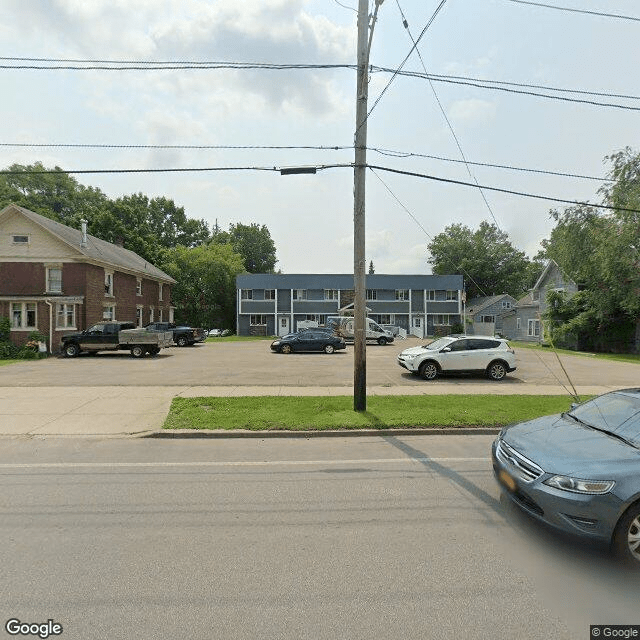
Fiddler's Green Manor Home is located at 168 W Main St, Springville, NY 14141 in Erie County, New York
Understanding the True Cost of Assisted Living in 2025: A Comprehensive Guide

Assisted living in 2025 offers a crucial balance of independence and support for seniors, with costs varying from $2,500 to over $7,000 per month based on factors such as location and care level. Understanding pricing complexities, including regional differences and potential hidden fees, is essential for families to plan financially while ensuring quality care for their loved ones.
Understanding Medicaid Coverage for Assisted Living: A Comprehensive Guide

The guide outlines the complexities of Medicaid coverage for assisted living, highlighting significant state-to-state variations, limited coverage often restricted to personal care services, and the existence of specialized waivers for certain needs like memory care. It advises families to consult local Medicaid offices for options while emphasizing the importance of understanding state-specific regulations and facility policies.
How and When Medicaid May Cover Assisted Living Costs
Medicaid coverage for assisted living varies by state and is primarily available to low-income individuals, with eligibility dependent on strict income and asset limits. Some states offer HCBS waivers for specific services in assisted living, but families must generally cover room and board costs, and should verify facility acceptance of Medicaid while considering potential waiting lists.