

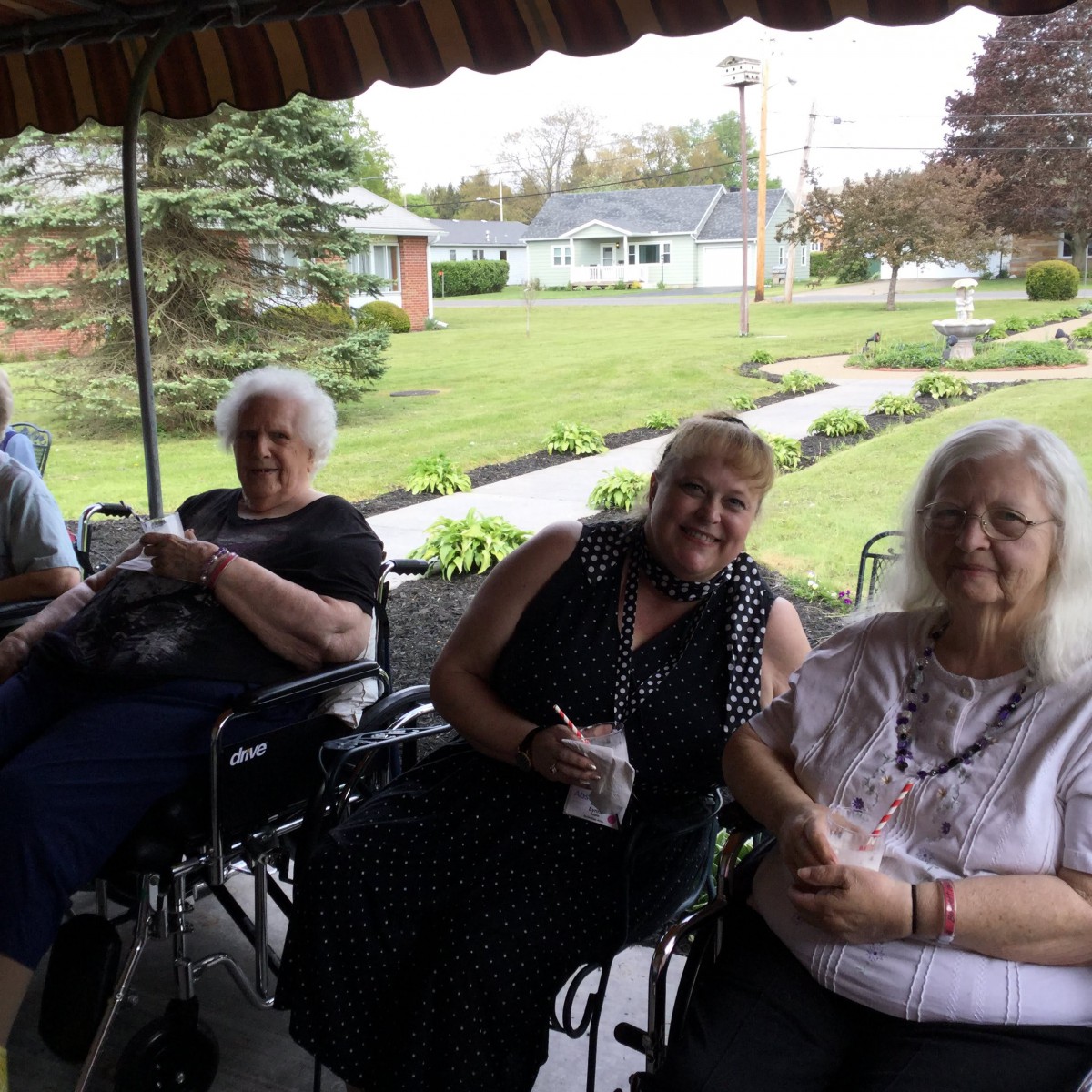
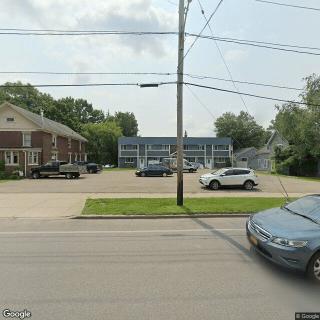
2178 N 5th Street, Allegany, NY 14706
To contact a resident: (716) 373-2238
For more information about senior living options: (866) 208-4318
Overall Review of Absolut Care of Allegany
Pros
 The staff at Allegany are nice, accommodating, and truly care about the patients.
- The facility has the best CNA ever.
- It is a great place to bring loved ones, with great service.
- The facility is recommended for those needing this type of care.
- The place seemed very clean and the patients were well cared for.
Cons
 The aides are lazy and staff simply don't care about patients.
- Rooms were not cleaned.
- The food is below adequate standards, with frozen chicken and glue-like noodles.
- The new administrator doesn't want to hear or correct problems.
- There are extra charges for the room phone, and the overall room price is outrageous.
- The room was closet-sized with a rude roommate.
- There was no good discharge plan or proper discharge communication.
- The facility smelled and was dirty.
Review
Absolut Care of Allegany is most appropriate for families seeking a modest-cost rehab option where a genuinely caring staff can make a tangible difference day to day, and where family members are prepared to stay engaged with care planning and oversight. The facility has moments of warmth and attentiveness that can translate into meaningful daily support for a loved one who needs short-term recovery, basic daily assistance, and a reassuring presence from aides and nurses. This is not a luxury setting, but rather a community that can be workable if the budget is tight and the family is ready to advocate actively. Those whose expectations center on consistently flawless cleanliness, outstanding meals, or highly proactive discharge management should seriously weigh alternatives.
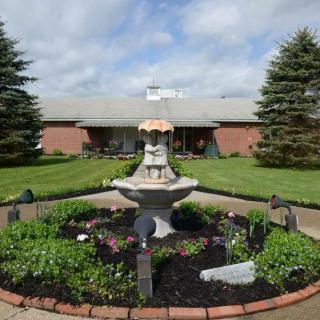
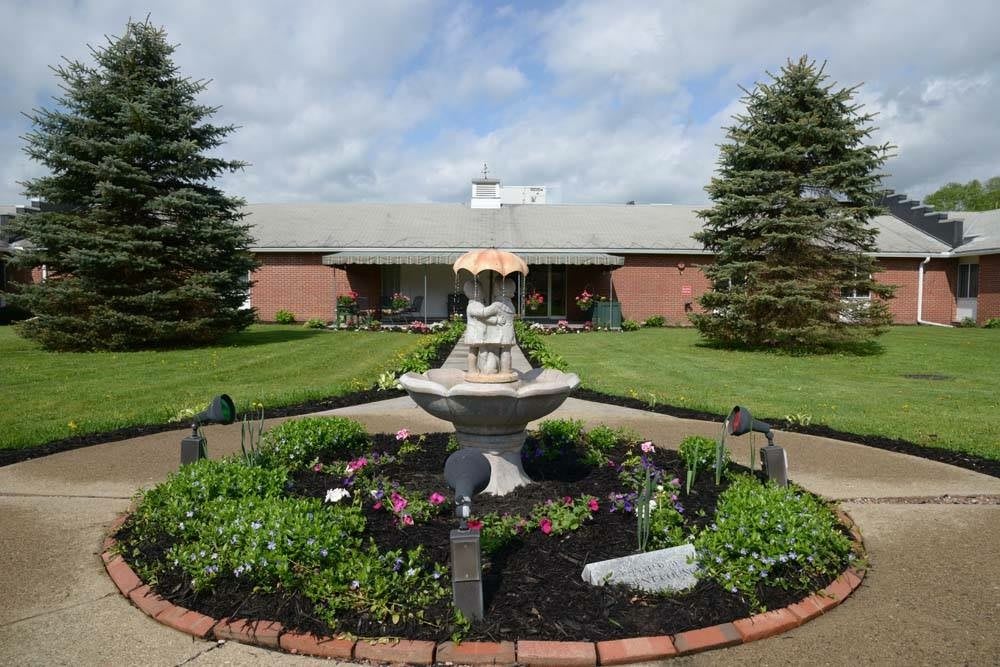
On the plus side, several reviews highlight a staff culture that genuinely cares. A resident or family member notes a CNA who stands out as exceptional, and multiple accounts point to kindness and professionalism from frontline teams. In a small facility, there is potential for more personal attention when staffing aligns with need, and at her best, the team can deliver reliable service and a respectful, supportive atmosphere. A handful of observers also describe the environment as clean and well-maintained enough to inspire confidence that basic daily care is being delivered. When the stars align, staffing is stable, and leadership receptive, these strengths can translate into lived experiences that feel appropriate for rehabilitation and routine daily living.
That said, the most persistent red flags revolve around staffing consistency and operational reliability. The loudest pattern is understaffing, with impressions that floors are not swept frequently and routine maintenance gaps slip through the cracks. Food quality emerges as a frequent disappointment, described by several reviewers as unattractive, poorly prepared, or unpalatable, which strains meals-as-care and can undermine recovery nutrition. The combo of staffing gaps and poor meals makes it hard to sustain a positive trajectory, especially for residents who rely on routine for healing and appetite. There are hard-edged concerns about discharge planning and communication, with at least one account indicating a premature release without a clear explanation, and others recounting disconnects around anticipated timelines and aftercare. An unsettling incident, reported as a patient being left in a drug stupor with little transparency, casts a long shadow over trust and safety, even if it represents a minority view in a broad field of testimonials.
These pros and cons interact in a way that demands clear prioritization from decision-makers. If staff warmth and a personal touch are nonnegotiable, and if the family is prepared to step in to monitor care, relay concerns, and press for prompt responses, Absolut Care of Allegany can still deliver meaningful rehab and daily support at an accessible price. The small setting can work in favor of individualized attention, but only when the operations are disciplined, regular housekeeping, consistent meal service, and a straightforward care-discharge pathway. When these operational strengths falter, the same warmth and personalized care from individual aides may not be enough to offset systemic gaps, leaving families with persistent worries about cleanliness, nutrition, and continuity of care. The facility’s merit rests on dependable staffing and robust administrative responsiveness.
For families weighing alternatives, the calculus is straightforward. If a higher level of clinical oversight, more predictable meal quality, and stricter discharge planning are essential, this is not the first pick. Larger facilities with established dining programs, clearer menu variety, and documented staffing ratios typically deliver steadier consistency across meals, housekeeping, and post-acute transitions. Likewise, if the goal is to minimize family involvement while ensuring transparent, proactive management, another community with a more proactive administrator and stronger incident follow-through is advisable. Absolut Care of Allegany can still be appropriate for those who prize interpersonal warmth and are prepared to manage the gaps with careful oversight.
Practical next steps for a decisive visit include scrutinizing how daily shifts unfold at different times, meeting the administrator and the head of nursing, and requesting caseload and staffing ratios for the floor where a loved one would reside. Ask to review the most recent written discharge plans, and probe how they handle post-acute goals, equipment needs, and caregiver instructions for home. Request to sample a current menu and ask about options for texture-modified diets or other special dietary needs; observe a meal if possible to gauge food quality and service. Finally, verify every potential ancillary charge, including any room-amenities costs such as phones, to avoid surprises that could tip a budget. In the end, Absolut Care of Allegany serves a niche: a budget-conscious rehab setting where staff can shine, but only when operations stay steady and engaged families push for accountability.
 Skilled Nursing Facility
 Activities on-site
 Air-conditioning
 Indoor common areas
 Outdoor common areas
 Respite or short term stays offered
 Wi-Fi/high-speed internet available
 High acuity care
 Incontinence care
 Meals provided


 Understanding the Sandwich Generation: Stress and Responsibilities for Multigenerational Caregivers
 8 Essential Assistive Devices for Older Adults
 Navigating the Financial Road to Nursing Home Care: In-Depth Guidance and Resources