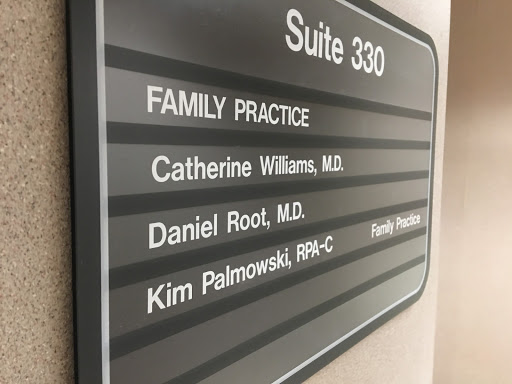
Lewis County General Hospital-Nursing Home Unit

Save

Lewis County General Hospital-Nursing Home Unit

7785 North State Street, Lowville, NY 13367

For more information about senior living options: (844) 490-3973

3.3 from 80 reviews
5 stars
38
4 stars
8
3 stars
1
2 stars
3
1 stars
30

Skilled Nursing Facility

Overall Review of Lewis County General Hospital-Nursing Home Unit

Pros

  • pro Dr. Buell was amazing.
  • pro Mary and Dawn were absolutely amazing.
  • pro The phlebotomist was excellent.
  • pro The hospital and its doctors and nurses were awesome.
  • pro The facility offered excellent care, the surgical unit was beautiful, and the staff were attentive and caring.
  • pro The doctor looked at her as a whole and took time to hear questions and concerns.
  • pro Dr. Timothy Mathis stitched the knee and made the patient feel much more comfortable.
  • pro The staff were amazing and went above and beyond.
  • pro There was almost no wait time.
  • pro The EMTs and ER staff provided excellent care; they were pleasant and explained what they were doing.
  • pro The staff at Lewis County General were wonderful and helped figure things out, potentially saving her life.
  • pro The staff were friendly and professional, and Dr. Ian Grady helped patch him up, giving a happy ending.

Cons

  • pro One reviewer stated the hospital was unsanitary, noting a bug in the waiting area.
  • pro One reviewer described being left waiting for over 30 minutes without being seen by a provider after an injury.
  • pro One reviewer called the emergency department useless and felt their pain was dismissed, with the doctor telling them to leave.
  • pro One reviewer said the facility is one of the worst medical facilities they've visited, criticizing overall quality.
  • pro One reviewer complained that the information kiosk staff were unknowledgeable and unhelpful, making navigation frustrating.
  • pro One reviewer recounted waiting hours in severe pain without examination or timely pain relief, with nurses appearing unresponsive.
  • pro One reviewer described the ER as slow and unprofessional, with long waits and lack of addressing pain or monitoring.
  • pro One reviewer noted a lack of bedside manner: no introductions, no name tags, and minimal patient interaction.

Review

Lewis County General Hospital presents itself in these patient voices as a place where care can shine brightly, even as frustration and gaps in the experience surface at the margins. Across a wide range of encounters, the common thread is that many patients found warmth, competence, and genuine concern from individual clinicians, nurses, and EMTs, while others ran into delays, unclear communication, and inconsistencies in how patients are treated day to day. A number of stories celebrate specific providers by name, painting a picture of a facility with standout professionals who leave a lasting impression.

On the positive side, several reviews highlight extraordinary bedside manner and professional skill. Dr. Buell is remembered as understanding and responsive, especially in situations where a patient wanted to leave due to pain and inability to keep anything down; this physician helped ensure the patient was truly safe to discharge. Nurses Mary and Dawn are repeatedly praised as amazing, caring, and attentive, while a phlebotomist named Juleanna is commended for an excellent poke and for making a stabilize-and-tend encounter feel smoother. The emergency department staff, even when stretched thin by volume, is described as helpful, compassionate, and capable, and many reviewers specifically appreciated how the team explained what was happening and what came next. The surgical unit is described as beautiful and the staff as highly attentive and caring, contributing to a sense of pride in the local hospital.

Several patients recount poignant moments of effective care for children and loved ones. A two-year-old brought in with strep, fever, rash, and joint pain was treated with a holistic approach: doctors listened to questions and concerns, considered the whole patient, and ultimately sought further care when necessary, including a transfer to a children's hospital when warranted. A parent notes that Dr. Timothy Mathis stitched a knee and helped transform a painful experience into one where the patient felt much more at ease, a powerful sentiment for someone who typically dislikes hospitals. There are stories of EMTs and nurses working together smoothly to transport and care for patients, reinforcing the sense that the hospital can be a source of strength and reassurance in scary or painful circumstances.

Yet the collection is not without its darker notes. Several reviewers describe long wait times and moments of feeling overlooked. One person recounts being in the ED for more than 2 hours during a miscarriage, with no bedside manner, little communication, and a lack of basic courtesy such as introducing staff or wearing name tags. Another describes being left waiting in a chair for more than 30 minutes after an injury, with no provider seen for an extended period. There are accounts of waiting rooms where the environment felt less sanitary than expected - an occurrence that, for some, undermined trust in the facility. A patient who cut themselves with uranium glass reported waiting with the wound unattended for a substantial period, illustrating how critical timely attention can be in urgent situations.

There are also broader critiques about consistency and culture. Some patients feel certain clinicians were dismissive - an emergency visit for severe pain from fractures and seizures is cited where a doctor reportedly asserted the patient did not belong in the ER and urged them to leave, a sentiment that challenges the hospital's commitment to compassionate care in crisis. Others point to logistical shortcomings, such as difficulty navigating the building, an information kiosk or staff who seemed unaware of the layout, and occasional gaps in communication between providers, patients, and families. A few reviews mention a perceived lack of proactive care - examples include feeling that wait times could be reduced with more physician coverage, and that a care environment would benefit from more consistent bedside manner and follow-through.

Despite these challenges, many reviewers emphasize the hospital's strengths and the clear dedication of staff who go above and beyond. Several comments celebrate how the hospital feels like a supportive, friendly place with a genuinely caring atmosphere. A patient notes that the ER team and other staff were friendly, professional, and like friends, and another highlights a sense of thankfulness for a facility that can be easy to navigate and that provides hospitality alongside clinical competency. In one particularly uplifting account, a family recounts how a team - including EMS professionals and ER nurses - worked together to identify the heart condition of a child transferred to a children's hospital, expressing deep gratitude for the care that helped avert a potentially dire outcome.

Taken together, these voices present Lewis County General Hospital as a local beacon of care with real strengths in patient-centered professionalism and clinical skill, paired with real opportunities to improve consistency, communication, and the patient experience. The hospital shows that when providers take the time to listen, explain, and reassure - whether in the ED, on the surgical unit, or during pediatric care - patients feel seen, listened to, and valued. At the same time, there is a clear call for more predictable wait times, clearer staff identification and communication, and stronger adherence to compassionate care standards across all departments and shifts. The overall narrative is one of gratitude and trust tempered by constructive critique, a sign that the hospital is deeply connected to the community it serves and is steered by a team committed to continual improvement.

Features

Housing

  • 160 resident community capacity 160 resident community capacity

Types of Care

  • Skilled Nursing Facility Skilled Nursing FacilitySkilled Nursing Facilities are crucial for seniors as they provide round-the-clock medical care, rehabilitation services, and assistance with daily activities. These facilities ensure that seniors receive the specialized care they need to maintain their health and well-being as they age.

Amenities

  • Air-conditioning Air-conditioningAir conditioning is important for seniors as they are more vulnerable to heat-related illnesses and may have underlying health conditions that make it difficult for them to regulate their body temperature. It helps to keep them comfortable, safe, and healthy in hot weather.
  • Beauty salon Beauty salonBeauty salons are important for seniors because they provide a space for them to feel pampered, socialize, and maintain their personal grooming and hygiene. Regular visits to a beauty salon can help boost seniors' self-esteem and overall well-being.
  • Cable or satellite TV Cable or satellite TVCable or satellite TV is important for seniors because it provides entertainment, news, and companionship, helping to combat loneliness and boredom. It also offers a wide range of programming options tailored to different interests and preferences.
  • Computer center Computer centerA computer center is essential for seniors as it provides access to technology, communication tools, and resources that can enhance their daily lives. It allows them to stay connected with loved ones, engage in online activities, and learn new skills, ultimately promoting socialization and mental stimulation.
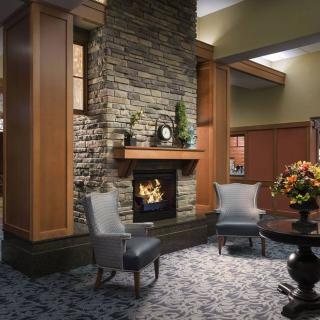
  • Dining room Dining roomDining rooms are important for seniors as they provide a space for socialization, connection, and nutritious meals. They offer opportunities for residents to bond over shared meals, foster a sense of community, and promote healthy eating habits. Dining rooms also ensure that seniors have access to well-balanced meals tailored to their dietary needs and preferences.
  • Fitness room Fitness roomHaving a fitness room in a senior living community is essential for seniors to stay active, maintain their physical health, and improve their overall well-being. Regular exercise can help prevent falls, reduce the risk of chronic diseases, and promote mental sharpness. It also provides social opportunities for residents to connect with others and enjoy a sense of community.
  • Fully furnished Fully furnishedFully furnished senior living communities are important for seniors because they provide convenience, comfort, and a hassle-free moving experience. Seniors can easily settle into their new living space without the stress of having to buy and move furniture. This allows them to focus on enjoying their new home and community.
  • Gaming room Gaming roomGaming rooms are important for seniors as they provide a fun and engaging environment for socializing, cognitive stimulation, and physical activity. Games can improve memory, problem-solving skills, and overall mental well-being while fostering friendships and reducing feelings of isolation.
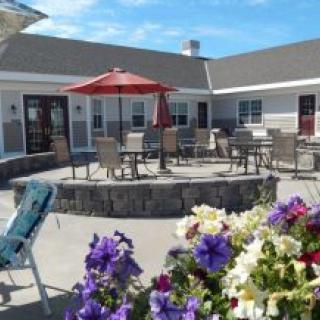
  • Garden GardenGardens are important for seniors as they provide a peaceful and therapeutic environment for relaxation, physical activity, and socialization. Being in nature has been shown to reduce stress, improve mood, and promote overall well-being. Gardens also offer opportunities for seniors to engage in gardening activities, which can improve mobility, flexibility, and cognitive function. Additionally, gardens create a sense of community and connection with others who share a passion for plants and outdoor spaces.
  • Housekeeping services Housekeeping servicesHousekeeping services are important for seniors because they help maintain a clean and safe living environment, promote independence, and reduce the risk of accidents or illnesses. Additionally, having assistance with household chores can alleviate physical strain and allow seniors to focus on other aspects of their well-being.
  • Kitchenette KitchenetteKitchenettes are important for seniors living in senior living communities because they provide the convenience and independence of being able to prepare simple meals and snacks in the comfort of their own living space. This can help promote a sense of autonomy and well-being for seniors, allowing them to maintain some level of control over their dietary choices and daily routines.
  • Move-in coordination Move-in coordinationMove-in coordination is important for seniors because it helps ease the transition into their new living environment. It ensures that all logistics, such as packing, organizing movers, and setting up utilities are taken care of, allowing seniors to focus on settling in and adjusting to their new home. Having a smooth move-in process can alleviate stress and anxiety, making the transition smoother and more enjoyable for seniors.
  • Outdoor space Outdoor spaceOutdoor spaces are important for seniors as they provide opportunities for physical activity, social interaction, exposure to natural light and fresh air, and a sense of connection to nature. Having access to outdoor spaces can improve overall well-being and quality of life for older adults living in senior communities.
  • Private bathrooms Private bathroomsPrivate bathrooms are important for seniors in senior living communities because they provide independence, dignity, and comfort. Having a private bathroom allows seniors to maintain their personal hygiene routines without the need for assistance, promoting a sense of autonomy and privacy. Additionally, private bathrooms help prevent the spread of infections and provide a safe and clean environment for seniors to navigate safely.
  • Restaurant-style dining Restaurant-style diningRestaurant-style dining is important for seniors because it allows them to enjoy delicious, nutritious meals in a social and upscale setting. This enhances their dining experience, promotes healthy eating habits, and fosters socialization with fellow residents, ultimately contributing to their overall well-being and quality of life.
  • Small library Small librarySmall libraries are important for seniors as they provide access to a variety of reading materials, including books, newspapers, and magazines. This can help stimulate their minds, keep them engaged, and provide a sense of community through book clubs and other social activities. Additionally, reading has been shown to improve cognitive function and overall mental well-being in older adults.
  • Telephone TelephoneTelephones are important for seniors as they provide a lifeline for communication with loved ones, emergency services, and healthcare providers. They offer a sense of security and independence, enabling seniors to stay connected and access assistance when needed.
  • Wellness center Wellness centerWellness centers are important for seniors because they offer a variety of programs and services that promote physical, mental, and emotional well-being. These centers provide opportunities for exercise, socialization, education, and relaxation, helping seniors maintain their overall health and quality of life.
  • Wi-Fi/high-speed internet available Wi-Fi/high-speed internet availableWi-Fi/high-speed internet is important for seniors to stay connected with loved ones, access online resources, and participate in virtual activities to combat feelings of loneliness and isolation. It also allows them to easily manage healthcare needs, access entertainment, and engage in lifelong learning opportunities.

Transportation

  • Community operated transportation Community operated transportationCommunity operated transportation is crucial for seniors as it provides them with the means to access essential services, social activities, and medical appointments. It allows seniors to maintain their independence and quality of life by ensuring they can participate in activities outside of their homes. Additionally, community-operated transportation services offer a safe and reliable way for seniors to travel without having to rely on family or friends for assistance.
  • Transportation arrangement Transportation arrangementTransportation arrangements are crucial for seniors as they may face challenges with driving, mobility, or access to public transportation. Having reliable transportation services ensures that seniors can easily attend appointments, social activities, and maintain their independence and quality of life.
  • Transportation arrangement (non-medical) Transportation arrangement (non-medical)Transportation arrangements are essential for seniors as they provide access to essential services, activities, and social interactions outside the home. This service helps maintain independence, mobility, and overall well-being for seniors who may have limited transportation options.
  • Transportation to doctors appointments Transportation to doctors appointmentsTransportation to doctors appointments is crucial for seniors as it ensures they have access to necessary medical care and support, promoting their health and well-being. It allows them to receive timely treatment, monitor existing conditions, and address any new health concerns efficiently. Additionally, transportation services can help seniors maintain their independence and quality of life by enabling them to stay connected with their healthcare providers.

Care Services

  • 12-16 hour nursing 12-16 hour nursing12-16 hour nursing care is crucial for seniors in order to ensure around-the-clock monitoring, timely medication administration, and prompt response to any health concerns or emergencies. This level of care helps to promote the overall well-being and safety of seniors living in senior living communities.
  • 24-hour call system 24-hour call system24-hour call systems are important for seniors because they provide peace of mind and immediate assistance in case of emergencies. This technology ensures that help is always available, promoting safety and security for elderly individuals living alone or in assisted living facilities.
  • 24-hour supervision 24-hour supervision24-hour supervision is important for seniors to ensure their safety, well-being, and access to immediate assistance in case of emergencies or health issues. This constant support provides peace of mind for both seniors and their loved ones, allowing them to age in place with dignity and security.
  • Activities of daily living assistance Activities of daily living assistanceActivities of daily living assistance are important for seniors because they provide essential support with tasks such as eating, bathing, dressing, and mobility. This assistance helps seniors maintain their independence, dignity, and overall quality of life as they age.
  • Assistance with bathing Assistance with bathingAssistance with bathing is crucial for seniors as it helps maintain personal hygiene, prevents infections, and ensures their overall well-being and comfort. It also provides a sense of dignity and independence for seniors who may struggle with this task on their own.
  • Assistance with dressing Assistance with dressingAssistance with dressing is important for seniors because it helps maintain their independence, promotes personal hygiene, prevents accidents and injuries, and improves overall quality of life. This service ensures that seniors can continue to dress comfortably and confidently, despite any physical limitations they may have.
  • Assistance with transfers Assistance with transfersAssistance with transfers is crucial for seniors as it helps prevent falls and injuries, maintains their independence, and ensures they can safely navigate their living environment. It also provides peace of mind for both seniors and their loved ones.
  • Diabetes diet Diabetes dietA diabetes diet is crucial for seniors as it helps manage blood sugar levels, reduce risks of complications, and improve overall health and well-being. By following a balanced and nutritious diet tailored to their specific needs, seniors can better control their diabetes and enhance their quality of life.
  • Meal preparation and service Meal preparation and serviceMeal preparation and service are crucial for seniors as they may have limited mobility or energy to cook nutritious meals. Having access to healthy and convenient food options can ensure they are getting the proper nutrition needed to maintain their overall health and well-being.
  • Medication management Medication managementMedication management is crucial for seniors to ensure they are taking the right medications at the correct dosages and times. This helps prevent adverse drug interactions, reduces the risk of medication errors, and promotes overall health and well-being. Proactive management also allows for adjustments as needed based on changing health conditions or new prescriptions.
  • Mental wellness program Mental wellness programMental wellness programs are essential for seniors as they promote cognitive stimulation, emotional support, and social engagement. These programs help prevent isolation, depression, and cognitive decline, ultimately enhancing the overall quality of life for older adults.
  • Special dietary restrictions Special dietary restrictionsSpecial dietary restrictions are important for seniors because age-related changes in metabolism and health conditions can make it difficult for their bodies to process certain foods. By following a diet tailored to their specific needs, seniors can maintain their overall health and well-being, manage chronic conditions, and reduce the risk of complications such as malnutrition or food interactions with medications.

Dining

  • Diabetes diet Diabetes dietA diabetes diet is crucial for seniors as it helps manage blood sugar levels, reduce risks of complications, and improve overall health and well-being. By following a balanced and nutritious diet tailored to their specific needs, seniors can better control their diabetes and enhance their quality of life.
  • Special dietary restrictions Special dietary restrictionsSpecial dietary restrictions are important for seniors because age-related changes in metabolism and health conditions can make it difficult for their bodies to process certain foods. By following a diet tailored to their specific needs, seniors can maintain their overall health and well-being, manage chronic conditions, and reduce the risk of complications such as malnutrition or food interactions with medications.

Activities

  • Community-sponsored activities Community-sponsored activitiesCommunity-sponsored activities are important for seniors as they provide opportunities for social interaction, mental stimulation, and physical activity. These activities can help improve overall well-being, combat loneliness and isolation, and promote a sense of belonging and purpose among older adults.
  • Concierge services Concierge servicesConcierge services are essential for seniors as they provide assistance with daily tasks and errands, enhance their quality of life by offering convenience and personalized care, and promote a sense of safety and security.
  • Fitness programs Fitness programsFitness programs are crucial for seniors as they help improve strength, flexibility, balance, and overall well-being. Staying active can reduce the risk of chronic diseases, improve mental health, and enhance quality of life in older adults.
  • Planned day trips Planned day tripsPlanned day trips are important for seniors because they offer opportunities for socialization, mental stimulation, and physical activity. They provide a change of scenery and help seniors stay engaged and connected to their community, promoting overall well-being and quality of life.
  • Resident-run activities Resident-run activitiesResident-run activities are important for seniors as they encourage social interaction, creativity, and a sense of autonomy. These activities empower seniors to stay engaged and active in their community while fostering meaningful connections with their peers.
  • Scheduled daily activities Scheduled daily activitiesScheduled daily activities are important for seniors because they provide structure, socialization, mental stimulation, and physical activity. Engaging in regular activities can improve overall well-being and quality of life for seniors living in a community setting.

Description

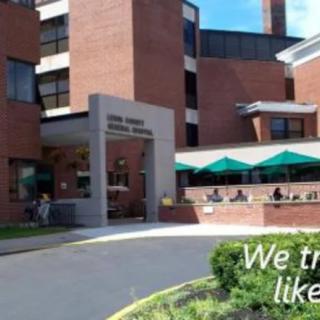
The Lewis County General Hospital-Nursing Home Unit in Lowville, NY offers a comfortable and supportive assisted living community for seniors. Residents can enjoy a range of amenities and services to enhance their quality of life.

The community provides a variety of amenities to meet the needs and interests of its residents. A beauty salon is available for residents to maintain their personal grooming needs. Cable or satellite TV is provided for entertainment purposes. Community-operated transportation makes it convenient for residents to access local services and activities. For those who enjoy technology, there is a computer center with internet access.

Meals are served in a spacious dining room, offering restaurant-style dining for residents to enjoy delicious and nutritious meals prepared by the staff. Alternatively, residents can make use of the kitchenette in their fully furnished apartments if they prefer to cook their own meals.

To ensure cleanliness and orderliness, housekeeping services are available for each apartment. The community also provides move-in coordination for new residents, making the transition process as smooth as possible. Outdoor spaces including gardens offer opportunities for relaxation or socialization in nature.

Residents have access to private bathrooms in their apartments, providing convenience and privacy. The nursing home unit offers 24-hour call systems and supervision to ensure the safety and well-being of all residents. Assistance with activities of daily living such as bathing, dressing, and transfers is provided by trained staff members whenever needed.

For those with special dietary requirements such as diabetes diets or other restrictions, the community offers tailored meal preparation and service. Medication management services ensure that medications are taken correctly and on time. A mental wellness program promotes emotional well-being among residents.

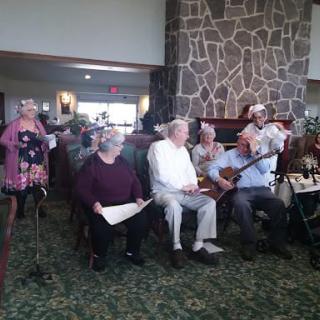
A wealth of activities are offered within the community to keep residents engaged and active. Concierge services provide assistance with coordinating outings or trips outside the facility. Fitness programs cater to various fitness levels so that everyone can participate comfortably. Planned day trips offer opportunities for exploration beyond the facility's premises. Resident-run activities give residents a chance to showcase their talents and hobbies. Scheduled daily activities provide structure and entertainment for all.

The community is conveniently located near various amenities and services in the surrounding area. Nearby cafes, parks, pharmacies, physicians, restaurants, places of worship, and theaters offer residents convenience and opportunities for socialization or recreation.

Overall, Lewis County General Hospital-Nursing Home Unit offers a well-rounded assisted living community with numerous amenities, comprehensive care services, an array of dining options, engaging activities, and convenient access to local amenities.

Nearby Places of Interest

Physicians

  • Lowville Medical Associates (0 miles)
  • Lowville Medical Associates (0.7 miles)
  • Lowville Urgent Care (0.7 miles)
  • Bain Sabrina N MD - Behavioral Health & Wellness Center (0.8 miles)
  • Beaver River Health Center (7.1 miles)
  • Birk Thomas P DO - LCGH Family Health Center (7.1 miles)
  • Jefferson Eye Surgeons (9.7 miles)

Restaurants

  • Get It & Go (0.6 miles)
  • New York Pizzeria (0.7 miles)
  • Maples (0.7 miles)
  • Jebs (0.7 miles)
  • Jreck Subs (0.7 miles)
  • Gary's Restaurant (0.7 miles)
  • Dragon House (0.9 miles)

Parks

  • Lowville Village Park (0.6 miles)
  • Whittaker Falls Park (4.9 miles)
  • Croghan Park (8.8 miles)
  • Tuggers (11 miles)
  • Carthage Street Department (13.7 miles)
  • West Carthage Playground (13.8 miles)
  • Carthage Recreation Park (14.2 miles)

Places of Worship

  • United Methodist Church (0.7 miles)
  • Parishes of St Peter's, St Mary's, and St Hedwig's (0.8 miles)
  • Saint Peters Church (0.8 miles)
  • Church of Jesus Christ of Latter Day Saints (0.9 miles)
  • Maple Ridge Center (1 miles)
  • New Day Community Church (1.1 miles)
  • Community Assembly of God (1.5 miles)

Cafes

  • Cafe Z (0.7 miles)
  • Pioneer Cafe (7.9 miles)

Theaters

  • Town Hall Theatre (0.8 miles)
  • Black River Drive In Theatre (21.1 miles)

Pharmacies

  • Kinney Drugs (1.5 miles)
  • Walmart Pharmacy (1.9 miles)
  • Walgreens (13.4 miles)
  • Kinney Drugs (13.8 miles)
  • Falls Pharmacy (13.9 miles)

Transportation

  • Crystal Creek Taxidermy (6.8 miles)
  • U-Haul Neighborhood Dealer (7.5 miles)
  • DOL Rail Head (21.5 miles)

Hospitals

  • Carthage Area Hospital Foundation (13.7 miles)
  • Carthage Area Hospital Pediatric Clinic (13.8 miles)
  • Carthage Hosp. X-Ray Department (14 miles)

Frequently Asked Questions

Where is Lewis County General Hospital-Nursing Home Unit?
What photos are available for Lewis County General Hospital-Nursing Home Unit in Lowville, New York?

Nearby Communities

Related Resources

  • what is hospice care at homeUnderstanding Hospice Care at Home: Comprehensive Services, Key Benefits, and Eligibility
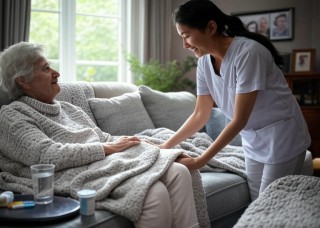
    Hospice care at home provides specialized end-of-life support that focuses on comfort and dignity for individuals with life-limiting illnesses, offering a range of services including medical management, emotional and spiritual support, and logistical assistance tailored to the family's needs. It involves collaboration to create individualized care plans and extends to bereavement support after a loved one's passing.

  • how much does 24/7 in home care cost per monthUnderstanding the Full Cost of 24/7 In-Home Care: A Detailed Overview

    The guide outlines the rising costs of 24/7 in-home care, ranging from $10,000 to over $20,000 monthly, driven by factors such as location and caregiver qualifications. It discusses the limited coverage by Medicare and private insurance, potential Medicaid support, and the emotional and living condition considerations influencing families' decisions on care arrangements.

  • home health nurseExploring the World of Home Health Nurses: Qualifications, Roles, and Hiring Tips
    Home health nursing is an expanding field where licensed professionals provide specialized medical care in patients' homes, addressing the needs of an aging population through personalized services like assessments and medication management. Effective collaboration with healthcare teams, cultural sensitivity, and quality assurance measures are essential for fostering trust and ensuring positive patient outcomes.