For more information about senior living options: (844) 490-3973
4.6 from 27 reviews
5 stars
21
4 stars
3
3 stars
2
2 stars
0
1 stars
1
Independent Living
Ives Hill Retirement Community Costs & Pricing
Ives Hill Retirement Community offers competitive pricing in the context of both Lewis County and New York State overall. For a one-bedroom unit, residents pay $2,735 per month, significantly lower than the county average of $3,749 and the state average of $4,307. In contrast, two-bedroom units are priced at $3,403 per month, which is slightly above the Lewis County average of $2,757 but still considerably less than the New York state average of $4,786. These cost structures suggest that Ives Hill provides an attractive option for seniors seeking quality accommodations without straining their financial resources compared to regional and statewide alternatives.
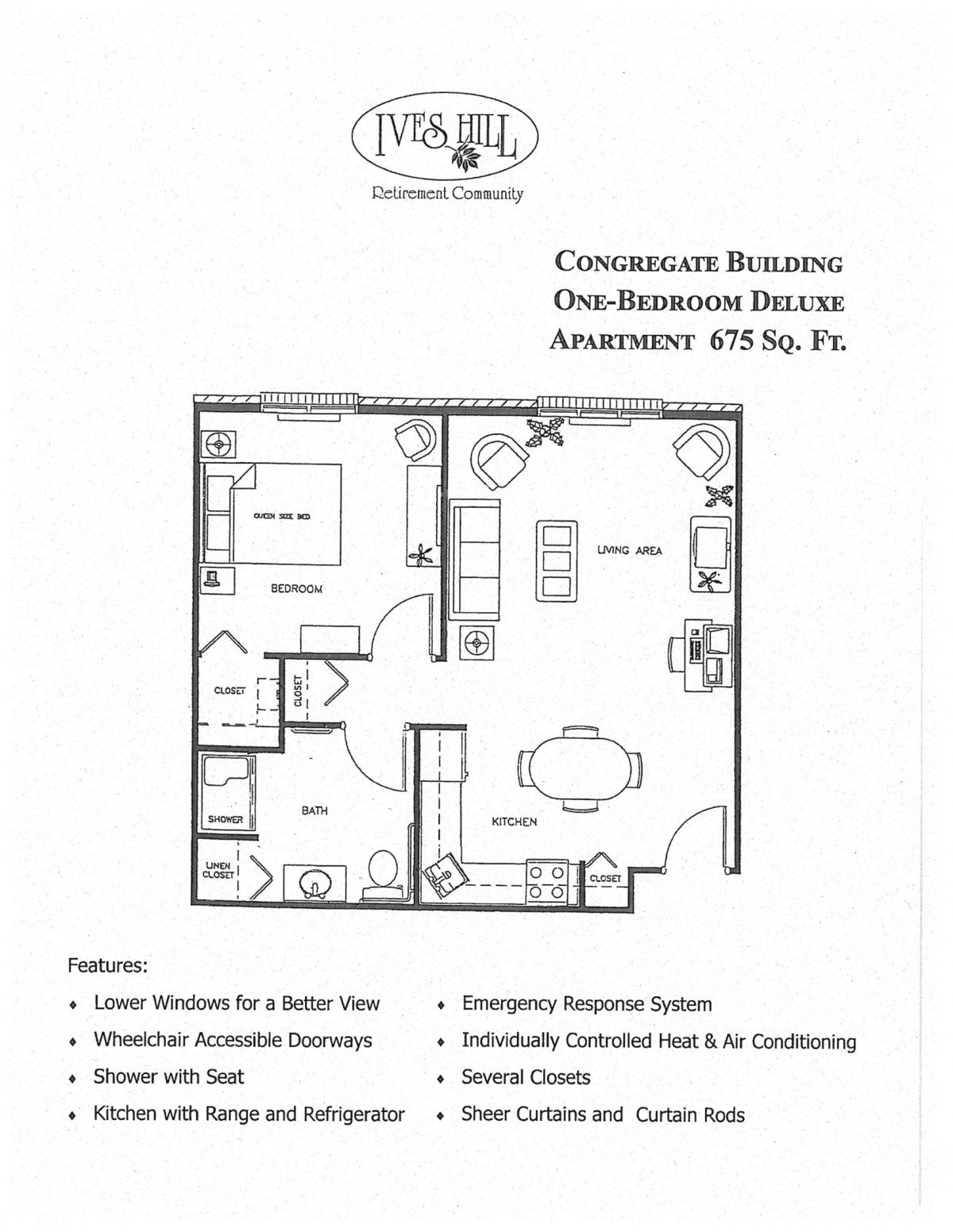
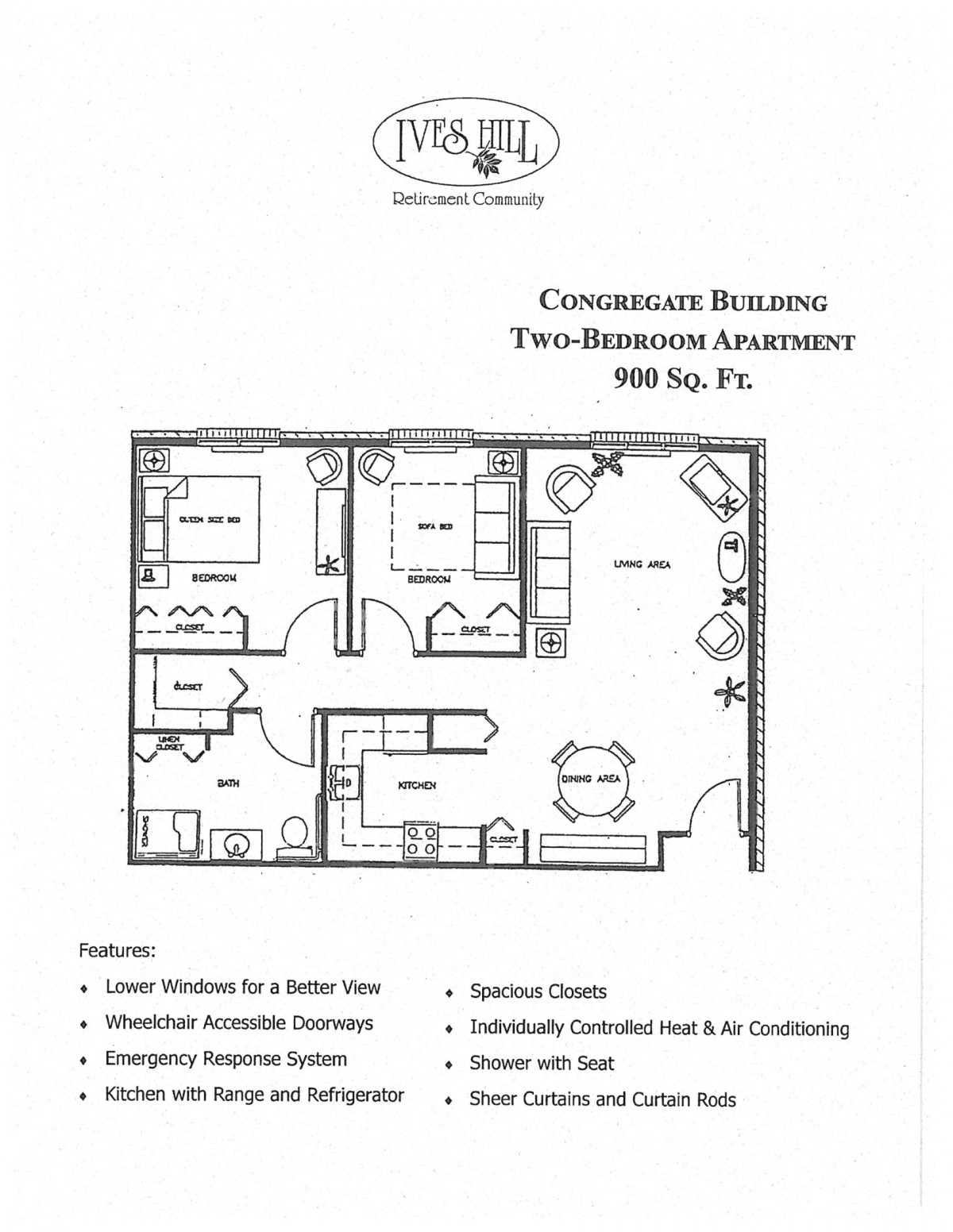
Floor plans
Ives Hill Retirement Community
Lewis County
New York
1 Bedroom
$2,735
$3,749
$4,307
2 Bedrooms
$3,403
$2,757
$4,786
Features
Types of Care
Independent LivingIndependent living communities are important for seniors because they offer a safe and supportive environment where older adults can live independently while still having access to amenities and services that enhance their quality of life. These communities provide social opportunities, recreational activities, and assistance with daily tasks, promoting overall well-being and allowing seniors to maintain their independence for as long as possible.
Pets
Cats allowed"Pet friendly" senior living communities are important for seniors because pets provide companionship, reduce feelings of loneliness and depression, promote physical activity and mental stimulation, and offer a sense of purpose and responsibility. Pets can improve overall well-being and quality of life for seniors in many ways.
Dogs allowed"Pet friendly" senior living communities are important for seniors because pets provide companionship, reduce feelings of loneliness and depression, promote physical activity and mental stimulation, and offer a sense of purpose and responsibility. Pets can improve overall well-being and quality of life for seniors in many ways.
Amenities
Activities off-siteEngaging in off-site activities is crucial for seniors to maintain social connections, stay active, and stimulate their minds. It promotes overall well-being and helps combat feelings of isolation and loneliness.
Activities on-siteActivities on-site are important for seniors because they provide opportunities for socialization, mental stimulation, physical activity, and overall well-being. Engaging in activities can help seniors stay active, maintain their independence, and improve their quality of life.
Air-conditioningAir conditioning is important for seniors as they are more vulnerable to heat-related illnesses and may have underlying health conditions that make it difficult for them to regulate their body temperature. It helps to keep them comfortable, safe, and healthy in hot weather.
Devotional services off-siteDevotional services off-site are important for seniors as they provide spiritual nourishment, social engagement, and a sense of community outside of the senior living facility. This can enhance overall well-being and help combat feelings of isolation and loneliness often experienced by older adults.
Devotional services on-siteDevotional services on-site provide seniors with spiritual support and a sense of community, as well as an opportunity for reflection and guidance during their senior living experience. This can promote emotional well-being and connection to others, leading to a more fulfilling and enriching lifestyle in their later years.
Full kitchenHaving a full kitchen in a senior living facility is important for seniors because it allows them to maintain their independence and prepare their own meals. This promotes healthy eating habits, saves money on dining out, and provides a sense of familiarity and comfort for residents.
Ground floor unitsGround floor units are important for seniors because they provide easy accessibility, reduced risk of falls and injuries, and convenience for those with mobility issues. Seniors can avoid climbing stairs or using elevators, making daily tasks and activities more manageable and enjoyable.
Handicap accessible"Handicap accessible" amenities are crucial for seniors to ensure they can easily navigate and access facilities, services, and activities without barriers or limitations due to physical impairments. This promotes independence, safety, and inclusivity for seniors in senior living communities.
Indoor common areasIndoor common areas are crucial for seniors as they provide a space for socialization, recreation, and community engagement, promoting overall well-being and reducing feelings of isolation and loneliness.
Outdoor common areasOutdoor common areas are important for seniors as they provide a space for socialization, physical activity, and relaxation. Being outside in nature can improve mood and overall well-being, while also encouraging movement and engagement with others. These spaces can help combat feelings of isolation and promote a sense of community among residents.
Wheelchair accessible showersWheelchair accessible showers are crucial for seniors as they provide a safe and independent bathing option for those with mobility challenges. These showers help prevent falls and allow seniors to maintain their dignity and autonomy while ensuring they can bathe comfortably.
Wi-Fi/high-speed internet availableWi-Fi/high-speed internet is important for seniors to stay connected with loved ones, access online resources, and participate in virtual activities to combat feelings of loneliness and isolation. It also allows them to easily manage healthcare needs, access entertainment, and engage in lifelong learning opportunities.
Transportation
Watertown International (5 miles away)
Dining
Guest mealsGuest meals are important for seniors living in senior living communities because they provide an opportunity for socialization and companionship. Sharing a meal with friends, family, or new acquaintances can help combat feelings of loneliness and isolation, promote a sense of community, and enhance overall well-being. Additionally, guest meals allow seniors to enjoy delicious food in a comfortable setting without the hassle of cooking or cleaning up, making dining a pleasurable and stress-free experience.
Low / no sodiumLow/no sodium options are important for seniors because excessive sodium intake can lead to high blood pressure, heart disease, and other health issues commonly experienced by older adults. By choosing low/no sodium foods, seniors can better manage their health and reduce their risk of developing these conditions.
Meals provided"Meals provided" are crucial for seniors in assisted living communities as it ensures they have access to nutritious, balanced meals without the stress of meal planning and preparation. This can help promote overall health and well-being for seniors who may have limited mobility or cognitive abilities.
No SugarNo sugar diets are important for seniors because they can help prevent or manage chronic conditions such as diabetes, heart disease, and obesity. Sugar can also contribute to cognitive decline and inflammation in the body, so reducing sugar intake can lead to overall improved health and well-being in older adults.
Professional chefProfessional chefs are important for seniors living in senior living communities because they provide nutritious and delicious meals that cater to their dietary needs and preferences. A professional chef can ensure that seniors are receiving balanced, flavorful meals that support their overall health and well-being.
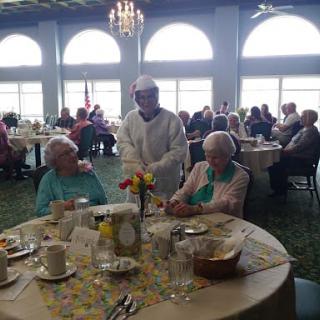
Restaurant style diningRestaurant style dining is important for seniors as it offers them a social and enjoyable dining experience, promotes healthy eating habits, and provides personalized menu options to cater to their dietary needs and preferences. This type of dining setting can enhance their overall quality of life and create a sense of community within the senior living facility.
Room serviceRoom service is important for seniors in a senior living community because it provides convenience and allows them to have their meals delivered directly to their room. This can be especially beneficial for seniors who may have mobility issues or difficulty accessing the dining area. Room service ensures that seniors are able to receive nutritious meals without having to navigate through the facility, allowing them to maintain their independence and overall well-being.
Activities
Art classesArt classes are important for seniors because they provide a creative outlet, improve cognitive function, reduce stress and anxiety, promote socialization, and enhance overall well-being and quality of life.
Catholic servicesCatholic services are important for seniors because they provide spiritual support, a sense of community, and opportunities for social interaction that can enhance overall well-being and quality of life in their later years.
Day trips and outingsDay trips and outings are important for seniors as they provide opportunities for socialization, mental stimulation, physical activity, and a break from daily routines. These experiences can enhance overall well-being and quality of life for older adults living in senior communities.
Devotional activities offsiteDevotional activities offsite are important for seniors because they provide social engagement, spiritual growth, and a sense of community outside of their living environment. This can improve overall well-being, mental health, and combat feelings of isolation or loneliness.
Devotional activities on-siteDevotional activities on-site provide seniors with a sense of community, spiritual fulfillment, and emotional support, promoting overall well-being and a positive sense of purpose in their lives.
Happy hourHappy hour is important for seniors as it provides a social activity that promotes camaraderie and reduces feelings of loneliness or isolation. It also offers an opportunity for older adults to relax, unwind, and enjoy some drinks or snacks in a fun and welcoming atmosphere.
KaraokeKaraoke provides seniors with a fun and social activity that can boost mood, confidence, and cognitive function. It encourages social interaction, physical movement, and creative expression, making it an important form of entertainment for senior living communities.
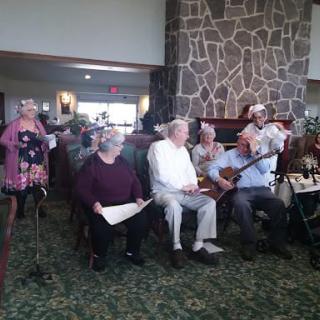
Live musical performancesLive musical performances can provide seniors with a sense of joy, nostalgia, and connection. Music has the power to evoke emotions and memories, improve mood and cognitive function, and foster social interaction among seniors. It can also serve as a form of therapy and stress relief for older adults, making it an important activity to include in senior living communities.
Live well programs"Live well programs are essential for seniors as they provide opportunities for physical activity, social engagement, and mental stimulation, ultimately promoting overall health and well-being in later years."
Other religious servicesOther religious services are important for seniors as they provide a sense of community, spiritual comfort, and opportunities for socializing. These services can help seniors feel connected to their faith and maintain a sense of purpose and belonging in their later years.
Protestant servicesProtestant services are important for seniors because they provide spiritual nourishment, community support, and a sense of belonging. These services can help seniors connect with others who share their faith, find comfort and guidance in times of need, and maintain a sense of purpose and fulfillment in their later years.
Visiting chaplain or priestHaving a visiting chaplain or priest at a senior living community is important for seniors because it provides spiritual support, comfort, and guidance during a time of life that can be challenging and uncertain. Their presence can help seniors feel connected to their faith, find peace of mind, and cope with the emotional and mental struggles they may face in their later years.
Description
Ives Hill Retirement Community in Watertown, NY offers a range of amenities and services to ensure a comfortable and fulfilling living experience for its residents. The community provides a variety of activities on-site to keep residents engaged and social, along with air-conditioning to maintain a pleasant living environment. Devotional services are available both on-site and off-site, catering to residents' spiritual needs.
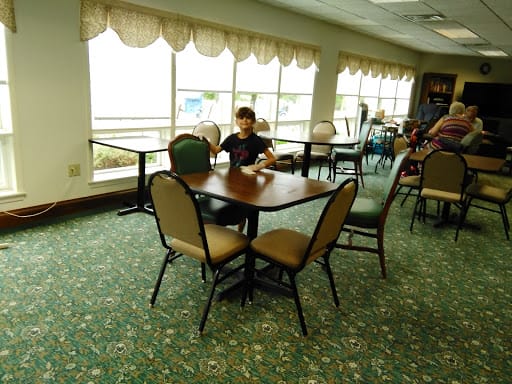
Each unit at Ives Hill Retirement Community features a full kitchen, allowing residents the flexibility to prepare their own meals if desired. Ground floor units and handicap accessibility make it easy for all residents to navigate the community, while indoor and outdoor common areas provide spaces for socializing and relaxation. The wheelchair accessible showers ensure convenience and safety for those with mobility challenges. Additionally, the community offers Wi-Fi/high-speed internet connectivity for residents to stay connected with loved ones or engage in online activities.
Dining at Ives Hill Retirement Community is designed to meet individual dietary preferences and restrictions, including low/no sodium, no sugar options. With the expertise of a professional chef, meals are provided in a restaurant-style dining setting or through room service for added convenience.
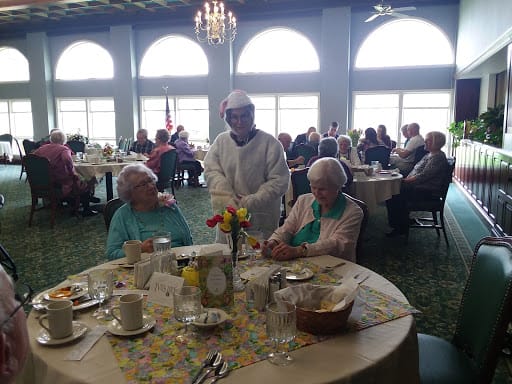
Residents can enjoy a wide array of activities offered onsite such as Catholic and Protestant services, devotional activities both on-site and offsite, happy hours, karaoke sessions, live musical performances, as well as various wellness programs. Other religious services are also available with visiting chaplains or priests.
The location of Ives Hill Retirement Community is highly convenient as it is surrounded by numerous cafes, parks, pharmacies, physicians' offices, restaurants, transportation options, places of worship nearby. This ensures that residents have easy access to essential amenities and services within close proximity.
Overall, Ives Hill Retirement Community provides an inclusive living environment with ample amenities and services that cater to the diverse needs and interests of its residents.
Nearby Places of Interest
This area of Watertown, New York offers a variety of amenities and services that may be appealing for senior living. The presence of multiple places of worship, including Roman Catholic and Anglican churches, provides opportunities for spiritual enrichment and community engagement. Additionally, the proximity to physicians' offices such as cardiology and neurology specialists, as well as pharmacies like Walgreens and Kinney Drugs, ensures easy access to healthcare services. Various dining options ranging from fast food chains to Japanese steak houses cater to diverse culinary preferences. Nearby hospitals like Samaritan Medical Center also offer peace of mind in case of medical emergencies. Furthermore, the availability of transportation services such as taxis and U-Haul moving options makes getting around convenient. Parks like Thompson Park offer outdoor recreational opportunities while cafes like Starbucks and Panera Bread provide spaces for socializing and relaxation. Overall, this area provides a mix of essential services and leisure options that can contribute to a comfortable and fulfilling senior living experience.
Places of Worship
Roman Catholic Diocese (0.4 miles)
New York State Assembly Members Watertown (1.4 miles)
Anglican Church of Christ the King (2 miles)
Korean Baptist Church (2.2 miles)
Watertown Baptist Temple Study (4.7 miles)
St Johns Episcopal Church (7.4 miles)
Black River United Methodist Church (7.6 miles)
Physicians
Fort Drum/Samaritan Behavioral (0.8 miles)
Harvey Frank E Dr MD (1 miles)
Clopper, Todd Alliance Imaging (1.1 miles)
Jefferson Eye Surgeons (1.1 miles)
Cardiology Associates of Northern New York (1.1 miles)
North Country Neurology (1.1 miles)
Samaritan Ent Group (1.1 miles)
Pharmacies
Walgreens (1 miles)
Price Chopper Pharmacy (1 miles)
Kinney Drugs (1.1 miles)
Restaurants
Arby's (1 miles)
Taco Bell (1 miles)
1025 Ruyi Japanese Steak House (1 miles)
Burger King (1 miles)
Jreck Subs (1 miles)
McDonald's (1 miles)
Piezano's (1.1 miles)
Hospitals
Samaritan Medical Center Radiology Department (1.1 miles)
Ives Hill Retirement Community offers competitive pricing in the context of both Lewis County and New York State overall. For a one-bedroom unit, residents pay $2,735 per month, significantly lower than the county average of $3,749 and the state average of $4,307. In contrast, two-bedroom units are priced at $3,403 per month, which is slightly above the Lewis County average of $2,757 but still considerably less than the New York state average of $4,786. These cost structures suggest that Ives Hill provides an attractive option for seniors seeking quality accommodations without straining their financial resources compared to regional and statewide alternatives.
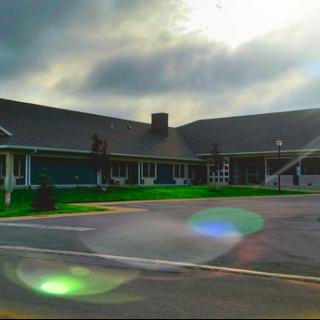
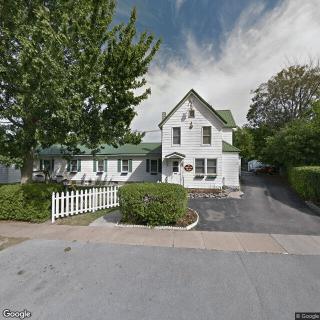
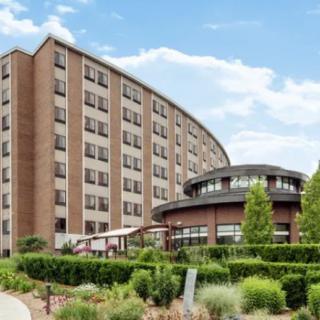
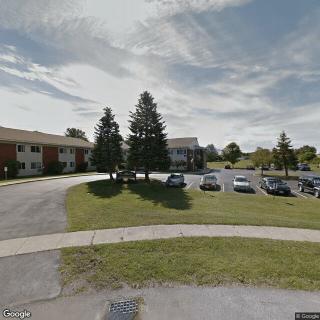
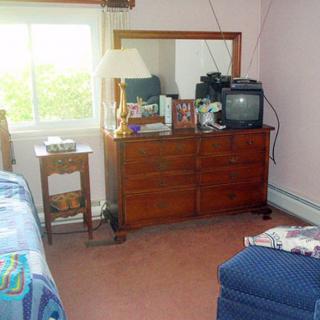
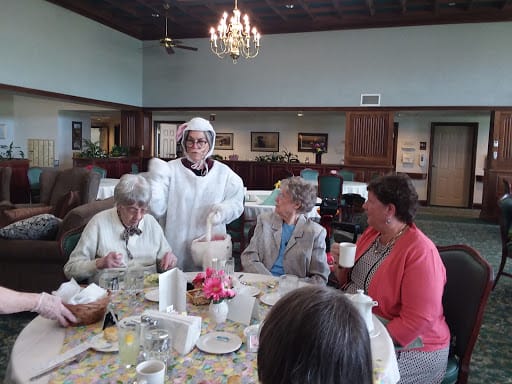
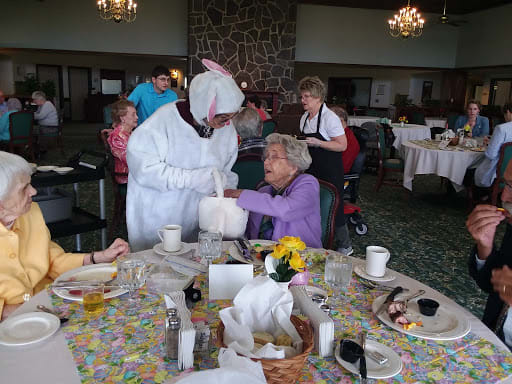
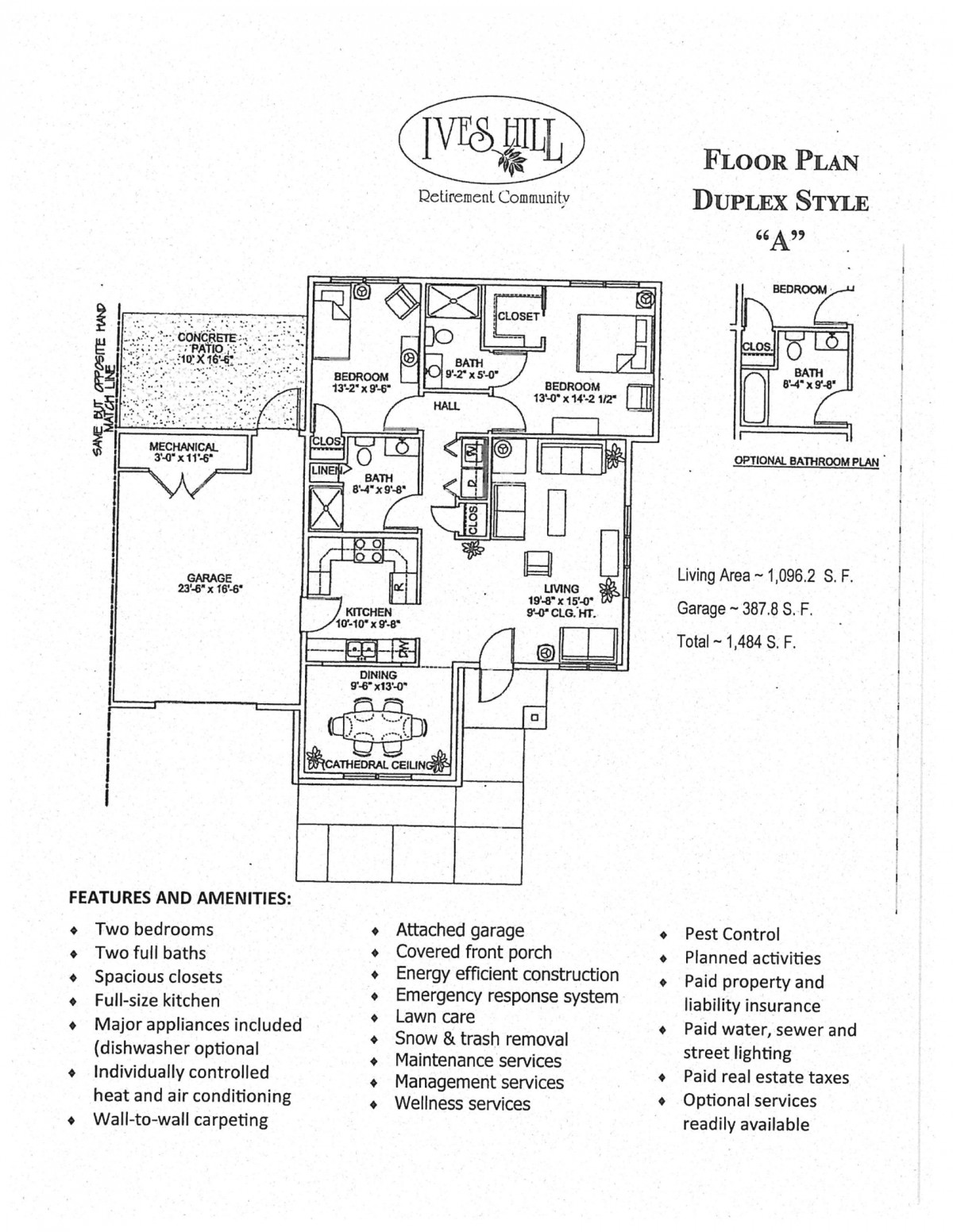
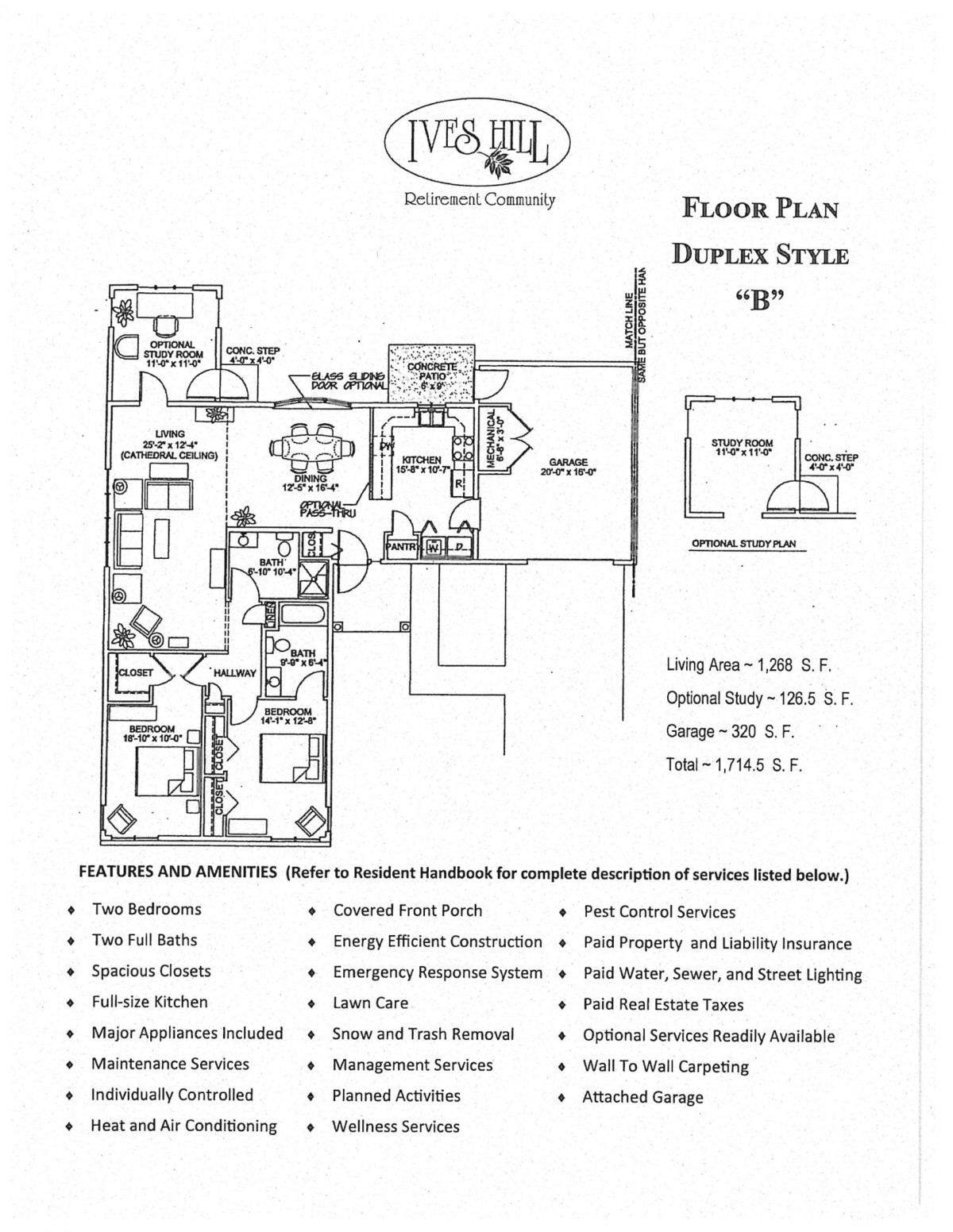
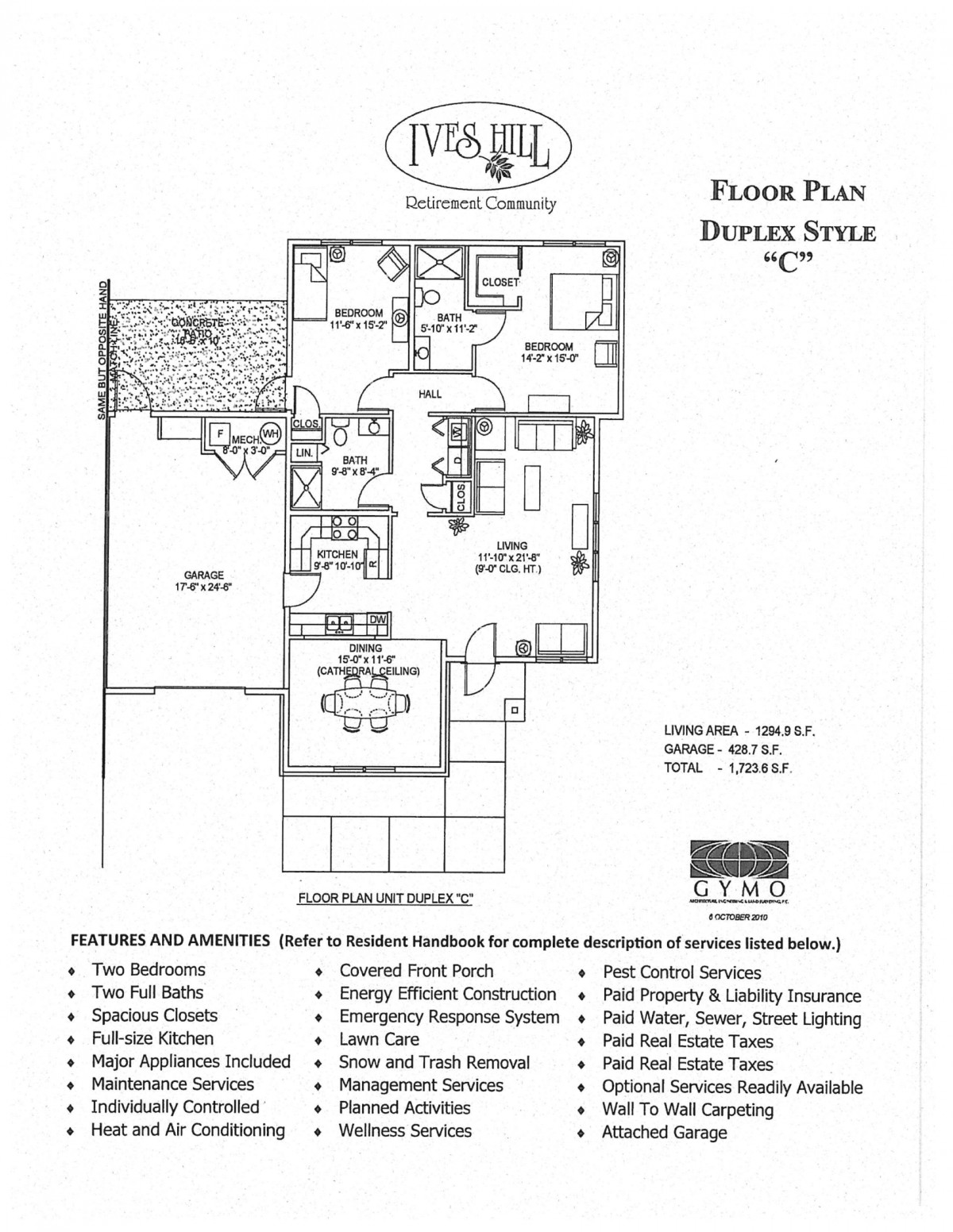
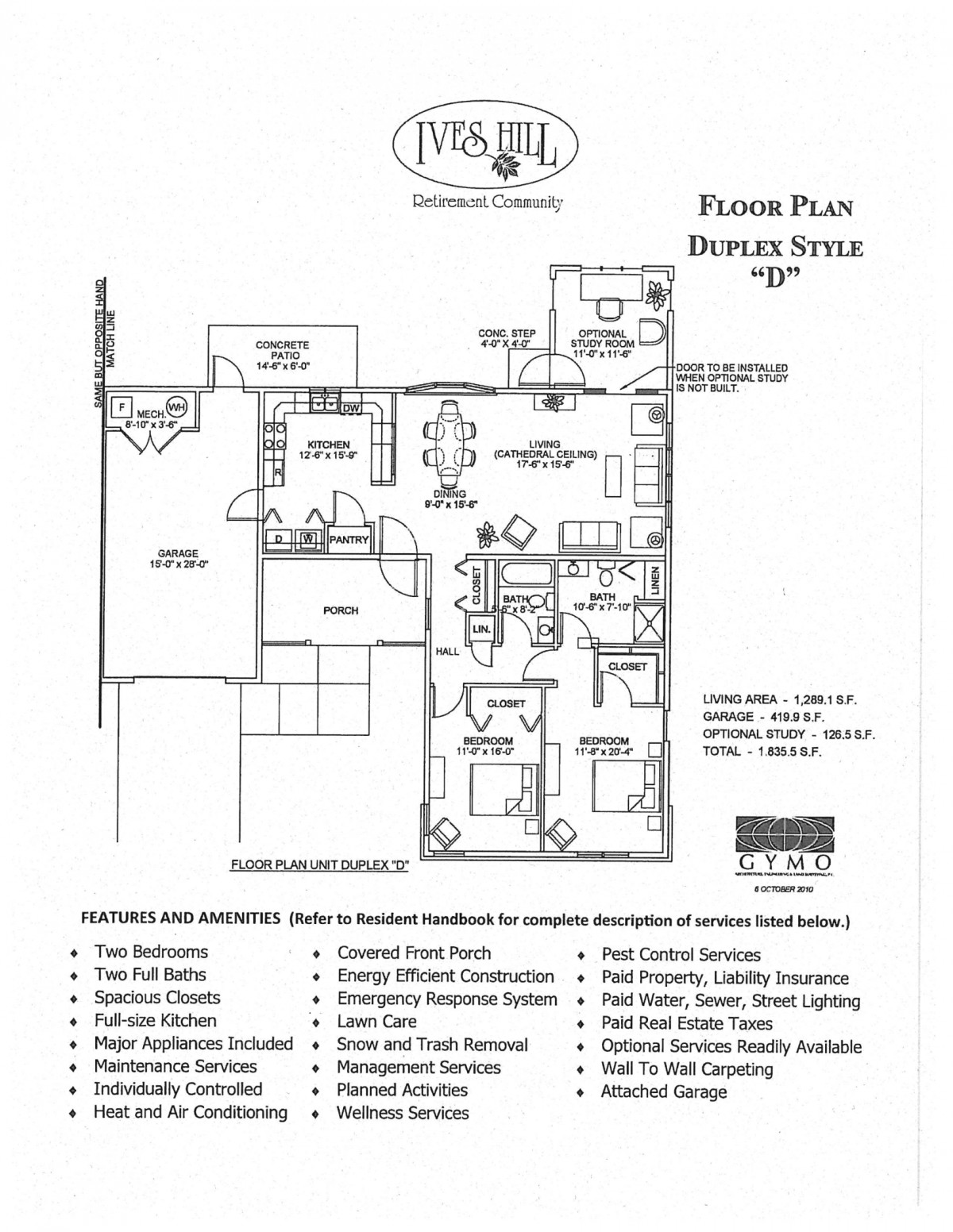
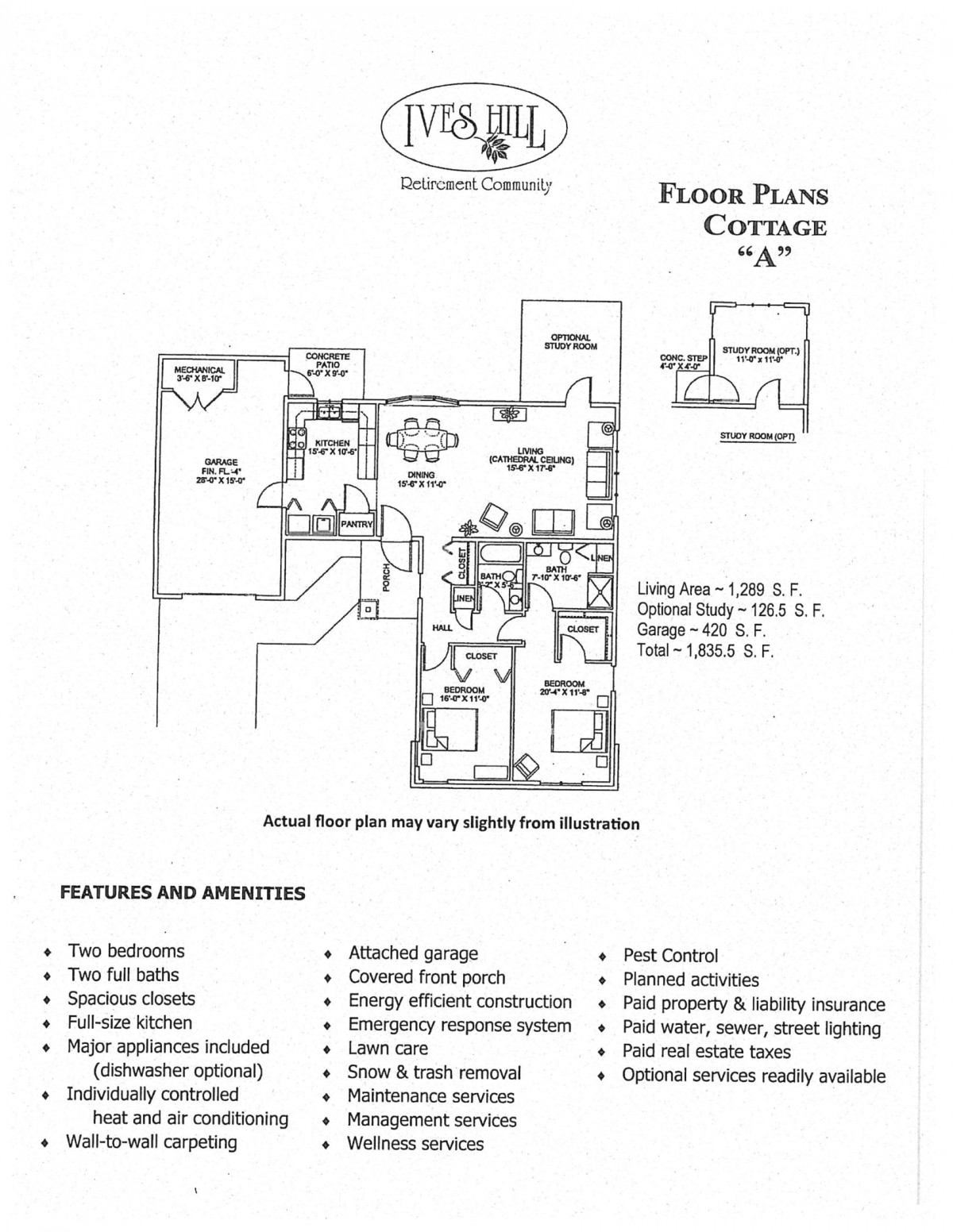
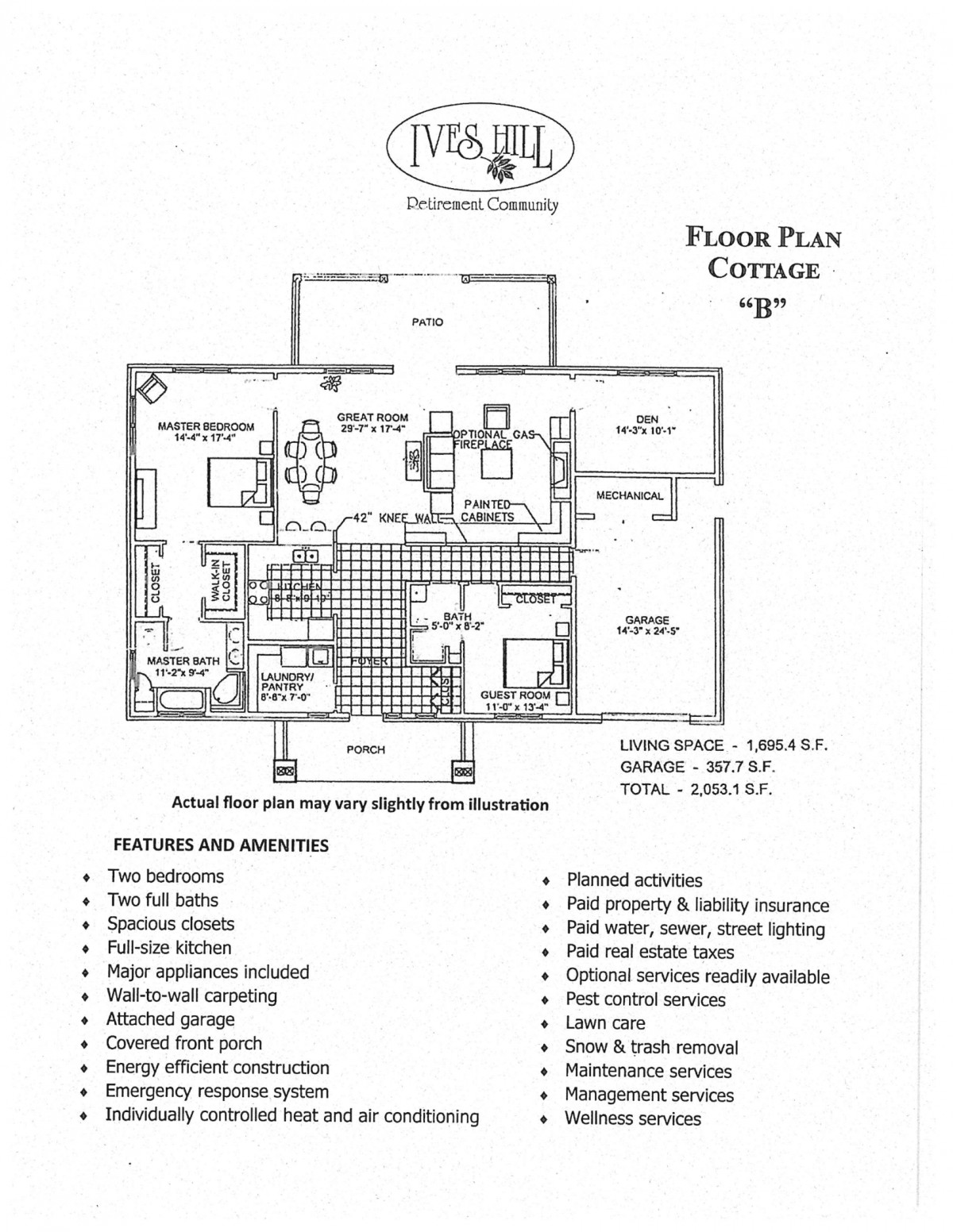
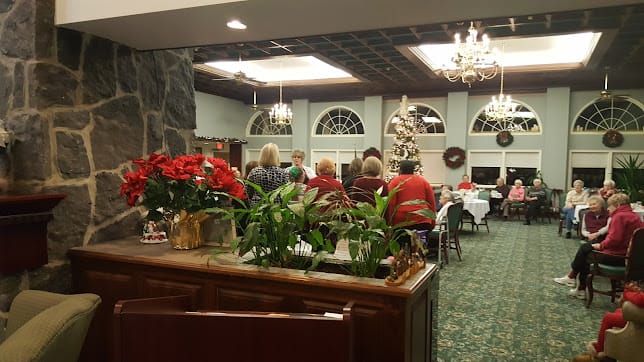
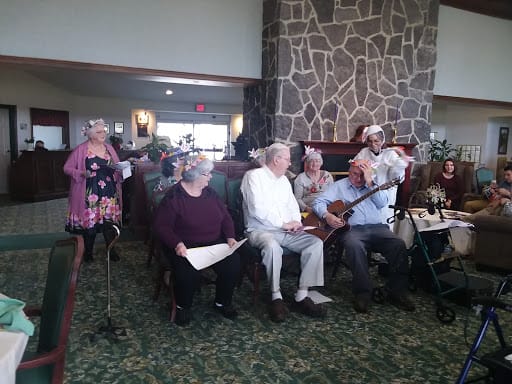
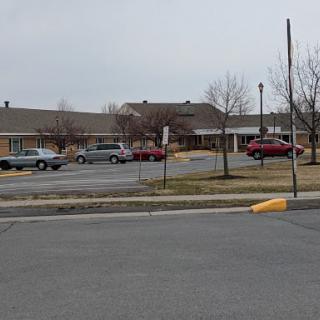
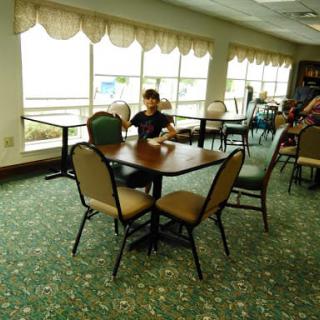
Ives Hill Retirement Community on seniors.fyi includes 16 photos including images showing floor plan, dining, architecture, interior, design, home design, architectural drawing, architectural design, and more.
Nearby Communities
The Lodge At Ives Hill
Watertown, NY
4.8 from 12 reviews
Beautiful, home-like facility with spacious, well-appointed apartments and engaging activities in a convenient, serene setting.
Skilled nursing facilities (SNFs) provide high-level medical care and rehabilitation for short-term recovery, typically covered by Medicare after hospitalization, while nursing homes focus on ongoing custodial care for chronic conditions, mainly funded by Medicaid or private payments. The staffing and regulatory structures differ significantly between the two, necessitating clarity for families in choosing appropriate long-term care options.
Nursing home care costs in the U.S. vary significantly based on location, level of care, and amenities, with private room prices ranging from approximately $6,700 to over $30,000 monthly. Families need to explore various payment options and conduct thorough research to manage these expenses effectively.
Nonmedical home care provides assistance with daily activities and companionship for individuals wishing to maintain independence and quality of life at home, without medical intervention. Its growing popularity is driven by an aging population, the need for supportive environments for recovery, and the emotional benefits of caregiver companionship, while costs vary based on service frequency and location.