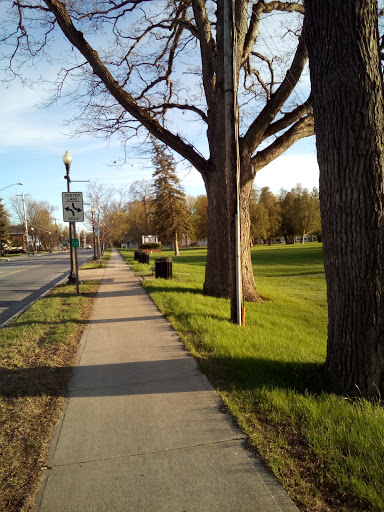
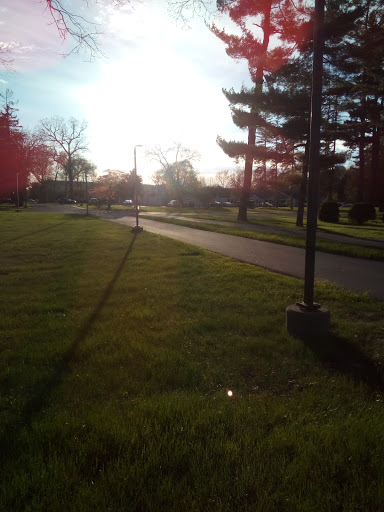
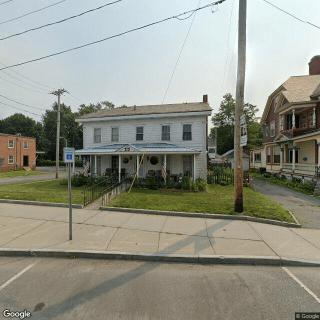
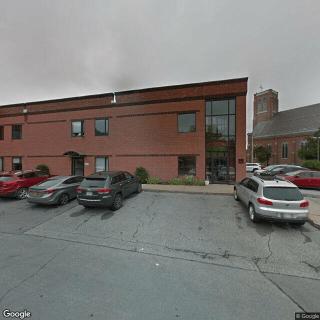
319 Upper Broadway, Fort Edward, NY 12828
For more information about senior living options: (866) 208-4318
Fort Hudson Nursing Center Costs & Pricing
Fort Hudson Nursing Center offers care at competitive rates compared to the broader market in Washington County and New York State. For a semi-private room, residents can expect to pay $3,500 per month, which is significantly lower than the county average of $2,783 but more favorable than the state average of $4,389. In the case of private rooms, Fort Hudson's monthly fee is $4,000 - substantially less than both the county's average of $5,400 and New York State's average of $5,159. These pricing structures suggest that Fort Hudson provides a high-quality option for families seeking nursing care that balances affordability with comprehensive services within a welcoming environment.
| Floor plans | Fort Hudson Nursing Center | Washington County | New York |
|---|---|---|---|
| Semi-Private | $3,500 | $2,783 | $4,389 |
| Private | $4,000 | $5,400 | $5,159 |
Overall Review of Fort Hudson Nursing Center
Pros
 The staff take really good care of residents and never abuse them.
- They have great staff and a wonderful location.
- They offer awesome activities for residents and families.
- The atmosphere and artwork around the place are beautiful.
- They provide haircuts and manicures, with weekly services for residents.
- They have a huge fish tank that residents enjoy.
- The staff treat residents like family and go above and beyond.
- It’s the best care in the area.
Cons
 They didn't honor a non-smoking accommodation.
- The aides didn't know how to wash dishes.
- There was a stretch when residents' belongings were getting stolen.
- Not a single nurse came in to see why she needed help.
- They constantly change the elderly's room, causing them to forget which room is theirs and they claim they have Alzheimer's.
- They moved a resident out of a respite spot and put another person in that spot, which was bad for business.
Review
Fort Hudson Nursing Center in Fort Edward is best suited for families seeking skilled nursing care with a strong emphasis on rehabilitation, daily activities, and an engaging, home-like atmosphere. The facility consistently earns praise for attentive staff, meaningful rehab programs, and a welcoming environment that keeps residents busy and connected with family. It works well for seniors who require ongoing skilled care but still want opportunities for social interaction, personal attention, and services like onsite haircuts, manicures, and other small comforts that make long stays feel less clinical. The best-fit profile includes active families willing to participate in care planning and oversight to ensure that the care plan stays aligned with evolving needs.
Despite the overall warmth and care, certain red flags emerge that families should weigh carefully. Some reviews point to operational gaps that can undermine a smooth experience, notably incidents around room assignments, miscommunications about respite admissions, and instances where staff appeared inattentive or overwhelmed in certain moments. A few families report difficulties with housekeeping specifics, such as aides who did not consistently handle routine tasks, suggesting that turnover or training gaps can surface in day-to-day care. For those who prioritize flawless administrative execution and ironclad consistency, these areas warrant close scrutiny and proactive follow-up before selecting Fort Hudson.
The strongest positives, exceptional rehab services, a bright dining area, and a vibrant activity calendar, often counterbalance the concerns. Rehabilitation is repeatedly described as excellent, with therapists who help residents regain independence and function, sometimes accompanied by equipment that enhances autonomy and self-esteem. The atmosphere is repeatedly praised as welcoming, with residents forming friendships and families feeling welcome during visits. Staff kindness and a sense that residents are treated like family come through clearly in multiple testimonials, and the facility’s communal features, a large fish tank, art-filled hallways, and accessible beauty services, contribute to a livable, morale-boosting environment. For families needing a facility that pairs medical acuity with meaningful daily life, these strengths carry substantial weight.
That said, the reported safety and reliability concerns cannot be dismissed. The theft incidents and periodic concerns about room changes point to vulnerabilities in security and routine management that could be stressful for residents and families alike. When a loved one’s belongings go missing or when room reassignment disrupts a sense of belonging, trust in the facility’s operations can be strained. These issues suggest that while Fort Hudson can deliver high-quality clinical care and heart, it benefits from vigilant oversight, transparent incident reporting, and a stable, consistent care team that minimizes disruptions to residents’ daily routines.
For families evaluating options, careful observation during a visit is essential. Prospective residents should request a current care plan and ask to see recent activity schedules, therapy notes, and incident logs. Inquire about staffing patterns, turnover, and how aides are trained to handle routine tasks. Ask about how respite admissions are scheduled and confirmed to avoid misplacements, and verify that non-smoker preferences are clearly honored and consistently enforced. Additionally, assess the physical environment: cleanliness, safety features, accessibility, and how staff respond to calls for help, particularly in the evenings and during peak hours.
Taken as a whole, Fort Hudson presents as a compelling choice for families prioritizing robust rehab, compassionate care, and an engaging daily life for a loved one who needs skilled nursing. The caveats, room and administrative lapses, and occasional gaps in staffing consistency, are not inconsequential, but they are surmountable with proactive family involvement, clear communication, and ongoing oversight. For those who value the blend of clinical capability with an inviting, resident-centered culture, Fort Hudson stands out in the Fort Edward area as a trustworthy option worth pursuing. Alternatives may be worth exploring for families who fear recurring administrative hiccups or who want near-seamless execution in every facet of care, but for many, the positives will outweigh the concerns when aligned with vigilant partnership and a clear care plan.
 196 resident community capacity
 Skilled Nursing Facility
 Air-conditioning
 Beauty salon
 Cable or satellite TV
 Computer center
 Dining room
 Fitness room
 Fully furnished
 Gaming room
 Garden
 Housekeeping services
 Kitchenette
 Move-in coordination
 Outdoor space
 Private bathrooms
 Restaurant-style dining
 Small library
 Telephone
 Wellness center
 Wi-Fi/high-speed internet available
 Community operated transportation
 12-16 hour nursing
 24-hour call system
 Activities of daily living assistance
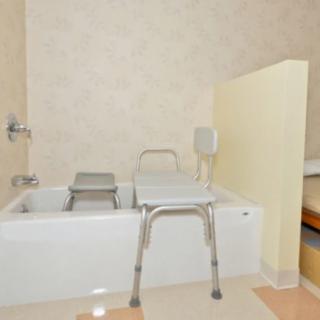
 Assistance with bathing
 Assistance with dressing
 Assistance with transfers
 Diabetes diet
 Medication management
 Mental wellness program
 Special dietary restrictions
 Concierge services
 Planned day trips
 Managing Nursing Home Expenses After Medicare Coverage Ends
 Is a Geriatric Care Manager the Right Choice for Your Family?
 Compassionate Conversations: How to Comfort Someone Who Is Grieving