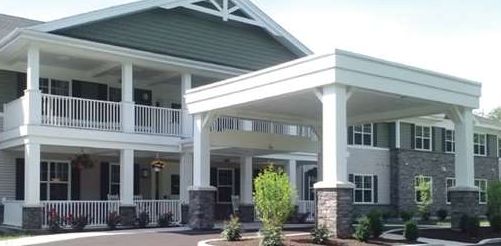
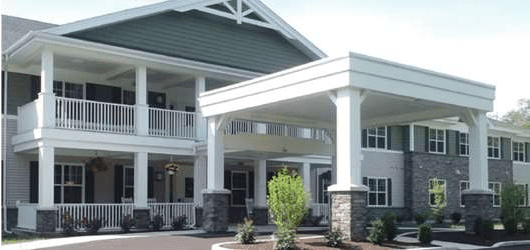
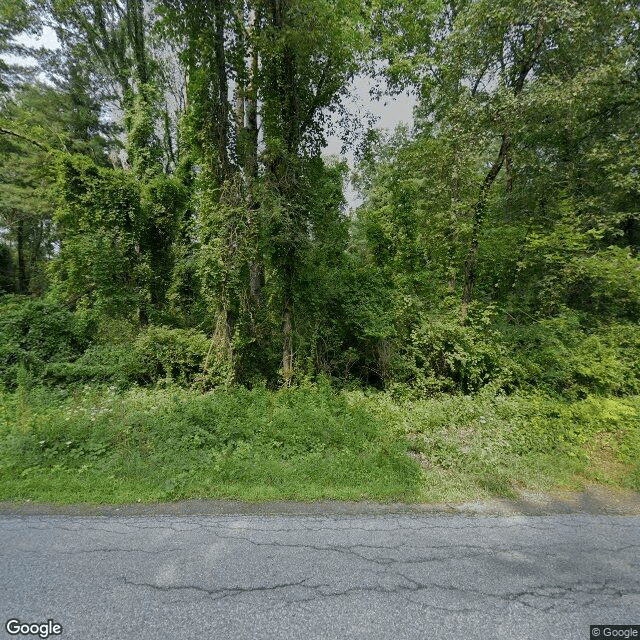
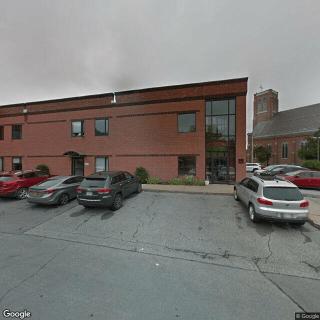
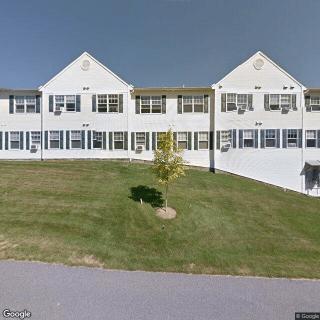
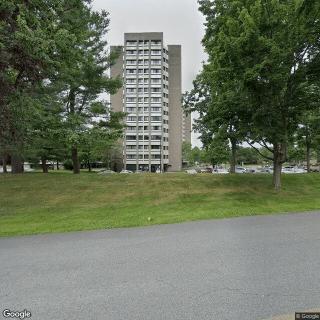
186-200 Bluebird Road, South Glens Falls, NY 12803
For more information about senior living options: (866) 208-4318
Home Of The Good Shepherd Moreau Costs & Pricing
At Home Of The Good Shepherd Moreau, the costs for assisted living reflect a competitive pricing structure in comparison to both Warren County and the broader New York State market. For studio apartments, residents can expect to pay $3,750 per month, which aligns with the county average but presents a notable saving compared to the state average of $4,532. Similarly, one-bedroom units are priced at $4,200 per month - matching the local county rate while remaining lower than the state's average of $4,307. This positioning not only makes Home Of The Good Shepherd Moreau an attractive option for potential residents seeking quality care but also underscores its commitment to providing affordable living solutions within the community.
| Floor plans | Home Of The Good Shepherd Moreau | Warren County | New York |
|---|---|---|---|
| Studio | $3,750 | $3,750 | $4,532 |
| 1 Bedroom | $4,200 | $4,200 | $4,307 |
Assisted Living communities with a similar price nearby
-
from +$216 / mo
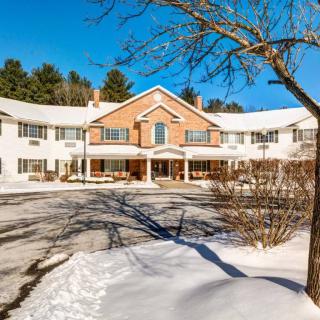
The Landing at Queensbury
$3,966 to $5,600 / month4.0 miles away -
from +$500 / mo
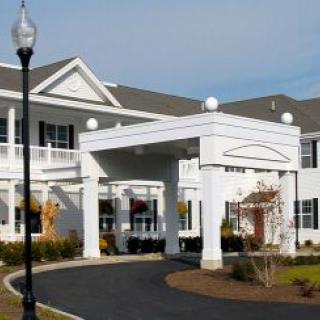
Home Of The Good Shepherd Wilton
$4,250 to $4,650 / month13.2 miles away -
from +$200 / mo
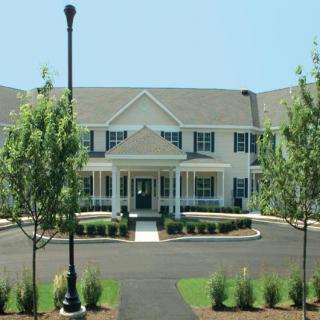
Home Of The Good Shepherd At Highpointe
$3,950 to $4,600 / month22.7 miles away -
from +$350 / mo
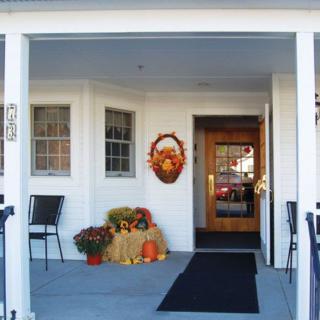
Holbrook Adult Home
$4,100 to $6,950 / month19.8 miles away
Overall Review of Home Of The Good Shepherd Moreau
Pros
 The staff are respectful and kind, consistently treating residents with dignity.
- The Activities staff offer a wide range of options to keep residents active.
- Residents feel safe and well cared for, with staff meeting their needs.
- The facility is clean, welcoming, and beautifully decorated, with plenty of activities.
- The meals are delicious and tailored to each resident's dietary needs and tastes.
- The staff go the extra mile for residents and their families.
- The environment feels like a warm, family-oriented community.
- The leadership and care team are dedicated, professional, and genuinely caring.
Cons
 The staff here are very unprofessional.
- The facility charges $13,000 a month for residents and serves pancakes and soup for dinner.
- The experiences at HOGS of Saratoga and Wilton were horrendous; the facilities are inadequately run by someone unfit to manage them, with lax communication to families.
- They physically wrestled cigarettes from residents, there was a theft, and they go on witch hunts against smokers.
- The management disregards safe staffing, leaving exhausted nurses and aides to fend for themselves.
Review
This community is best suited for families seeking a warm, activity-rich assisted living environment where residents become part of a close-knit, attentive culture. Moreau Home of the Good Shepherd shines for seniors who want daily engagement, a home-like apartment setting, and staff who genuinely invest time in individual well‑being. The atmosphere feels personal and safe, with an emphasis on consistent companionship, meaningful routines, and a sense that life does not stop once assistance is needed. Families that prioritize robust programming, regular outings, and hands-on staff who treat residents with dignity will find this community a strong match. It works particularly well for residents who value social connection, accessibility to on-site services, and reliable coordination with families and outside care partners.
Those who may want to consider alternatives are primarily those who require higher, more predictable levels of medical oversight or those operating on tighter financial margins. Several reviews flag concerns about staffing consistency and management practices, hinting at an environment where care can depend on who is working on a given shift. If the plan is to secure a consistent nursing presence, strict staffing ratios, or transparent, uniform service delivery, other communities with clearer staffing commitments may be preferable. Families also noting price sensitivity should probe deeply into what is included in the monthly rate and what triggers increases, since a few reviewers marked the price versus care value as a point of contention. In short, for residents with escalating needs or limited budgets, alternatives that emphasize transparent staffing models and fixed pricing will deserve serious consideration.
On the upside, the strongest pros center on people and programming that align with a holistic, resident-centered philosophy. The staff are repeatedly described as caring, respectful, and willing to go the extra mile, and the atmosphere often feels like a genuine extension of family life. The Activities team is a standout, offering a wide array of choices that keep residents busy and connected, everything from daily social events to excursions and outings. Residents frequently remark that meals are enjoyable and tailored to dietary needs, and families note clean, welcoming common spaces, thoughtful touches, and decor that feels comfortable rather than clinical. The combination of dependable safety, a sense of belonging, and a permeating culture of attentiveness helps offset occasional service gaps, producing a compelling value for those who prize engagement and a positive day-to-day experience.
That said, there are legitimate cautions that influence how this community slots into a broader decision strategy. A recurring theme is the risk of understaffing on certain shifts and the impact that has on responsiveness and consistency. Some families report the need to push for services or reminders to ensure tasks are completed, which can create anxiety for caregivers trying to balance multiple residents. There are also a few specific complaints about the behavior of individual staff members and about occasional lapses in communication, underscoring the reality that reliability can vary by shift and leadership direction. These concerns do not negate the positive experiences many families report, but they do demand proactive due diligence: ask about current staffing ratios, escalation protocols, and how the team handles last-minute coverage. A clear, documented plan for care coordination and family communication is essential before moving forward.
For decision-making, approach the community with a practical checklist that targets real-world stability. Request current staffing statistics, including CNA-to-resident ratios across day and night shifts, and inquire how frequent staffing shortages are resolved. Probe how care plans are updated when needs change and how hospice or specialized services are integrated into daily routines. Inspect the dining program for consistency in nutrition and flavor, and verify how dietary restrictions are managed in practice. Visit during a peak activity period to observe staff-resident interactions, transportation logistics for outings, and the ease with which families can communicate with the care team. Finally, demand transparency on pricing: what is included, what costs can rise, and whether there are bundled services or optional add-ons that may affect long-term affordability.
In the end, Moreau Home of the Good Shepherd stands out for families who value a vibrant, resident-first culture and a genuinely caring staff. The community delivers meaningful programming, strong social engagement, and a domestic, comforting environment that many residents come to love. For those who prize peace of mind through consistent personal attention, and who can tolerate the occasional staffing fluctuation with a proactive, engaged family approach, this is a compelling choice. However, for families prioritizing unwavering nursing oversight, perfectly predictable staffing, or highly predictable pricing, it is wise to compare with alternatives that emphasize staffing transparency and tighter control over care delivery. A candid, in-person assessment, focusing on staffing, care planning, and daily operational consistency, will determine whether Moreau Good Shepherd will achieve the balance a specific resident requires.
 72 resident community capacity
 Assisted Living
 Activities off-site
 Air-conditioning
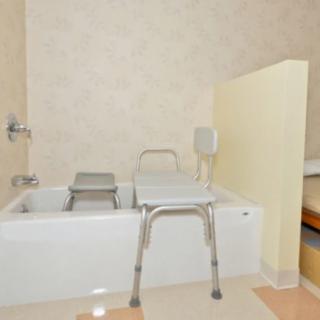
 Bath tubs
 Beautician on-site
 Cable or satellite TV
 Computer center
 Devotional services off-site
 Dining room
 Fitness room
 Fully furnished
 Gaming room
 Garden
 Ground floor units
 Handicap accessible
 Housekeeping services
 Indoor common areas
 Kitchenette
 Move-in coordination
 Outdoor common areas
 Private bathrooms
 Restaurant-style dining
 Small library
 Telephone
 Wellness center
 Wheelchair accessible showers
 Wi-Fi/high-speed internet available
 Community operated transportation
 12-16 hour nursing
 24-hour call system
 Assistance with bathing
 Assistance with dressing
 Assistance with transfers
 Diabetes diet
 Diabetic care
 High acuity care
 Incontinence care
 Medication management
 Mental wellness program
 Special dietary restrictions
 Art classes
 Catholic services
 Concierge services
 Cooking classes
 Day trips and outings
 Educational speakers / life long learning
 Jewish services
 Karaoke
 Wine tasting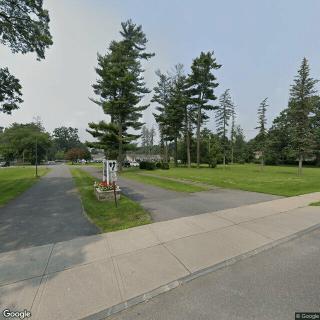

 Vibrant Senior Living: A Comprehensive Guide for Active Older Adults
 When to Transition from Assisted Living to Memory Care: Key Indicators, Steps, and Finding the Right Community
 Assisted Living and Memory Care: Understanding Their Core Differences