Forest Hills Care Center in Forest Hills, NY

Save

  • Interior

    A stylish cafe interior featuring pink chandeliers and modern mirrors.
  • Decor

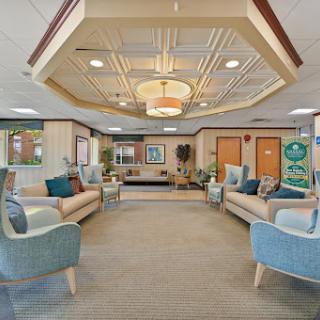
    A stylish and modern lounge interior featuring elegant chandeliers and mirrors.
  • Living Room

    A modern living room with a sleek sofa, mounted television, and stylish fireplace.
  • Building

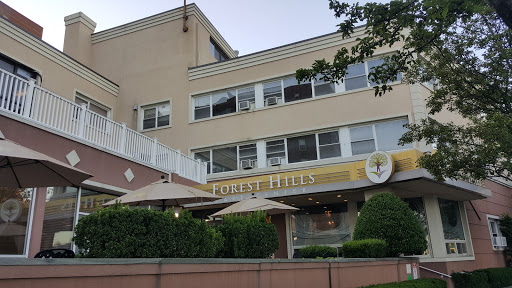
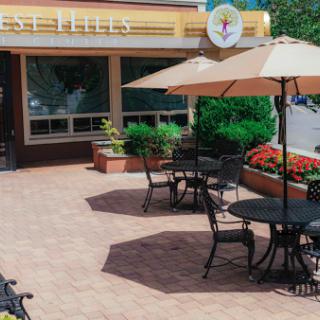
    The exterior of a restaurant located in Forest Hills, featuring outdoor seating and an inviting sign.
  • Windows

    A cozy restaurant with outdoor seating surrounded by greenery.
  • Dining

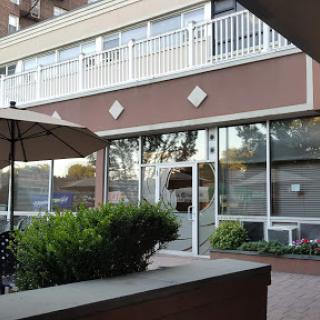
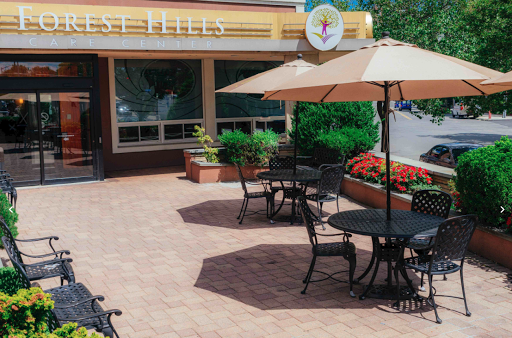
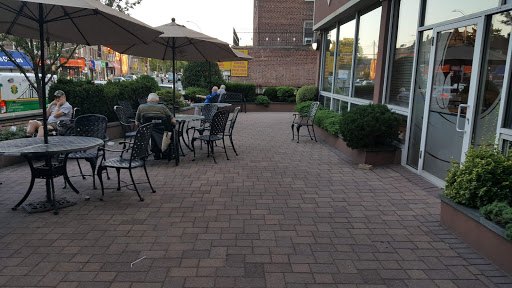
    A charming outdoor seating area of a cafe featuring tables with umbrellas and vibrant flower beds.
  • Lighting

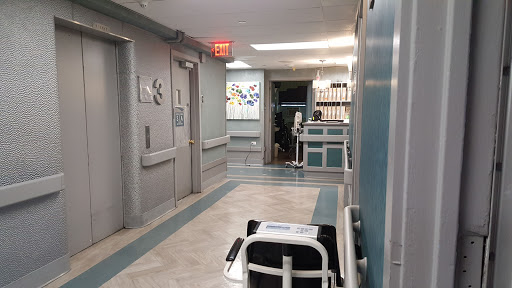
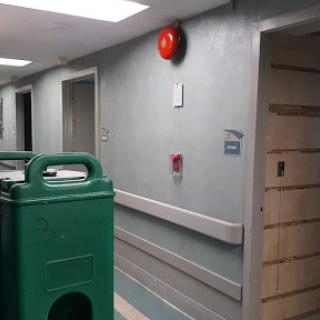
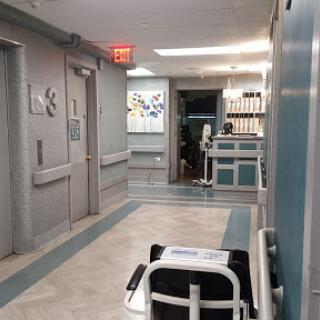
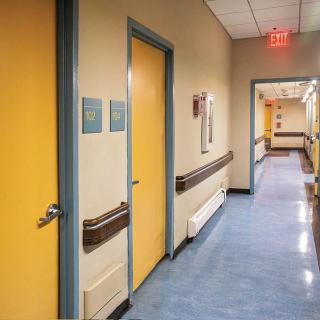
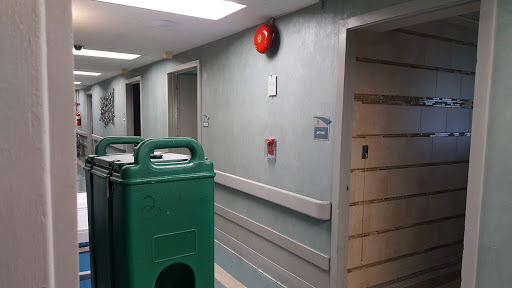
    A view of a hospital corridor featuring an emergency alarm and a green trash can.
  • Outdoor

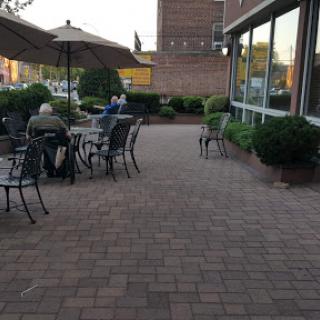
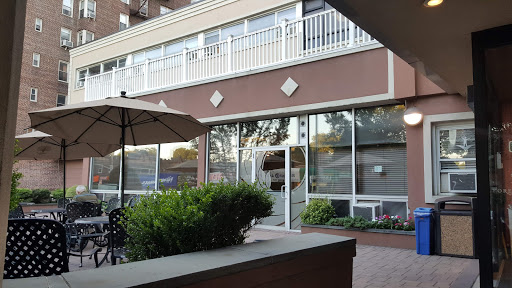
    A cozy outdoor dining area with tables and umbrellas, perfect for an evening meal.
  • Exterior

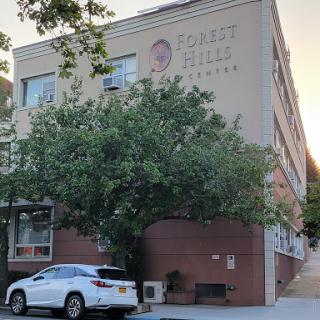
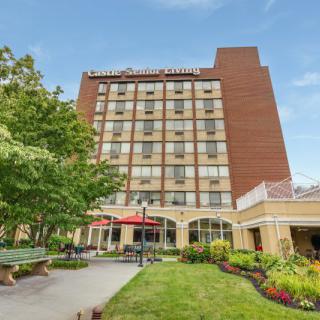
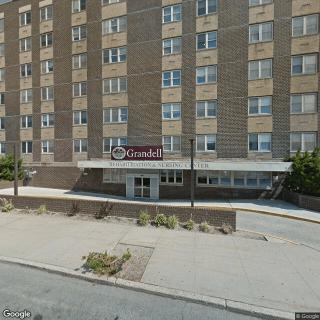
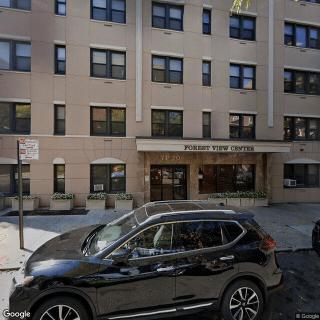
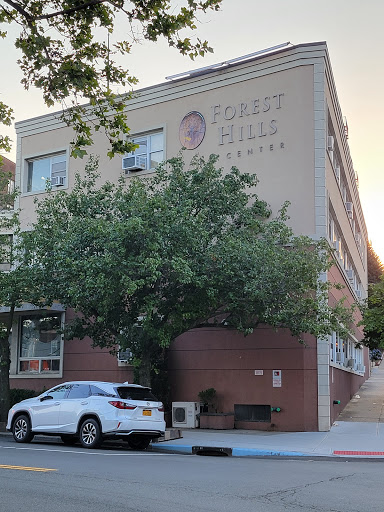
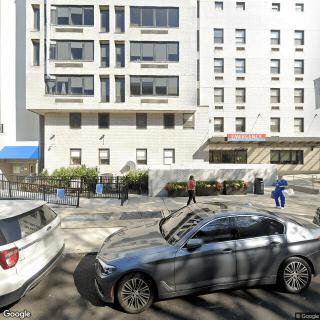
    A view of a building with a tree and parked car in front.
  • Hallway

    A view of a hospital hallway showcasing the medical facility's environment.
  • Mirrors

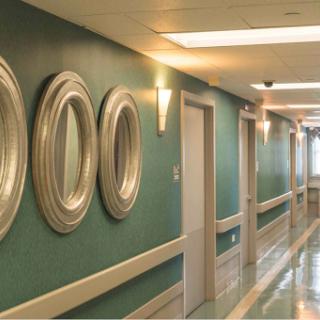
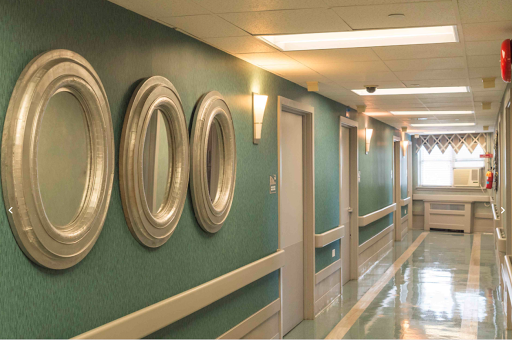
    A well-lit hallway featuring decorative mirrors and green walls.

Forest Hills Care Center in Forest Hills, NY

Information last verified:

71 44 Yellowstone Boulevard, Forest Hills, NY 11375

For more information about senior living options: (844) 490-3973

4.1 from 101 reviews
5 stars
65
4 stars
16
3 stars
0
2 stars
6
1 stars
14

Forest Hills Care Center Costs & Pricing

At Forest Hills Care Center, the monthly costs for various room types reflect a strategic positioning within the broader context of Queens County and New York state. The price for a two-bedroom unit stands at $2,850, significantly lower than both the county average of $5,153 and the state average of $4,786, making it an attractive option for those seeking more affordable accommodations. In contrast, the semi-private room rate is considerably higher at $9,060; however, this figure still surpasses the county's average of $3,901 and the state's $4,389, suggesting that these units may offer additional services or amenities not typically available elsewhere. Meanwhile, private rooms are priced at $9,570 - again above county and state averages of $4,193 and $5,159 respectively. This pricing strategy highlights Forest Hills Care Center's unique offerings while also ensuring competitive options are available in comparison to similar facilities in both Queens County and across New York State.

Floor plansForest Hills Care CenterQueens CountyNew York
2 Bedrooms$2,850$5,153$4,786
Semi-Private$9,060$3,901$4,389
Private$9,570$4,193$5,159

Overall Review of Forest Hills Care Center

Pros

  • pro The care they received was excellent on all fronts—medical, PT & OT, dietary support, and daily care.
  • pro The nursing staff are superb—skilled, compassionate, and they explain everything in plain language.
  • pro The social work staff are superb—helpful with patient needs and with navigating Medicare, Medicaid, and other benefits.
  • pro The care center is immaculately kept, and the food is good.
  • pro Management is highly capable and responsive to residents’ needs.
  • pro Doctors and nurses are excellent and promptly address issues as they arise.
  • pro The staff are friendly, professional, and genuinely caring toward residents.
  • pro The rehabilitation team, including PT and OT, is tremendous and instrumental in recovery.
  • pro The facility is organized, welcoming, and feels like a home where residents are treated with dignity.
  • pro The nursing staff and aides on the floors are remarkable and consistently supportive.
  • pro The social workers and admissions staff provide attentive, patient-centered service.
  • pro The dining and activities programs offer engaging experiences that brighten residents’ days.

Cons

  • pro The facility is described as a cesspool and not to be trusted for loved ones.
  • pro The center is grossly inadequate, with a decrepit, incompetently managed environment and appalling customer service.
  • pro The staff are often rude, unprofessional, and uninterested in residents’ needs.
  • pro Residents are neglected, with water denied for hours and medications frequently late.
  • pro The rooms and common areas are dirty, gloomy, and poorly maintained.
  • pro The night shift is careless and noisy, preventing a good night’s sleep.
  • pro The facility is frequently understaffed, with aides unhappy and unmotivated.
  • pro Some reviewers allege neglect or worse, including failure to provide timely care and communication during emergencies.

Review

Forest Hills Care Center is best suited for families seeking robust rehabilitation and long-term skilled-nursing support where the emphasis is on medical management, aggressive therapy, and attentive social-work coordination. This community tends to work best for residents who arrive needing substantial PT/OT and daily nursing care, and for families that value staff members who know their loved ones by name and can navigate Medicare/Medicaid and discharge planning with competence. The plant of the facility, clean, organized, and clearly focused on care, supports a practical, service-oriented experience rather than a boutique, showroom atmosphere. It is not a “hotel” visit, but a working care center designed to get residents back on their feet and stabilized in a supportive environment.

Those weighing alternatives should note that Forest Hills Care Center may not be the right fit for every situation. If staffing consistency and morale across all shifts is non-negotiable, this facility can present challenges, with firsthand reports of understaffing and aides who feel overextended. For families that require flawless, 24/7 responsiveness, a pristine aesthetic, or a seamlessly calm setting with minimal noise and disruption, exploring neighbor facilities with stronger floor-to-floor staffing guarantees could be prudent. Likewise, if memory-care needs or highly specialized dementia programming are central to the plan, it pays to compare dedicated memory-care options rather than relying on a general-skilled unit. Finally, those who are extremely sensitive to dietary consistency or who demand uniformly exceptional meals may encounter mixed experiences here.

The strongest positives at Forest Hills Center are the depth of clinical and therapy services and the quality of the social-work team. Multiple accounts praise the nursing staff as skilled, compassionate, and clear in communicating medical status, especially as residents decline. The rehab program, including PT and OT, is repeatedly highlighted as a standout, with therapists who engage residents, tailor regimens, and help families understand progress and discharge timelines. Social workers, frequently named as “superb” or “outstanding”, play a central role in navigating transitions, insurance questions, and home-care arrangements post-discharge. The overall environment can feel homelike and orderly, with a strong sense that staff care for residents as individuals. When the care plan is followed, these elements collectively offset some operational frictions by delivering tangible improvement and peace of mind for families.

Yet the narrative is not uniformly positive, and the main drawbacks cannot be dismissed. Understaffing in some shifts translates into slower response times, missed calls, and nights when the environment feels noisier or less supervised. A recurring theme in reviews is variability in the dining experience, with meals described as both nourishing and inconsistent in quality. Facilities and amenities, while clean and functional, do not always reflect modern, updated interiors, and some families encounter friction around accessibility, call bells, or room configurations. Serious concerns surface in a minority of reviews that allege neglect, poor communication with families, or unsafe discharges; while these accounts are not universal, they must be weighed carefully against the overwhelmingly positive experiences and verified directly through current resident rounds, staff interactions, and formal tours. In short, the pros, strong rehab, capable nursing, and active social work, are powerful, but they are partially offset by staffing pressures and mixed day-to-day operations.

How the pros offset the cons depends on what families prioritize. For those who need active, goal-oriented rehabilitation and clear discharge planning, FHCC often delivers measurable progress, with therapists who push toward meaningful mobility and independence and social workers who shepherd families through insurance and home-transition logistics. The caring, professional bedside staff, when present on a given shift, can create a stable day-to-day rhythm that feels reassuring even amid noise or room-age concerns. Families appreciative of a tightly run social-work operation, especially for Medicare/Medicaid navigation, will find decisive value here. Conversely, if a resident’s baseline comfort hinges on flawless staffing ratios, calm nights, or pristine, modernized rooms, several reviews suggest exploring alternatives to avoid ambiguous service levels or inconsistent experiences.

Practically, families choosing Forest Hills should enter with a plan to verify core factors before transfer or admission. Request to meet with the director of nursing and the head of rehabilitation to understand staffing rosters, shift coverage, and how problem issues are escalated. Tour the rehab gym and observe therapy sessions, noting how progress is tracked and communicated to family members. Ask to speak with the social-work team about discharge timelines, home-care setups, and any potential hurdles related to insurance changes or community resources. Probe the dining area for consistency in meal quality and the catering of special diets. Finally, insist on a clear communication pathway: who to call with questions, expected response times, and how daily updates will be shared if a loved one becomes a long-term resident.

In the end, Forest Hills Care Center can be an excellent choice for families prioritizing rehab-focused, medically attentive care coupled with strong social-work guidance. It tends to shine brightest when therapy drives recovery, and when nursing teams and social workers function cohesively to move residents toward discharge or a sustainable long-term plan. This is not the quietest, most modern-feeling facility in the borough, but it does deliver dependable clinical competence and a home-like, engaged caregiving culture. For families who can tolerate occasional staffing hiccups and who want assurance that medical and therapeutic services are prioritized, FHCC remains a compelling option. If the priority is unimpeachable day-to-day consistency, pristine settings, and uniform staffing across every shift, pursuing alternatives with a more uniform staff culture may better fit the decision.

Features

Housing

  • 100 resident community capacity 100 resident community capacity

Types of Care

  • Skilled Nursing Facility Skilled Nursing FacilitySkilled Nursing Facilities are crucial for seniors as they provide round-the-clock medical care, rehabilitation services, and assistance with daily activities. These facilities ensure that seniors receive the specialized care they need to maintain their health and well-being as they age.

Amenities

  • Activities off-site Activities off-siteEngaging in off-site activities is crucial for seniors to maintain social connections, stay active, and stimulate their minds. It promotes overall well-being and helps combat feelings of isolation and loneliness.
  • Activities on-site Activities on-siteActivities on-site are important for seniors because they provide opportunities for socialization, mental stimulation, physical activity, and overall well-being. Engaging in activities can help seniors stay active, maintain their independence, and improve their quality of life.
  • Air-conditioning Air-conditioningAir conditioning is important for seniors as they are more vulnerable to heat-related illnesses and may have underlying health conditions that make it difficult for them to regulate their body temperature. It helps to keep them comfortable, safe, and healthy in hot weather.
  • Bath tubs Bath tubsBath tubs are important for seniors because they provide a safe and relaxing way to bathe, helping to prevent slips and falls while promoting independence and overall well-being.
  • Beautician on-site Beautician on-siteHaving a beautician on-site at a senior living community is important for seniors as it allows them to easily access grooming and personal care services, boosting their self-esteem and overall well-being. It also provides convenience and helps seniors maintain their sense of independence and personal style.
  • Beauty salon Beauty salonBeauty salons are important for seniors because they provide a space for them to feel pampered, socialize, and maintain their personal grooming and hygiene. Regular visits to a beauty salon can help boost seniors' self-esteem and overall well-being.
  • Cable or satellite TV Cable or satellite TVCable or satellite TV is important for seniors because it provides entertainment, news, and companionship, helping to combat loneliness and boredom. It also offers a wide range of programming options tailored to different interests and preferences.
  • Computer center Computer centerA computer center is essential for seniors as it provides access to technology, communication tools, and resources that can enhance their daily lives. It allows them to stay connected with loved ones, engage in online activities, and learn new skills, ultimately promoting socialization and mental stimulation.
  • Devotional services off-site Devotional services off-siteDevotional services off-site are important for seniors as they provide spiritual nourishment, social engagement, and a sense of community outside of the senior living facility. This can enhance overall well-being and help combat feelings of isolation and loneliness often experienced by older adults.
  • Devotional services on-site Devotional services on-siteDevotional services on-site provide seniors with spiritual support and a sense of community, as well as an opportunity for reflection and guidance during their senior living experience. This can promote emotional well-being and connection to others, leading to a more fulfilling and enriching lifestyle in their later years.
  • Dining room Dining roomDining rooms are important for seniors as they provide a space for socialization, connection, and nutritious meals. They offer opportunities for residents to bond over shared meals, foster a sense of community, and promote healthy eating habits. Dining rooms also ensure that seniors have access to well-balanced meals tailored to their dietary needs and preferences.
  • Fitness room Fitness roomHaving a fitness room in a senior living community is essential for seniors to stay active, maintain their physical health, and improve their overall well-being. Regular exercise can help prevent falls, reduce the risk of chronic diseases, and promote mental sharpness. It also provides social opportunities for residents to connect with others and enjoy a sense of community.
  • Fully furnished Fully furnishedFully furnished senior living communities are important for seniors because they provide convenience, comfort, and a hassle-free moving experience. Seniors can easily settle into their new living space without the stress of having to buy and move furniture. This allows them to focus on enjoying their new home and community.
  • Gaming room Gaming roomGaming rooms are important for seniors as they provide a fun and engaging environment for socializing, cognitive stimulation, and physical activity. Games can improve memory, problem-solving skills, and overall mental well-being while fostering friendships and reducing feelings of isolation.
  • Garden GardenGardens are important for seniors as they provide a peaceful and therapeutic environment for relaxation, physical activity, and socialization. Being in nature has been shown to reduce stress, improve mood, and promote overall well-being. Gardens also offer opportunities for seniors to engage in gardening activities, which can improve mobility, flexibility, and cognitive function. Additionally, gardens create a sense of community and connection with others who share a passion for plants and outdoor spaces.
  • Housekeeping services Housekeeping servicesHousekeeping services are important for seniors because they help maintain a clean and safe living environment, promote independence, and reduce the risk of accidents or illnesses. Additionally, having assistance with household chores can alleviate physical strain and allow seniors to focus on other aspects of their well-being.
  • Indoor common areas Indoor common areasIndoor common areas are crucial for seniors as they provide a space for socialization, recreation, and community engagement, promoting overall well-being and reducing feelings of isolation and loneliness.
  • Kitchenette KitchenetteKitchenettes are important for seniors living in senior living communities because they provide the convenience and independence of being able to prepare simple meals and snacks in the comfort of their own living space. This can help promote a sense of autonomy and well-being for seniors, allowing them to maintain some level of control over their dietary choices and daily routines.
  • Move-in coordination Move-in coordinationMove-in coordination is important for seniors because it helps ease the transition into their new living environment. It ensures that all logistics, such as packing, organizing movers, and setting up utilities are taken care of, allowing seniors to focus on settling in and adjusting to their new home. Having a smooth move-in process can alleviate stress and anxiety, making the transition smoother and more enjoyable for seniors.
  • Outdoor common areas Outdoor common areasOutdoor common areas are important for seniors as they provide a space for socialization, physical activity, and relaxation. Being outside in nature can improve mood and overall well-being, while also encouraging movement and engagement with others. These spaces can help combat feelings of isolation and promote a sense of community among residents.
  • Outdoor space Outdoor spaceOutdoor spaces are important for seniors as they provide opportunities for physical activity, social interaction, exposure to natural light and fresh air, and a sense of connection to nature. Having access to outdoor spaces can improve overall well-being and quality of life for older adults living in senior communities.
  • Private PrivatePrivacy is important for seniors as it allows them to maintain their independence, dignity, and sense of control over their own lives. It also gives them the space and freedom to relax, reflect, and engage in activities that bring them joy and fulfillment. Creating private spaces within senior living facilities is crucial for promoting overall well-being and quality of life.
  • Private bathrooms Private bathroomsPrivate bathrooms are important for seniors in senior living communities because they provide independence, dignity, and comfort. Having a private bathroom allows seniors to maintain their personal hygiene routines without the need for assistance, promoting a sense of autonomy and privacy. Additionally, private bathrooms help prevent the spread of infections and provide a safe and clean environment for seniors to navigate safely.
  • Restaurant-style dining Restaurant-style diningRestaurant-style dining is important for seniors because it allows them to enjoy delicious, nutritious meals in a social and upscale setting. This enhances their dining experience, promotes healthy eating habits, and fosters socialization with fellow residents, ultimately contributing to their overall well-being and quality of life.
  • Small library Small librarySmall libraries are important for seniors as they provide access to a variety of reading materials, including books, newspapers, and magazines. This can help stimulate their minds, keep them engaged, and provide a sense of community through book clubs and other social activities. Additionally, reading has been shown to improve cognitive function and overall mental well-being in older adults.
  • Telephone TelephoneTelephones are important for seniors as they provide a lifeline for communication with loved ones, emergency services, and healthcare providers. They offer a sense of security and independence, enabling seniors to stay connected and access assistance when needed.
  • Wellness center Wellness centerWellness centers are important for seniors because they offer a variety of programs and services that promote physical, mental, and emotional well-being. These centers provide opportunities for exercise, socialization, education, and relaxation, helping seniors maintain their overall health and quality of life.
  • Wheelchair accessible showers Wheelchair accessible showersWheelchair accessible showers are crucial for seniors as they provide a safe and independent bathing option for those with mobility challenges. These showers help prevent falls and allow seniors to maintain their dignity and autonomy while ensuring they can bathe comfortably.
  • Wi-Fi/high-speed internet available Wi-Fi/high-speed internet availableWi-Fi/high-speed internet is important for seniors to stay connected with loved ones, access online resources, and participate in virtual activities to combat feelings of loneliness and isolation. It also allows them to easily manage healthcare needs, access entertainment, and engage in lifelong learning opportunities.

Transportation

  • LaGuardia (4 miles away) LaGuardia (4 miles away)
  • John F Kennedy International (7 miles away) John F Kennedy International (7 miles away)
  • Newark International (16 miles away) Newark International (16 miles away)
  • Community operated transportation Community operated transportationCommunity operated transportation is crucial for seniors as it provides them with the means to access essential services, social activities, and medical appointments. It allows seniors to maintain their independence and quality of life by ensuring they can participate in activities outside of their homes. Additionally, community-operated transportation services offer a safe and reliable way for seniors to travel without having to rely on family or friends for assistance.
  • Transportation arrangement Transportation arrangementTransportation arrangements are crucial for seniors as they may face challenges with driving, mobility, or access to public transportation. Having reliable transportation services ensures that seniors can easily attend appointments, social activities, and maintain their independence and quality of life.
  • Transportation arrangement (non-medical) Transportation arrangement (non-medical)Transportation arrangements are essential for seniors as they provide access to essential services, activities, and social interactions outside the home. This service helps maintain independence, mobility, and overall well-being for seniors who may have limited transportation options.
  • Transportation to doctors appointments Transportation to doctors appointmentsTransportation to doctors appointments is crucial for seniors as it ensures they have access to necessary medical care and support, promoting their health and well-being. It allows them to receive timely treatment, monitor existing conditions, and address any new health concerns efficiently. Additionally, transportation services can help seniors maintain their independence and quality of life by enabling them to stay connected with their healthcare providers.

Care Services

  • 12-16 hour nursing 12-16 hour nursing12-16 hour nursing care is crucial for seniors in order to ensure around-the-clock monitoring, timely medication administration, and prompt response to any health concerns or emergencies. This level of care helps to promote the overall well-being and safety of seniors living in senior living communities.
  • 24-hour call system 24-hour call system24-hour call systems are important for seniors because they provide peace of mind and immediate assistance in case of emergencies. This technology ensures that help is always available, promoting safety and security for elderly individuals living alone or in assisted living facilities.
  • 24-hour supervision 24-hour supervision24-hour supervision is important for seniors to ensure their safety, well-being, and access to immediate assistance in case of emergencies or health issues. This constant support provides peace of mind for both seniors and their loved ones, allowing them to age in place with dignity and security.
  • Activities of daily living assistance Activities of daily living assistanceActivities of daily living assistance are important for seniors because they provide essential support with tasks such as eating, bathing, dressing, and mobility. This assistance helps seniors maintain their independence, dignity, and overall quality of life as they age.
  • Assistance with bathing Assistance with bathingAssistance with bathing is crucial for seniors as it helps maintain personal hygiene, prevents infections, and ensures their overall well-being and comfort. It also provides a sense of dignity and independence for seniors who may struggle with this task on their own.
  • Assistance with dressing Assistance with dressingAssistance with dressing is important for seniors because it helps maintain their independence, promotes personal hygiene, prevents accidents and injuries, and improves overall quality of life. This service ensures that seniors can continue to dress comfortably and confidently, despite any physical limitations they may have.
  • Assistance with transfers Assistance with transfersAssistance with transfers is crucial for seniors as it helps prevent falls and injuries, maintains their independence, and ensures they can safely navigate their living environment. It also provides peace of mind for both seniors and their loved ones.
  • Diabetes diet Diabetes dietA diabetes diet is crucial for seniors as it helps manage blood sugar levels, reduce risks of complications, and improve overall health and well-being. By following a balanced and nutritious diet tailored to their specific needs, seniors can better control their diabetes and enhance their quality of life.
  • High acuity care High acuity careHigh acuity care is important for seniors because it provides specialized medical attention and support for individuals with complex medical needs. This level of care ensures that seniors receive the appropriate treatment and assistance to maintain their health and quality of life as they age.
  • Incontinence care Incontinence careIncontinence care is essential for seniors to maintain their dignity, hygiene, and overall quality of life. By addressing incontinence issues promptly and effectively, seniors can enjoy a sense of independence and comfort in their daily activities.
  • Meal preparation and service Meal preparation and serviceMeal preparation and service are crucial for seniors as they may have limited mobility or energy to cook nutritious meals. Having access to healthy and convenient food options can ensure they are getting the proper nutrition needed to maintain their overall health and well-being.
  • Medication management Medication managementMedication management is crucial for seniors to ensure they are taking the right medications at the correct dosages and times. This helps prevent adverse drug interactions, reduces the risk of medication errors, and promotes overall health and well-being. Proactive management also allows for adjustments as needed based on changing health conditions or new prescriptions.
  • Mental wellness program Mental wellness programMental wellness programs are essential for seniors as they promote cognitive stimulation, emotional support, and social engagement. These programs help prevent isolation, depression, and cognitive decline, ultimately enhancing the overall quality of life for older adults.
  • Special dietary restrictions Special dietary restrictionsSpecial dietary restrictions are important for seniors because age-related changes in metabolism and health conditions can make it difficult for their bodies to process certain foods. By following a diet tailored to their specific needs, seniors can maintain their overall health and well-being, manage chronic conditions, and reduce the risk of complications such as malnutrition or food interactions with medications.

Dining

  • Diabetes diet Diabetes dietA diabetes diet is crucial for seniors as it helps manage blood sugar levels, reduce risks of complications, and improve overall health and well-being. By following a balanced and nutritious diet tailored to their specific needs, seniors can better control their diabetes and enhance their quality of life.
  • Kosher KosherKosher options are important for seniors because they adhere to dietary laws that are significant to many Jewish individuals, providing them with peace of mind and an opportunity to maintain their cultural traditions and beliefs while living in a senior living community.
  • Meals provided Meals provided"Meals provided" are crucial for seniors in assisted living communities as it ensures they have access to nutritious, balanced meals without the stress of meal planning and preparation. This can help promote overall health and well-being for seniors who may have limited mobility or cognitive abilities.
  • Special dietary restrictions Special dietary restrictionsSpecial dietary restrictions are important for seniors because age-related changes in metabolism and health conditions can make it difficult for their bodies to process certain foods. By following a diet tailored to their specific needs, seniors can maintain their overall health and well-being, manage chronic conditions, and reduce the risk of complications such as malnutrition or food interactions with medications.
  • Vegetarian VegetarianA vegetarian diet is important for seniors because it can help lower the risk of chronic diseases, maintain a healthy weight, and provide essential nutrients needed for aging bodies. Additionally, plant-based diets are often easier on digestive systems and can contribute to overall well-being in older adults.

Activities

  • Activities off-site Activities off-siteEngaging in off-site activities is crucial for seniors to maintain social connections, stay active, and stimulate their minds. It promotes overall well-being and helps combat feelings of isolation and loneliness.
  • Activities on-site Activities on-siteActivities on-site are important for seniors because they provide opportunities for socialization, mental stimulation, physical activity, and overall well-being. Engaging in activities can help seniors stay active, maintain their independence, and improve their quality of life.
  • Community-sponsored activities Community-sponsored activitiesCommunity-sponsored activities are important for seniors as they provide opportunities for social interaction, mental stimulation, and physical activity. These activities can help improve overall well-being, combat loneliness and isolation, and promote a sense of belonging and purpose among older adults.
  • Concierge services Concierge servicesConcierge services are essential for seniors as they provide assistance with daily tasks and errands, enhance their quality of life by offering convenience and personalized care, and promote a sense of safety and security.
  • Devotional activities offsite Devotional activities offsiteDevotional activities offsite are important for seniors because they provide social engagement, spiritual growth, and a sense of community outside of their living environment. This can improve overall well-being, mental health, and combat feelings of isolation or loneliness.
  • Devotional activities on-site Devotional activities on-siteDevotional activities on-site provide seniors with a sense of community, spiritual fulfillment, and emotional support, promoting overall well-being and a positive sense of purpose in their lives.
  • Fitness programs Fitness programsFitness programs are crucial for seniors as they help improve strength, flexibility, balance, and overall well-being. Staying active can reduce the risk of chronic diseases, improve mental health, and enhance quality of life in older adults.
  • Planned day trips Planned day tripsPlanned day trips are important for seniors because they offer opportunities for socialization, mental stimulation, and physical activity. They provide a change of scenery and help seniors stay engaged and connected to their community, promoting overall well-being and quality of life.
  • Resident-run activities Resident-run activitiesResident-run activities are important for seniors as they encourage social interaction, creativity, and a sense of autonomy. These activities empower seniors to stay engaged and active in their community while fostering meaningful connections with their peers.
  • Scheduled daily activities Scheduled daily activitiesScheduled daily activities are important for seniors because they provide structure, socialization, mental stimulation, and physical activity. Engaging in regular activities can improve overall well-being and quality of life for seniors living in a community setting.

Description

Forest Hills Care Center is an assisted living community located in Forest Hills, NY. Our community offers a wide range of amenities to ensure that each resident enjoys a comfortable and fulfilling lifestyle.

Residents can participate in various activities and events right on-site, providing opportunities for socialization and entertainment. The entire facility is air-conditioned, ensuring a pleasant environment throughout the year. Our residents have access to private bathrooms with bath tubs for their convenience and comfort.

We have a beautician and beauty salon on-site, allowing residents to receive professional hair care services without leaving the premises. Cable or satellite TV is available in every room, so residents can relax and enjoy their favorite shows at any time.

Transportation is made easy with our community operated transportation services as well as transportation arrangements for non-medical needs and doctors' appointments. Additionally, we offer move-in coordination services to assist residents with a smooth transition into our community.

Our dining experience is exceptional, offering restaurant-style meals prepared by our skilled culinary team. We cater to different dietary needs including kosher, vegetarian, and special dietary restrictions.

The care services at Forest Hills Care Center are comprehensive and personalized. Our staff provides assistance with activities of daily living such as bathing, dressing, transfers, and meal preparation. We also offer 24-hour call system and supervision for added safety and security.

Mental wellness is also prioritized through our mental wellness program which focuses on promoting emotional well-being among our residents.

Residents can enjoy numerous activities including fitness programs, planned day trips, resident-run activities, scheduled daily activities provided within the community or sponsored by the larger community. Additionally, there are several parks nearby where residents can enjoy nature walks or picnics.

Pharmacies are conveniently located near our community making it convenient for residents to access their prescriptions easily. There are also multiple restaurants nearby where residents can dine out or enjoy different cuisines.

We understand the importance of religion in our residents' lives and offer devotional services on-site as well as arrangements for off-site worship.

Forest Hills Care Center is an assisted living community that prioritizes the comfort, well-being, and social engagement of each resident. With its wide range of amenities, personalized care services, and convenient location, our community provides a nurturing and fulfilling environment for seniors to thrive in their golden years.

Nearby Places of Interest

This area of Forest Hills, New York offers a variety of conveniences for senior living. With multiple pharmacies within a few miles' radius, easy access to transportation options such as subway stations and the LIRR, and places of worship nearby like St Luke's Episcopal Church, seniors can feel confident in their ability to meet their daily needs. The proximity to parks like Forest Park and Flushing Meadows Corona Park provides opportunities for outdoor activities and relaxation. Additionally, there are several dining options ranging from fast food chains to fine dining establishments, ensuring a diverse selection of cuisine. For medical care, reputable facilities such as the David H. Koch Center for Cancer Care at Memorial Sloan Kettering Cancer Center and Manhattan Psychiatric Center are within reach. Overall, this part of Forest Hills offers a convenient and well-rounded environment for senior residents.

Pharmacies

  • CVS Pharmacy (0.5 miles)
  • CVS Pharmacy (0.7 miles)
  • Walgreens (1.8 miles)
  • CVS Pharmacy (2.4 miles)
  • Walgreens (2.4 miles)
  • CVS Pharmacy (3.2 miles)
  • Queens Crossing (3.2 miles)

Transportation

  • Forest Hills – 71st Avenue (0.6 miles)
  • MTA Subway - Briarwood (2 miles)
  • LIRR - Mets-Willets Point Station (2.4 miles)
  • MTA - Mets-Willets Point Subway Station (2.5 miles)
  • MTA Subway - 74th St/Roosevelt Ave/Jackson Hts (2.6 miles)
  • LIRR - Jamaica Station (2.8 miles)
  • MTA - Sutphin Boulevard Subway Station (2.9 miles)

Places of Worship

  • St Luke's Episcopal Church (0.7 miles)

Parks

  • Forest Park (1.2 miles)
  • Flushing Meadows Corona Park (2 miles)
  • Cunningham Park (4.6 miles)
  • Astoria Park (4.9 miles)
  • McCarren Park (4.9 miles)
  • Herbert Von King Park (5.2 miles)
  • Rainey Park (5.3 miles)

Theaters

  • AMC Fresh Meadows 7 (4.1 miles)

Restaurants

  • Taco Bell (4.2 miles)
  • Ikraveit Foods (4.7 miles)
  • McDonald's (4.8 miles)
  • Kimbap Lab (5.4 miles)
  • Burger King (5.9 miles)
  • Bobby Van's Steakhouse (6 miles)
  • White Castle (6.2 miles)

Cafes

  • The West (5 miles)

Physicians

  • David H. Koch Center for Cancer Care at Memorial Sloan Kettering Cancer Center (6 miles)
  • Memorial Sloan Kettering Cancer Center (6.1 miles)

Hospitals

  • Manhattan Psychiatric Center (6.2 miles)
  • Kings County Hospital Center (6.3 miles)

Frequently Asked Questions

How much does it cost to live at Forest Hills Care Center in Forest Hills, NY?
Where is Forest Hills Care Center?
What photos are available for Forest Hills Care Center in Forest Hills, New York?

Nearby Communities

  • Home Instead - Forest Hills,  NY

    Home Instead - Forest Hills, NY

    Forest Hills, NY

    4.6 from 9 reviews
     

    pro Proximity to parks, pharmacies, dining, transit, worship, and a theater.
  • Home Instead - Forest Hills,  NY

    Home Instead - Forest Hills, NY

    Forest Hills, NY

    4.5 from 8 reviews
    $3,875 to $4,650 / month

    pro Convenient location with parks, pharmacies, dining, transit, worship, and culture nearby.

  • Elder Home Care - Queens,  NY

    Elder Home Care - Queens, NY

    Queens, NY

    5 from 21 reviews
    $4,150 to $4,475 / month

    pro Responsive office staff and accommodating caregivers.

  • Allen Health Care Service

    Allen Health Care Service

    Forrest Hills, NY

    3.2 from 102 reviews
     

    pro Comprehensive care with convenient nearby amenities.

  • Forest View Center For Rehabilitation & Nursing

    Forest View Center For Rehabilitation & Nursing

    Forest Hills, NY

    4.3 from 109 reviews
     

    pro Extensive amenities and 24/7 care on one campus.

  • Forest View Nursing Home

    Forest View Nursing Home

    Flushing, NY

    4.1 from 117 reviews
     

    pro Beneficial initial therapy and proactive family advocacy.

  • Atria Forest Hills

    Atria Forest Hills

    Forest Hills, NY

    4.7 from 168 reviews
    $6,495 to $7,495 / month

    pro Caring staff and a vibrant, hotel-like community.

  • New Homestead Home For Adults

    New Homestead Home For Adults

    Kew Gardens, NY

    4 from 93 reviews
    $3,300 to $5,500 / month

    pro Caring staff and compassionate care; engaging activities; competitive pricing for semi-private and studio options.

  • Queens Adult Care Center

    Queens Adult Care Center

    Elmhurst, NY

    4.5 from 117 reviews
    $1,313 / month

    pro Affordable pricing compared to local averages; some positive staff experiences.

Related Resources

  • elderly fall preventionComprehensive Insights and Practical Strategies to Help Older Adults Avoid Falls

    The article highlights the high risk of falls among older adults due to factors like muscle weakness, vision issues, and environmental hazards, with one in four experiencing a fall annually. It advocates for a comprehensive prevention approach that includes exercise, home safety modifications, medication management, social support, and caregiver involvement.

  • what does an elder law attorney do6 Crucial Ways an Elder Law Attorney Assists Families

    Elder law attorneys assist older adults and their families with legal matters such as estate planning, Medicaid eligibility, and guardianships, while also providing protection against elder abuse. They help navigate complex regulations to safeguard financial resources, ensure well-being, and maintain autonomy for seniors.

  • tax implications of parent living with youNavigating the Tax Landscape of Caregiving: Credits, Deductions, and Beyond

    Caregiving for an aging parent entails emotional and financial responsibilities accompanied by significant tax implications, including potential benefits from claiming them as dependents and deductions for medical expenses and caregiving costs. Caregivers must understand eligibility requirements, maintain thorough documentation, and consider consulting a tax professional to navigate these complexities effectively.