Overall Review of Caring Family Nursing And Rehabilitation Center
common36 reviews mention this
Staff kindness and responsiveness
Residents and families repeatedly describe a staff that is kind, helpful, and responsive.
Across many reviews, families say the staff is friendly, welcoming, and goes out of the way to make residents feel cared for. Several reviewers mention communication with families, including keeping them updated and answering questions. A few reviews also call out specific roles—administrators, nursing, rehab, and social services—as being supportive during the stay.
common20 reviews mention this
Rehab support and therapy progress
Short-term rehab reviews highlight therapy that helps residents regain strength.
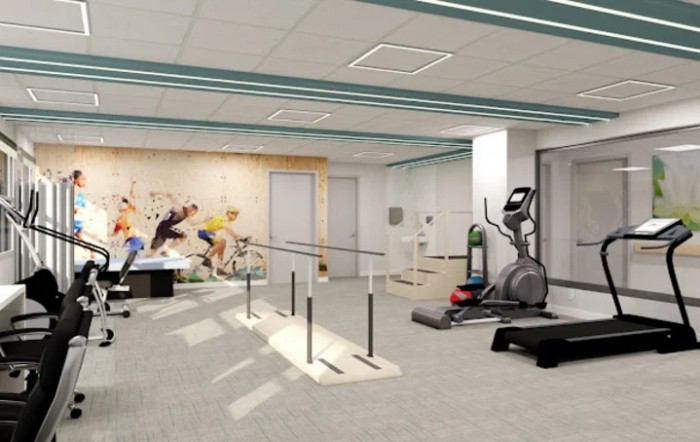
Many reviews focus on rehab therapy and the pace of progress, including working daily in the rehab setting. Residents and families describe improvements such as getting back to walking or building strength after surgery or a medical event. Reviewers also mention the rehab team coordinating across disciplines like PT/OT and speech therapy, and they describe the rehab gym as equipped for therapy.
common24 reviews mention this
Cleanliness and renovations stand out
Reviews frequently mention a clean facility and noticeable improvements during renovations.
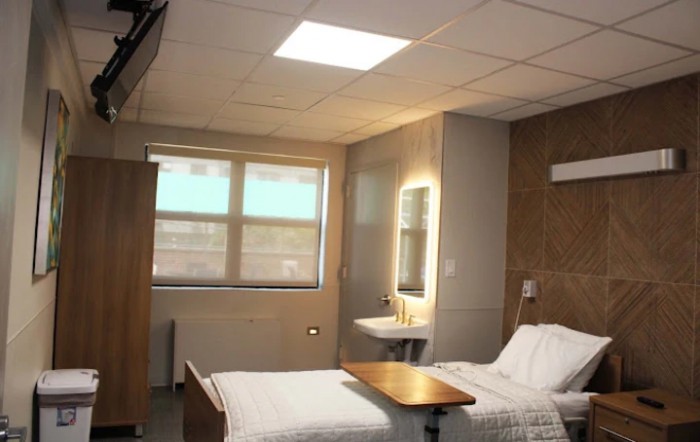
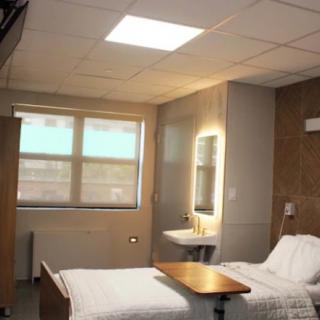
A recurring theme is that the facility feels clean and well-kept, with reviewers describing tidy units, clean rooms, and a facility that looks maintained. Multiple reviews also reference renovations to the short-term unit and first-floor spaces, saying the updates look good and fresh. While most comments are positive on cleanliness, one reviewer raises concerns about bathroom residue and odors that did not match expectations.
differentiator12 reviews mention this
Care processes for medical needs
Residents describe attentive nursing support that includes medication management and daily monitoring.
Some reviews connect day-to-day care with medical oversight, mentioning that medication schedules are followed and that nursing staff help with the practical parts of recovery. Families also describe care involving wound care and the involvement of doctors or providers who are available with questions. The community also offers services like medication management, assistance with bathing and dressing, and diabetes- and other special-diet support, which aligns with the types of needs reviewers mention.
caveat3 reviews mention this
Occasional environment and cleanliness issues
A small number of reviews mention specific drawbacks with the building environment or room cleanliness.
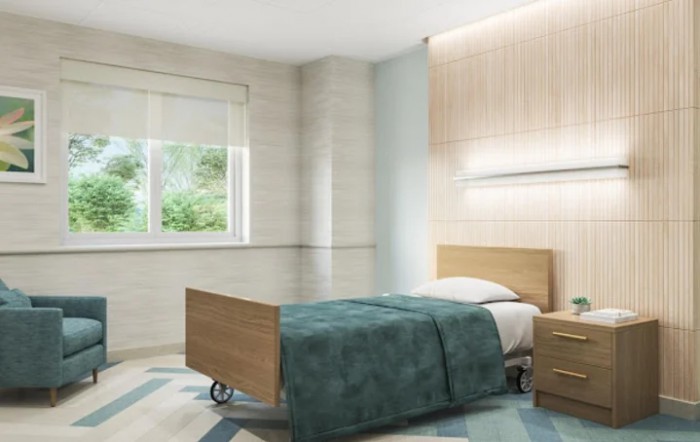
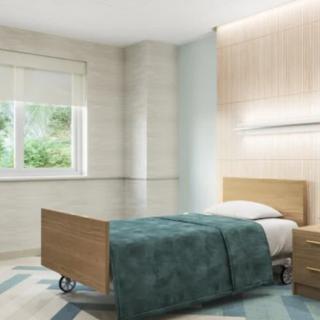
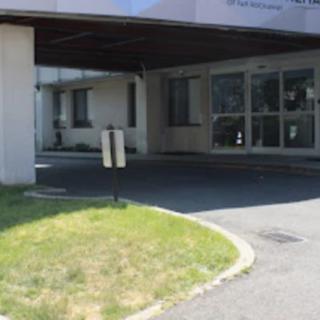
While most reviews are positive, a few include concrete complaints. One reviewer describes a problematic outdoor area near parking, while another mentions residue and leftover odor in a shared bathroom. There is also a review that says the photos did not match how the interior looked during their time there.
How we summarize
Counts show how many written reviews mention each theme; a review can touch several themes, and only frequently mentioned themes are displayed.
Features
Housing
183 resident community capacity
Types of Care
Skilled Nursing Facility
Amenities
Air-conditioning
Beauty salon
Cable or satellite TV
Computer center
Dining room
Fitness room
Fully furnished
Gaming room
Garden
Housekeeping services
Kitchenette
Move-in coordination
Outdoor space
Private bathrooms
Restaurant-style dining
Small library
Telephone
Wellness center
Wi-Fi/high-speed internet available
Transportation
John F Kennedy International (3 miles away)
LaGuardia (14 miles away)
Newark International (22 miles away)
Community operated transportation
Transportation arrangement
Transportation arrangement (non-medical)
Transportation to doctors appointments
Care Services
12-16 hour nursing
24-hour call system
24-hour supervision
Activities of daily living assistance
Assistance with bathing
Assistance with dressing
Assistance with transfers
Diabetes diet
Meal preparation and service
Medication management
Mental wellness program
Special dietary restrictions
Dining
Diabetes diet
Special dietary restrictions
Activities
Community-sponsored activities
Concierge services
Fitness programs
Planned day trips
Resident-run activities
Scheduled daily activities
Nearby Places of Interest
Pharmacies
CVS Pharmacy (0.3 miles)
CVS Pharmacy (1.6 miles)
CVS Pharmacy (3.1 miles)
CVS Pharmacy (3.2 miles)
Walgreens (4 miles)
CVS Pharmacy (4.5 miles)
CVS Pharmacy (4.8 miles)
Transportation
JFK Runways (2.7 miles)
Delta SkyClub & SkyDeck (2.9 miles)
JFK Apron (3 miles)
Concourse B (3 miles)
Virgin Atlantic Clubhouse Lounge (3.1 miles)
The Centurion Lounge (3.2 miles)
John F. Kennedy International Airport (JFK) (3.2 miles)
Places of Worship
Congregation Sons of Israel (3.3 miles)
St Luke's Episcopal Church (9.1 miles)
Restaurants
Air France Lounge (3.5 miles)
Bobby Van's Steakhouse (3.7 miles)
Jordans Lobster Farm (5.4 miles)
White Castle (7.3 miles)
Sonny's Canal House (8.7 miles)
Sugar Bowl (8.8 miles)
Cafes
Starbucks (5.4 miles)
Physicians
Orlin & Cohen Orthopedic Group (5.8 miles)
South Nassau Communities Hospital (7.5 miles)
Prohealth Baldwin Harbour Pediatrics (8.1 miles)
Long Island Pediatrics (8.2 miles)
Parks
Oceanside Park (7 miles)
Hempstead Lake State Park (8 miles)
Forest Park (8.5 miles)
Cunningham Park (9 miles)
Coes Neck Park (9.6 miles)
Alley Pond Park (9.7 miles)
Hospitals
Kaur Rupinder P Do South Nassau Family Medicine Oceanside (7.5 miles)
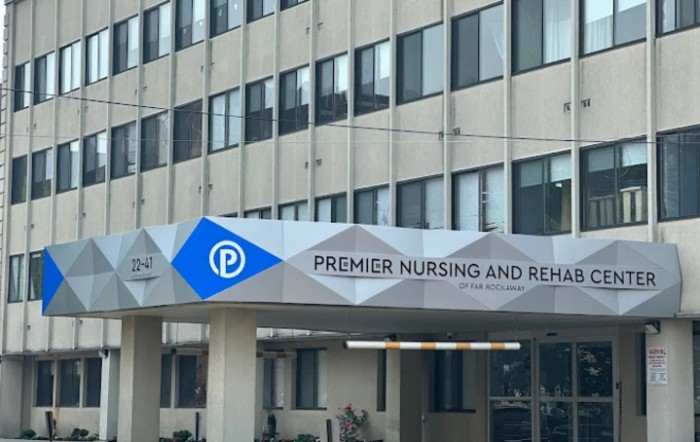
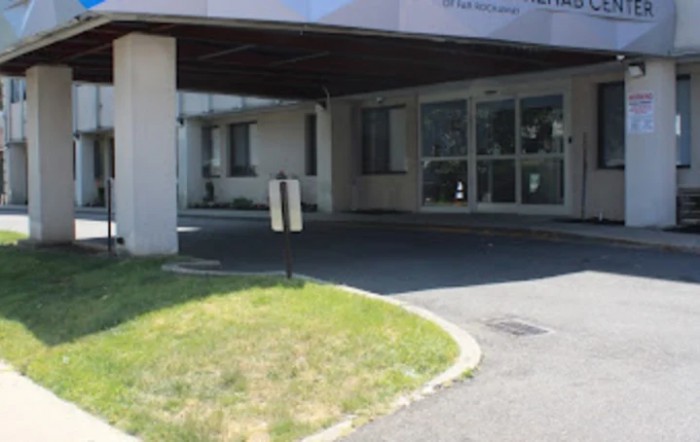
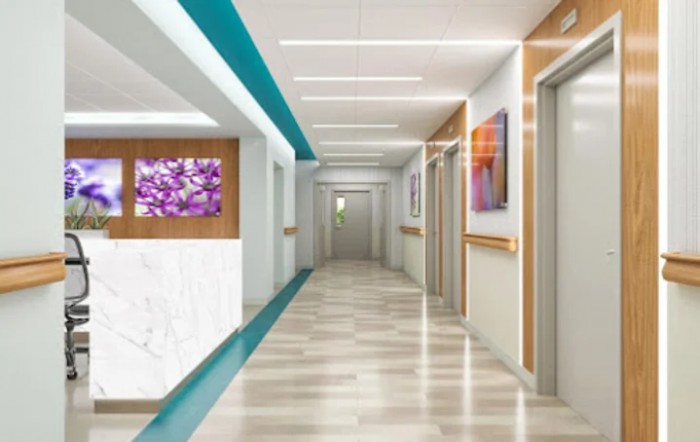
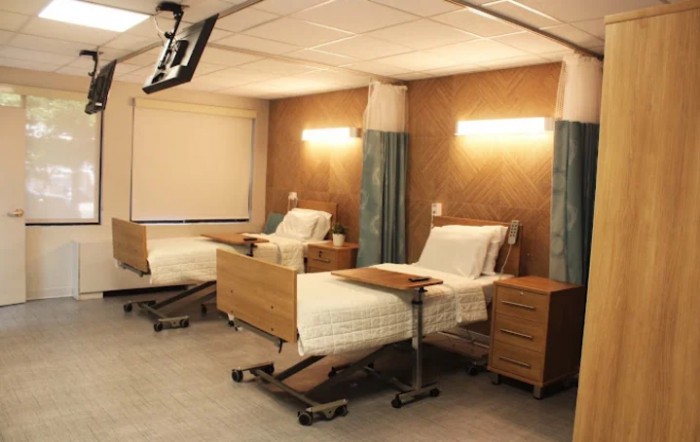
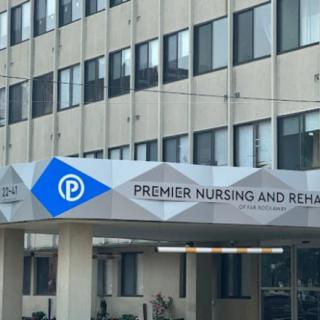
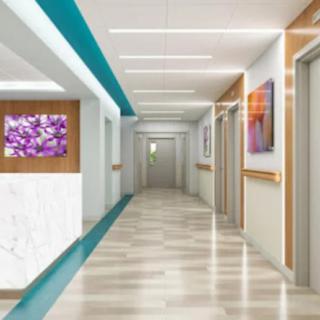
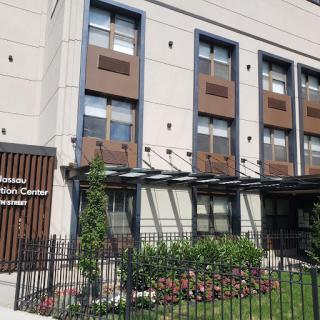
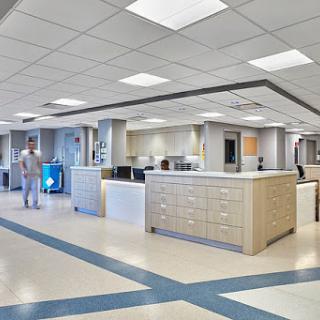
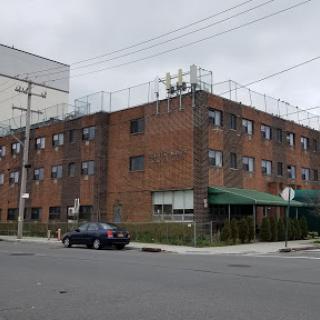
Caring Family Nursing And Rehabilitation Center on seniors.fyi includes 7 photos including images showing interior, bedroom, entrance, healthcare, windows, building, nursing home, covered area, and more.
Nearby Communities
New Surfside Nursing Home
Far Rockaway, NY
1 from 2 reviews
Some nurses and social workers demonstrate genuine care and professionalism.
Long Island Living Center
Far Rockaway, NY
4.1 from 68 reviews
$2,800 to $3,800 / month
Clean, welcoming community with engaging activities and attentive staff.
Queens Nassau Rehabilitation And Nursing Center
Far Rockaway, NY
4.1 from 77 reviews
Wide range of on-site amenities with 24/7 nursing and transportation support.
Peninsula Nursing And Rehabilitation Center
Far Rockaway, NY
4.3 from 119 reviews
Friendly staff, clean environment, and engaging rehabilitation activities.
Wavecrest Home For Adults
Far Rockaway, NY
3.1 from 27 reviews
Caring staff and a tranquil environment.
Haven Manor Health Care Center
Far Rockaway, NY
2.4 from 14 reviews
Extensive amenities with private rooms, restaurant-style dining, 24/7 supervision, and transportation support.
Surfside Manor
Far Rockaway, NY
3.7 from 13 reviews
Caring staff with engaging activities and ocean views.
Seaview Manor
Far Rockaway, NY
2.9 from 8 reviews
Convenient location near the A-train line.
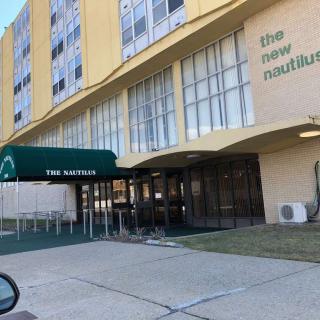
Nautilus Hotel
Atlantic Beach, NY
4.4 from 75 reviews
$4,300 to $6,500 / month
Caring, attentive staff with engaging activities in a pleasant environment.
Medicare provides limited coverage for skilled nursing home care, covering full benefits for the first 20 days and partial benefits up to 100 days under certain conditions, after which families must explore alternative funding options like Medicaid or long-term care insurance to manage potentially high costs. Proactive planning is essential to navigate the complexities of financing ongoing care once Medicare coverage ends.
Geriatric care managers create personalized care plans for older adults, addressing their medical, social, financial, and psychological needs while coordinating services and advocating for their well-being. They help families navigate caregiving challenges but may be hindered by high costs and a shortage of qualified professionals.
The article highlights the importance of empathy and open communication when comforting someone who is grieving, noting that grief is unique to each individual and emphasizing the need for sincere expressions of condolence, active listening, and ongoing support. It also addresses cultural differences in mourning practices and encourages tailored approaches to provide effective comfort.
Caring Family Nursing And Rehabilitation Center photos
×
Interior
Building
Bedroom
Windows
Entrance
Healthcare
Interior
Bedroom and Windows
Building and Entrance
Exercise Equipment, Rehabilitation, Physical Therapy, and Therapy Room
Natural Light
Healthcare
Nursing Home
Covered Area
Get PricingAsk A QuestionSchedule A TourContact Senior Advisor
By clicking submit, you agree to our Partner's Terms of Use. You
also consent to receive calls and texts, which may be autodialed, from our Partner. Your consent is not a condition to
using our Partner's service. Please visit our Partner's Privacy Policy for information about their privacy practices.

 183 resident community capacity
 Skilled Nursing Facility
 Air-conditioning
 Beauty salon
 Cable or satellite TV
 Computer center
 Dining room
 Fitness room
 Fully furnished
 Gaming room
 Garden
 Housekeeping services
 Kitchenette
 Move-in coordination
 Outdoor space
 Private bathrooms
 Restaurant-style dining
 Small library
 Telephone
 Wellness center
 Wi-Fi/high-speed internet available
 John F Kennedy International (3 miles away)
 Community operated transportation
 12-16 hour nursing
 24-hour call system
 Activities of daily living assistance
 Assistance with bathing
 Assistance with dressing
 Assistance with transfers
 Diabetes diet
 Medication management
 Mental wellness program
 Special dietary restrictions
 Concierge services
 Planned day trips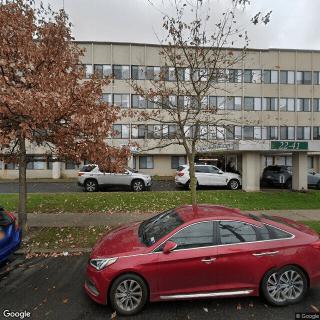
 Some nurses and social workers demonstrate genuine care and professionalism.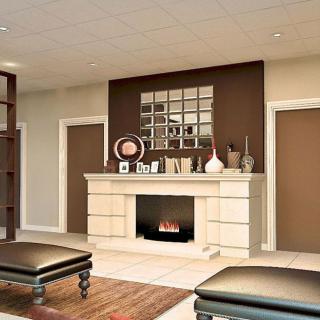

 Managing Nursing Home Expenses After Medicare Coverage Ends
 Is a Geriatric Care Manager the Right Choice for Your Family?
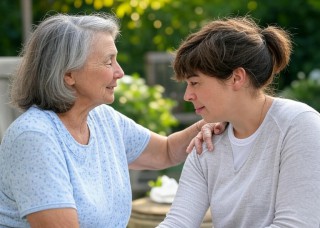 Compassionate Conversations: How to Comfort Someone Who Is Grieving