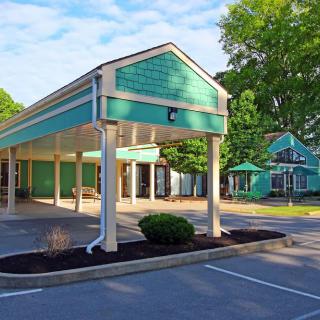
Sunnyside Care Center - East Syracuse is a nursing home community in East Syracuse, NY.
Information last verified:
7000 Collamer Road, East Syracuse, NY 13057
For more information about senior living options: (866) 208-4318
2.8 from 35 reviews
5 stars
14
4 stars
1
3 stars
1
2 stars
2
1 stars
17
Overall Review of Sunnyside Care Center - East Syracuse
caveat12 reviews mention this
Cleanliness and upkeep are mixed
Residents describe major cleanliness and maintenance problems alongside a few mentions of good cleanliness.
Many reviews criticize the building and rooms as outdated and dirty, including accounts of strong urine odors, residents waiting a long time for help, and general neglect. Several visitors also describe situations where residents appear soiled or left unattended after falls or calls for assistance. A smaller number of reviews say the facility looks clean or that cleanliness was good, including during short rehab stays.
caveat7 reviews mention this
Staffing and response time vary
Reviews point to inconsistent help and slow responses during moments when residents need assistance.
Some residents’ family members and visitors report difficulty getting help, describing long waits for someone to respond to call requests or to assist with basic needs. A few reviews also mention understaffing and high turnover, describing limited attention during evenings or shortages that affected care. Others balance this by praising staff warmth, helpfulness, and communication, including during late-stage care or visits.
common5 reviews mention this
Rehab therapy can be effective
Physical and occupational therapy experiences stand out, with multiple reviews crediting therapists for progress.
Several reviews describe meaningful improvement from rehab, specifically calling out physical therapists and occupational therapists for helping with mobility and daily functioning. One review says the facility’s therapists were especially helpful during a short-term rehab stay, and another recommends the physical therapy program. A contrasting review describes a very negative rehab experience, including staffing concerns and safety problems during therapy.
caveat3 reviews mention this
Activities are inconsistent
Resident activities receive uneven feedback, with some days busy and others described as lacking.
One review says the activities director was not doing his job and that there were no meaningful activities afterward. Other reviews describe planned activities such as bingo, music, and group events, with residents participating and staff assisting with getting them there. Another review notes activities posted in common areas, suggesting at least some structure even if participation can vary.
caveat6 reviews mention this
Dining quality draws sharp opinions
Dining quality is a frequent point of contrast, with some calling meals good and others describing poor food.
Some reviews say the food was pretty good or that it was one of the better parts of the stay, including during short rehab periods. Other reviews are much harsher, describing bad food that was not acceptable and emphasizing disappointment with what residents were served. At least one review also mentions relying on food delivery nearby, implying limited confidence in on-site dining.
How we summarize
Counts show how many written reviews mention each theme; a review can touch several themes, and only frequently mentioned themes are displayed.
Features
Housing
80 resident community capacity
Types of Care
Skilled Nursing Facility
Amenities
Air-conditioning
Beauty salon
Cable or satellite TV
Computer center
Dining room
Fitness room
Fully furnished
Gaming room
Garden
Housekeeping services
Kitchenette
Move-in coordination
Outdoor space
Private bathrooms
Restaurant-style dining
Small library
Telephone
Wellness center
Wi-Fi/high-speed internet available
Transportation
Syracuse-Hancock International (3 miles away)
Community operated transportation
Transportation arrangement
Transportation arrangement (non-medical)
Transportation to doctors appointments
Care Services
12-16 hour nursing
24-hour call system
24-hour supervision
Activities of daily living assistance
Assistance with bathing
Assistance with dressing
Assistance with transfers
Diabetes diet
Meal preparation and service
Medication management
Mental wellness program
Special dietary restrictions
Dining
Diabetes diet
Special dietary restrictions
Activities
Community-sponsored activities
Concierge services
Fitness programs
Planned day trips
Resident-run activities
Scheduled daily activities
Nearby Places of Interest
Physicians
Hematology Oncology Associates (0.9 miles)
Upstate Bone And Joint Center (1.6 miles)
Daryll Dykes MD PhD JD (1.6 miles)
University Hill Gastroenterology (2.3 miles)
Women's Health Horizons (2.6 miles)
dB Audiology Associates, PC (3.1 miles)
Eastside Pediatrics (3.8 miles)
Pharmacies
Pro Act (2.6 miles)
Kinney Drugs (3.1 miles)
Wegmans (3.7 miles)
Bristol-Myers Squibb (3.9 miles)
Kinney Pharmacy (4.5 miles)
Kinney Drugs (4.6 miles)
Walgreens (4.7 miles)
Restaurants
Denny's (3 miles)
Taco Bell (3.1 miles)
Knights Delights (3.2 miles)
Olive Garden (4.1 miles)
Taco Bell (4.2 miles)
Applebee's (4.2 miles)
Sonic Drive-In (4.2 miles)
Transportation
U-Haul Moving & Storage (3.3 miles)
Syracuse Hancock International Airport (SYR) (3.4 miles)
Airport Operations Office (3.7 miles)
Baggage Claim (3.7 miles)
Cafes
Cafe Kubal (4 miles)
DiBella's Subs (4.2 miles)
Starbucks (4.6 miles)
Tous Les Jours (4.7 miles)
Starbucks (5.3 miles)
Panera Bread (5.4 miles)
Starbucks (5.6 miles)
Parks
Green Lakes State Park (4.9 miles)
Heritage Park (5.6 miles)
Coulter Park (5.6 miles)
Hamlin Marsh (5.9 miles)
Old Erie Canal State Historic Park - Kirkville (6.2 miles)
Hospitals
St Joseph's Hospital Health Center (5 miles)
Places of Worship
May Memorial Unitarian Universalist Society (5.2 miles)
Fecal incontinence, prevalent among older adults, arises from factors like weakened pelvic muscles and nerve damage, significantly affecting well-being and social interactions. Diagnosis involves clinical evaluation and tests to inform tailored treatments, while caregivers and preventive measures can aid in managing the condition effectively.
Anticipatory grief is an emotional response to the impending loss of a loved one, characterized by complex emotions such as sadness and anger, and involves navigating stages similar to those identified by Kübler-Ross. Coping strategies are vital for managing this process, emphasizing compassionate communication, self-care, and support groups while recognizing the cultural influences on grieving.
Adult day care programs offer essential support and activities for older adults, yet many hesitate to participate due to concerns about independence and stigma. To alleviate these apprehensions, families should facilitate open discussions, explore financial resources, suggest trial visits, and collaborate with healthcare providers to highlight the benefits of such services for both the participants and their caregivers.
Get PricingAsk A QuestionSchedule A TourContact Senior Advisor
By clicking submit, you agree to our Partner's Terms of Use. You
also consent to receive calls and texts, which may be autodialed, from our Partner. Your consent is not a condition to
using our Partner's service. Please visit our Partner's Privacy Policy for information about their privacy practices.

 80 resident community capacity
 Skilled Nursing Facility
 Air-conditioning
 Beauty salon
 Cable or satellite TV
 Computer center
 Dining room
 Fitness room
 Fully furnished
 Gaming room
 Garden
 Housekeeping services
 Kitchenette
 Move-in coordination
 Outdoor space
 Private bathrooms
 Restaurant-style dining
 Small library
 Telephone
 Wellness center
 Wi-Fi/high-speed internet available
 Syracuse-Hancock International (3 miles away)
 Community operated transportation
 12-16 hour nursing
 24-hour call system
 Activities of daily living assistance
 Assistance with bathing
 Assistance with dressing
 Assistance with transfers
 Diabetes diet
 Medication management
 Mental wellness program
 Special dietary restrictions
 Concierge services
 Planned day trips
 Professional, compassionate care and respectful treatment by staff.


 Fecal Incontinence in Older Adults: A Comprehensive Guide
 Recognizing the Journey: Understanding and Navigating Anticipatory Grief
 Encouraging Participation in Adult Day Care: A Guide to Supporting a Hesitant Parent