
7010 Collamer Road, East Syracuse, NY 13057
For more information about senior living options: (866) 208-4318
Overall Review of New Sunnyside Adult Home
Pros
 The Sunnyside Adult Home staff are dedicated, loving, and kind toward all residents.
- The facility treats each resident as an individual and important.
- The staff show genuine care and interest in each resident's needs.
- The community is blessed to have such a professional and caring facility.
- The family expresses deep appreciation for the staff's dedication and compassionate words.
Review
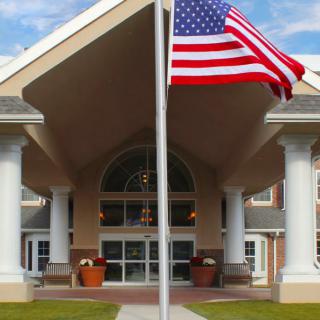
New Sunnyside Adult Home in East Syracuse is best suited for seniors whose families want a small-to-mid-sized setting where care is built around the person, not the program. It shines for residents who value dignity, personal attention, and a warm, steady daily rhythm. The emphasis on treating each resident as an individual, recognized, listened to, and supported, creates a foundation where everyday needs are met with patience and respect. Families drawn to a caring, profession-led team will find a welcoming environment that prioritizes meaningful connections and a sense of belonging over flashy amenities. In short, Sunnyside is ideal for someone who wants dependable, compassionate companionship wrapped in a respectful, home-like atmosphere.
Weighing alternatives is prudent for residents with higher medical complexity or those needing extensive memory-care supervision. If a senior requires frequent on-site medical interventions, highly structured dementia programming, or access to comprehensive specialty services, a larger community with more clinical resources may offer more reassurance. Facilities offering specialized memory-care wings, physician on-call coverage, and a broader menu of therapeutic services might better align with long-term medical trajectories. For families seeking intensive rehabilitation, highly active social schedules, or campus-wide lifestyle programs, other options could deliver more breadth of offerings.
Pros center on the staff’s evident dedication and the belief that residents are someone’s person first. The single review praises a team that communicates with care and speaks to residents with kindness, ensuring needs are addressed promptly and individually. That level of attentiveness can translate into faster responses to changes in condition, more comfortable routines, and a sense of safety that comes from consistent, compassionate contact. Those strengths offset the absence of a hospital-like cadence or a wide array of clinical services by creating a dependable home base where trust grows between residents, families, and caregivers. The experience described suggests a facility that understands caregiving as a calling, not just a job.
Prospective movers should test the fit by asking pointed questions during tours: What are the staff-to-resident ratios on different shifts? How does care planning involve the family? What medical services are available on-site, and how are emergencies handled after hours? How does the team support daily living activities, nutrition, and mental stimulation? Clarify what constitutes a ‘resident-centered’ approach in practice and observe whether staff make eye contact, listen, and tailor routines to individual preferences. Even in a setting praised for warmth, practical details, memory support, mobility assistance, medication management, define daily quality of life.
From the existing testimony, the core value is clear: when residents are treated as persons who matter, the emotional and practical benefits accumulate. A family member’s gratitude for staff dedication, genuine care, and reassuring communication signals a culture of stability and respect. That kind of environment matters as much as any care plan, especially for seniors who fear losing autonomy or becoming anonymous in a large facility. Yet, the absence of explicit notes on medical intensity and specialized services means alignment with long-term clinical needs must be verified directly. The decision hinges on whether the daily human connection compensates for what may be less comprehensive medical oversight.
The takeaway is straightforward: Sunnyside is a persuasive choice for families prioritizing compassionate, person-centered care delivered with professionalism. It is less suited for those who require heavy clinical infrastructure, advanced memory-care programming, or frequent on-site medical interventions. A disciplined tour, a clear outline of services, and a review of pricing and contracts will reveal whether the tone of care meets the expectations set by the family’s long-range plan. If comfortable with a deeply personal caregiving ethos and a smaller-scale setting, schedule the visit, ask tough questions, and observe the interaction pattern that made the reviewer smile. Then decide with confidence, knowing the core values align with the senior’s needs.
 20 resident community capacity
 Assisted Living
 Board and Care Home
 Beauty salon
 Cable or satellite TV
 Dining room
 Fully furnished
 Garden
 Housekeeping services
 Kitchenette
 Move-in coordination
 Outdoor space
 Telephone
 Wi-Fi/high-speed internet available
 Syracuse-Hancock International (3 miles away)
 24-hour call system
 Activities of daily living assistance
 Assistance with bathing
 Assistance with dressing
 Assistance with transfers
 Diabetes diet
 Meal preparation and service
 Medication management
 Mental wellness program
 Special dietary restrictions
 Transportation arrangement (medical)
 Transportation to doctors appointments


 Comprehensive Insights into Activities of Daily Living (ADLs) and Their Assessment
 Medicare Coverage for Assisted Living: An In-Depth Exploration
 Choosing the Right Senior Care: A Detailed Exploration of Assisted Living and Nursing Homes