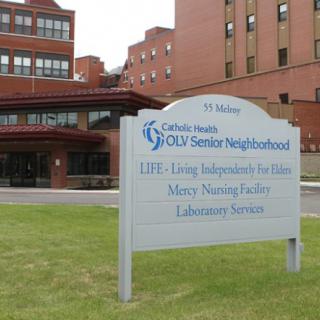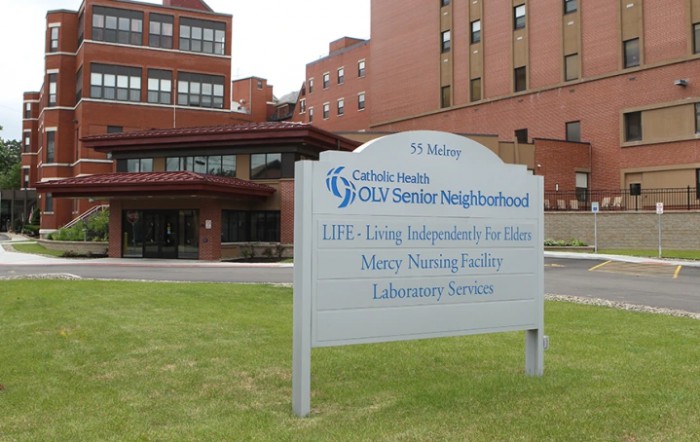
55 Melroy Avenue, Lackawanna, NY 14218
For more information about senior living options: (866) 208-4318
Overall Review of Mercy Hospital Skilled Nursing Facility
Pros
 The staff at OLV were amazing to the mother in her last days, warm, responsive, and treating the family as part of the care team.
- The smaller floor-by-floor setting created a welcoming, home-like atmosphere for residents.
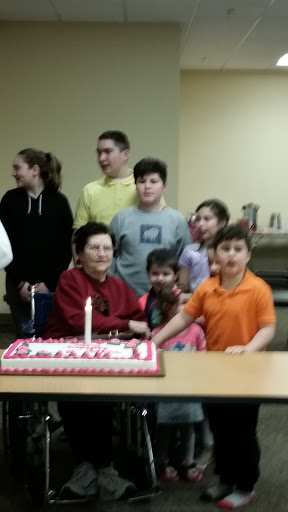
- The facility offers activities that residents love, and the staff are absolutely amazing.
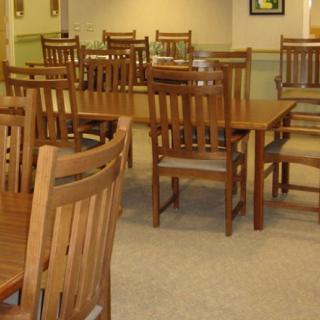
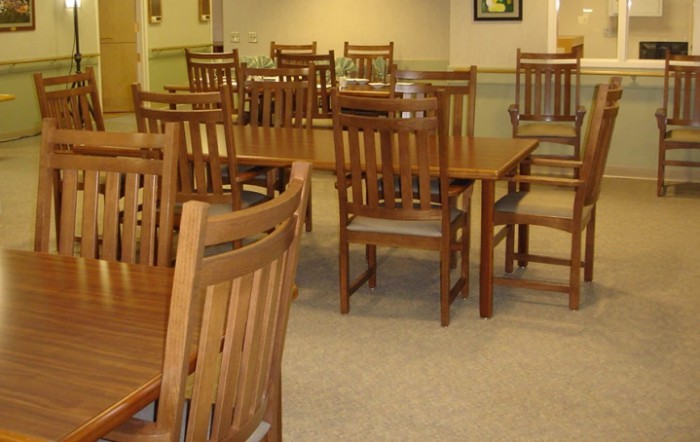
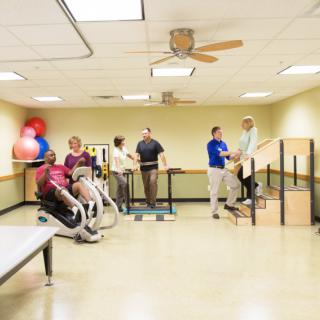
- Mercy Nursing Home at OLV has excellent staff and facilities, with spacious private rooms, attentive care, and amenities like hairdressers and nail services, plus rehab and family-style dining.
- The caregivers formed close, family-like bonds with residents, providing compassionate and dedicated care.
- Families felt supported and grateful for the professional caregivers who provided peaceful, dignified transitions.
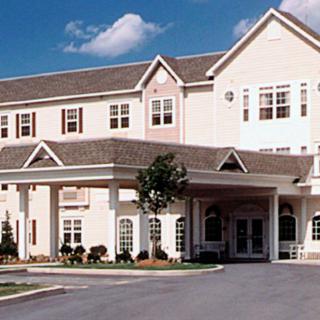
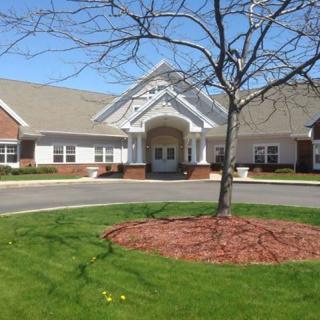
- The facility is top-notch, well-maintained, clean, and staffed by outstanding professionals who deliver wonderful care.
Cons
 The partner's mother was extremely unhappy at Amber Leigh in Williamsville.
- Her physical and mental faculties deteriorated rapidly at Amber Leigh.
- One reviewer described the place as an awful prison for the elderly.
- The reviewer noted that the facility needed more beds to accommodate more residents.
Review
Mercy Hospital Skilled Nursing Facility in Lackawanna is best suited for families seeking a hospital-linked, hands-on care environment where the staff delivers consistently compassionate, interpersonal care and a strong sense of community. The program works well for seniors who value daily human connections, hands-on rehab, and a schedule built around activities and family-style dining. Those who have experienced or anticipate end-of-life care or transitions from hospital to long-term care will find a culture that treats residents and families like extended members of a cared-for network, with nurses, aides, and therapists who are responsive and emotionally engaged.
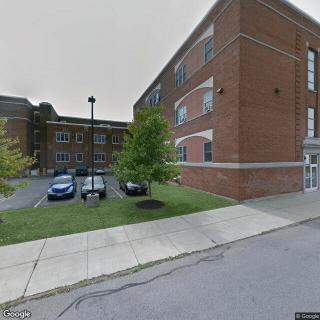
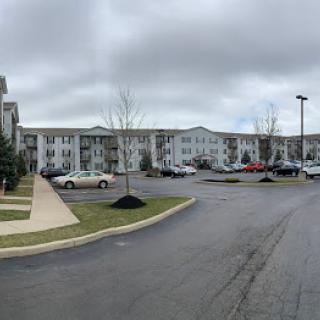
Those who should consider alternatives include families prioritizing a newer, ultra-modern setting with pervasive private rooms across the entire building, or locations with a higher bed capacity to accommodate waiting lists or residents needing rapid admission. Several reviews note the building is older, even while well maintained, and one mentions the need for more beds. For families wanting a stricter, quieter environment or a facility with fewer shared spaces, exploring options elsewhere may be wise. Additionally, for residents with complex memory care needs or those requiring highly specialized clinical oversight, a broader search may better align with specific care requirements.
The strongest pros are transformative for the overall experience: a highly skilled, caring staff; a warmth that makes families feel seen and supported; and a rehab-focused program that is complemented by practical amenities. Rooms can be spacious with private options, and the facility supports a home-like dining experience with on-floor kitchens and family-style seating. The rehab center is paired with attentive nursing care and accessible beauty services, all contributing to a sense of normalcy and dignity. When staff notice concerns or questions, they respond promptly, creating a dependable safety net for residents and their families. These advantages help offset the realities of an older building and occasional residential layout quirks.
Yet, the cons are tangible enough to influence a decision. The building’s age means some spaces reflect older architecture and a mix of room configurations, including instances of shared bathrooms, which will matter to residents for whom privacy is essential. Capacity constraints, needing more beds, may affect admission timing and the ability to accommodate emergencies or rapid changes in health status. While many residents thrive thanks to the devoted team, there are reports of mixed experiences, including one highly unfavorable view, underscoring the reality that satisfaction can hinge on individual staff interactions, specific unit assignments, and personal expectations about pace, privacy, and social activity. The variability in experiences reinforces the need for a direct tour, conversations with the charge nurse, and time spent in common areas.
From a practical decision standpoint, prospective families should use the tour to verify current room configurations, private vs. shared options, and the exact scope of rehabilitation services. Inquire about staff-to-resident ratios, the availability of private rooms across different floors, and how meals and activities are structured for wheelchair users or residents with limited mobility. Ask about the PACE option or other in-home supports, as some families have successfully extended a loved one’s life and quality at home with coordinated care before transitioning to SNF services. It is crucial to review the care planning process, family involvement practices, and how concerns are escalated to leadership, these elements often distinguish a good fit from a merely adequate one.
In the end, Mercy Hospital Skilled Nursing Facility offers a compelling combination of dedicated staff, meaningful activity programs, and a humane, family-centered approach that can significantly augment a resident’s quality of life. It excels for families prioritizing warmth, hands-on care, and structured, rehab-oriented routines within a hospital-affiliated setting. For those whose priorities include maximum privacy, the newest facilities, or broader bed capacity, alternatives should be explored with equal focus. A candid tour, direct conversations with frontline caregivers, and a clear sense of the home culture will determine whether this community aligns with the resident’s needs and family expectations.
 84 resident community capacity
 Skilled Nursing Facility
 Air-conditioning
 Beauty salon
 Cable or satellite TV
 Computer center
 Dining room
 Fitness room
 Fully furnished
 Gaming room
 Garden
 Housekeeping services
 Kitchenette
 Move-in coordination
 Outdoor space
 Private bathrooms
 Restaurant-style dining
 Small library
 Telephone
 Wellness center
 Wi-Fi/high-speed internet available
 Buffalo Niagara International (9 miles away)
 Community operated transportation
 12-16 hour nursing
 24-hour call system
 Activities of daily living assistance
 Assistance with bathing
 Assistance with dressing
 Assistance with transfers
 Diabetes diet
 Medication management
 Mental wellness program
 Special dietary restrictions
 Concierge services
 Planned day trips
 Effective Strategies for Keeping Seniors' Minds Active: A Deep Dive into Brain Games and Apps
 In-Depth Look at the VA Aid and Attendance Program
 Nurturing Our Loved Ones: A Daughter's Journey in Caring for Her Mother