
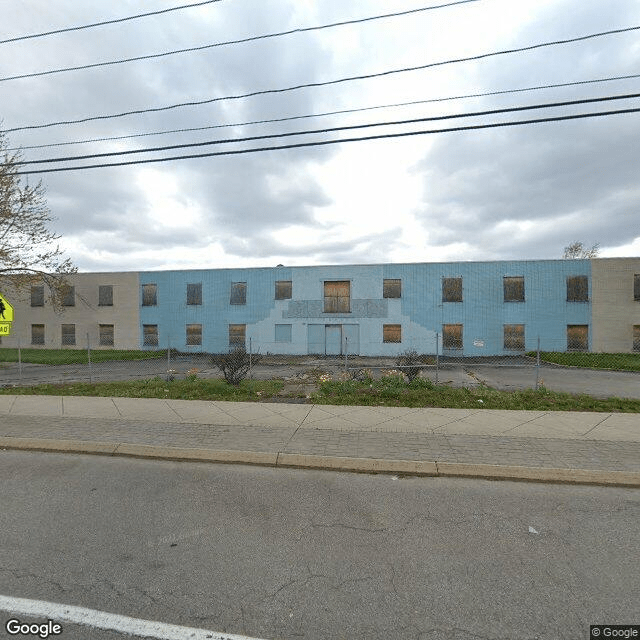
3600 Harlem Rd, Buffalo, NY 14215
To contact a resident: (716) 837-3880
For more information about senior living options: (866) 208-4318
Overall Review of Manor Oak Skilled Nursing Inc
Pros
 The staff are very nice, the facility is wonderful, and the dining room is pleasant.
- Physical therapy was phenomenal, and occupational therapy was wonderful.
- The doctors were outstanding, and the therapy was greatly appreciated.
- The staff in the long-term care unit were absolutely amazing.
- Elderwood at Cheektowaga provided the best care possible and treated the residents with professionalism, respect, and love.
- The facility is wonderful with a caring staff; it is clean, smells good, and offers appropriate activities with follow-up on care.
Cons
 The facility is a mess.
- Since the new administration came in, it is awful; it’s not clean and smells like urine.
- It is an awful place where residents are neglected and staff do not care.
- The place should be closed or investigated by the state.
- The staff are horrible and often spend time socializing instead of helping; problems take forever to resolve; a call button can go unanswered for an hour.
- The food is inedible or not always tasty.
- The facility is severely understaffed and overworked, and transportation may require payment from families.
- There is a persistent urine odor in the halls, indicating poor maintenance.
- A patient was sent home in a weak condition, resulting in pneumonia.
Review
Manor Oak Skilled Nursing Inc in Buffalo is best suited for families seeking solid rehabilitation and skilled nursing care, anchored by a therapy program that delivers real progress and a dining environment that feels welcoming. When the primary objective is to regain function and receive focused PT/OT support, this community often shows results, with therapy staff repeatedly described as phenomenal and physicians and nurses regarded as competent and professional. For residents whose needs center on rehabilitative momentum and steady clinical oversight, Manor Oak can be a credible pathway to meaningful improvement, provided other issues can be lived with or controlled.
At the same time, prospective families should recognize clear caveats. Alternatives should be considered for anyone who prioritizes day-to-day cleanliness, consistent staffing, and rapid, reliable bedside care. Several reviews flag a troubling shift under new administration, claims of reduced cleanliness, odors, and a generally less favorable atmosphere. There are also recurring reports of slow responses to call buttons, caregivers who seem overwhelmed, and a sense that the quality of food has dipped. When reliability and a consistently positive daily experience are non-negotiable, these red flags warrant careful comparison with other options.
The major clinical strengths do offset some of the risk, but not entirely. The therapy teams’ effectiveness and the ongoing medical oversight form a solid bedrock for recovery-oriented residents, and long-term residents’ families have also cited professionalism, respect, and compassionate treatment from staff. These positives, combined with a track record of good therapy outcomes, offer a meaningful counterweight to organizational misgivings. Yet the benefits feel contingent on management stability and staffing levels; without steady leadership and reliable execution, the value of those clinical strengths can be undermined by the day-to-day realities of care.
Daily life at Manor Oak presents a split picture. On the upside, the facility’s presentation and dining room are often described as pleasant, and activities are structured to engage residents. Conversely, other reviews describe persistent cleanliness issues, smells of urine, and inconsistent maintenance of common areas. This disparity suggests that experience may hinge on which shift or department is supervising at any given time, making predictability elusive. For families seeking a consistently calm, clean environment, this variability is a consequential risk that needs to be weighed heavily.
Operational friction also features prominently in the decision calculus. Communication gaps and missteps around transitions, from rehab to long-term care or about bed availability, appear in multiple accounts, complicating coordination for families. Transportation policies add a further wrinkle, with reports that if a dedicated transport van is unavailable, families may be asked to cover alternate arrangements. These bureaucratic and logistical hurdles compound the emotional weight of placing a loved one in care, turning a hopeful transition into a stressful negotiation.
Bottom line: Manor Oak offers credible rehab potential and a clinically capable staff, which makes it a reasonable fit for residents who prioritize therapy-driven recovery and can tolerate variable daily life experiences. For families with zero tolerance for odor concerns, inconsistent call-light responses, or uneven housekeeping, more consistently managed alternatives in the Buffalo area may provide a safer, more predictable daily routine. Prospective buyers should demand an in-person tour, speak with the therapy director, and obtain a clear picture of current staffing levels and day-to-day culture. A candid, on-site assessment will reveal whether Manor Oak can deliver the steady, respectful care sought or if another community would better align with expectations and peace of mind.
 Skilled Nursing Facility
 Buffalo Niagara International (3 miles away)




 Comprehensive Exploration of Living Wills and Other Advance Directives
 A Detailed Exploration of Living Wills and Advance Directives
 Comprehensive Guide to Medicare Coverage for Hospice Care