Overall Review of Downtown Brooklyn Nursing & Rehabilitation Center
common
Staff care and attention
Residents and families frequently describe staff as attentive, kind, and responsive.
Across many reviews, residents and families say nurses, aides, and the broader team were friendly and genuinely concerned about comfort and needs. Several comments highlight responsiveness—answering questions, keeping people updated, and being helpful in day-to-day moments. A few reviews also point to staff being professional and making visitors feel welcome, with some families emphasizing the peace of mind they felt from that communication.
common
Clean, well-kept facility
A recurring theme is that the building and rooms feel clean and maintained.
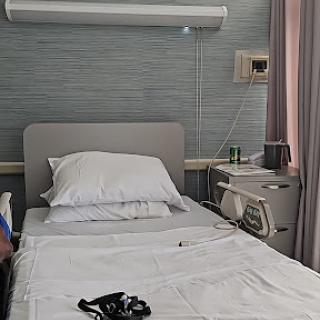
Many reviewers describe the facility as clean and well kept, including rooms and common areas. Some also mention a bright or comfortable environment and say that hygiene and linens were handled well. A smaller number of reviews raise cleanliness-related issues in specific spots like restrooms, but the dominant picture in feedback is ongoing upkeep.
differentiator
Rehab therapy drives progress
Physical and occupational therapy are central to residents’ recovery stories.
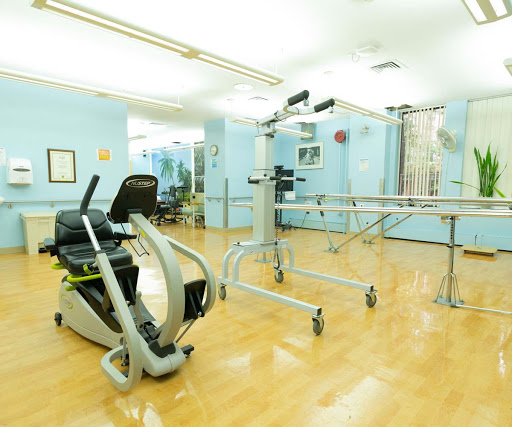
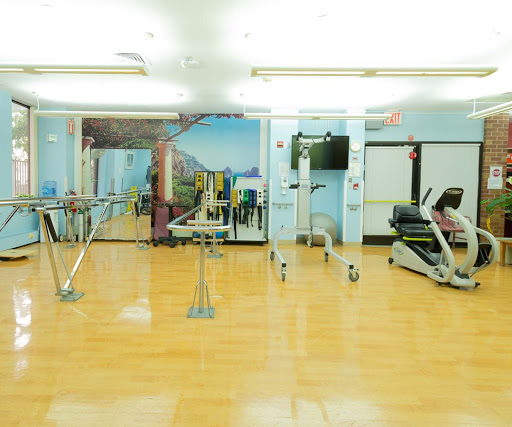
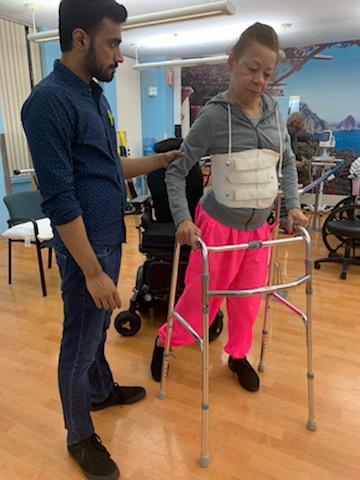
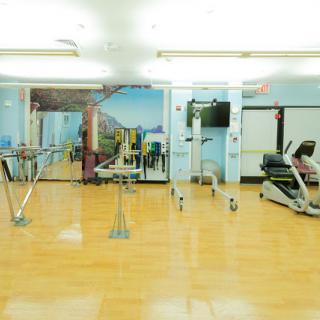
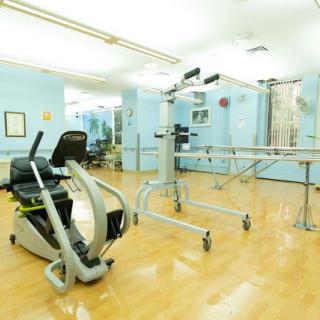
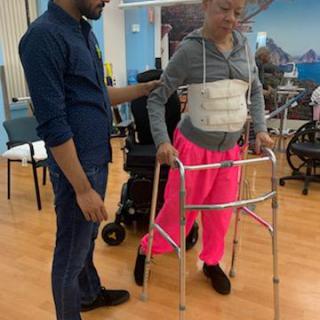
Multiple reviews focus on PT/OT as a main part of the stay, describing therapists who encourage progress and explain exercises. Several families connect therapy to concrete outcomes, like walking again after knee replacement or making noticeable gains. Where issues are mentioned, they tend to be about specific equipment or logistics rather than the overall value of the therapy teams residents worked with.
common
Food is repeatedly praised
Food and meal experience come up often in reviews.
Several reviewers say the food was good or even “fabulous,” and a few call out meals looking appealing or being sufficient. Some describe snacks and sandwiches, while others mention that special diets were considered as part of meals. The community also offers restaurant-style dining and dietary-restriction support, which aligns with the way residents talk about the day-to-day meal experience.
common
Activities help residents stay engaged
Reviews frequently mention structured activities and resident engagement.
Families and visitors describe scheduled daily activities and community-sponsored events that give residents something to look forward to. Some mention day-to-day engagement like video-based exercise and residents gathering for music before meals. Others highlight planned programming like day trips and resident-run activities, contributing to a busier, less isolating routine.
caveat
Care gaps and communication concerns
A handful of reviews report serious lapses around care continuity and accountability.
While many reviews are positive, a few describe problems that go beyond preferences, including a medication-related incident during hospice and concerns about residents being left unattended during a fire drill. Other negative comments focus on operational accountability and communication—confusion about who to contact, difficulties reaching leadership, and follow-through not matching what was promised. There are also isolated mentions of care support issues like toileting/changing problems, along with maintenance complaints such as broken temperature controls or bathroom hygiene.
How we summarize
We summarize when many written reviews mention each theme; a review can touch several themes, and only frequently mentioned themes are displayed.
Features
Housing
320 resident community capacity
Types of Care
Skilled Nursing Facility
Amenities
Air-conditioning
Beauty salon
Cable or satellite TV
Computer center
Dining room
Fitness room
Fully furnished
Gaming room
Garden
Housekeeping services
Kitchenette
Move-in coordination
Outdoor space
Private bathrooms
Restaurant-style dining
Small library
Telephone
Wellness center
Wi-Fi/high-speed internet available
Transportation
LaGuardia (8 miles away)
John F Kennedy International (10 miles away)
Newark International (11 miles away)
Community operated transportation
Transportation arrangement
Transportation arrangement (non-medical)
Transportation to doctors appointments
Care Services
12-16 hour nursing
24-hour call system
24-hour supervision
Activities of daily living assistance
Assistance with bathing
Assistance with dressing
Assistance with transfers
Diabetes diet
Meal preparation and service
Medication management
Mental wellness program
Special dietary restrictions
Dining
Diabetes diet
Special dietary restrictions
Activities
Community-sponsored activities
Concierge services
Fitness programs
Planned day trips
Resident-run activities
Scheduled daily activities
Nearby Places of Interest
Transportation
MTA Subway - Franklin Avenue-Medgar Evers College (0.3 miles)
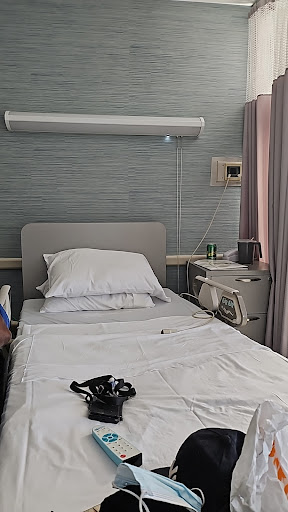
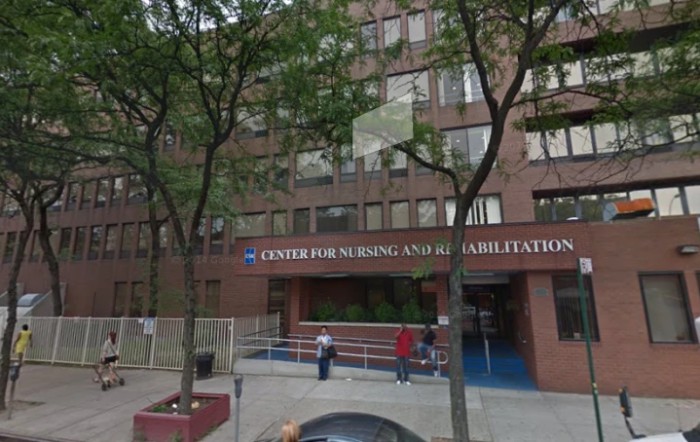
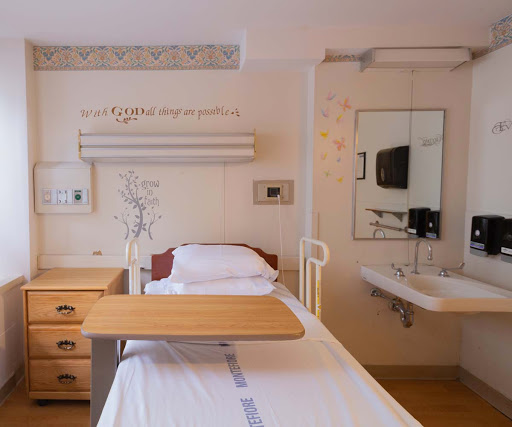
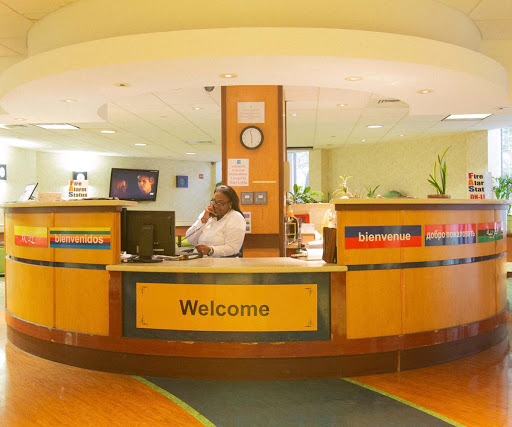
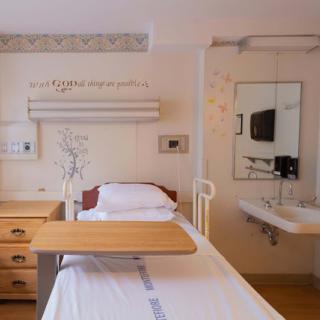
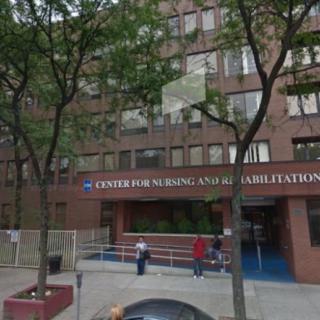
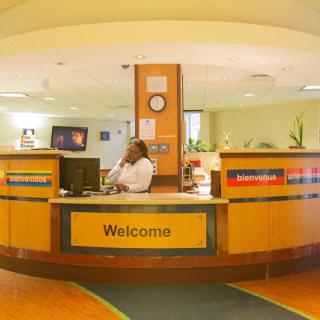
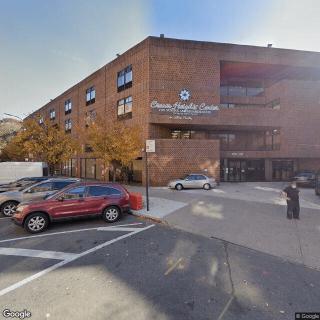
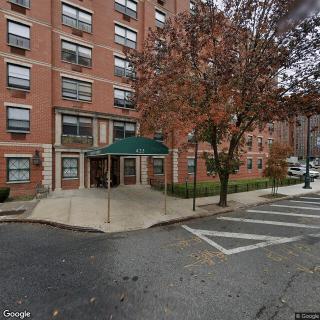
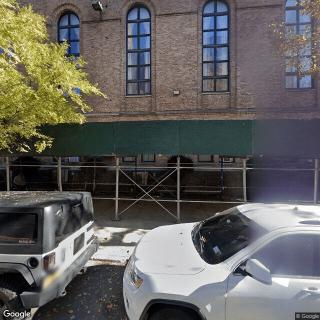
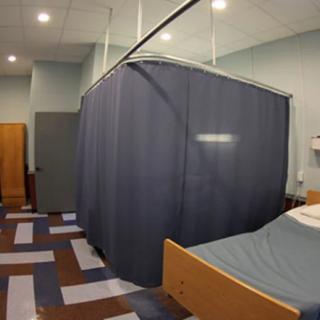
Downtown Brooklyn Nursing & Rehabilitation Center on seniors.fyi includes 7 photos including images showing healthcare, bedroom, gym, exercise equipment, rehabilitation, physical therapy, urban, trees, and more.
Nearby Communities
Prospect Park Residence
Brooklyn, NY
2 from 2 reviews
$3,300 to $5,900 / month
Studio ($3,300) and 1-bedroom ($3,800) options with Memory Care and on-site dining.
Northern Manor Geriatric Ctr
Brooklyn, NY
3.9 from 66 reviews
$4,235 / month
Affordable private-room pricing compared to local averages.
Marcus Garvey Nursing Home Inc
Brooklyn, NY
4.4 from 119 reviews
Excellent access to nearby healthcare and amenities.
Cumberland Gardens
Brooklyn, NY
4.4 from 22 reviews
$6,000 to $8,150 / month
Friendly staff, clean facility, diverse resident community, and engaging activities.
New Carlton Rehab And Nursing Center
Brooklyn, NY
3.5 from 41 reviews
Comprehensive on-site care with 24/7 supervision and a wide range of amenities
Concord Nursing Home Telephone
Brooklyn, NY
Convenient access to nearby restaurants, parks, pharmacies, theaters, transportation, and hospitals.
Oxford Nursing Home
Brooklyn, NY
4.3 from 112 reviews
$4,960 to $6,448 / month
Wide range of amenities and 24/7 care
N Y Congregational Nursing Center
Brooklyn, NY
4.1 from 106 reviews
Clean, comfortable setting with responsive staff and engaging activities.
The Watermark at Brooklyn Heights
Brooklyn, NY
4.9 from 128 reviews
$8,545 to $15,620 / month
Professional, courteous staff in a prime Brooklyn Heights location with clean, well-maintained facilities.
The guide details ten essential responsibilities of senior caregivers, including personal care, mobility assistance, medication management, and emotional support, while emphasizing the importance of safety, nutrition, and maintaining a safe living environment to enhance seniors' quality of life and independence.
The article highlights nine memory-boosting activities for seniors that enhance cognitive health and social interaction, including puzzles, trivia quizzes, and storytelling, while emphasizing the importance of adapting these activities to individual preferences to maximize enjoyment and engagement. Consistent mental engagement is linked to improved cognitive function and emotional well-being in older adults.
Medicare provides limited coverage for skilled nursing home care, covering full benefits for the first 20 days and partial benefits up to 100 days under certain conditions, after which families must explore alternative funding options like Medicaid or long-term care insurance to manage potentially high costs. Proactive planning is essential to navigate the complexities of financing ongoing care once Medicare coverage ends.
Downtown Brooklyn Nursing & Rehabilitation Center photos
×
Interior
Building
Bedroom
Exercise Equipment
Gym
Healthcare
Rehabilitation
Interior
Bedroom
Building, Trees, and Urban
Exercise Equipment and Gym
Healthcare
Rehabilitation and Physical Therapy
Mirrors, Fitness, and Workout Space
Reception
Caregiver
Get PricingAsk A QuestionSchedule A TourContact Senior Advisor
By clicking submit, you agree to our Partner's Terms of Use. You
also consent to receive calls and texts, which may be autodialed, from our Partner. Your consent is not a condition to
using our Partner's service. Please visit our Partner's Privacy Policy for information about their privacy practices.

 320 resident community capacity
 Skilled Nursing Facility
 Air-conditioning
 Beauty salon
 Cable or satellite TV
 Computer center
 Dining room
 Fitness room
 Fully furnished
 Gaming room
 Garden
 Housekeeping services
 Kitchenette
 Move-in coordination
 Outdoor space
 Private bathrooms
 Restaurant-style dining
 Small library
 Telephone
 Wellness center
 Wi-Fi/high-speed internet available
 LaGuardia (8 miles away)
 Community operated transportation
 12-16 hour nursing
 24-hour call system
 Activities of daily living assistance
 Assistance with bathing
 Assistance with dressing
 Assistance with transfers
 Diabetes diet
 Medication management
 Mental wellness program
 Special dietary restrictions
 Concierge services
 Planned day trips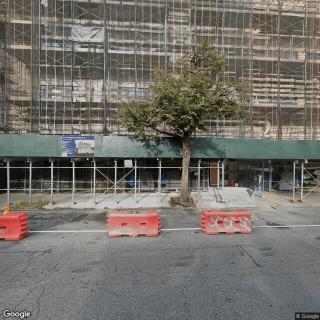
 Studio ($3,300) and 1-bedroom ($3,800) options with Memory Care and on-site dining.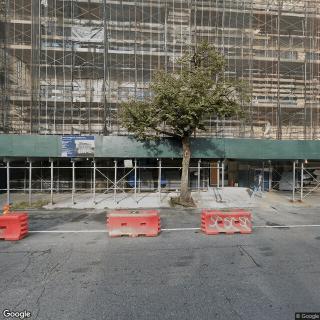
 Ten Vital Duties of a Senior Caregiver: A Comprehensive Guide
 9 Stimulating Memory Activities for Seniors: Puzzles, Cards, and Much More
 Managing Nursing Home Expenses After Medicare Coverage Ends