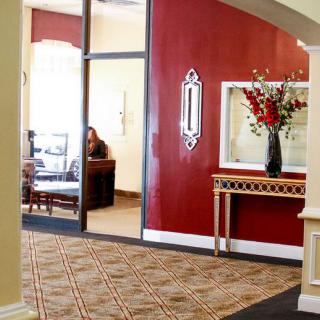
Northern Manor Geriatric Ctr in Brooklyn, NY
Save
Information last verified:
1 Prospect Park W, Brooklyn, NY 11215
For more information about senior living options: (844) 490-3973
At Northern Manor Geriatric Center, the monthly cost for a private room is $4,235. This aligns favorably when compared to the average rates in Kings County, which stand at $5,284, and within the broader context of New York State where private room costs average around $5,159. The pricing at Northern Manor not only reflects a competitive edge in terms of affordability but also signifies a commitment to providing quality care while ensuring that residents have access to necessary services at a reasonable price point compared to other facilities in the area.
| Floor plans | Northern Manor Geriatric Ctr | Kings County | New York |
|---|---|---|---|
| Private | $4,235 | $5,284 | $5,159 |
Northern Manor Geriatric Center in Brooklyn is best suited for families that value a strong rehabilitation pathway and proactive social-work leadership, with the expectation that therapy and transition planning will be central to the resident’s experience. The facility earns praise for its rehab program, with therapists and staff frequently described as capable, engaged, and patient, and for a front-office culture that emphasizes welcome and communication. This emphasis on mobility, recovery, and community reintegration makes it a solid choice for residents who enter with clear rehab goals or who need structured support returning to independent living. It is less clearly a universal fit for every daily caregiver expectation, however, because day-to-day consistency and cleanliness appear to vary by floor and shift, and leadership quality has been cited as a decisive factor in resident outcomes.
On the upside, the pros are real and measurable. Multiple reviewers highlight well-regarded physical therapy, skilled nursing care, and a social-services team that coordinates transitions back into the community with diligence. Names repeatedly praised include well-known therapy staff and the social-work leadership that keeps families informed and involved. The recreation program and the reception/administrative staff are also frequently singled out for warmth and helpfulness, contributing to a sense of welcome that many families associate with peace of mind during a difficult transition. When these elements align, clear communication from social workers, attentive therapists, and a responsive front desk, the experience can be markedly positive, with residents showing tangible gains in mobility and mood.
But the community’s strengths often face a sharp counterbalance from a substantial body of serious concerns. Several reviews allege neglect in daily care routines, inconsistent attention to basic hygiene, and lapses in responsiveness that leave families worried about safety and comfort. Specific grievances run from clothes not being changed or dried after showers, to reported water leaks and unclean room conditions, to gaps in medication and respiratory oversight on certain units. There are also accounts of staff shortages and limited answers during call-bell interruptions, which many families interpret as a sign of systemic staffing instability rather than isolated incidents. Taken together, these reports paint a picture of a facility where excellent rehab outcomes can coexist with troubling daily-operational gaps.
That juxtaposition matters for families weighing options. The same strengths that drive mobility gains and well-coordinated transitions can be undermined by the daily-care deficiencies that undermine comfort and safety. When a resident’s recovery hinges on reliable, timely assistance and consistent hygiene, the quality of routine caregiving becomes the deciding variable. Positive experiences are not just anecdotal: some families describe near-perfect interactions with therapists, nurses, and social workers, while others describe a pattern of delays, perceived indifference, or environmental maintenance issues that complicate trust in the daily care team. The best-case scenario is a facility where rehab-focused leadership and patient-facing staff override occasional lapses with swift, accountable remediation.
Given the spectrum of experiences, who should consider alternatives, and how to evaluate Northern Manor with sharper focus? Families who prize a consistently spotless environment, rapid response to call bells, and uncompromising daily care quality should approach with heightened caution. If daily hygiene, room cleanliness, and reliable staffing are nonnegotiables, it is prudent to compare with other nearby options that demonstrate steadier performance on these metrics. Before deciding, visit multiple times, on different days and times, and ask pointed questions: what are the floor-level staffing ratios? how does the facility handle laundry and clothing labeling? how quickly do nurses respond to calls, and who oversees that process on weekends? Request concrete, recent incident logs, patient-care plans, and a tour of the rehab wing to see the GO or equivalent programs in action. In essence, Northern Manor can be a strong rehab partner, but the decision hinges on whether the daily-care fabric can be trusted to hold steady under real-world pressures.
In the end, the decision rests on a clear calculus: Northern Manor delivers genuine rehab chops, credible therapy outcomes, and a front-office and social-work cadence that can transform a difficult transition into a hopeful one. Those benefits are most compelling for families prioritizing mobility restoration and community reintegration, provided there is confidence in daily caregiving reliability and facility upkeep. For individuals and families unwilling to compromise on consistent daily care, hygiene, and prompt responsiveness, alternatives with steadier daily operations warrant close comparison. If choosing Northern Manor, approach with explicit oversight plans, defined response expectations, and a written agreement on how concerns will be tracked and resolved, ensuring that the rehab strengths do not get overshadowed by avoidable daily-care gaps.
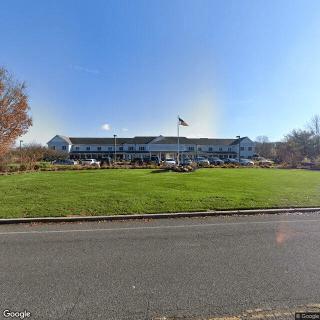
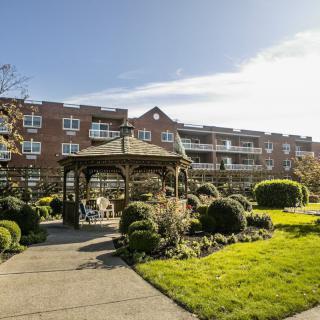
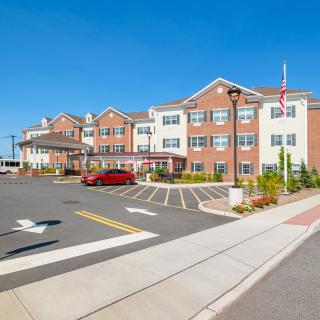
Northern Manor Geriatric Ctr is an assisted living community located in the vibrant neighborhood of Brooklyn, NY. Situated in a convenient location, this facility offers a range of amenities and services to cater to the needs of its residents.
For those who enjoy dining out or exploring various culinary options, Northern Manor Geriatric Ctr is surrounded by six restaurants offering diverse cuisines. Whether residents prefer casual dining or fine dining experiences, they can easily find satisfying meal options just a short distance away.
Nature enthusiasts will appreciate the abundance of parks in the vicinity. With 20 parks nearby, residents have plenty of opportunities to enjoy outdoor activities, take leisurely strolls, or simply relax amidst nature's beauty. These green spaces provide a serene escape from the bustling city atmosphere.
Healthcare needs are well taken care of with various facilities available nearby. The presence of 42 pharmacies ensures that medication and healthcare supplies are readily accessible for residents. Additionally, there is one physician located close by, providing convenient medical support when needed.
Transportation options are abundant near Northern Manor Geriatric Ctr, with 22 transportation hubs available in close proximity. This makes it easy for residents to travel around the area or visit nearby attractions without any hassle.
For entertainment purposes, there are two theaters in the vicinity where residents can enjoy live performances or catch the latest movies on screen. Cultural events and artistic experiences are within reach for those interested in indulging their creative side.
Finally, the presence of four hospitals near this assisted living community offers peace of mind and quick access to medical care in case of emergencies or specialized treatments.
In summary, Northern Manor Geriatric Ctr provides a comfortable and convenient living environment for seniors seeking assisted living services in Brooklyn. Its range of nearby cafes, parks, pharmacies, physicians, restaurants, transportation options, theaters, and hospitals contribute to a well-rounded lifestyle that caters to both relaxation and convenience.
Located in the heart of Brooklyn, New York, this neighborhood offers convenient access to various transportation options including multiple MTA subway stations and the LIRR. In terms of healthcare, there are several pharmacies nearby as well as reputable hospitals such as NewYork-Presbyterian Brooklyn Methodist Hospital and Kings County Hospital Center. The area also boasts a variety of parks for leisurely strolls and outdoor activities, including Fort Greene Park and Brooklyn Bridge Park. For entertainment, seniors can enjoy nearby theaters like Alamo Drafthouse Downtown Brooklyn or relax at cafes like East One Coffee Roasters. Additionally, there are plenty of dining options ranging from seafood at Brooklyn Crab to Korean cuisine at Kimbap Lab. Overall, this neighborhood provides a vibrant mix of amenities and services that cater to the needs of seniors looking for a comfortable and active lifestyle in Brooklyn.
At Northern Manor Geriatric Center, the monthly cost for a private room is $4,235. This aligns favorably when compared to the average rates in Kings County, which stand at $5,284, and within the broader context of New York State where private room costs average around $5,159. The pricing at Northern Manor not only reflects a competitive edge in terms of affordability but also signifies a commitment to providing quality care while ensuring that residents have access to necessary services at a reasonable price point compared to other facilities in the area.
Northern Manor Geriatric Ctr is located at 1 Prospect Park W, Brooklyn, NY 11215 in Kings County, New York
Exploring Palliative Care in the Home: A Comprehensive Overview

Palliative care enhances the quality of life for seriously ill patients by providing comprehensive support at home through a multidisciplinary team, addressing various needs and prioritizing comfort over curative treatments. While it offers personalized care and involves family in decision-making, challenges like caregiver stress and logistical issues persist, with growing demand prompting advancements in technology and healthcare policies to improve access.
Comprehensive Insights into Palliative Home Care: What It Is and What to Expect

Palliative home care focuses on improving the quality of life for individuals with serious illnesses by providing comfort, symptom management, and emotional support in their own homes. This approach includes personalized care plans, regular assessments, and resources for family caregivers, all while prioritizing person-centered treatment that aligns with patients' goals.
Skilled Nursing Facilities vs. Nursing Homes: Making Sense of the Differences
Skilled nursing facilities (SNFs) provide high-level medical care and rehabilitation for short-term recovery, typically covered by Medicare after hospitalization, while nursing homes focus on ongoing custodial care for chronic conditions, mainly funded by Medicaid or private payments. The staffing and regulatory structures differ significantly between the two, necessitating clarity for families in choosing appropriate long-term care options.