For more information about senior living options: (866) 208-4318
4.4 from 102 reviews
5 stars
80
4 stars
7
3 stars
2
2 stars
1
1 stars
12
Overall Review of Crown Heights Center For Nursing And Rehab
common
Caring, professional staff stand out
Residents and families repeatedly describe staff as professional, kind, and responsive.
Across reviews, families describe a team that is respectful and attentive, including CNAs and nurses, with many saying their loved ones felt safe and well cared for. Some reviews also highlight staff helping with day-to-day concerns, follow-through, and communication during discharge or transitions. A smaller set of reviews raises the opposite concern—patients allegedly not being helped promptly and staff not being accountable—so experiences can vary.
common
Clean, well-kept environment
Multiple reviews mention the facility being clean and kept in good condition.
Many reviewers explicitly praise cleanliness, describing rooms as clean and the facility as neat. Several also connect the clean environment to feeling comfortable during visits or recovery. A few negative reviews contradict this, describing dirty rooms, soiled linens, and pests, which is an important outlier for evaluating day-to-day consistency.
differentiator
Social work support is a focus
Residents and families frequently single out the social work support as especially helpful.
A recurring theme is the role of specific social workers—especially Sirlina—being professional, easy to approach, and effective at calming concerns. Multiple reviews describe social workers helping families navigate admissions, services, and paperwork, and staying engaged as needs change. In the most negative reviews, the social work experience is portrayed as unresponsive or not honoring patient preferences, again suggesting wide variation in outcomes.
common
Activities and rehab progress matter
Reviews frequently connect recovery to rehab support and meaningful daily activities.
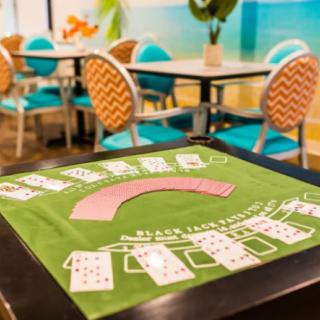
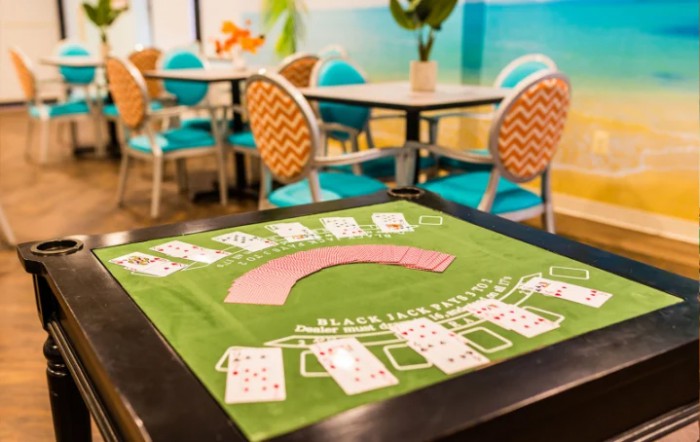
Several reviewers describe rehabilitation care and recovery improvements, including wound care and therapy support. Residents are also described as looking forward to scheduled activities such as games, music, and trivia, with some mentioning entertainment that kept residents engaged. One set of reviews is less positive on care outcomes and responsiveness, which can affect confidence in day-to-day rehab quality.
caveat
Food quality and responsiveness vary
Some reviews express dissatisfaction with meals or delays in getting help.
While many reviews praise overall care, a number of details point to inconsistency: at least one reviewer says the food is not the best. There are also complaints about responsiveness—such as call-light issues, delayed assistance with eating, or families feeling they had to advocate repeatedly. Taken together with the otherwise strong cleanliness and staff praise, these reviews suggest checking how the facility handles day-to-day assistance during visits.
How we summarize
We summarize when many written reviews mention each theme; a review can touch several themes, and only frequently mentioned themes are displayed.
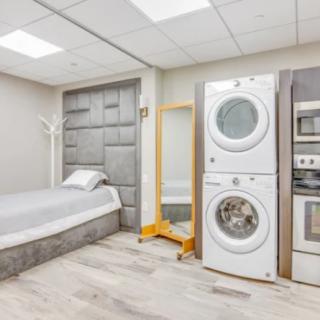
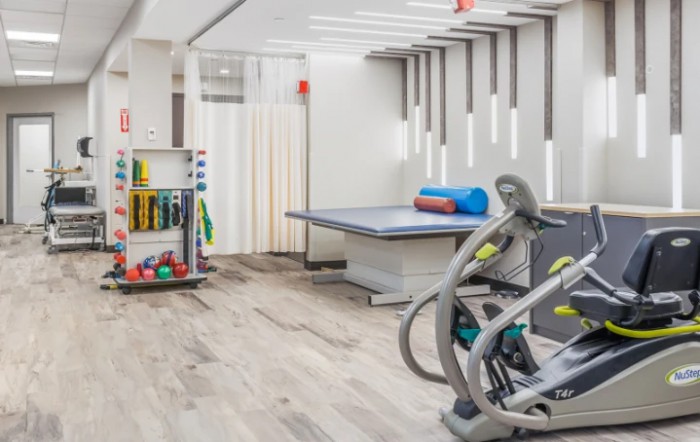
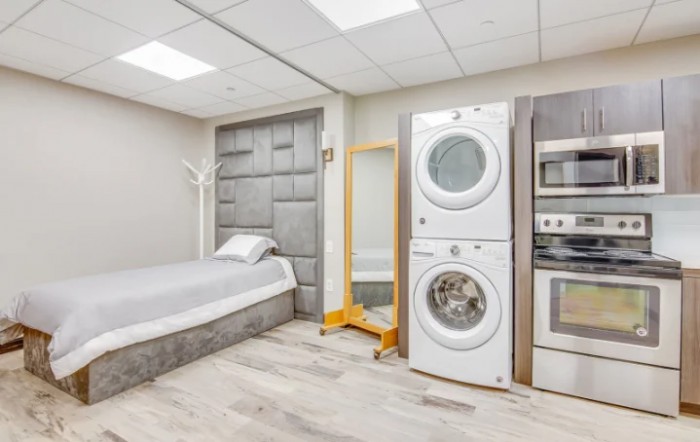
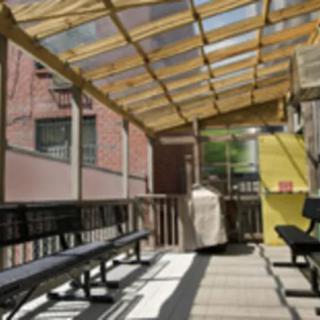
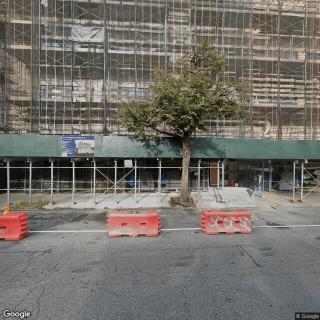
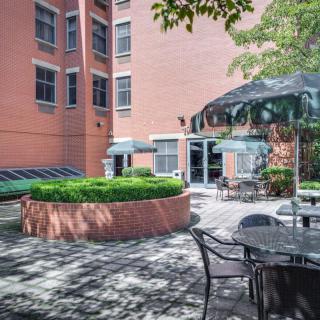
Crown Heights Center For Nursing And Rehab on seniors.fyi includes 5 photos including images showing interior, bedroom, appliances, dryer, nursing home, building, facility, living room, and more.
Nearby Communities
Cumberland Gardens
Brooklyn, NY
4.4 from 22 reviews
$6,000 to $8,150 / month
Friendly staff, clean facility, diverse resident community, and engaging activities.
Oxford Nursing Home
Brooklyn, NY
4.3 from 112 reviews
$4,960 to $6,448 / month
Wide range of amenities and 24/7 care
New Carlton Rehab And Nursing Center
Brooklyn, NY
3.5 from 41 reviews
Comprehensive on-site care with 24/7 supervision and a wide range of amenities
Prospect Park Residence
Brooklyn, NY
2 from 2 reviews
$3,300 to $5,900 / month
Studio ($3,300) and 1-bedroom ($3,800) options with Memory Care and on-site dining.
Northern Manor Geriatric Ctr
Brooklyn, NY
3.9 from 66 reviews
$4,235 / month
Affordable private-room pricing compared to local averages.
Hopkins Center For Rehabilitation And Healthcare
Brooklyn, NY
4.5 from 130 reviews
Dedicated staff, high cleanliness, engaging activities, and strong rehab and dining programs.
The Watermark at Brooklyn Heights
Brooklyn, NY
4.9 from 128 reviews
$8,545 to $15,620 / month
Professional, courteous staff in a prime Brooklyn Heights location with clean, well-maintained facilities.
N Y Congregational Nursing Center
Brooklyn, NY
4.1 from 106 reviews
Clean, comfortable setting with responsive staff and engaging activities.
Signature Senior Living
Brooklyn, NY
3.8 from 105 reviews
$3,700 to $3,800 / month
Caring staff and a variety of resident activities.
Low-impact exercises are vital for seniors as they promote health, independence, and social interaction while reducing joint strain. These adaptable activities, guided by healthcare professionals, enhance strength, flexibility, and emotional well-being.
The guide details the tax deductibility of in-home healthcare expenses according to IRS guidelines, differentiating between medically necessary services and non-medical assistance, while emphasizing the need for proper documentation and itemization requirements. It also highlights state-level variations, the importance of record-keeping, and encourages seeking professional tax help to understand evolving regulations.
Gardening provides seniors with physical exercise, mental and emotional support, and social interaction opportunities, while accommodating their needs through raised beds and ergonomic tools. It promotes health benefits like improved dexterity and cardiovascular health, encourages sustainable practices, and allows for manageable upkeep with low-maintenance plants.
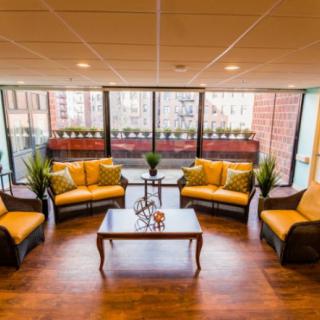
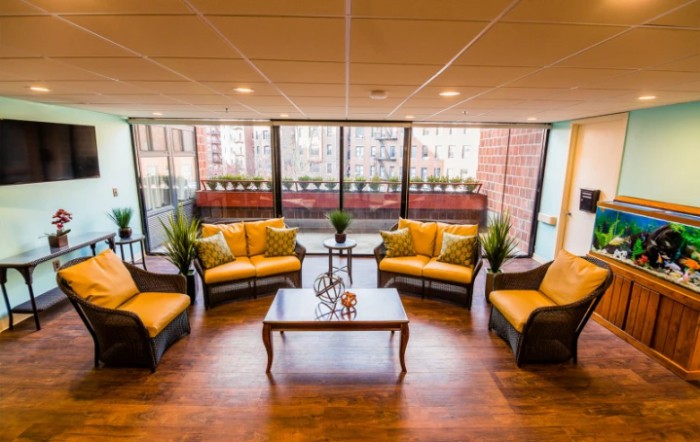
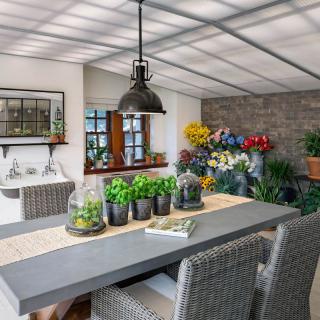
Living Room, Windows, Indoor Plants, and Interior Decor
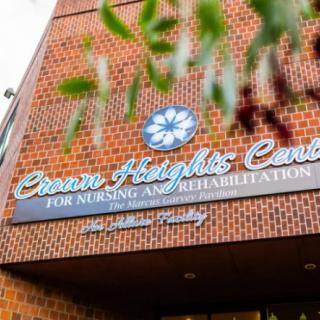
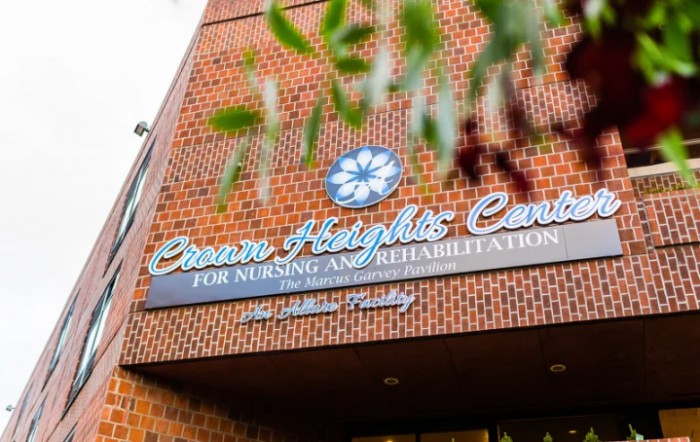
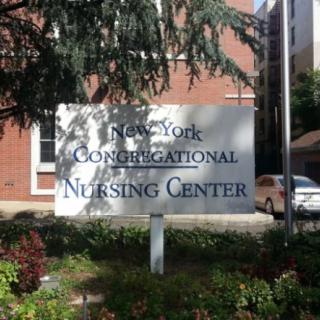
Building, Nursing Home, and Facility
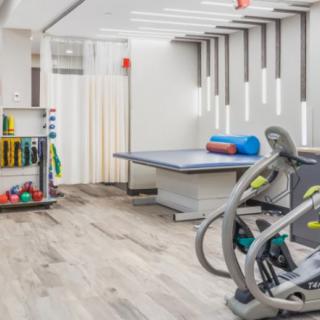
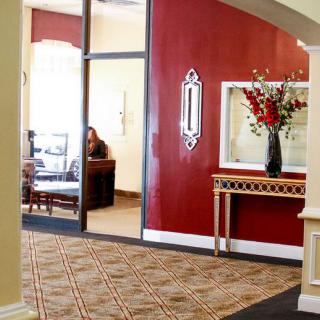
Gym, Fitness, Exercise, and Workout Room
Get PricingAsk A QuestionSchedule A TourContact Senior Advisor
By clicking submit, you agree to our Partner's Terms of Use. You
also consent to receive calls and texts, which may be autodialed, from our Partner. Your consent is not a condition to
using our Partner's service. Please visit our Partner's Privacy Policy for information about their privacy practices.

 295 resident community capacity
 Skilled Nursing Facility
 Air-conditioning
 Beauty salon
 Cable or satellite TV
 Computer center
 Dining room
 Fitness room
 Fully furnished
 Gaming room
 Garden
 Housekeeping services
 Kitchenette
 Move-in coordination
 Outdoor space
 Private bathrooms
 Restaurant-style dining
 Small library
 Telephone
 Wellness center
 Wi-Fi/high-speed internet available
 LaGuardia (9 miles away)
 Community operated transportation
 12-16 hour nursing
 24-hour call system
 Activities of daily living assistance
 Assistance with bathing
 Assistance with dressing
 Assistance with transfers
 Diabetes diet
 Medication management
 Mental wellness program
 Special dietary restrictions
 Concierge services
 Planned day trips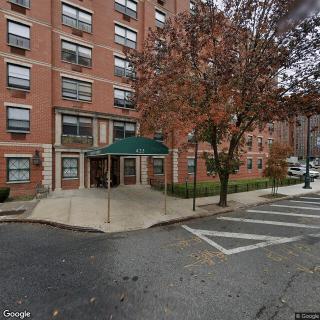
 Friendly staff, clean facility, diverse resident community, and engaging activities.
 Highly Beneficial Low-Impact Exercises for Senior Living Residents
 Is In-Home Healthcare Tax Deductible? Your Comprehensive Guide
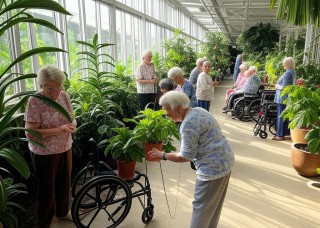 Nurturing Well-Being Through Gardening: A Detailed Guide for Senior Enthusiasts