For more information about senior living options: (866) 208-4318
3.8 from 106 reviews
5 stars
68
4 stars
7
3 stars
2
2 stars
0
1 stars
29
Overall Review of St Marys Hospital For Children
common24 reviews mention this
Caring staff stands out
Many families describe the staff and therapists as caring, helpful, and dedicated to patients.
A large share of reviews focus on how kind and supportive the staff feel in day-to-day care. Families mention therapists going above and beyond, including helping kids with recovery and therapy sessions. Some reviewers also describe staff preparing for a child’s return home and showing compassion during difficult end-of-life moments.
common8 reviews mention this
Therapy and rehab support
Residents and families point to therapy programs that support recovery and specific skill needs.
Several reviews talk about therapy outcomes, including rehabilitation for serious injuries and longer stays where progress was a focus. Families also mention feeding therapy and a feeding program in particular as something that made a difference. Other reviewers reference music therapy and day-to-day rehab experiences through the hospital’s services and activities.
common5 reviews mention this
Facility feels clean and welcoming
Multiple reviewers say the building is clean and the atmosphere feels welcoming.
Some reviews describe the facility as well kept, clean, and bright. A few mention an overall pleasant atmosphere, with kids in “caring hands,” and families feeling welcomed during visits or volunteering. These remarks pair with other positive comments about staff presence during activities.
caveat3 reviews mention this
Social work and discharge feel strained
Some families report frustration around social worker involvement and parts of the discharge process.
A few reviews raise concerns about discharge and communication, including discrepancies and difficulties getting support during transitions. Others say they were not able to speak with a social worker when they wanted to, or that discharge-related interactions felt dismissive. While not everyone mentions discharge issues, these comments show up more than once.
caveat12 reviews mention this
Safety and care concerns reported
Some reviews describe serious concerns about neglect, injuries, or inconsistent attention to care needs.
Alongside positive experiences, multiple reviewers describe problems they attribute to staffing and oversight. Several mention their child receiving injuries, bruising, or stitches, or describe situations where they felt staff did not respond in time. Others describe comfort and hygiene concerns, including feet splints left on too long and calls for better response, and a few say they have ongoing unresolved issues or no clear explanations.
How we summarize
Counts show how many written reviews mention each theme; a review can touch several themes, and only frequently mentioned themes are displayed.
Features
Housing
124 resident community capacity
Types of Care
Skilled Nursing Facility
Amenities
Air-conditioning
Beauty salon
Cable or satellite TV
Computer center
Dining room
Fitness room
Fully furnished
Gaming room
Garden
Housekeeping services
Kitchenette
Move-in coordination
Outdoor space
Private bathrooms
Restaurant-style dining
Small library
Telephone
Wellness center
Wi-Fi/high-speed internet available
Transportation
LaGuardia (5 miles away)
John F Kennedy International (9 miles away)
Westchester Cty (20 miles away)
Newark International (22 miles away)
Community operated transportation
Transportation arrangement
Transportation arrangement (non-medical)
Transportation to doctors appointments
Care Services
12-16 hour nursing
24-hour call system
24-hour supervision
Activities of daily living assistance
Assistance with bathing
Assistance with dressing
Assistance with transfers
Diabetes diet
Meal preparation and service
Medication management
Mental wellness program
Special dietary restrictions
Dining
Diabetes diet
Special dietary restrictions
Activities
Community-sponsored activities
Concierge services
Fitness programs
Planned day trips
Resident-run activities
Scheduled daily activities
Nearby Places of Interest
Restaurants
Burger King (1.1 miles)
McDonald's (1.4 miles)
Taco Bell (1.8 miles)
White Castle (5.1 miles)
Toku Modern Asian (5.2 miles)
Hendrick's Tavern (6.4 miles)
Bar Frites (7.8 miles)
Pharmacies
CVS Pharmacy (1.1 miles)
CVS Pharmacy (1.5 miles)
CVS Pharmacy (1.7 miles)
CVS Pharmacy (2 miles)
CVS Pharmacy (2.2 miles)
Queens Crossing (3.4 miles)
CVS Pharmacy (3.4 miles)
Transportation
LIRR - Little Neck Station (1.5 miles)
LIRR - Manhasset Station (3.9 miles)
LIRR - Mets-Willets Point Station (4.3 miles)
MTA - Mets-Willets Point Subway Station (4.3 miles)
LIRR - Floral Park Station (4.8 miles)
Terminal D (4.9 miles)
Terminal C (5 miles)
Cafes
Starbucks (2.3 miles)
Starbucks (4.5 miles)
Cafe Zeppieri (8.5 miles)
Theaters
AMC Fresh Meadows 7 (2.5 miles)
AMC Bay Plaza Cinema 13 (6.9 miles)
AMC Roosevelt Field 8 (8.3 miles)
Parks
Alley Pond Park (2.6 miles)
Allenwood Park (2.7 miles)
Cunningham Park (3.1 miles)
Flushing Meadows Corona Park (4.5 miles)
Forest Park (6.4 miles)
Randall's Island Park (8.1 miles)
Astoria Park (8.5 miles)
Physicians
North Shore Gastroenterology Associates PC (3.2 miles)
2 Pro Health Plaza (4.2 miles)
Winthrop Professional Building (7.1 miles)
Hospitals
Division of Vascular/Interventional Radiology at Long Island Jewish Medical Center (3.5 miles)
St Francis Hospital (5.5 miles)
Winthrop University Hospital New Life Center (7 miles)
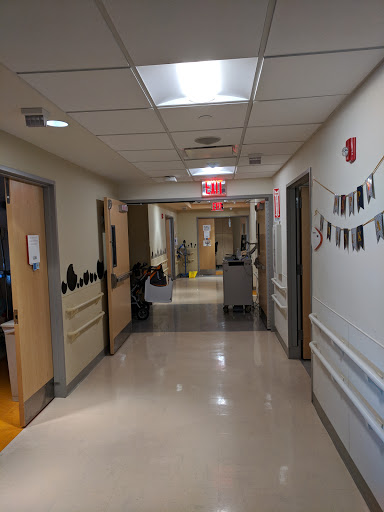
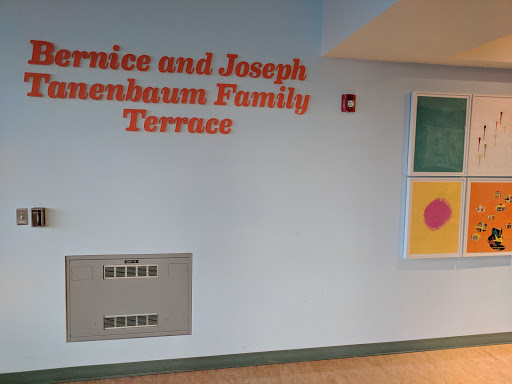
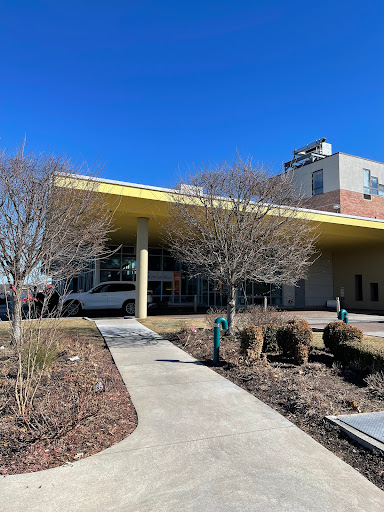
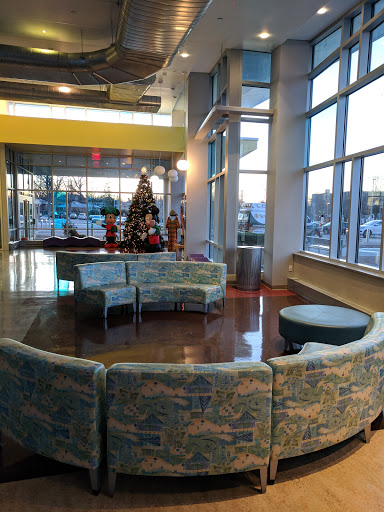
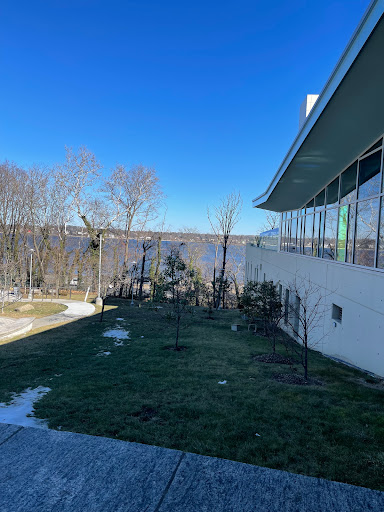
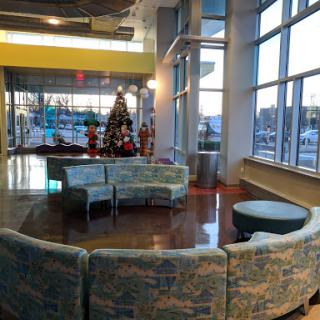
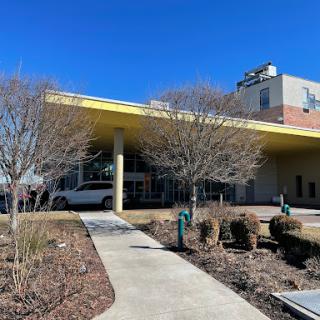
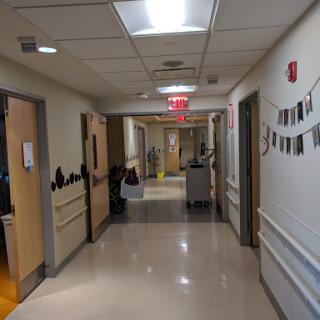
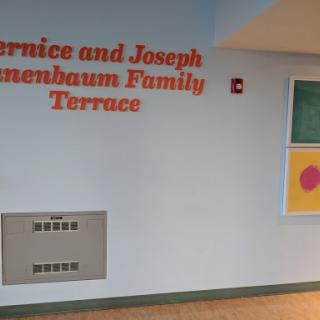
St Marys Hospital For Children on seniors.fyi includes 11 photos including images showing interior, building, art, seating area, landscaping, water, trees, nature, and more.
Nearby Communities
Ozanam Hall Nursing Home of Queens
Queens, NY
3.7 from 104 reviews
Strong rehab, caring staff, and good family communication in a clean facility.
Ozanam Hall Of Queens Nursing Home
Bayside, NY
3.3 from 65 reviews
Comprehensive amenities and 24/7 supervision.
The Grand Rehabilitation and Nursing at Queens
Whitestone, NY
3.8 from 148 reviews
Effective physical and occupational therapy with prompt emergency response.
Atria Home Care-Long Island
Great Neck, NY
4.3 from 77 reviews
Friendly, attentive staff in a clean, well-kept facility with engaging activities.
Atria Cutter Mill
Great Neck, NY
4.6 from 107 reviews
$5,395 to $7,795 / month
Clean, hotel-like setting with caring staff and a strong sense of community.
Atria Park Of Great Neck
Great Neck, NY
4.4 from 175 reviews
$7,195 to $13,695 / month
Clean, well-maintained environment with attentive aides and engaging activities.
Brandywine Living At The Savoy
Little Neck, NY
4.5 from 120 reviews
$3,600 to $6,600 / month
Compassionate staff with personalized care and engaging activities.
Flushing House
Flushing, NY
4.5 from 81 reviews
$3,300 to $4,250 / month
Clean facilities with friendly staff, engaging activities, and quality dining at good value.
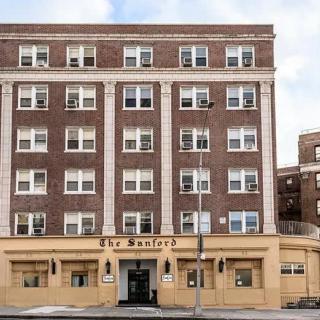
Sanford Home
Flushing, NY
3.9 from 15 reviews
$2,000 / month
Clean, safe environment with reliable medication management and transport to medical appointments.
The article highlights the importance of empathy and open communication when comforting someone who is grieving, noting that grief is unique to each individual and emphasizing the need for sincere expressions of condolence, active listening, and ongoing support. It also addresses cultural differences in mourning practices and encourages tailored approaches to provide effective comfort.
Home health care aides provide vital medical and non-medical support to individuals at home, assisting with daily living activities and promoting emotional well-being, while the demand for these services increases due to an aging population. Families benefit from in-home care's flexibility and cost-effectiveness but face challenges like scheduling consistency and caregiver turnover.
Older adults with urinary tract infections (UTIs) often present atypical symptoms, complicating diagnosis due to factors like incomplete bladder emptying and chronic health conditions that increase their susceptibility. Effective management involves prompt treatment with antibiotics, hydration, and preventive strategies while minimizing antibiotic resistance and focusing on holistic care approaches.
Get PricingAsk A QuestionSchedule A TourContact Senior Advisor
By clicking submit, you agree to our Partner's Terms of Use. You
also consent to receive calls and texts, which may be autodialed, from our Partner. Your consent is not a condition to
using our Partner's service. Please visit our Partner's Privacy Policy for information about their privacy practices.









 124 resident community capacity
 Skilled Nursing Facility
 Air-conditioning
 Beauty salon
 Cable or satellite TV
 Computer center
 Dining room
 Fitness room
 Fully furnished
 Gaming room
 Garden
 Housekeeping services
 Kitchenette
 Move-in coordination
 Outdoor space
 Private bathrooms
 Restaurant-style dining
 Small library
 Telephone
 Wellness center
 Wi-Fi/high-speed internet available
 LaGuardia (5 miles away)
 Community operated transportation
 12-16 hour nursing
 24-hour call system
 Activities of daily living assistance
 Assistance with bathing
 Assistance with dressing
 Assistance with transfers
 Diabetes diet
 Medication management
 Mental wellness program
 Special dietary restrictions
 Concierge services
 Planned day trips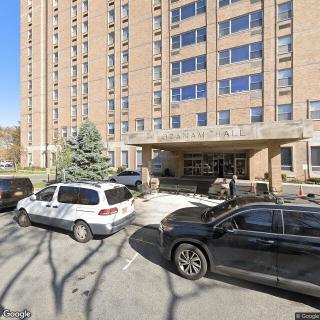
 Strong rehab, caring staff, and good family communication in a clean facility.





 Compassionate Conversations: How to Comfort Someone Who Is Grieving
 Home Health Care Aides: Understanding Their Role and Supporting Your Family
 Urinary Tract Infections in Older Adults: Comprehensive Insights on Symptoms, Treatment, and Prevention