Ozanam Hall Nursing Home of Queens
Save
42-41 201 St., Queens, NY 11361
For more information about senior living options: (844) 490-3973
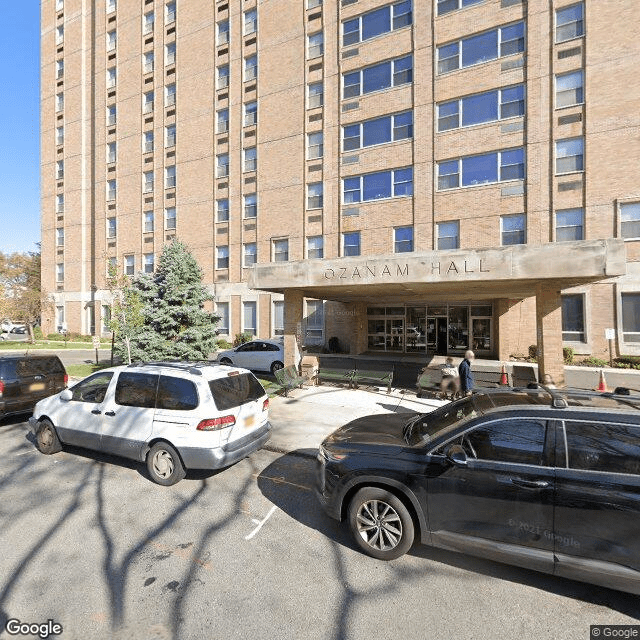
Ozanam Hall Nursing Home of Queens is best suited for families seeking a faith-infused, caregiver-driven skilled nursing and rehab environment where therapy teams deliver tangible progress and the Carmelite Sisters' presence provides a steady, comforting rhythm to daily life. The community excels for residents who benefit from a structured rehabilitation track, consistent therapy engagement, and a milieu that blends practical care with spiritual support. The building may show its age, but public areas are clean, the campus feels homelike, and opportunities such as pet therapy, gardens, and Mass offerings give a sense of continuity and dignity. When the priority is steady communication with social workers and therapists and a culture that emphasizes respectful, compassionate care, this facility stands out as a viable option.
Those considering alternatives should note that absolute reliability and modern infrastructure are not universal strengths here. If daily staffing consistency and flawless, immediate responses are non-negotiable, other facilities with newer facilities and more uniform staffing patterns may be a better fit. Families should be cautious if the loved one requires frequent bathroom assistance, near-constant monitoring, or meticulous medication management without risk of gaps. Multiple reviews point to perceived understaffing, weekend lull in attentiveness, and occasional discharge missteps, all of which can magnify stress for families during transitions. For those seeking a hospital-like cadence of service, or who desire a more streamlined admissions and coordination process, exploring other options is prudent - even as the Sisters' warmth and the rehab program remain appealing.
On balance, the strongest positives are the hands-on rehab and the people who support it. Social workers like Victoria are repeatedly praised for their availability, follow-through, and genuine care. Therapists - Chaitanya Bathla among them - are described as professional, patient, and capable of driving meaningful gains, with physical and occupational therapy frequently cited as a core strength. Nursing staff on some floors are reliable and attentive when moments permit, and the facility's cleanliness, along with pet therapy and a welcoming atmosphere, contributes to a humane, home-like experience. The Catholic orientation, including Mass, spiritual visits from Sisters, and a culture of respect, adds a level of reassurance for families who want more than clinical care alone. For residents in rehab, this combination of skilled therapy and supportive staff often translates to measurable improvements.
Yet the drawbacks deserve serious attention. Persistent themes center on understaffing and uneven responsiveness across floors, with some aides perceived as rushed or inattentive and nurses difficult to reach during crucial moments. Communication gaps between departments and delays in returning calls or in the coordination of medications and chart updates appear repeatedly. The building's older infrastructure can show wear in rooms and bathrooms, and some families report food quality as variable. Discharge planning and home-health coordination are cited as frequently fraught, leaving families feeling unsettled during a vulnerable transition. These issues do not cancel out the care delivered on better days, but they do establish a real risk profile for families who need predictability and seamless daily operation.
To navigate effectively, proactive engagement is essential. Prospective families should press for floor-specific nurse assignments to minimize cross-team confusion and request a direct line of communication with the rehab social worker. Verifying the medication reconciliation process before hospital-to-facility transfer can prevent confusion later, and bringing a detailed, nonnegotiable care plan - bathroom assistance requirements, feeding schedules, and personal routines - helps anchors choices. Regular, scheduled check-ins with the primary care team, plus early tours of the rehab floor to observe therapy in action, can illuminate the daily dynamics. Asking about dietary preferences and modifications, and speaking candidly with multiple current families about floor culture, rounds out the due diligence needed in this setting.
In the final assessment, Ozanam Hall offers meaningful value for families who are prepared to engage closely with care teams, who prize robust rehab outcomes, spiritual support, and a warm, community-oriented environment. The facility does carry a real caveat: reliability can fluctuate, and miscommunications or staffing gaps can complicate care on challenging days. For families seeking a consistently seamless, modern, nurse-led experience, it may be wise to explore alternatives. For those willing to partner actively with staff - leveraging celebrated social workers, dedicated therapists, and the Sisters - the potential for genuine progress and a comforting sense of "home" during a difficult transition is real. The decision hinges on balancing rehab goals, daily oversight, and tolerance for an imperfect yet heartfelt care ecosystem.
Ozanam Hall Nursing Home of Queens, located in Queens, NY, is a welcoming and comfortable assisted living community. Our residents enjoy a variety of amenities and services designed to enhance their daily lives.
At Ozanam Hall, we prioritize the well-being and happiness of our residents. To ensure this, we offer a range of on-site activities suitable for all interests. From social gatherings and group exercises to games and arts and crafts, there is always something engaging for our residents to participate in. Additionally, devotional services are available on-site to cater to the spiritual needs of our residents.
Our indoor common areas provide comfortable spaces for relaxation and socialization. These areas are perfect for spending time with fellow residents or hosting family visits. For those who enjoy the outdoors, our community also features outdoor common areas where residents can enjoy fresh air and beautiful surroundings.
For individuals in need of short-term care or respite stays, Ozanam Hall offers specialized programs to accommodate their needs. We understand that sometimes extra support is required during recovery or when primary caregivers are unavailable, and we are here to provide compassionate assistance during these times.
In terms of nearby conveniences, there are two cafes within close proximity where residents can enjoy a cup of coffee or share a meal with friends or family. Additionally, there are numerous parks dotted nearby for leisurely strolls or picnics. With 14 pharmacies in the vicinity, medication management becomes hassle-free for our residents. There are also two physicians nearby who can provide medical care as needed.
When it comes to dining options, there are four restaurants within easy reach that offer a variety of cuisines to suit different tastes. Transportation is readily available with 15 transportation options nearby, ensuring that our residents can easily access medical appointments, shopping centers, or any other destinations they wish to visit.
Furthermore, being situated near places of worship allows individuals who desire religious services the convenience of attending them without traveling long distances. For those interested in cultural activities, there is a theater nearby where residents can enjoy live performances. Additionally, knowing that a hospital is within close proximity provides peace of mind, should any medical emergencies arise.
At Ozanam Hall Nursing Home of Queens, we strive to create a supportive and enriching environment for our residents. With numerous amenities and nearby conveniences, residents can lead fulfilling lives while receiving the care they need.
This part of Queens, New York, offers a convenient and diverse range of amenities for seniors looking to settle in the area. With several pharmacies nearby, easy access to transportation options including subway and train stations, and proximity to hospitals and physicians' offices, residents can enjoy peace of mind knowing that medical services are readily available. Additionally, there are various dining options such as familiar fast-food chains like McDonald's and Taco Bell as well as more upscale options like Toku Modern Asian and Hendrick's Tavern for those seeking a special dining experience. Parks such as Cunningham Park and Flushing Meadows Corona Park offer opportunities for outdoor recreation, while cafes like Starbucks provide inviting spaces for socializing or enjoying a coffee break. Places of worship like St Luke's Episcopal Church and Community Church of East Williston cater to spiritual needs in the community. Overall, this area provides a well-rounded environment for senior living with convenient amenities and services within close proximity.
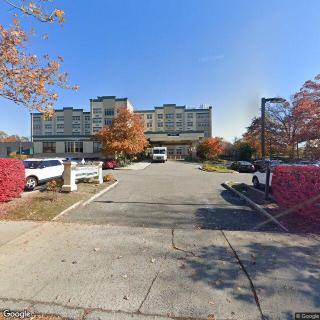
Ozanam Hall Nursing Home of Queens is located at 42-41 201 St., Queens, NY 11361 in Queens County, New York
Home Health Care Aides: Understanding Their Role and Supporting Your Family

Home health care aides provide vital medical and non-medical support to individuals at home, assisting with daily living activities and promoting emotional well-being, while the demand for these services increases due to an aging population. Families benefit from in-home care's flexibility and cost-effectiveness but face challenges like scheduling consistency and caregiver turnover.
Older adults with urinary tract infections (UTIs) often present atypical symptoms, complicating diagnosis due to factors like incomplete bladder emptying and chronic health conditions that increase their susceptibility. Effective management involves prompt treatment with antibiotics, hydration, and preventive strategies while minimizing antibiotic resistance and focusing on holistic care approaches.
California's Form 602A: An In-Depth Examination of Senior Care Assessment
California's Form 602A is a vital tool for evaluating the health needs of seniors seeking residential care, detailing their medical conditions and daily living requirements to ensure proper service alignment. This standardized form enhances communication among physicians, families, and facilities, serving as a regulatory measure for admissions and ongoing care while adapting to changing healthcare practices.